



18th Century Dog Painting
An 18th century dog painting brings the presence of early canine companions into a room through oil on canvas and wood panel.
18th Century Dog Painting
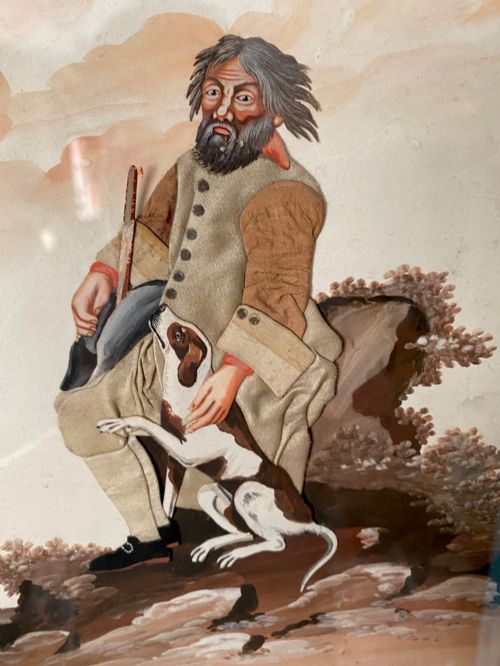
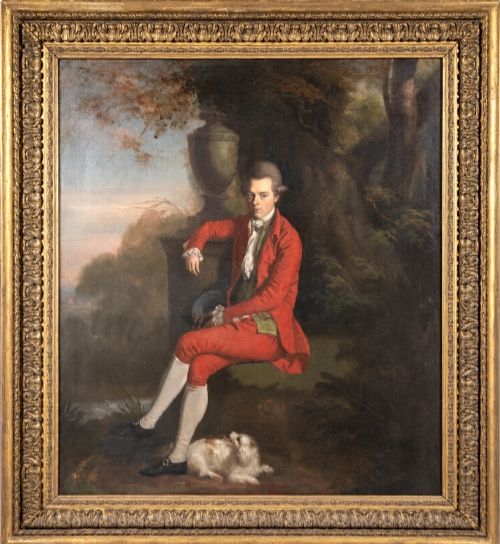
An 18th century dog painting typically captures animals alongside human subjects or within landscapes, spanning British Baroque, Georgian, and English School traditions. The version you are most likely to meet on this page is an oil on canvas portrait featuring a spaniel or hunting dogs.
The evidence shows works attributed to the 17th century through the Regency period, including pieces in the circle of George Stubbs and by named artists like Richard Waitt. These paintings record both domestic pets and working dogs in rural and interior settings.
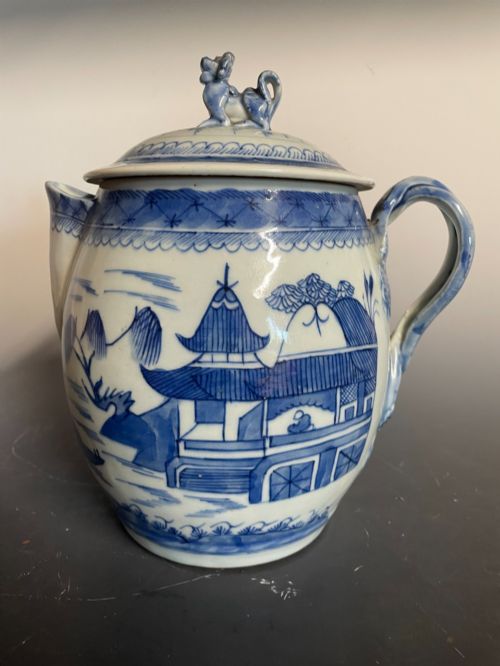
Beyond standard canvas works, related objects like Chinese porcelain dog figurines and jugs occasionally appear alongside the paintings. These pieces reflect the broader material culture of the period, connecting flat art to decorative objects.
Materials and techniques
Artists worked primarily with oil paint on canvas or wood panel, applying layers of pigment to build depth in both the animal subjects and the surrounding landscape backgrounds. Giltwood frames frequently house these oil paintings, providing the traditional enclosure for canvas works of the era.
Ceramic pieces such as porcelain dog statues utilise enamel pigments over fired clay bodies, particularly seen in Chinese export works. Painters employed fine brushes to render the texture of canine coats and the details of companion figures.
18th Century Dog Painting Retail Price Guide 2026
Typical asking prices for 18th century dog painting among the pieces listed under this phrase on Sellingantiques today, from the lower quarter to the upper quarter. They describe what is for sale here now, not the wider market.
Several dogs in these paintings hold specific items, including a Peregrine Falcon and a book.
Quality variations
The fidelity of the animal rendering and the anatomical accuracy of the dog distinguish finer works from simpler school pieces. Master painters capture the specific expression and posture of breeds like spaniels with greater precision than anonymous studio hands.
The condition of the canvas and the preservation of the original oil paint layers heavily influence the standing of a painting. Intact historical frames, such as period giltwood, contribute to the overall integrity of the piece.
Thomas Beach·Richard Waitt·George Stubbs·Francis Alleyne·Daniel Mytens·Micheal Angelo Rooker
The 18th Century Dog Painting Glossary
- Oil on canvas
- Pigment mixed with drying oil applied to a woven fabric support stretched over a wooden frame. This primary medium of the period allows for subtle blending and rich colour depth.
- English School
- A designation for works produced by British artists operating within traditional regional styles without attribution to a specific master. These paintings represent the broader output of domestic workshops.
- Giltwood
- Wood carved and coated with gold leaf or gold paint, commonly used for framing oil paintings. The reflective surface complements the dark tones of 18th-century canvases.
- Enamel
- Opaque glass-based pigment fused to porcelain surfaces through firing. It provides durable colour on decorative figurines and ceramic jugs.
- Wood panel
- A flat wooden support used as a painting surface instead of canvas. Artists often utilised panels for smaller compositions during the period.
18th Century Dog Painting: Frequently Asked Questions
What subjects appear in these paintings?
The works typically show dogs alongside portrait sitters such as children, gentlemen, and ladies, or as the main subject in rural landscapes and caves.
Animals frequently include spaniels and hunting dogs, reflecting the sporting and domestic priorities of the era.
How should I hang an oil painting?
Keep canvases away from direct sunlight and sudden temperature shifts to protect the oil paint and canvas support from degradation.
Ensure the wall can support the combined weight of the painting and its period frame.
Are all these pieces British?
While the majority stem from the English School and British artists, the selection includes Dutch School works and Chinese export porcelain.
Trade and continental exchange during the 18th century brought diverse origins into the British interior.
How do I identify the period?
Examine the clothing of human subjects, painting techniques, and canvas preparation for clues matching Georgian styles or specific dates.
Attributions often rely on recorded signatures, school characteristics, and comparative stylistic evidence.