
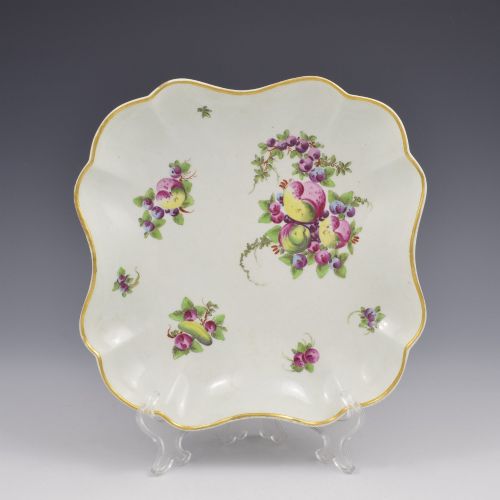


18th Century Dessert Dish
An 18th century dessert dish brings the elegance of Georgian dining rooms to your table with hand-painted porcelain and brilliant lead glass.
18th Century Dessert Dish
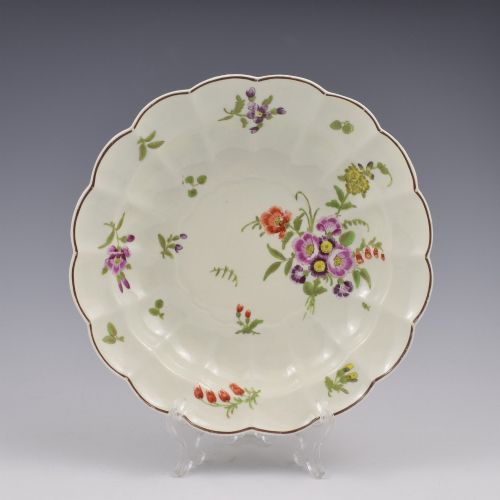
An 18th century dessert dish forms part of the final course of a formal Georgian meal, serving fruit, sweetmeats, or confections. You will encounter these pieces in soft-paste porcelain, creamware, and lead glass.
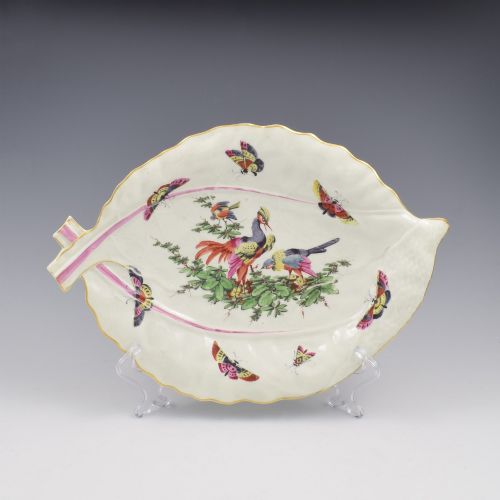
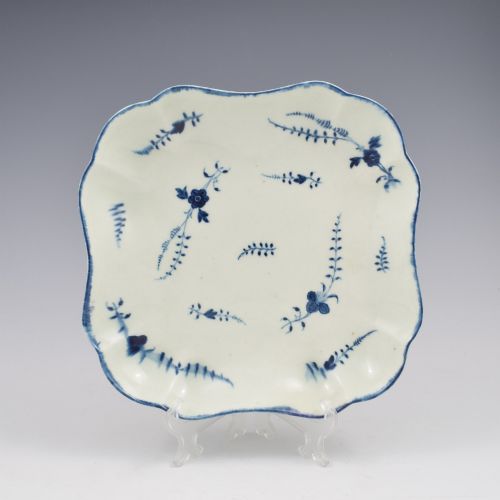
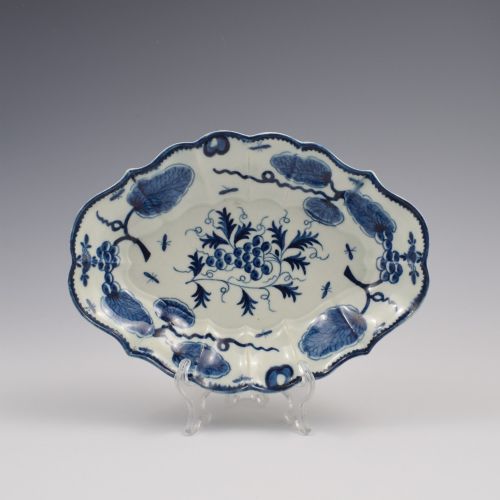
The porcelain examples on this page frequently originate from the First Period Worcester factory, often taking naturalistic forms such as leaves, shells, or lobed squares. Alongside these porcelain services, the selection includes lead glass sweetmeat stands and plates designed to catch the candlelight.
Makers such as Neale & Co. and Chelsea-Derby appear in the record, alongside notable independent decorators like James Giles. These pieces demonstrate the refined tastes of eighteenth-century hosts who displayed elaborate suites of matching or complementary dishes upon the table.
Judging Quality and Execution
The distinction between standard output and the finest examples lies in the crispness of the moulding and the ambition of the painted decoration. Hand-painted subjects such as fancy birds, botanical specimens, or classical ruins demand considerable brush control from the artist.
The presence of early factory marks, gilding of high purity, and sophisticated potting techniques separate simpler utilitarian wares from exhibition-quality display pieces designed for wealthy patrons.
Eighteenth-century diners enjoyed elaborate dessert courses where fruit and sweetmeats were arranged to look like living gardens on the table.
Neale & Co·Chelsea-Derby·James Giles
The 18th Century Dessert Dish Glossary
- Soft-paste porcelain
- A vitrified ceramic composition fired at lower temperatures than hard-paste porcelain, prized for its warm glaze and creamy body during the eighteenth century.
- Sweetmeat stand
- A pedestal vessel or elevated dish intended to hold small sweet confections, nuts, or preserved fruits at the conclusion of a formal meal.
- Overglaze enamels
- Pigments fused to the surface of already fired and glazed ceramic bodies through a secondary low-temperature kiln firing.
- Lead glass
- Heavy glass containing lead oxide, known for its refractive brilliance and clarity, widely utilised in Georgian drinking vessels and serving plates.
- First Period Worcester
- The initial phase of production at the Worcester porcelain factory, operating under the direction of Dr Wall and renowned for fine body and painting.
18th Century Dessert Dish: Frequently Asked Questions
What were 18th century dessert dishes used for?
These dishes held the final course of a formal meal, which typically consisted of sweetmeats, fresh fruit, nuts, jellies, and delicate pastries.
Hosts arranged them symmetrically down the centre of the table or on tiered stands to impress guests with both wealth and taste.
How can I tell Worcester porcelain apart?
First Period Worcester porcelain often displays characteristic crescent marks, square seal marks, or workman's signs painted underneath the base.
The body typically shows a slightly greenish tint when viewed through the translucent glaze against a bright light.
Can I use these dishes for serving food today?
While structurally sound enough for gentle service, antique pieces with delicate overglaze enamels or lead glass are best reserved for display or careful occasional use.
Modern acidic foods and abrasive cutlery can permanently scratch or wear down the hand-painted surfaces.