


18th Century Chinese Censer
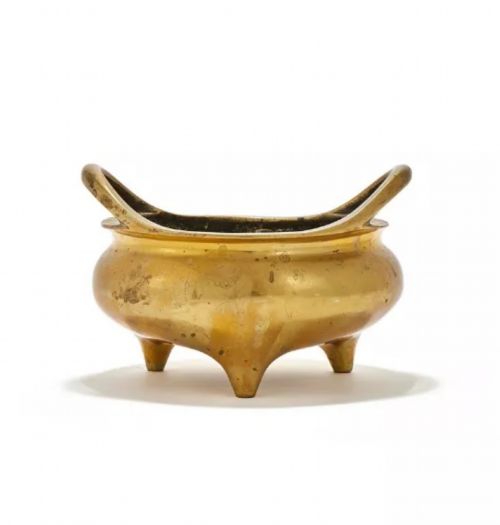
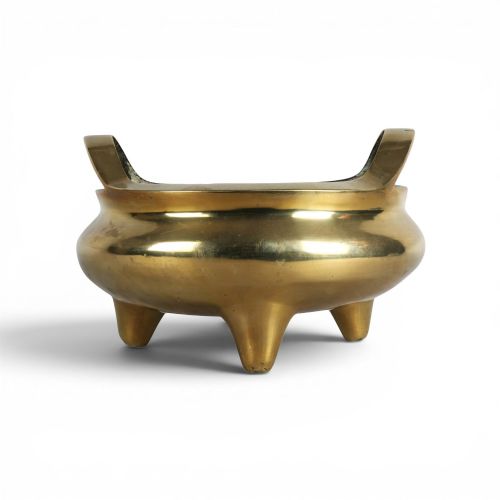
An 18th century chinese censer brings scholarly refinement and ritual weight to an interior, forged in bronze or ceramic for burning fragrant resins.
18th Century Chinese Censer
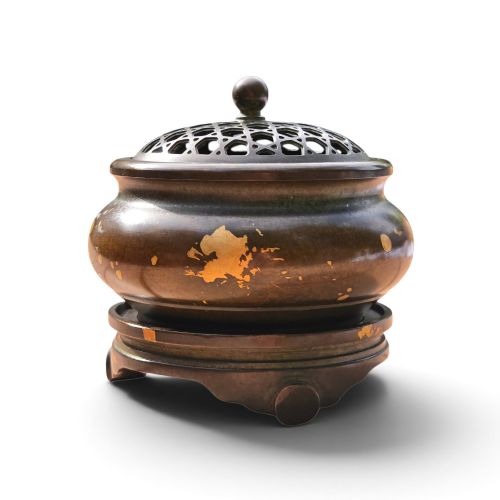
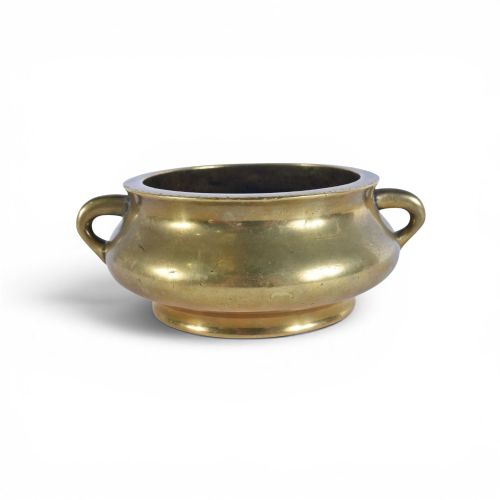
An 18th century chinese censer encompasses scholarly desk vessels and ritual forms rooted in the Qing Dynasty, frequently styled with archaistic elements. These pieces serve as functional incense burners designed for contemplative spaces, drawing upon centuries of bronze-casting and ceramic traditions.
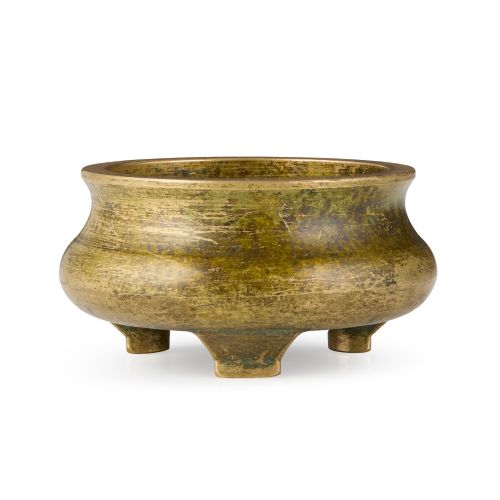
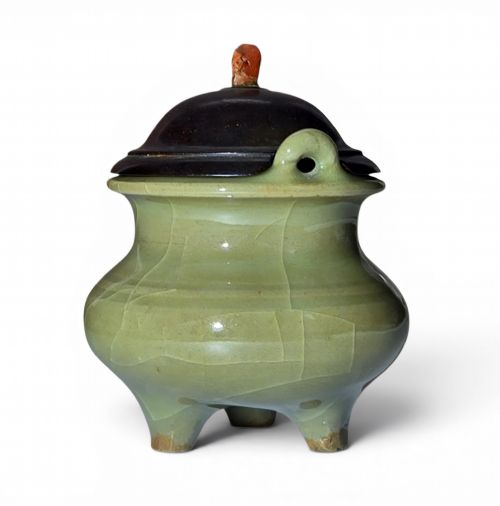
The selection on this page centres heavily upon heavy bronze tripod censers, alongside porcelain and stoneware examples. Collectors encounter scholarly items featuring studio marks, alongside figural incense burners and bespoke zitan wood covers paired with earlier ceramic bodies.
Materials and Construction
Metals dominate the construction, utilising solid bronze and brass cast into tripod vessel forms, often enriched with gold gilding or gold-splashed surface treatments. Artisans shaped these heavy bodies to withstand heat while achieving balanced proportions and tactile patination.
Ceramic pieces utilise Dehua porcelain and celadon stoneware, shaped into ribbed bamboo forms or Ge-type glazes. Skilled woodworkers additionally produced bespoke zitan wood covers, frequently inlaid with coral for miniature vessels.
Listings feature periods spanning the 17th and 18th centuries, incorporating Qing and Ming Dynasty stylistic influences across bronze, brass, and porcelain.
Evaluating Quality and Craftsmanship
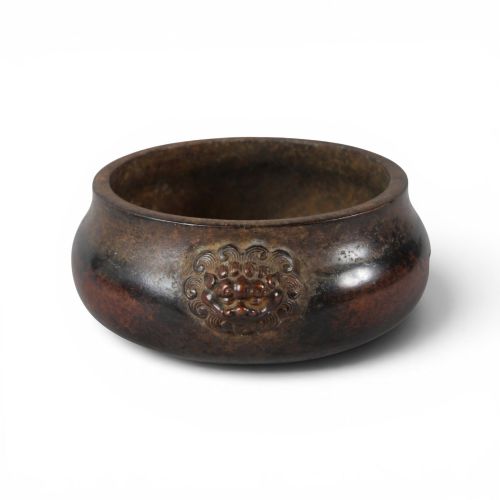
Weight and metal density distinguish standard production from exceptional scholar-grade pieces, with superior censers demonstrating substantial heft and controlled wall thickness. The crispness of cast relief work, whether archaistic motifs or figural kylin details, reveals the skill of the original workshop.
Surface finish and patination drive the distinction between average and fine examples, particularly in the application of gold-splashing or the depth of the bronze patina. Original fitted components, such as zitan wood covers and matching stands, elevate the integrity of the surviving ensemble.
The 18th Century Chinese Censer Glossary
- Archaistic
- Design elements that consciously imitate ancient ritual bronzes from earlier dynasties. This style connects Qing Dynasty pieces to classical ritual vessels of antiquity.
- Tripod
- A vessel supported by three feet, standard for ancient Chinese ritual bronzers. These legs provide stability and elevate the body above the surface.
- Zitan
- A dense, heavy tropical hardwood prized by Chinese craftsmen for small furnishings and covers. Its dark tone contrasts with bronze and porcelain.
- Bombé
- A swelling, rounded pot shape resembling a compressed sphere, common in scholar censers. The profile offers a smooth surface for catching light on patinated bronze.
- Celadon
- A green-glazed ceramic type mimicking jade, produced in various tones from grey-green to olive. The glaze relies on iron oxides fired in a reduction atmosphere.
18th Century Chinese Censer: Frequently Asked Questions
How were these censers used?
These vessels burned incense sticks, cones, or aromatic powders within scholars' studios and domestic altars to purify the air and aid meditation.
The rising smoke enhanced quiet contemplation, while the tactile presence of the bronze or porcelain engaged the senses of touch and sight.
What do reign and studio marks mean?
Marks stamped or cast into the base indicate imperial periods, specific dynastic reigns, or private scholarly workshops that commissioned the piece.
They serve as historical indicators of quality, though later pieces frequently referenced earlier Ming marks to honour revered traditions.
How do I care for bronze surfaces?
Bronze censers require minimal intervention, needing only dry dusting with a soft cloth to preserve the natural historical patina.
Applying oils or aggressive cleaning agents strips the surface oxidation built up over centuries, diminishing the visual depth of the metal.
Can I still burn incense inside them?
Using historical censers for burning incense remains possible provided you use heat-resistant liners to protect ancient metal and ceramic bodies.
Thermal shock from direct burning can fracture fragile stoneware or stress older joints, so caution is advised for delicate pieces.