


18th Century Child Painting
An 18th century child painting captures youthful innocence through classical oil portraiture and delicate watercolours that bring historic character into domestic spaces.
18th Century Child Painting
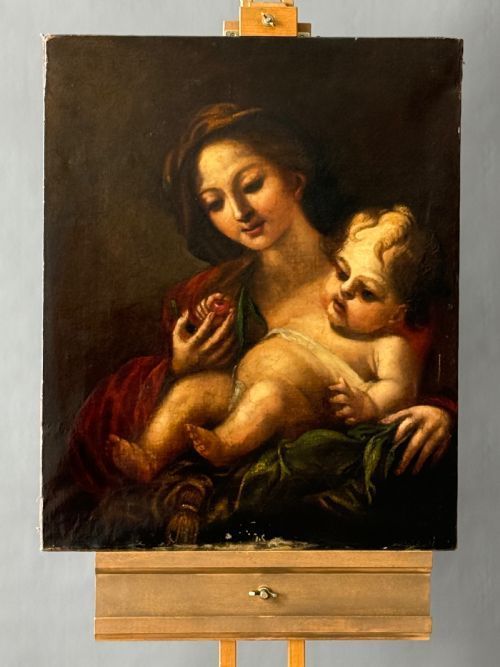
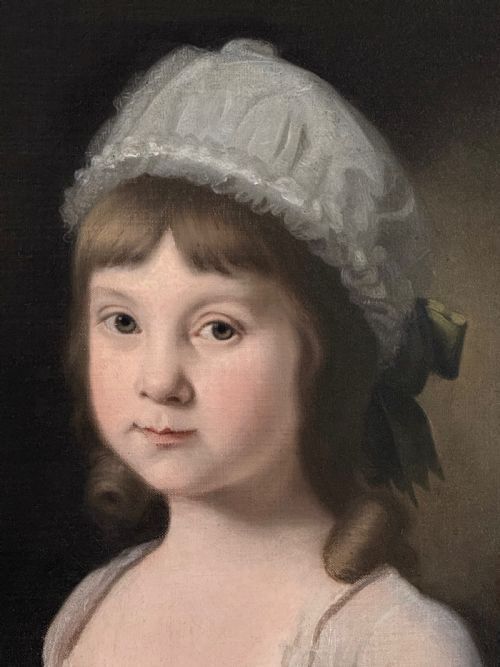
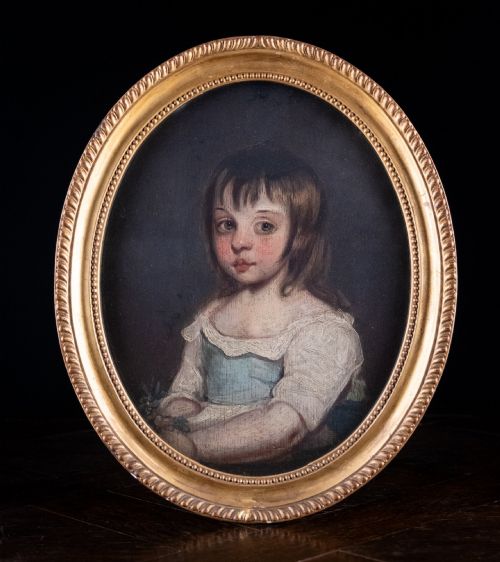
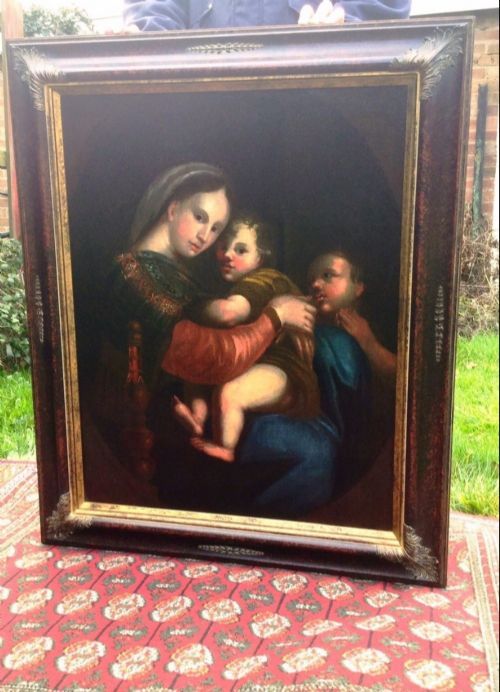
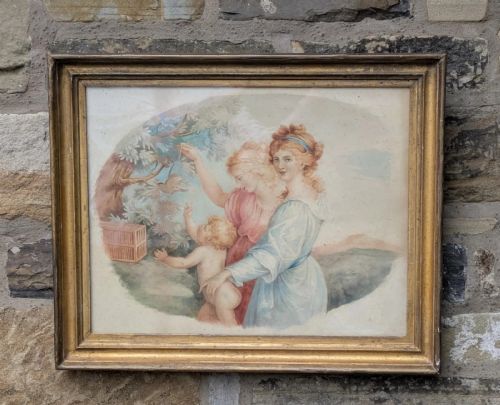
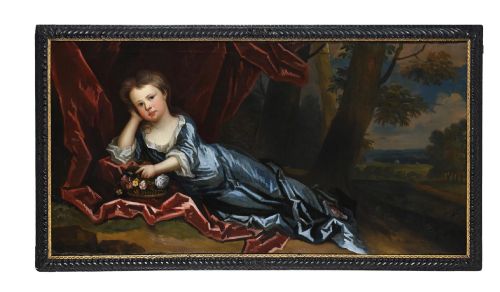
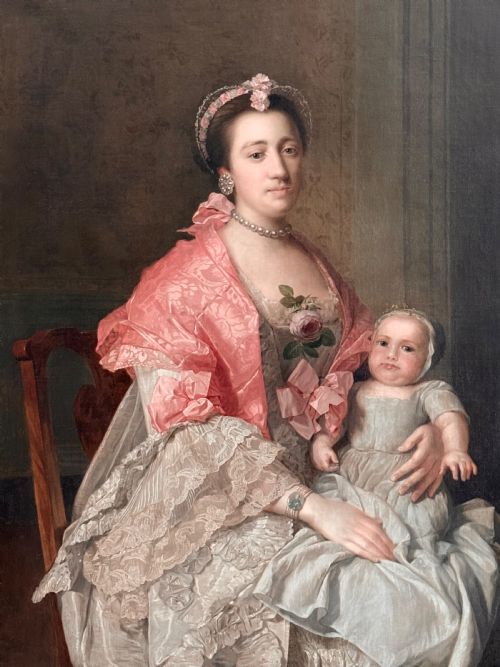
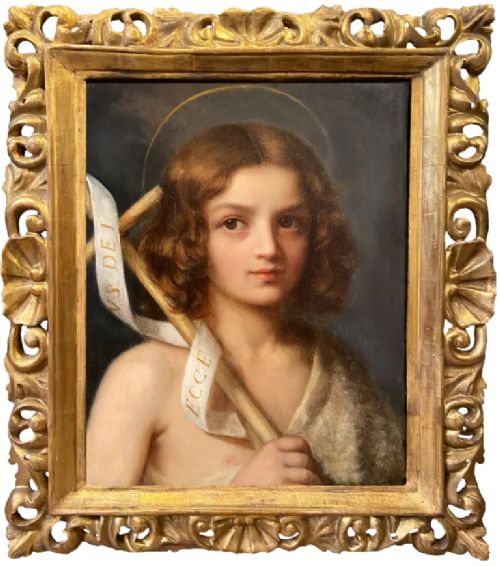
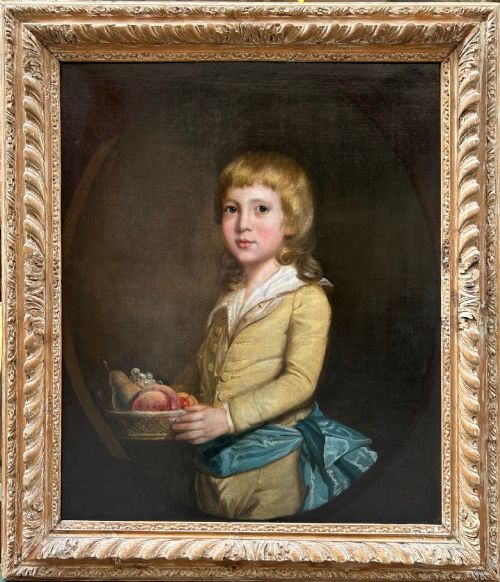
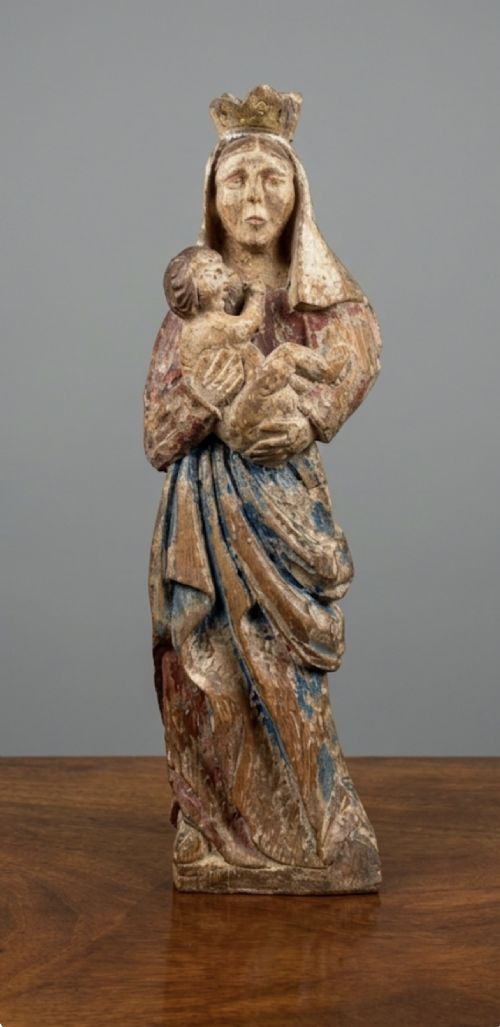
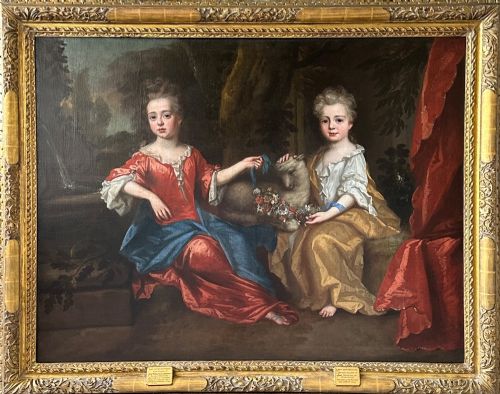
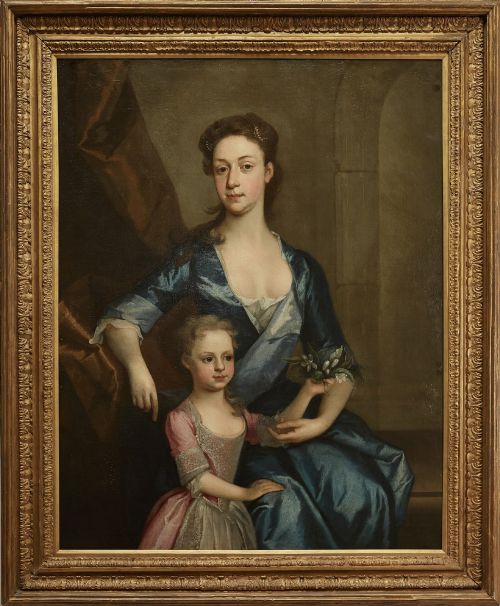
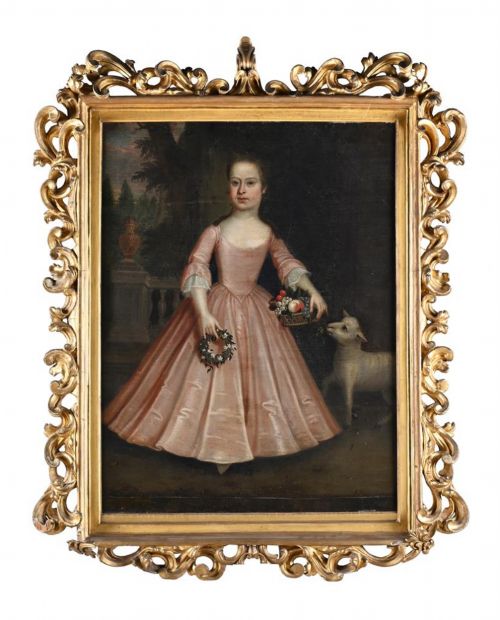
When searching for an 18th century child painting, collectors encounter both secular portraiture and religious depictions of the Madonna and Child or the infant Saint John the Baptist. These works reflect the evolving social perception of childhood during the Georgian and Baroque eras, ranging from formal aristocratic commissions to intimate portrayals of siblings, country youths, and family members.
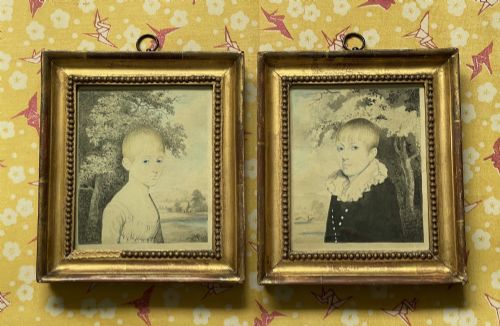
The most common formats on this page include oil on canvas portraits, small-scale watercolour paintings, and detailed portrait miniatures executed on card or ivory. Subjects frequently appear alongside symbolic attributes such as pets, fruit baskets, or toys, providing tangible insights into historical domestic life.
Originating from British, Italian, German, and wider European schools, these artworks span early Georgian styles through to Neoclassical and Regency periods. Buyers also find carved devotional panels and ceramic plaques sharing the same period aesthetic.
Materials and methods
Painters of this era predominantly employed oil on woven canvas, building depth through layered glazes and opaque pigments that have survived centuries. Watercolour and pastel on paper or card served for smaller, more immediate studies and miniatures.
Surviving pieces frequently retain their original giltwood or carved wooden frames, which utilise traditional water gilding and gesso techniques over a timber base. Glass protection often guards fragile watercolours and delicate portrait miniatures from environmental damage.
The listings feature oil paintings, watercolours, and portrait miniatures rendered across the Georgian, Regency, and Baroque stylistic periods.
Assessing quality in period art
The standard of an 18th century child painting depends heavily on the anatomical precision of the subject's face and hands, where lesser hands often struggled with proportions. Superior examples demonstrate confident brushwork and expressive lighting that bring a genuine sense of life to the sitter.
The provenance and attribution to a recognised studio, circle, or named master elevate a piece significantly. Furthermore, the integrity of the original canvas support, minimal historical restoration, and the presence of an appropriate period gilt frame contribute to the overall importance of the artwork.
Joshua Reynolds·Allan Ramsay·Thomas Beach·Arthur William Devis·Philip Mercier·George Engleheart
The 18th Century Child Painting Glossary
- Oil on canvas
- A painting medium where pigments suspended in drying oils are applied to stretched fabric. This method allows for rich colour blending and lasting durability.
- Portrait miniature
- A small, highly detailed painting, often executed on ivory or vellum. These intimate pieces were frequently housed in protective cases or worn as personal mementos.
- Giltwood
- Timber that has been coated with a thin layer of gold leaf or powder. It provides ornate, reflective framing typical of high-status Georgian interior decoration.
- Baroque
- An artistic style spanning the 17th and 18th centuries characterised by dramatic movement, deep shadows, and rich emotional intensity. Many religious depictions on this page draw directly from this tradition.
- Attributed to
- A term used when an artwork is considered the work of a particular artist based on stylistic evidence, though absolute documentation is absent.
18th Century Child Painting: Frequently Asked Questions
How do I care for an 18th century child painting?
Keep oil paintings away from direct sunlight and fluctuating radiator heat to prevent the canvas from cracking and the varnish from yellowing. Dust gently with a soft, dry brush and avoid chemical cleaning agents.
Watercolours and miniatures require particular protection behind UV-filtering glass. Maintaining stable humidity levels in the room preserves both the paper supports and the wooden frames.
What is the difference between secular and religious child paintings?
Secular works depict real children from the period, often commissioned by parents to record family lineage or childhood milestones. These subjects frequently hold pets, toys, or fruit.
Religious pieces portray sacred figures such as the Christ Child, the infant Saint John, or the Madonna, serving devotional or decorative purposes within historic interiors.
How can I tell if a painting is genuinely from the 18th century?
Examine the reverse of the canvas for period stretchers, oxidised staples or handmade tacks, and historic wax seals or inscriptions. The craquelure in the paint surface should show natural, age-related cracking consistent with old oil mediums.
Stylistic cues in clothing, hair, and framing materials also help anchor the piece within the Georgian or Baroque eras.
Why are some paintings attributed rather than signed?
Many works from this era left the studio unsigned because they were produced by assistants, followers, or pupils under the direct supervision of a master painter. Signatures were not uniformly practiced across all European schools during the 1700s.
Experts attribute these pieces by comparing brushwork technique, colour palettes, and compositional style to documented works by specific artists.