




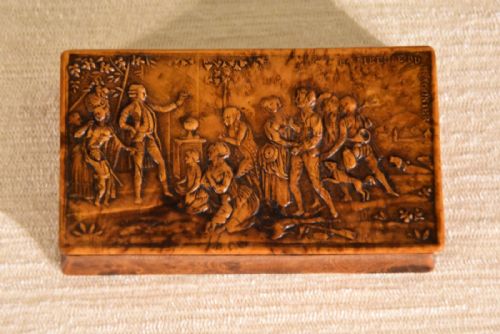

18th Century Carved Reliefs
These 18th century carved reliefs are sculptural wall panels and architectural fragments that bring tangible historical depth and classical drama to an interior.
18th Century Carved Reliefs
When you search for 18th century carved reliefs, you encounter wooden panels, architectural pediments, and figural plaques originating from various European and Asian traditions. The selection spans domestic wall decorations, religious ceiling bosses, and classical scenes designed to be mounted directly onto walls.
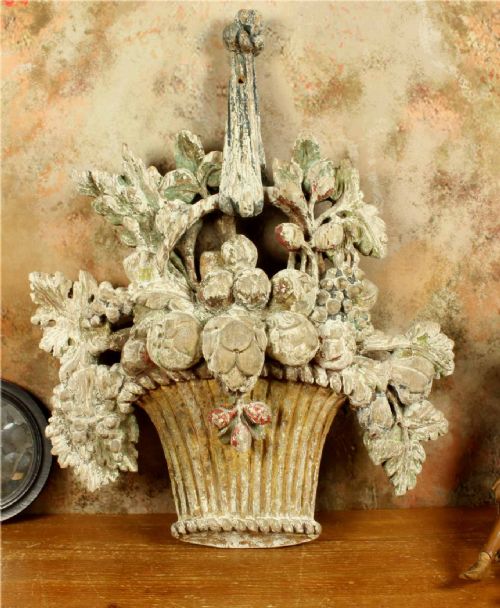
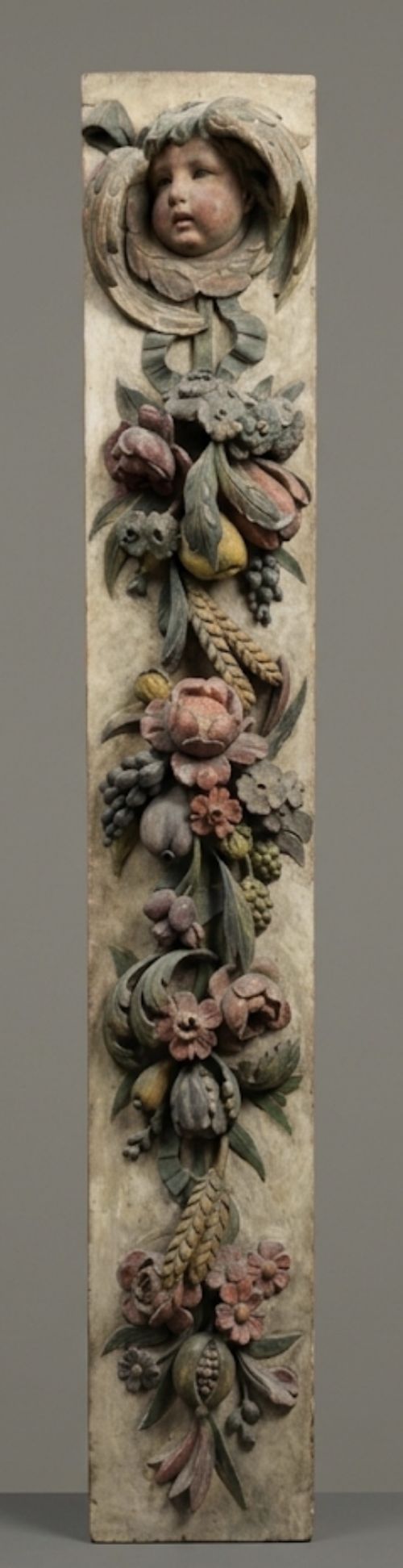
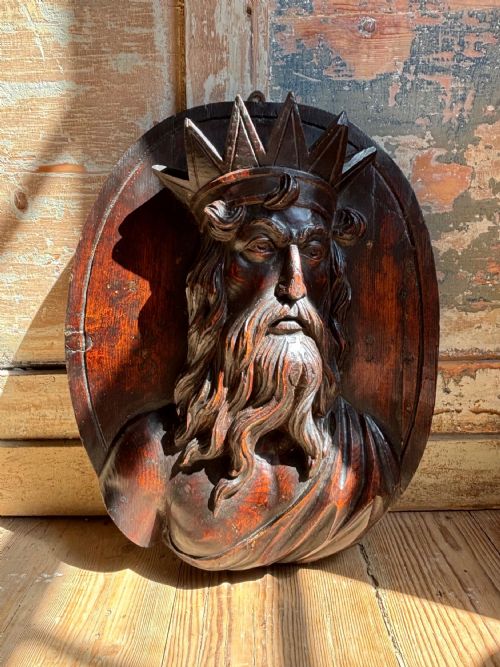
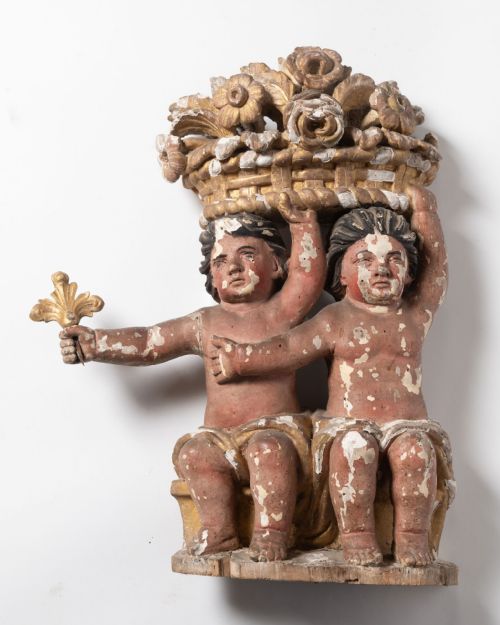
You are most likely to meet oak and timber panels depicting mythological figures, cherubs, or floral arrangements from the Georgian and broader 18th century periods. These items range from large ecclesiastical carvings to smaller decorative plaques intended for prominent display in a room.
The objects also encompass architectural salvage and specialised regional works, including Dutch carvings and Chinese wooden panels. Each piece functions primarily as a focal point, drawing the eye through its tactile depth and historical subject matter.
How they were made
The primary material across these listings is wood, predominantly oak and various other timbers, shaped through traditional hand-carving techniques. Artisans worked the material to create varying levels of relief, from shallow bas-relief profiles to high-relief figural sculptures.
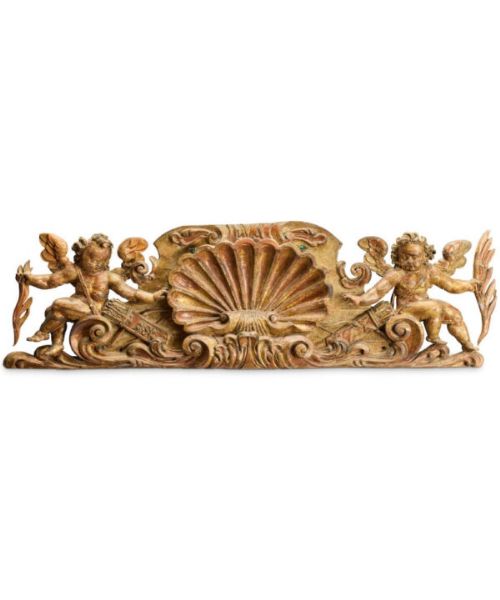
Surface decoration frequently involves gesso, gold leaf, paint, and polychrome finishes to enhance the visual impact of the carved details. These applied finishes highlight the intricate work of the carver, adding colour and metallic sheen to architectural pediments and panels.
Listings feature materials including oak, carved wood, gesso, timber, gold leaf, polychrome wood, and paint across the 18th century period.
What varies in quality
Preservation of the original surface, including early paint, parcel gilt, or polychrome layers, significantly influences the integrity of the piece. Works that retain their authentic historic finish without heavy modern interference command greater appreciation among collectors.
The 18th Century Carved Reliefs Glossary
- Bas-relief
- A sculptural technique where the figures project only slightly from the background plane. This method was frequently employed for classical cameo portraits and profile plaques.
- Pediment
- A triangular or segmental architectural gable placed above a door, window, or bookcase. In carved reliefs, these elements often feature elaborate scrollwork or figural decoration.
- Ceiling boss
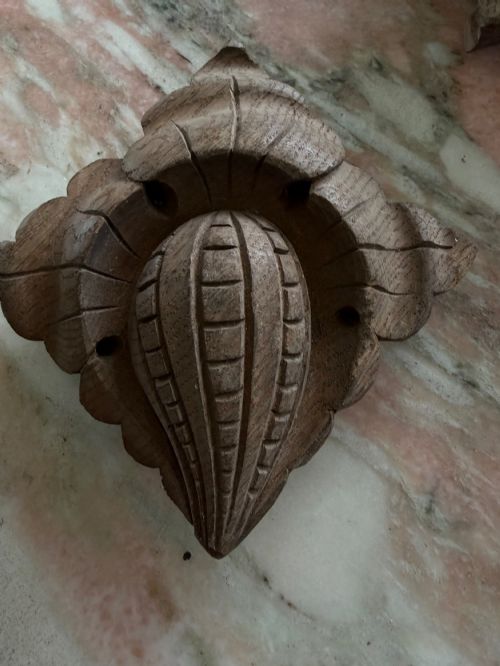
- A decorative projecting block placed at the intersection of ribs in a vaulted ceiling. These oak architectural elements typically feature carved floral or figural motifs.
- Polychrome
- The practice of decorating architectural elements and sculptures in a variety of colours. This finish adds vibrant realism to wooden panels and figural carvings.
- Parcel gilt
- A decorative technique where selected areas of an object are covered with gold leaf while other parts remain exposed. This method highlights specific carved details on wooden architectural pieces.
18th Century Carved Reliefs: Frequently Asked Questions
What woods were used for these carvings?
Oak is the predominant timber found in these listings, particularly for large architectural panels, ecclesiastical fragments, and structural ceiling elements.
Other varieties of wood and timber also appear, occasionally enhanced with gesso, paint, or gold leaf to accentuate the carved details.
How do I identify a period carving?
Authentic period pieces exhibit tool marks consistent with hand-carving techniques of the 18th century, alongside natural ageing and wear appropriate to the timber.
Stylistic indicators such as Baroque scrollwork, Neoclassical motifs, or Georgian proportions also help align the piece with its era of origin.
Can these panels be hung on modern walls?
Many of these wooden reliefs and plaques are structurally suited for wall display, provided proper weight-bearing fixings are utilised for heavier timber and oak pieces.
It is advisable to assess the mounting point on the reverse of each specific panel before installation to ensure secure placement.