





18th Century Carved Frame
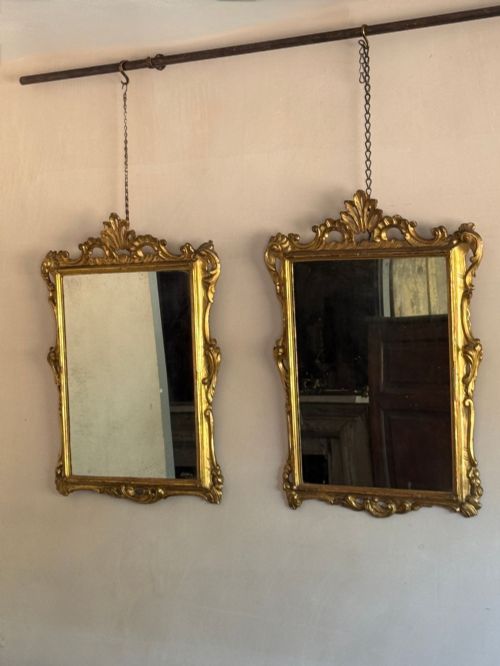
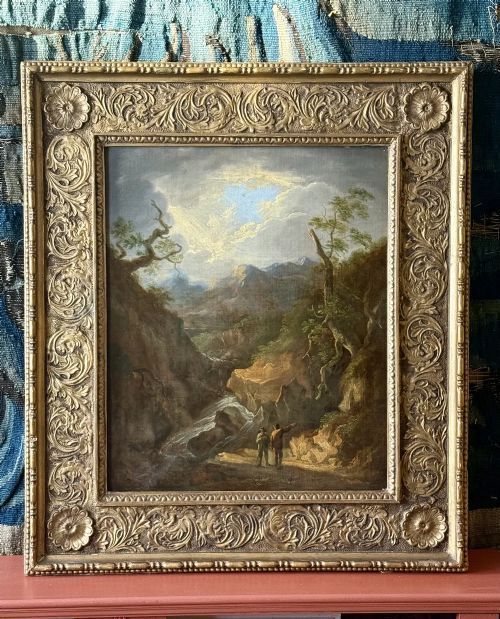
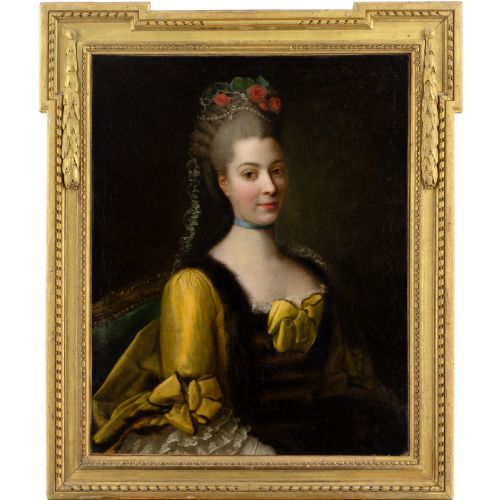
An 18th century carved frame brings period presence to a wall, holding either its original mirror glass or a later oil painting.
18th Century Carved Frame
When you search for an 18th century carved frame, you encounter timber mouldings shaped by hand to house mirrors, paintings, and devotional panels. The listings span wall mirrors, oil paintings on canvas, and dedicated picture frames from Georgian England, France, and Italy.
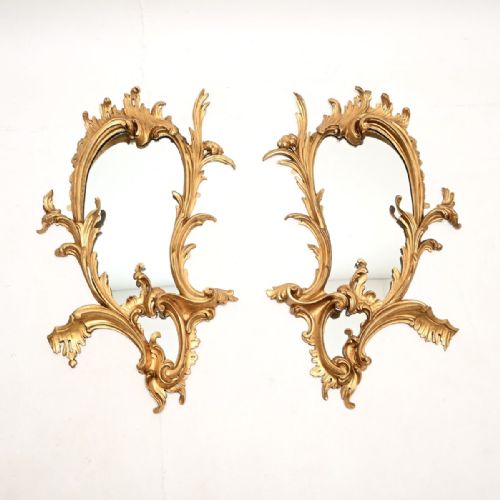
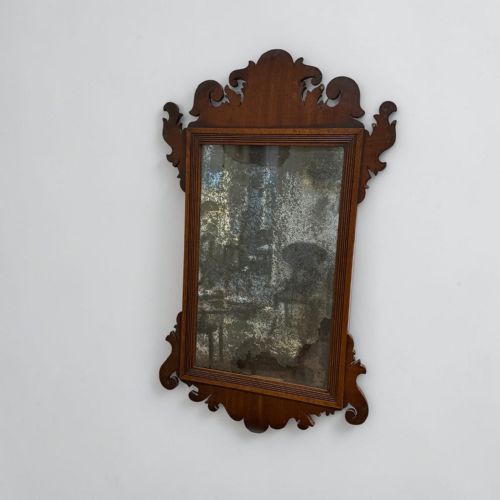
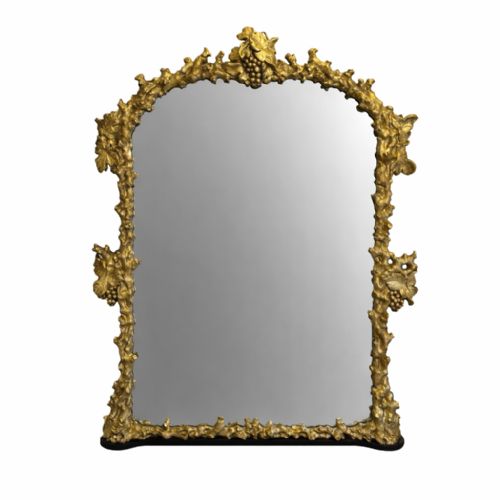
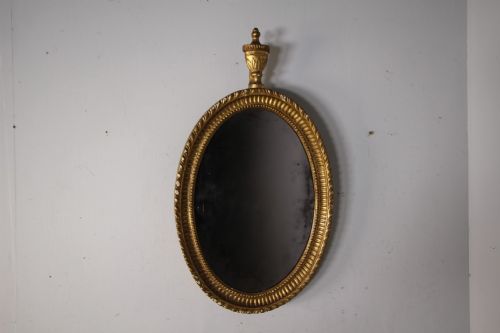
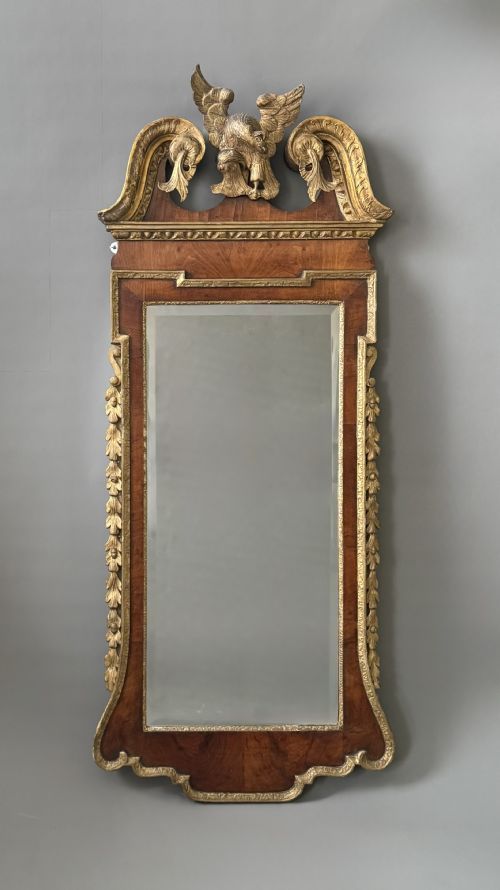
The most common survival on this page is the giltwood wall mirror, alongside mahogany and walnut fret mirrors from the Georgian period. These pieces served to reflect candlelight in principal rooms, combining utility with sculptural display.
Makers and workshops across Europe produced these works within distinct regional vocabularies, from English parcel gilt walnut to exuberant French and Italian Rococo giltwood. Each surviving piece records the aesthetic priorities of its original interior.
How they were made
Carpenters and carvers shaped frames from pine, oak, mahogany, or walnut, establishing the structural carcass before applying surface ornament. Pine and softwoods received coats of gesso, a chalk and glue mixture that accepted crisp, deep relief carving.
Workers applied thin sheets of gold leaf over the gesso preparation, burnishing portions to a high metallic sheen while leaving other areas matte for contrast. Many surviving mirrors retain their original mercury glass plates, showing characteristic foxing and distortion.
One unexpected survival depicts carved wooden dragons and birds perched upon a Chinese ebony mirror frame.
What varies in quality
Quality rests in the depth and authority of the carving, distinguishing confident chisel work from mechanical or heavy-handed recarving. Superior examples maintain crisp undercut foliage, scrolls, and masking without losing the underlying symmetry of the design.
The integrity of the surface finish determines much of the character, separating frames with original untouched gold leaf and gesso from those stripped, re-gilt, or heavily patched during later centuries.
Sir Godfrey Kneller·Benjamin Barker of Bath·Henry Pickering·Thomas Hudson·Jean-Baptiste van Loo
The 18th Century Carved Frame Glossary
- Gesso
- A fluid plaster mixture composed of gypsum or chalk mixed with animal glue, applied to wood bases to provide a smooth, absorbent ground for gilding.
- Parcel Gilt
- A method of decoration where selected portions of a wooden object are gilded with gold leaf while the remaining timber grain stays visible.
- Mercury Glass
- Silvered glass manufactured by pouring a molten tin-mercury amalgam behind double-walled glass plates, creating a dark, mottled reflection.
- Fret Mirror
- A wall mirror featuring a flat-cut wooden outline, often incorporating symmetrical pierced scrollwork derived from Chinese lattice patterns.
- Overmantel
- A large horizontal mirror or painted panel designed specifically to hang on the wall directly above a fireplace mantelpiece.
18th Century Carved Frame: Frequently Asked Questions
How do I spot original mirror glass?
Original mercury plates exhibit a darker, deeper reflection than modern silvered glass, often accompanied by characteristic dark spots known as foxing.
Closer inspection reveals slight waviness and bubbles in the historic glass pane, confirming it has not been replaced.
Can I hang these heavy mirrors safely?
Wall fixtures from this era require professional assessment of the wall substrate and load-bearing brackets.
The original wooden framing and hanging loops must be inspected to ensure the historic structure can support the weight of the glass.
What is parcel gilding?
Parcel gilding involves applying gold leaf only to specific carved highlights while leaving the underlying walnut or mahogany exposed.
This technique creates a subtle contrast between the warm dark timber and the bright metallic elements.
How do I clean an antique gilt frame?
Dusting should be performed gently with a dry, soft brush to protect the delicate, water-soluble gesso and gold leaf layers.
Moisture and commercial cleaning products must be avoided entirely, as they strip the historic surface finish.