

18th Century Canvas
Selecting an 18th century canvas brings centuries of oil painting mastery and portraiture tradition directly into a room.
18th Century Canvas
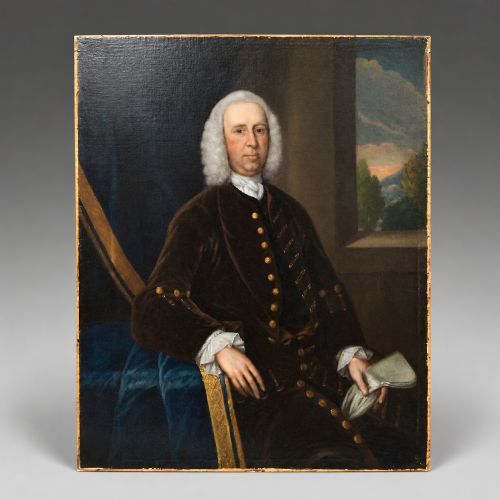
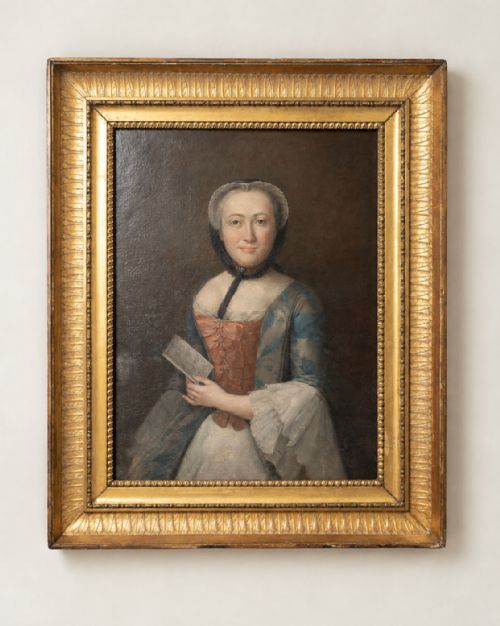
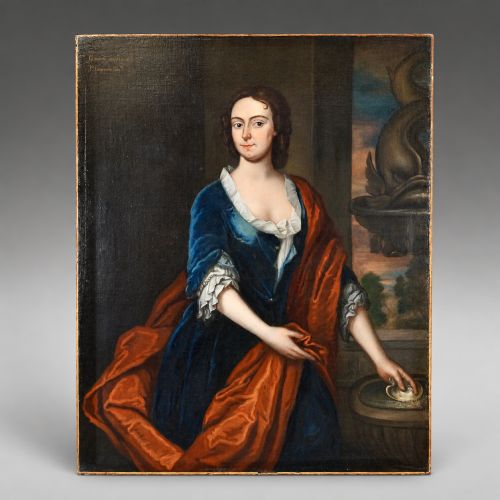
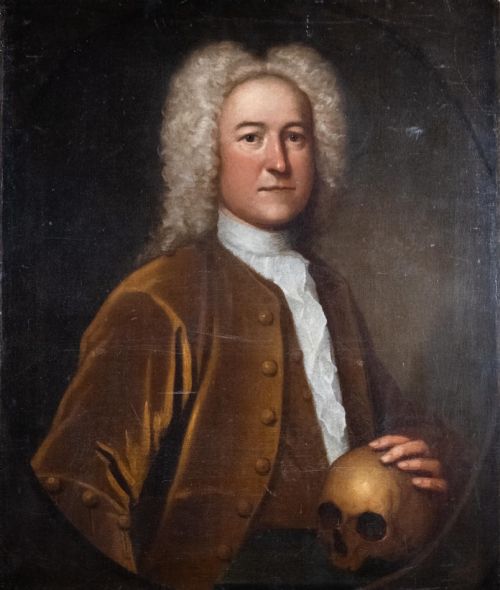
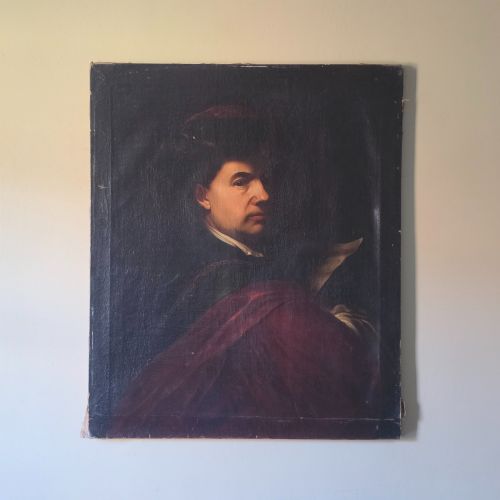
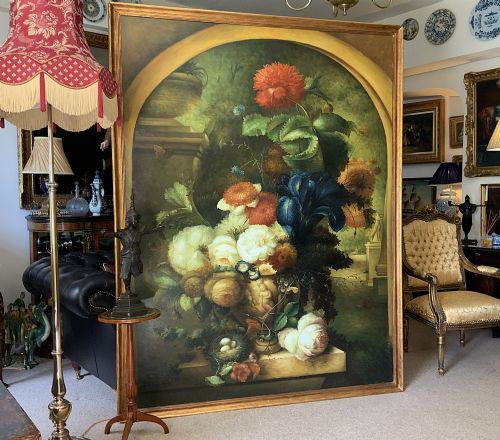
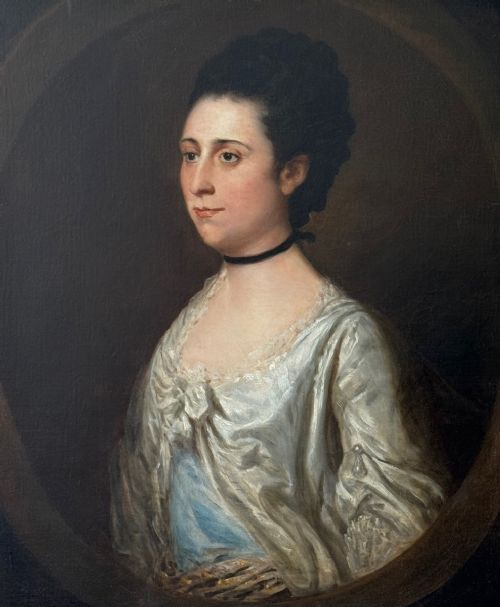
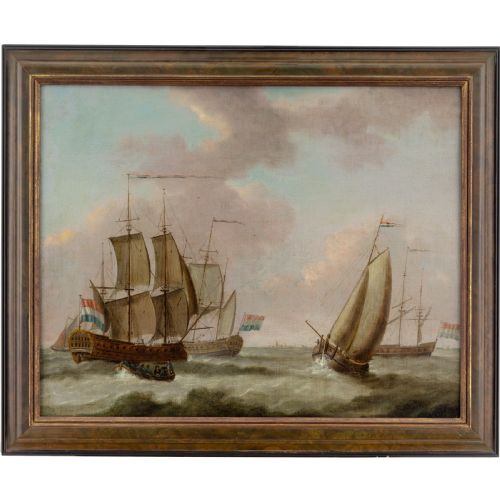
An 18th century canvas consists primarily of fine oil paintings on woven fabric supports, capturing portraits, landscapes, and classical subjects. Buyers seeking these works encounter numerous British, French, Dutch, and Italian school compositions from the period.
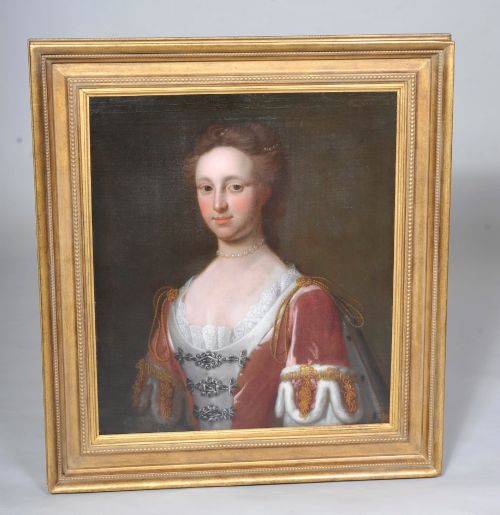
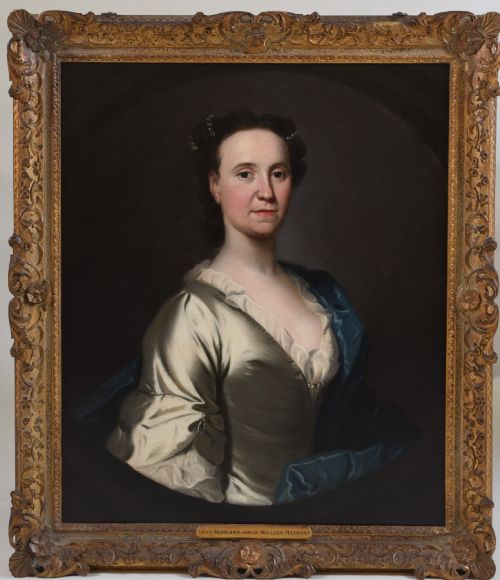
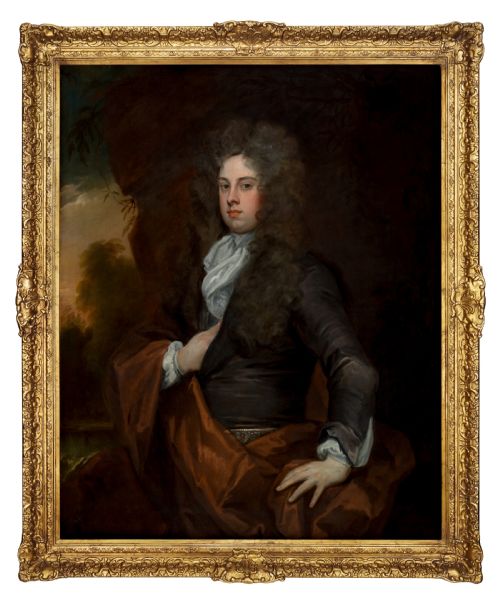
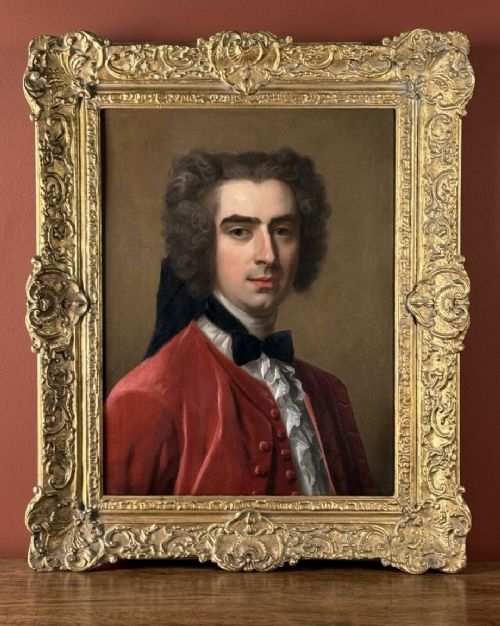
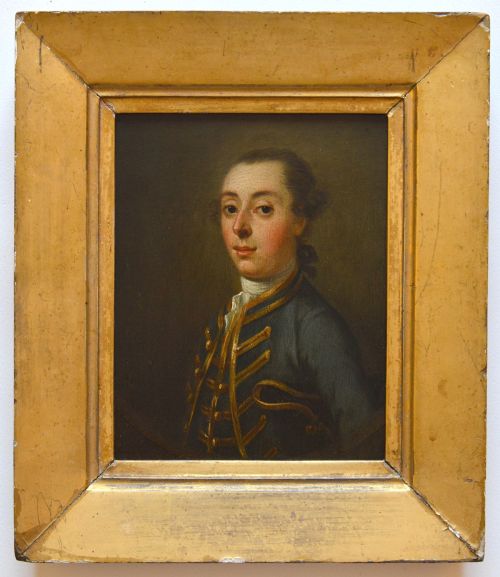
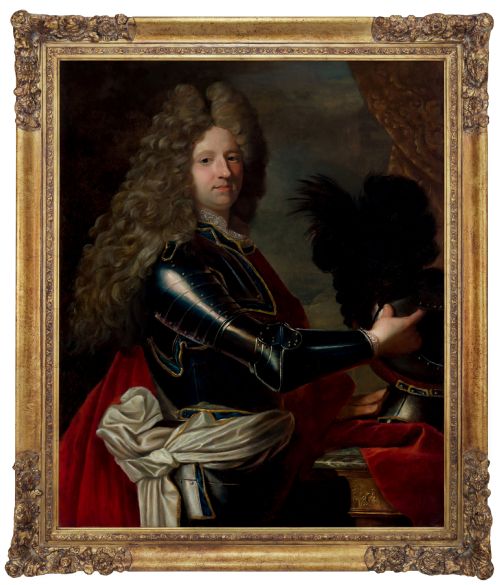
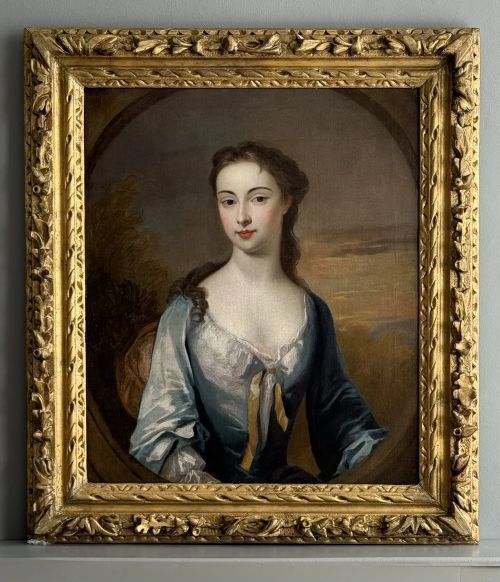
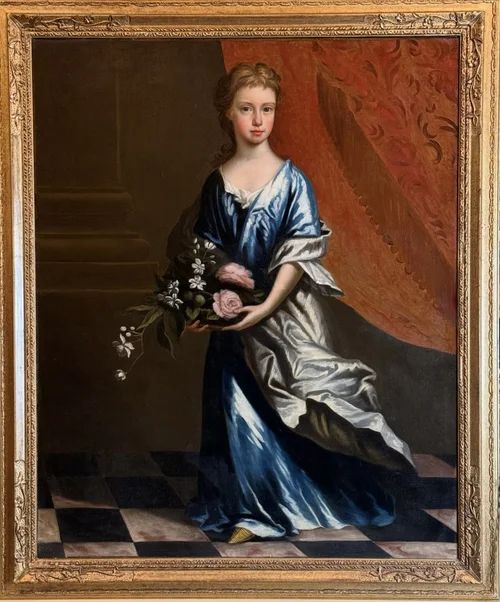
The selections span aristocratic portraits in formal attire, maritime scenes, and pastoral landscapes framed in period wood and giltwork. Most examples on this page reflect the portraiture traditions dominant during the Georgian and Baroque eras.
Materials and construction methods
Artists applied rich oil paint directly onto stretched woven canvas grounds, building up layered glazes and opaque pigments to create depth. These textiles were then secured to wooden stretcher frames and frequently housed within carved giltwood frames.
The physical structure relies on traditional preparation methods, including sizing the fabric base before pigment application to ensure longevity.
18th Century Canvas Retail Price Guide 2026
Typical asking prices for 18th century canvas among the pieces listed under this phrase on Sellingantiques today, from the lower quarter to the upper quarter. They describe what is for sale here now, not the wider market.
Listings feature oil paintings on canvas alongside carved giltwood frames dating across the Georgian, Regency, and Baroque eras.
Distinctions in quality and execution
Excellence in these works rests upon the precision of brushwork, anatomical accuracy in portraits, and the handling of light and fabric texture. Superior examples demonstrate a confident mastery of tone and proportion by established hands or skilled studio circles.
Condition of the pigment layer, stability of the underlying canvas, and the authenticity of the accompanying period frame also define the upper tier of available works.
Charles Jervas·Michael Dahl·Thomas Murray·Jacob Philipp Hackert·Hyacinthe Rigaud·Robert Byng·Trajan Hughes·Thomas Beach·Allan Ramsay·Benjamin Barker of Bath·Carlo Ferranti·Jeremiah Davison·Henry Pickering·William Beechey·Charles Antoine Coypel·Joshua Reynolds·Jean Baptiste Van Loo·George Willison·John Opie·Francois Boucher·Lemuel Francis Abbott·Stickland Lowry
The 18th Century Canvas Glossary
- Canvas
- A heavy woven fabric used as a support for oil paintings. It is typically stretched tightly over a wooden frame before pigment is applied.
- Giltwood
- Wood carved and covered with a thin layer of gold leaf or gold paint. This material is standard for period frames enclosing fine art.
- Old Master
- A term for a European painter of skill who worked before about eighteen hundred. These artists produced the foundational oil paintings found in historical collections.
- Circle of
- A designation indicating an artist worked in close association with a master painter. The style mirrors that specific master without necessarily being their direct autograph creation.
- Provenance
- The documented history of ownership for an artwork. It establishes authenticity and traces the lineage of the piece through time.
18th Century Canvas: Frequently Asked Questions
How do I care for an old oil painting?
Keep the canvas away from direct sunlight, moisture, and rapid temperature fluctuations to prevent the paint layer from cracking.
Dust the surface gently with a soft, dry brush and avoid using chemical cleaning agents or water on the fabric or frame.
What subjects are most common?
Portraiture dominates the selection, depicting gentlemen, ladies, officers, and nobles in period dress.
Landscapes, maritime views, and classical mythological scenes also appear frequently among the painted works.
How can I tell the period?
Examine the costume, wig style, and hair arrangement of any figures, which follow strict historical fashions of the seventeen hundreds.
Construction details of the stretcher frame and the type of weave in the canvas also offer clues to the age.
Where should I hang these artworks?
Position the painting on an interior wall with stable climate conditions, away from heating vents and fireplaces.
Ensure the hanging hardware is secured properly to support the combined weight of the canvas and its heavy giltwood frame.