




18k Yellow Gold Charm
When choosing an 18k yellow gold charm, you are acquiring a miniature work of wearable art forged from rich, enduring precious metal.
18k Yellow Gold Charm
An 18k yellow gold charm encompasses a diverse array of miniature pendants, religious medals, and decorative fobs originating primarily from French and Italian workshops. These pieces span the late nineteenth century through the Art Nouveau, Art Deco, and mid-century periods, capturing historical tastes in portable form.
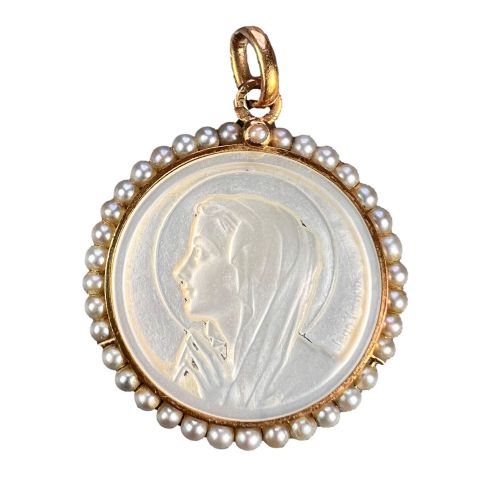
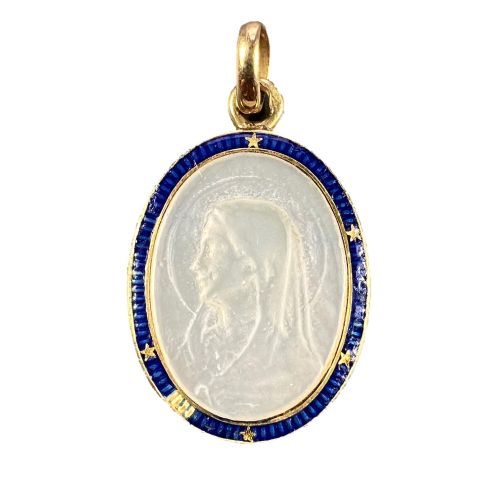
Collectors encounter pieces enriched with natural gemstones such as rubies, diamonds, sapphires, citrine, and amethyst, as well as organic materials like mother of pearl. Formats range from simple stamped discs to complex folding fobs, miniature lockets, and intricate crosses.
Materials and Techniques
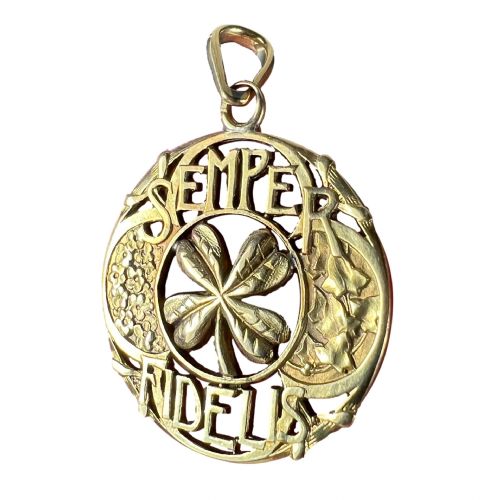
The foundation of these items is 18-carat yellow gold, occasionally supplemented by white gold or rose gold variations, offering a warm and lustrous metal base. Goldsmiths employed casting, stamping, and wirework techniques such as twisted wire frames and filigree to shape the precious metal.
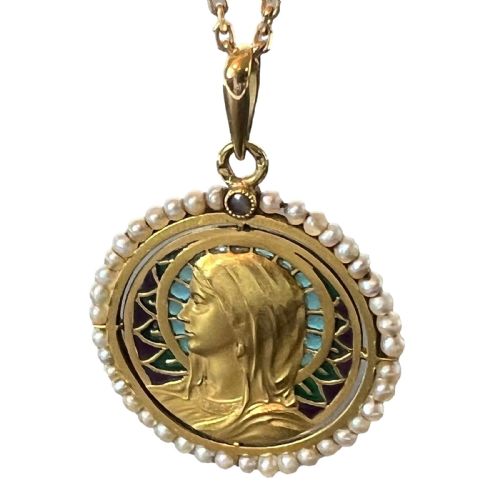
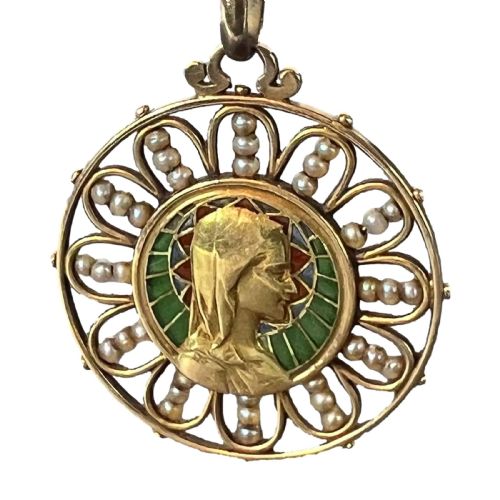
Enamelling techniques bring vivid colour to the metal surfaces, featuring traditional opaque enamels alongside translucent plique-a-jour methods that let light pass through the design. Artisans also integrated seed pearls, mother of pearl plates, and precision-cut gemstones into the gold settings.
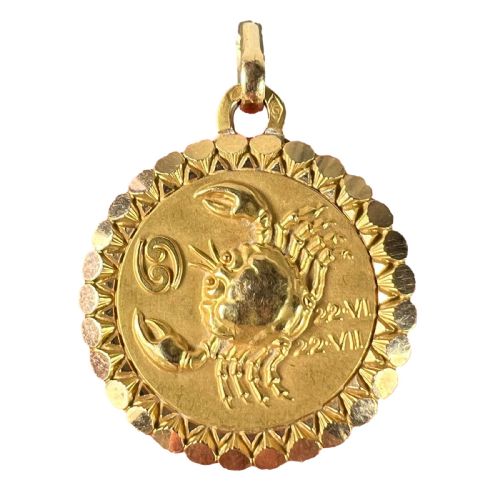
Many medals and figural pieces bear the signatures or punch marks of notable medallists and designers who pressed and sculpted the detailed relief portraits and scenes into the metal.
Distinctions in Quality
Quality rests significantly on the depth and crispness of the metal relief work, where master medallists achieved extraordinary anatomical detail and facial expression in miniature space. Superior items display sharp definition in every engraved feather, leaf, or facial feature without softness from worn dies.
The execution of decorative treatments like plique-a-jour or layered enamel distinguishes standard production from exceptional artistry, requiring precise firing and glass placement. The integration of high-grade gemstones, such as matched rubies or diamonds, further elevates the stature of a piece.
The weight, structural integrity of the gold loop, and presence of legible maker marks or assay stamps contribute to the historical and physical integrity of the item.
Emile Monier·Paul Brandt·Perroud·Mazzoni·Pageli Perriat·Dropsy·Guilbert·Vernon·Sellier·Rasumny·Ovide Yencesse·Tairac·Chiappe·Divisi·Raphael·Augis·Becker·Merrin·Tricard·Grun
The 18k Yellow Gold Charm Glossary
- Plique-a-jour
- Enamelling technique without a backing, creating a translucent, stained-glass effect where light shines through the coloured enamel cells. This delicate method requires great skill from the jeweller.
- Medal
- A flat or slightly convex piece of metal struck with a commemorative or devotional design, often worn suspended as a pendant. These frequently depict religious figures or zodiac signs.
- Fob
- A short chain or ornamental appendage attached to a pocket watch, which evolved into a decorative charm featuring seals, stones, or miniature compartments. They often incorporate swivel mechanisms.
- Seed pearl
- Very small, naturally occurring pearls often used in clusters or borders to accent gold jewellery during the nineteenth and early twentieth centuries. They provide a soft, luminous contrast to polished yellow gold.
- Witch's heart
- A stylised heart motif with a twisted tail, historically associated with romantic love and protection against evil spirits. In these pieces, they are frequently set with gemstones.
- Maltese cross
- An eight-pointed cross symbolising courage and loyalty, often rendered in enamel and gold. It appears frequently in military and decorative medals from the period.
18k Yellow Gold Charm: Frequently Asked Questions
How were antique charms worn?
Antique charms were traditionally suspended from link charm bracelets or delicate neck chains, moving as the wearer walked. Some designs were integrated into watch chains as functional fobs or seals.
They allowed Victorians and mid-century individuals to display their sentiments, faith, and hobbies close to the heart.
How do I identify the period of a charm?
Dating relies on stylistic clues such as the flowing organic lines of Art Nouveau or the geometric symmetry of Art Deco. Maker marks and tiny assay stamps struck into the gold also help pinpoint origin and era.
Religious iconography and specific gemstone cuts further align pieces with their manufacturing decades.
Can these charms be worn every day?
Eighteen-carat yellow gold provides a durable foundation for daily wear, though enamel and seed pearl components require mindful care. Removing the items during strenuous activities protects delicate details from impact.
Proper storage away from harder jewellery prevents surface scratches on the polished gold relief.