


18ct Yellow Gold Watch
An 18ct yellow gold watch is a precious timekeeper forged in high carat gold, offering a tangible link to Victorian precision and mid-century design.
18ct Yellow Gold Watch
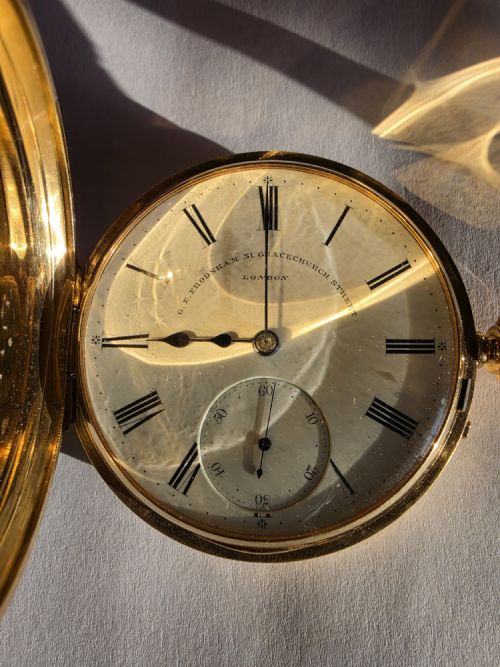
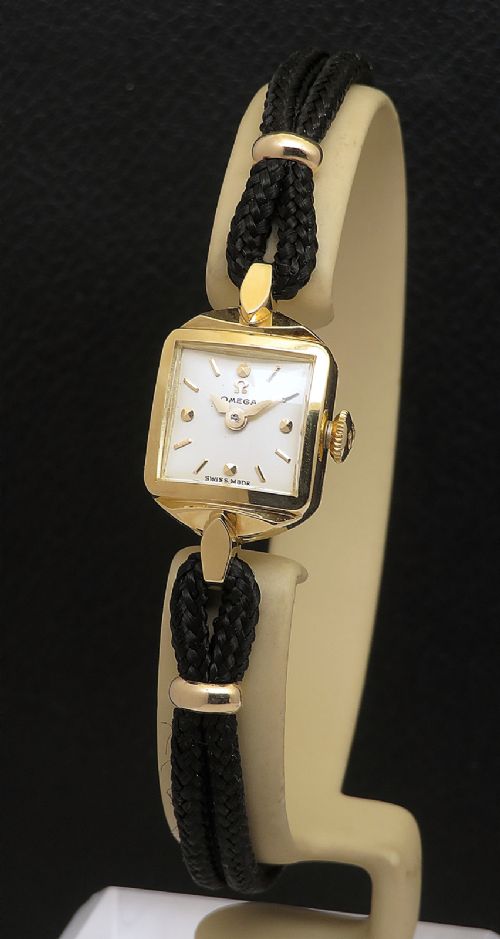
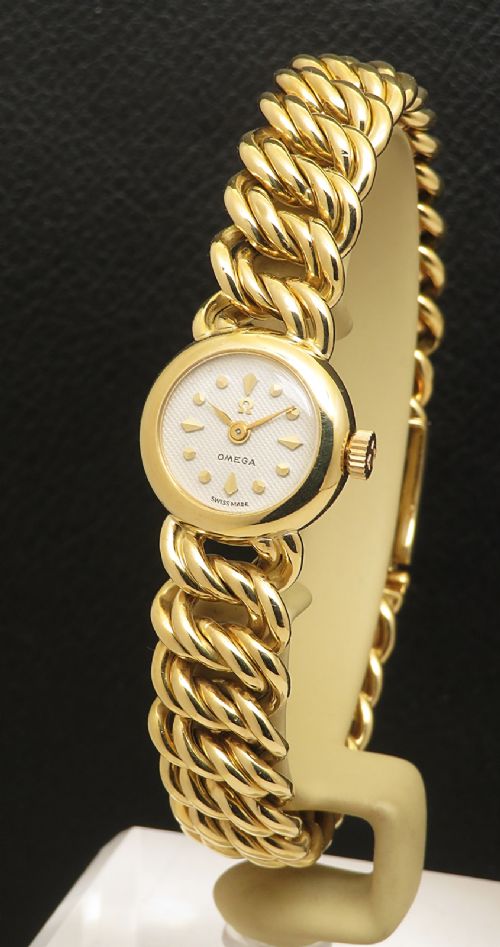
When you search for an 18ct yellow gold watch, you encounter a diverse array of timepieces and associated gold chains spanning the Victorian era through the mid-twentieth century. The selection encompasses pocket watches, delicate ladies' cocktail watches, and wristwatches, alongside substantial link chains and fob watches.
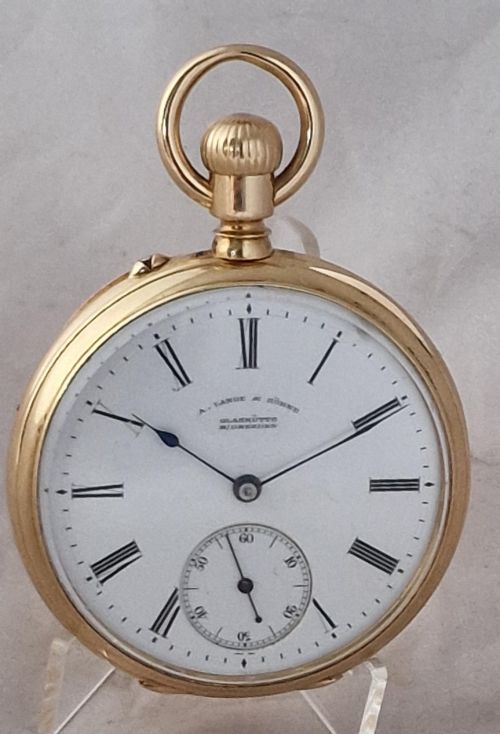
Pocket watches dominate the earlier periods, often featuring intricate floral engraving on the face and back or key-wind movements. Later examples shift toward wristwatch formats, including manual wind designs with salmon dials and branded pieces from makers such as Omega and Baume & Mercier.
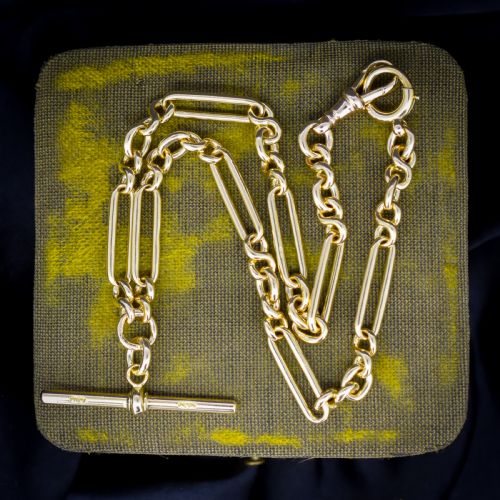
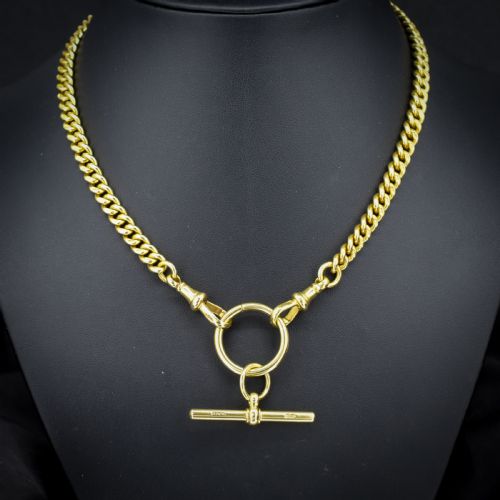
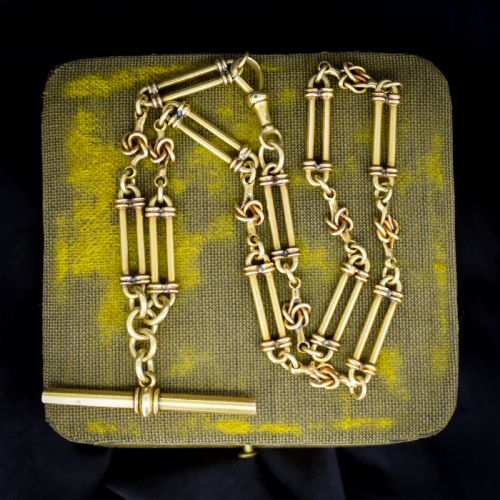
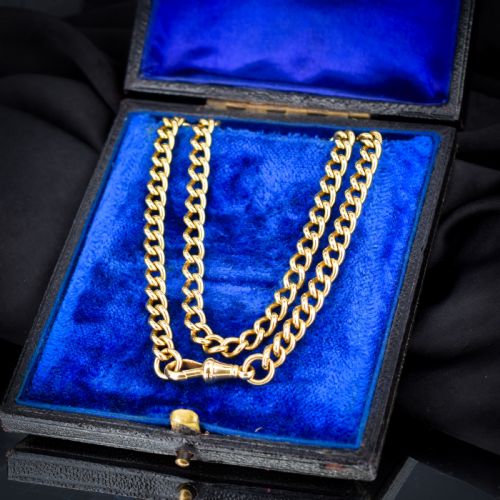
Alongside the timepieces themselves, the evidence includes various forms of watch chains, such as trombone, curb link, and longuard configurations, frequently fitted with dog clips or bolt rings. These pieces originate from British, French, and Swiss workshops, reflecting distinct regional styles across the nineteenth and twentieth centuries.
Materials and construction
The construction relies heavily on 18ct yellow gold, paired with functional components like glass crystals protecting dials and steel internal movements. Enamel often highlights dial markings or decorative elements, while leather and fabric appear in straps or associated components.
Manufacturing techniques range from hand-engraved floral motifs on pocket watch cases to specialised mechanical movements such as fusee verge mechanisms and manual wind calibres. Chains are constructed from linked gold segments, including trombone and curb patterns, assembled alongside secure clasps like dog clips.
Listings span from the 1840s through the 1960s, featuring both pocket timepieces and mid-century wristwatches in 18ct gold.
Distinctions in standard
Quality diverges notably in the intricacy of the metalwork, distinguishing simply housed movements from deeply hand-engraved cases featuring detailed floral patterns or specialised dial treatments. The presence of original fitted boxes, papers, or documented provenance elevates specific pieces above standard examples.
The sophistication of the internal movement also sets items apart, moving from basic key-wind mechanisms to highly refined Swiss mechanical calibres by established makers. Additionally, the weight and complexity of associated watch chains, such as multi-part curb and trombone links, reflect the original investment in materials.
George Edward Frodsham·Omega·Lange & Sohne·Negretti & Zambra·J W Benson·Baume & Mercier·J Lyndsey·Patek Philippe·Tavannes
The 18ct Yellow Gold Watch Glossary
- Full Hunter
- A pocket watch featuring a solid metal outer cover hinged to protect the glass dial face. This cover is frequently engraved with floral or geometric designs.
- Open Faced
- A pocket watch design lacking a protective front cover, allowing the dial and hands to be viewed instantly. These often showcase elaborate decorative dials.
- Fusee
- A conical pulley mechanism used in older watches to equalize the diminishing power of the mainspring as it unwinds. This ensures more accurate timekeeping throughout the power reserve.
- Albert Chain
- A short or long watch chain attached to a waistcoat or garment, named after Prince Albert. They incorporate various link styles like curb or trombone.
- Dog Clip
- A spring-loaded snap hook attached to watch chains and necklaces to secure fobs or pocket watches. It provides a reliable fastening method utilising internal tension.
18ct Yellow Gold Watch: Frequently Asked Questions
What is a half hunter pocket watch?
A half hunter pocket watch incorporates a protective outer metal case fitted with a small glass-inset aperture in the centre. This allows the wearer to read the hands without opening the front cover.
The design balances the security of a full hunter with the immediate readability of an open-faced timepiece. These covers frequently display enamel chapter rings denoting the hours around the central viewing window.
How do key wind watches operate?
Key wind watches require a separate small key inserted into a square arbor on the back plate or dial to tension the mainspring and set the hands. This predates the widespread adoption of stem-winding crown mechanisms.
Operating these pieces demands care to avoid over-winding the delicate internal gearing. The key itself is often carried on an associated watch chain or fob.
What distinguishes an Albert chain?
An Albert chain is a specific style of heavy watch chain historically secured through a buttonhole on a waistcoat and attached to a pocket watch. They incorporate substantial links such as curb or trombone patterns.
Many surviving chains are now worn as necklaces due to their length and decorative appeal. They frequently retain original dog clips and T-bars used for fastening.
How do I identify a manual wind wristwatch?
A manual wind wristwatch relies on the wearer regularly turning the crown by hand to tension the mainspring, rather than utilising an automatic rotor weighted by wrist movement. These watches are typically slimmer because they lack rotor assemblies.
Examining the dial or movement markings usually confirms the manual wind specification. Collectors appreciate them for their direct mechanical connection and classic proportions.