


18ct Gold Gemstone Pendant
An 18ct gold gemstone pendant brings together high-carat gold and coloured stones in a hanging neck ornament made to catch the light.
18ct Gold Gemstone Pendant
When you search for an 18ct gold gemstone pendant, you encounter pieces that span from the Victorian and Edwardian eras through Art Deco and mid-century designs. These neck ornaments take the form of drops, lockets, lavalieres, and cluster pendants mounted on chains or worn as brooches.
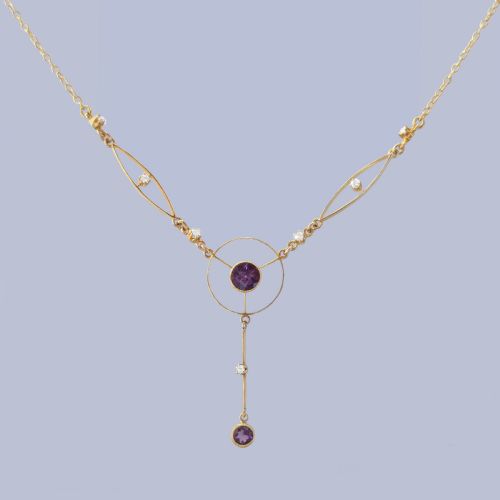
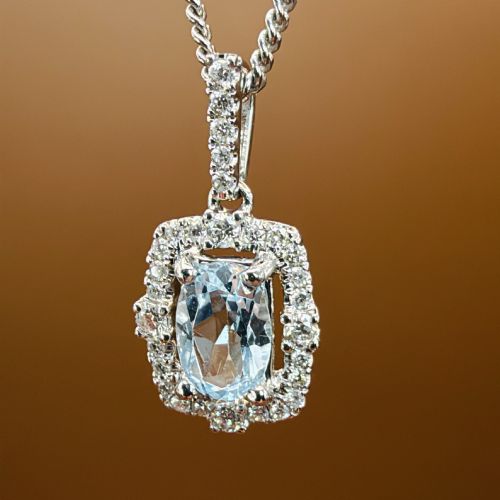
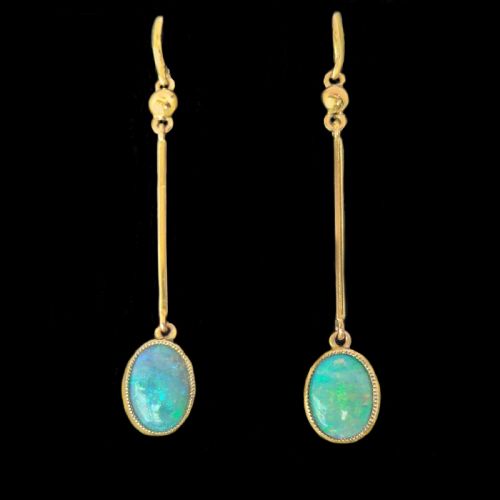
The versions you meet most frequently on this page combine yellow or white 18ct gold with amethysts, aquamarines, opals, and diamonds. They range from delicate early twentieth-century negligé necklaces to substantial mid-century gemstone drops.
How they were made
Maker's hands shaped these pieces using 18ct yellow and white gold alongside platinum settings to secure a variety of gemstones. Stones such as amethysts, aquamarines, opals, garnets, tourmalines, and rubies were paired with old-cut diamonds and seed pearls.
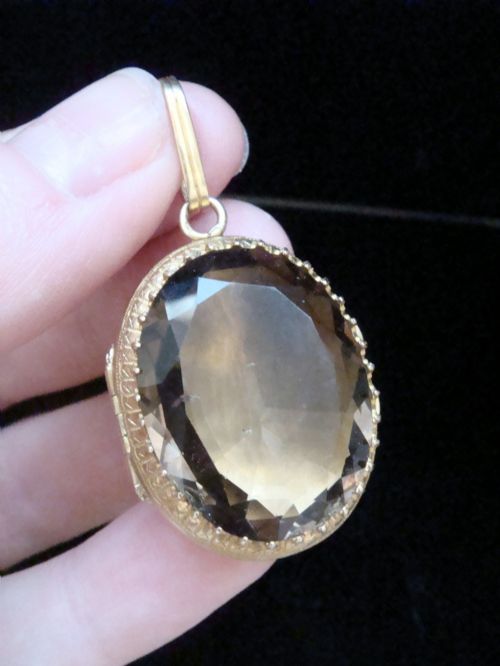
Craftsmen employed techniques ranging from delicate filigree wirework in Edwardian lavalieres to solid bezel and cluster mountings in Victorian and Art Deco designs. Coloured stones were frequently cut as cabochons, ovals, or large faceted drops to maximise their visual weight.
Listings feature 18ct gold gemstone pendants across eight distinct periods from the early Victorian era through the late twentieth century.
What varies in quality
The distinction between pieces rests on the weight and purity of the stones set into the 18ct gold mount. Exceptional examples feature large, clean aquamarines, fire opals, or deeply coloured amethysts accompanied by well-matched old-cut diamonds.
Construction methods also separate the ranges, where fine millegrain detailing, substantial gold weight, and integrated platinum work indicate superior workshop standards.
Carl Bucherer
The 18ct Gold Gemstone Pendant Glossary
- Lavalier
- A pendant featuring a main drop suspended below a shorter neck chain section, popular during the Edwardian period. These pieces often incorporate swinging stones that move with the wearer.
- Cluster
- An arrangement of smaller stones gathered tightly around a larger central gemstone. This technique maximises the collective sparkle and colour impact of the piece.
- Cabochon
- A gemstone shaped and polished with a smooth, rounded convex surface rather than faceted. This cut is typical for opals, moonstones, and certain sapphires to display their internal sheen.
- Millegrain
- A decorative jewellery technique involving a row of tiny raised metal beads along the edges of a setting. It creates a soft texture often seen in Edwardian and Art Deco mounts.
- Negligé necklace
- A style featuring two unequal drops suspended from a central link or ribbon motif. Originating in the Edwardian era, it offers a light, asymmetrical appearance.
18ct Gold Gemstone Pendant: Frequently Asked Questions
What periods do these pendants come from?
The pieces span from the Victorian and Edwardian eras through the Art Deco period and into mid-century modern designs. Each era brings distinct stylistic preferences in gold colour and stone arrangement.
Victorian and Edwardian items often feature amethysts, garnets, and seed pearls in ornate frames, while later twentieth-century examples lean towards clean lines with aquamarines and opals.
How do I care for 18ct gold gemstone pendants?
Maintenance depends on the specific stones mounted in the 18ct gold, as softer gems like opals and pearls require gentle cleaning without harsh chemicals. Store them individually to prevent harder stones like diamonds from scratching the gold or softer gems.
Regular checks by a jeweller ensure the claws holding heavier stones remain secure against daily wear.
Are these pendants marked with hallmarks?
Many pieces carry standard hallmarks indicating 18ct gold purity, though older items from the nineteenth century may feature partial marks or rely on acid testing. Stamps can sometimes denote maker marks or country of origin.
Examining the metal closely with a loupe often reveals these stamps on the jump rings, bale, or reverse of the setting.
Can these pendants be worn every day?
Daily wear is suitable for sturdier 18ct gold settings housing durable gemstones like diamonds, sapphires, and tourmalines. Pendants with delicate stones such as opals or pearls need more careful handling to avoid impact.
Removing the necklace before sleeping or strenuous activity protects both the chain and the stone mountings from strain.