



1890s Victorian Jewellery
These 1890s Victorian jewellery pieces bring together rich gold work and fine gemstones from the close of the nineteenth century.
1890s Victorian Jewellery
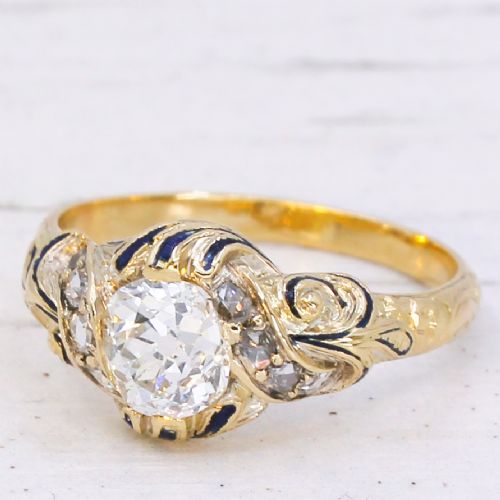
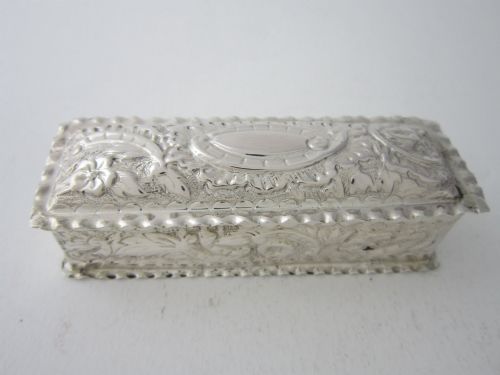
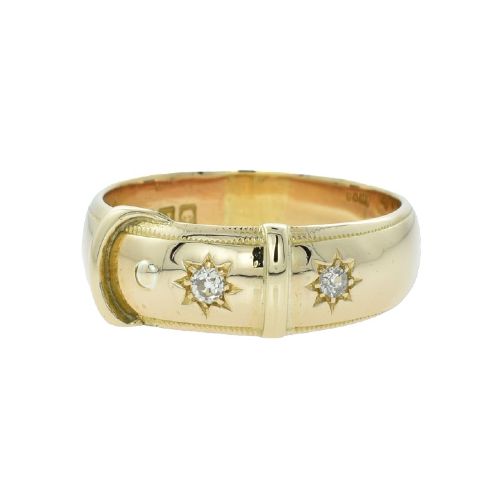
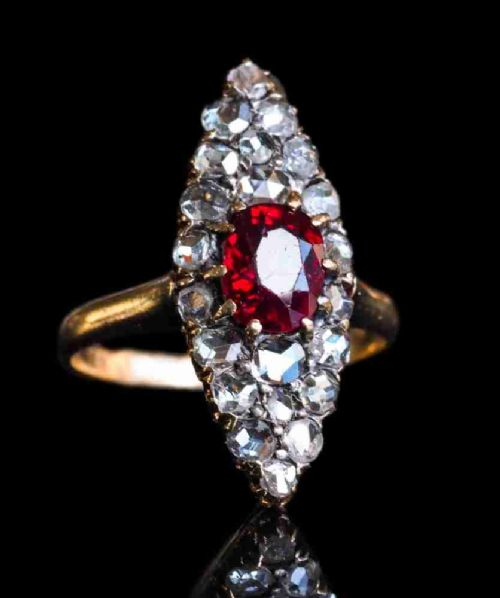
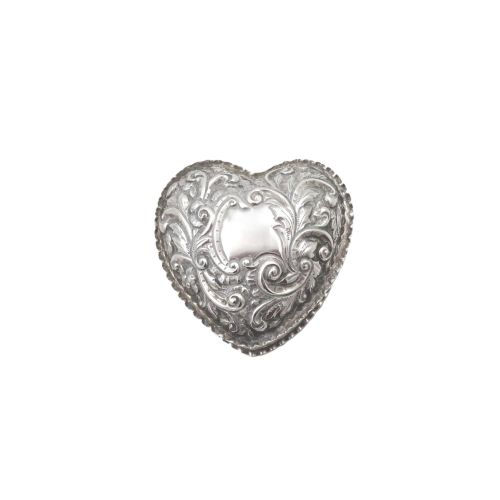
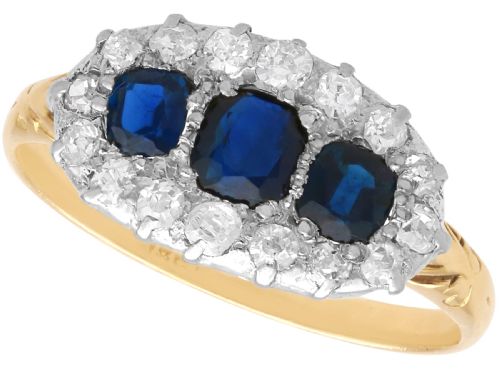
When you examine 1890s Victorian jewellery, you find a range of personal ornaments spanning rings, brooches, necklaces, and watch chains created during the final decade of the nineteenth century. These objects include diamond solitaire and trilogy rings, gemstone cluster designs, and silver trinket boxes.
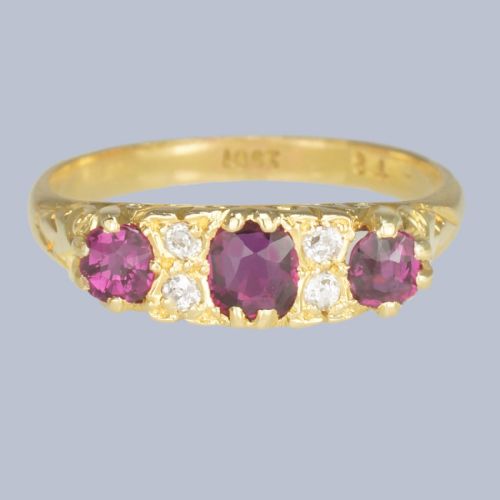
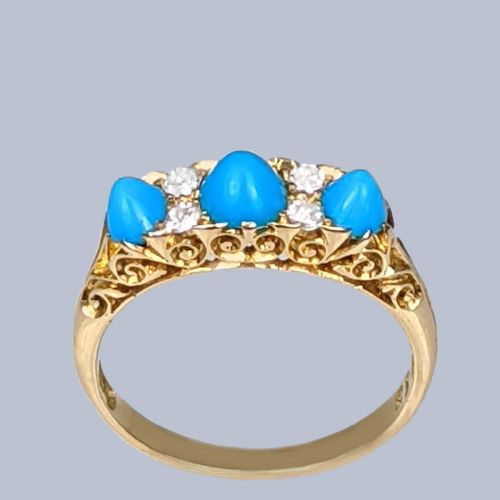
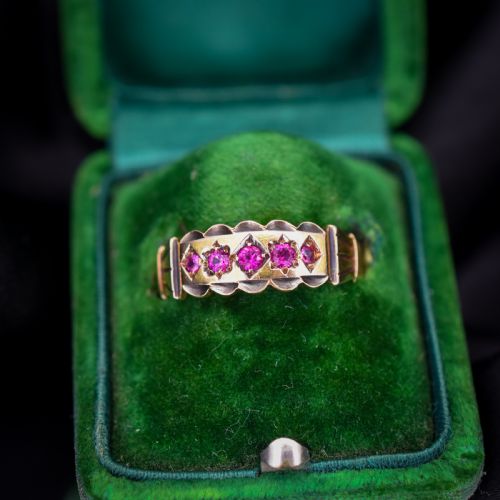
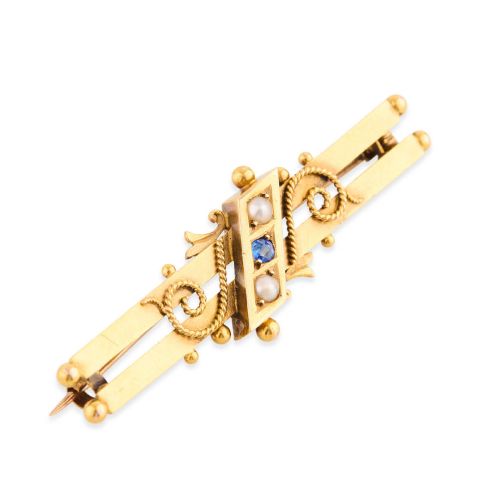
The versions you meet most often on this page are rings and brooches set in yellow gold or silver, frequently combining diamonds with rubies, sapphires, pearls, or opals. Pieces from this period also capture the transition toward early Art Nouveau forms alongside traditional Victorian styles.
How they were made
Maker's workshops built these items primarily in 18ct gold, 15ct gold, and sterling silver, shaping metal into intricate settings for old-cut diamonds and coloured gemstones. Jewellers combined yellow gold with silver top mounts on specific pieces to enhance the brilliance of diamond clusters.
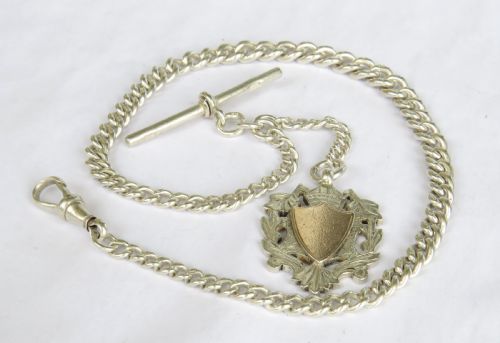
Craftsmen utilised techniques such as claw and bezel settings, alongside delicate seed pearl work and hand-engraved patterns on watch chains and trinket boxes. The construction reflects period standards of hand assembly and gem setting from the eighteen-nineties.
Several pieces incorporate secret heart motifs and dog clips, proving that Victorian practical items like watch chains still required a romantic touch.
What varies in quality
The standard of these pieces depends upon the weight and clarity of the central gemstones, particularly old-cut diamonds, unheated rubies, and opals. Heavier gold content in 18ct or 15ct mountings separates more substantial items from lighter 9ct or lower-carat variations.
Execution of detail in the metalwork, from hand-patterned bands to secure claw settings and well-preserved silver hallmark stamps, determines the overall calibre of each surviving piece.
The 1890s Victorian Jewellery Glossary
- Old Cut Diamond
- A diamond faceted by hand with a small table, high crown, and open culet, typical of late nineteenth-century cutting styles. These stones show softer light dispersion under candlelight.
- Trilogy Ring
- A ring set with three stones side by side, often symbolising past, present, and future in Victorian design. They frequently pair a central diamond with flanking rubies or sapphires.
- Navette Ring
- A ring featuring a pointed, boat-shaped silhouette that extends along the finger. This elongated outline maximises the visual presence of clustered diamonds and coloured gems.
- Albert Chain
- A pocket watch chain designed to be secured through a waistcoat buttonhole using a T-bar. Examples from this era include sterling silver trombone links and dog clips.
- Seed Pearl
- A very small, naturally formed pearl used in clusters or floral motifs. Jewellers threaded or set them delicately into gold brooch and pendant frames during the period.
1890s Victorian Jewellery: Frequently Asked Questions
Were these items worn daily?
Many rings, brooches, and watch chains served as daily personal adornments for the Victorians. Sturdy gold and silver construction allowed watch chains and band rings to withstand regular use.
More delicate pieces featuring seed pearls or softer opals required greater care from their original owners.
What gold purities appear here?
The selection includes items rendered in 18ct gold, 15ct gold, 12ct gold, 9ct gold, and sterling silver. The fifteen-carat standard is particularly characteristic of nineteenth-century British jewellery production before its official withdrawal.
Silver also appears frequently in pocket watch chains and decorative trinket boxes from the same years.
How should I store my jewellery?
Keep individual pieces separated in lined boxes to prevent softer gemstones like opals and pearls from scratching against diamonds and gold mounts. Store items away from direct sunlight and excessive moisture to protect the metal and stones.
Silver trinket boxes listed in this collection offer period-appropriate storage for smaller accessories.