


1880s Sterling Silver
These pieces of 1880s sterling silver bring late Victorian craftsmanship to the table, offering both decorative charm and functional history that collectors prize.
1880s Sterling Silver
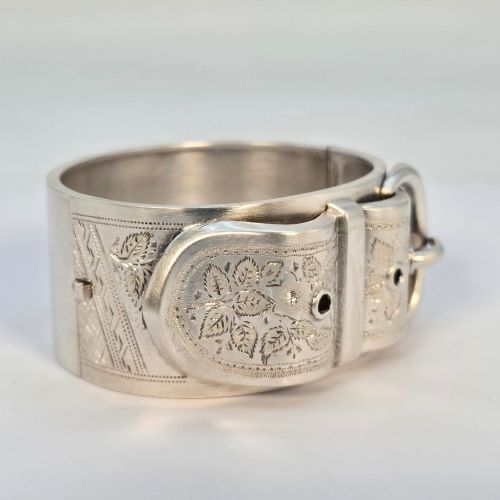
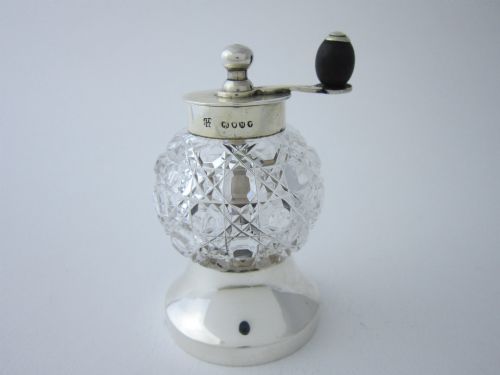
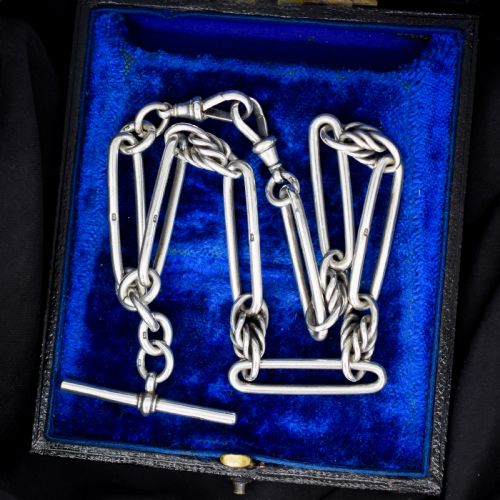
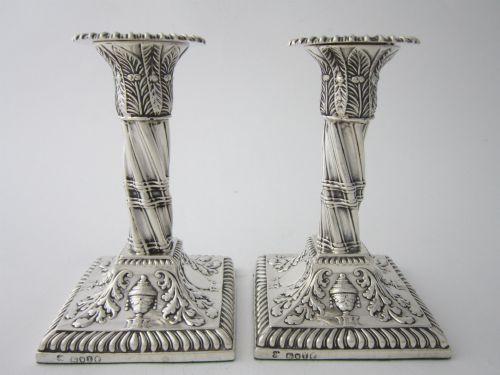
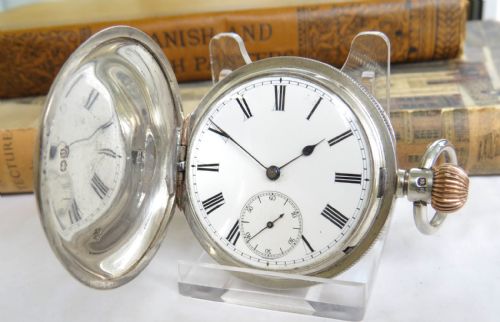
When you search for 1880s sterling silver, you encounter a distinct group of late Victorian objects spanning utility and ornamentation. The selection includes items such as vesta cases, pepper mills, watch chains, candlesticks, and pocket watches.
Most pieces date strictly within the 1880 decade, often bearing specific year marks from this nineteenth century period. You will frequently find smaller domestic articles and personal accessories rather than large dining services.
The assortment extends to novelty items like dog head vesta cases, novelty inkwells, and salt cellars with animal motifs. These varied forms reflect the high Victorian appetite for both decorative novelty and practical daily items.
How they were made
Silversmiths of this era utilised solid sterling silver alongside secondary materials such as enamel, leather, glass, cut glass, velvet, wood, and stoneware. Combinations like silver mounted Doulton Lambeth stoneware or glass pepper grinders demonstrate the mixed media approach of the workshop.
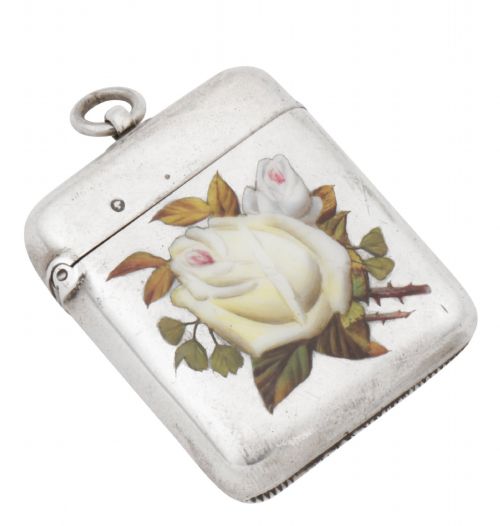
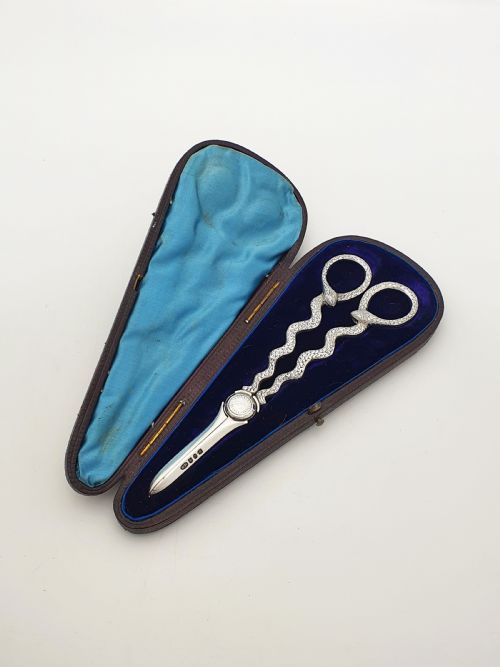
Techniques involved precision casting, hand engraving, and detailed enamel painting, visible in pieces like the painted enamel rose vesta case and the jockey vesta case. Skilled artisans also incorporated mechanical elements for pepper mills, watch chains, and grape scissors with snake handles.
Listings for 1880s sterling silver combine traditional Victorian tableware with novelty pocket accessories incorporating enamel, glass, and stoneware.
What varies in quality
The distinction between standard production and superior craftsmanship lies in the complexity of the design and the precision of the detailing. Novelty forms and hand painted enamel work generally represent a higher degree of artisan effort than plain utility pieces.
Condition and completeness also drive the assessment, particularly where fragile elements like cut glass, enamel, or original fitted cases are involved. The integration of secondary materials such as crocodile skin or specialised ceramic bodies adds to the distinction of the work.
William Neale·Thomas Johnson·Gorham
The 1880s Sterling Silver Glossary
- Sterling Silver
- A standard alloy consisting of ninety-two point five percent silver and seven point five percent other metals, usually copper. This composition provides the durability required for domestic objects and personal accessories.
- Vesta Case
- A small pocket container designed to hold matches, typically fitted with a striking surface on the base. Victorian examples often feature elaborate engravings, enamel portraits, or novelty shapes.
- Full Hunter Pocket Watch
- A pocket watch featuring a spring-loaded metal cover that protects the glass dial. This style was widely carried by gentlemen during the nineteenth century.
- Hallmark
- An official mark stamped onto precious metal items to guarantee the purity, origin, and year of manufacture. British pieces from this decade carry standard assay office symbols and date letters.
- Sarcophagus
- A box form with a sloping lid, named after ancient stone tombs. In nineteenth century metalwork, this architectural shape was adapted for small desk containers and vesta cases.
1880s Sterling Silver: Frequently Asked Questions
How do I date these silver items?
You date these pieces by examining the hallmarks stamped directly into the metal, which indicate the assay office and the specific year of production.
Additional dating clues come from the Victorian styles, maker marks, and the specific material combinations typical of the decade.
Were these silver pieces used daily?
Many items, such as watch chains, pocket watches, and vesta cases, were carried and used constantly as personal accessories.
Other objects like pepper grinders, salt cellars, and inkwells served functional roles in Victorian dining rooms and studies.
How should I clean antique silver?
Clean antique silver gently with a specialist microfibre cloth and mild silver polish only when tarnish becomes heavy. Avoid harsh abrasive cleaners that can wear away hand engraving or damage delicate enamel work.
What styles define the 1880s?
The period draws heavily on Victorian classical revival and Egyptian revival themes alongside whimsical animal novelty designs. Makers often combined traditional forms with contemporary artistic movements of the late nineteenth century.