



1800s Painting
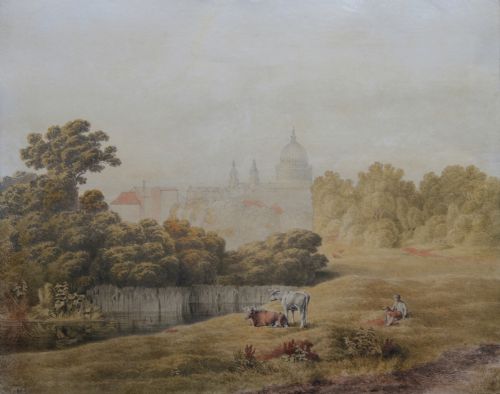
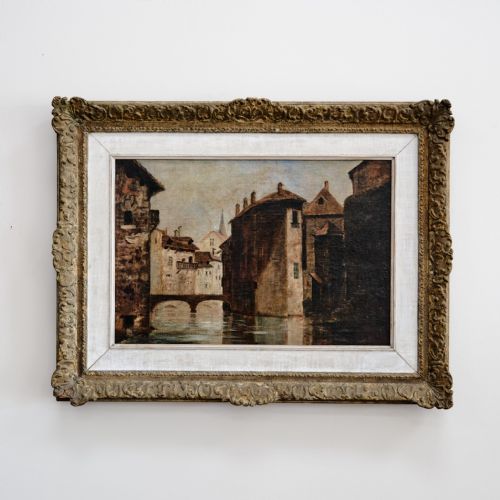
These 1800s painting works capture portraits, landscapes, and architectural views across watercolour, oil, and glass from the nineteenth century.
1800s Painting
An 1800s painting encompasses a wide variety of works created during the nineteenth century, including watercolour views, portraits, and oils on canvas. The pieces available here range from topographical cityscapes and detailed miniature portraits to historical depictions of figures such as railway kings.
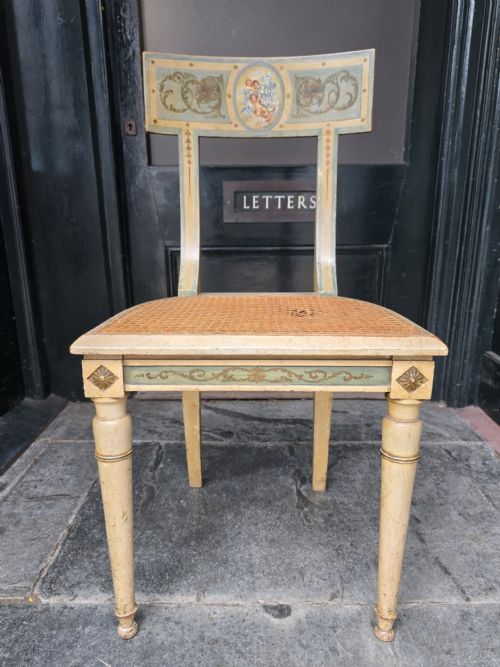
Buyers will encounter specific formats like oil on canvas, watercolour on paper, and paintings on glass originating from Georgian, Regency, and Victorian periods. Alongside traditional wall art, the selection includes decorative painted objects and furniture that incorporate artistic painted elements from the same era.
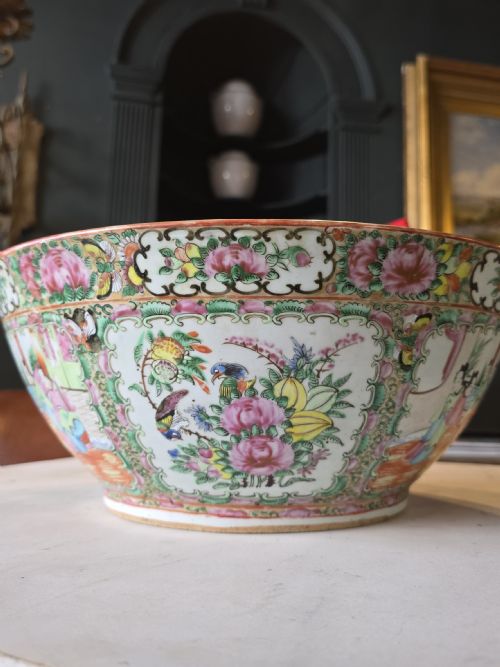
The origins of these works span British, French, Italian, and Chinese Export traditions, reflecting diverse cultural aesthetics of the 1800s. From delicate miniature portraits of ladies to sweeping landscapes featuring castles and mountains, each piece provides a distinct visual record of the period.
Distinctions in quality
The skill of the brushwork and the precision of proportion distinguish finer portraits and landscapes from simpler folk or decorative works. Superior pieces exhibit careful handling of light, shadow, and facial expression by documented artists rather than anonymous hands.
The preservation of the original paint layer, canvas integrity, and paper condition heavily influence the standing of an artwork. Works retaining their initial framing, uncompromised pigment, and clear attribution command greater attention from collectors.
1800s Painting Retail Price Guide 2026
Typical asking prices for 1800s painting among the pieces listed under this phrase on Sellingantiques today, from the lower quarter to the upper quarter. They describe what is for sale here now, not the wider market.
Listings feature works spanning the Georgian, Regency, and Victorian eras, utilising oil paint, watercolour, glass, and canvas.
Joseph Clover·Henry Bright·N Millett
The 1800s Painting Glossary
- Oil on canvas
- Pigment mixed with drying oil applied to a woven fabric stretched across a wooden frame. This medium allowed artists to build rich textures and deep tones throughout the nineteenth century.
- Watercolour
- Fine pigment suspended in a water-soluble binder, traditionally painted on paper. It creates luminous, translucent washes often utilised for topographical views and portraits.
- Painting on glass
- An artwork executed directly onto the reverse or surface of a glass panel. This technique requires the artist to paint fine details first before adding background layers.
- Miniature
- A highly detailed, small-scale painting, frequently a portrait executed on ivory, paper, or vellum. These portable works required immense precision and magnifying lenses to create.
- Gesso
- A paint mixture consisting of a neutral binder mixed with chalk, gypsum, or pigment. It served as a smooth preparation base for wooden panels and frames.
1800s Painting: Frequently Asked Questions
How do I identify an authentic 1800s painting?
Examine the materials, pigments, and backing supports used in the construction, as nineteenth-century canvases, papers, and wooden stretchers display distinct ageing characteristics.
Signatures, dates, and inscriptions written verso often provide direct attribution to artists or sitters from the period.
What subjects are common in nineteenth-century art?
Portraiture of prominent local figures, family members, and ladies remains widespread, alongside topographical landscapes depicting castles, rivers, and city views.
Scenes range from British architectural studies to French school compositions and Chinese export works created for international markets.
How should I care for an antique painting?
Keep artworks away from direct sunlight and dramatic fluctuations in humidity and temperature to protect fragile watercolours, oils, and painted wood surfaces.
Avoid using liquid cleaners on the paint layer and consult a professional conservator for cleaning or frame restoration.
Are all 1800s paintings signed by the artist?
Many works from this era remain unsigned or attributed only to a specific school, as commercial portraiture and topographical watercolours were frequently produced anonymously.
Signed pieces or those identified through inscriptions offer clearer provenance regarding their creator and the sitter.