




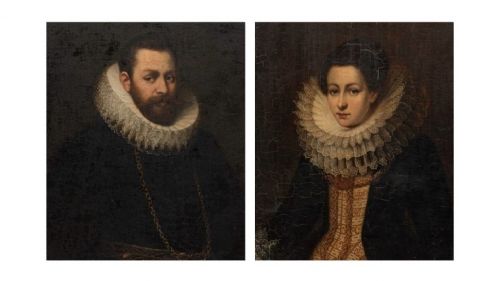
17th Century Style Portrait
A 17th century style portrait captures the solemn dignity and rich attire of the early modern period through classical oil painting techniques.
17th Century Style Portrait
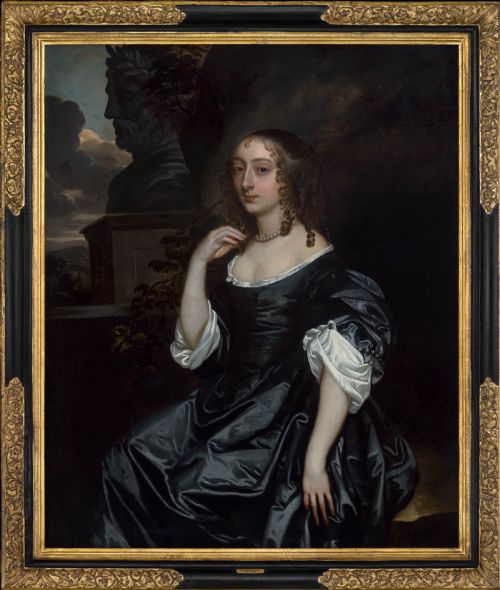
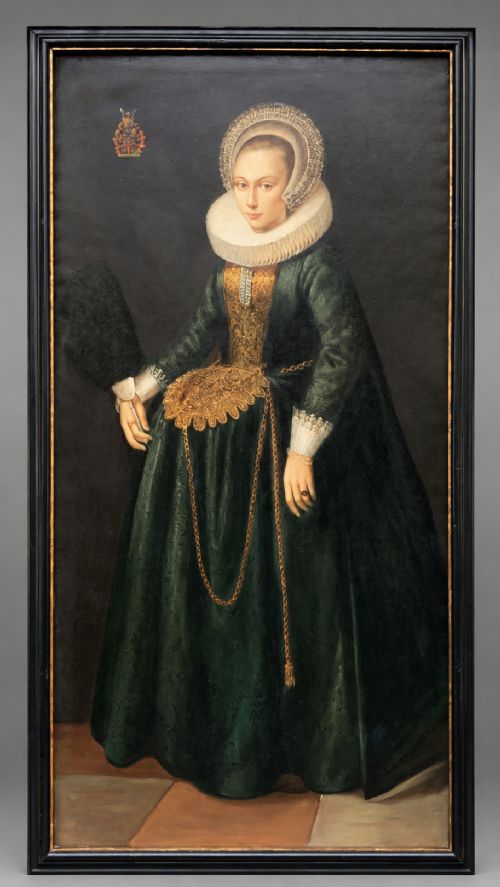
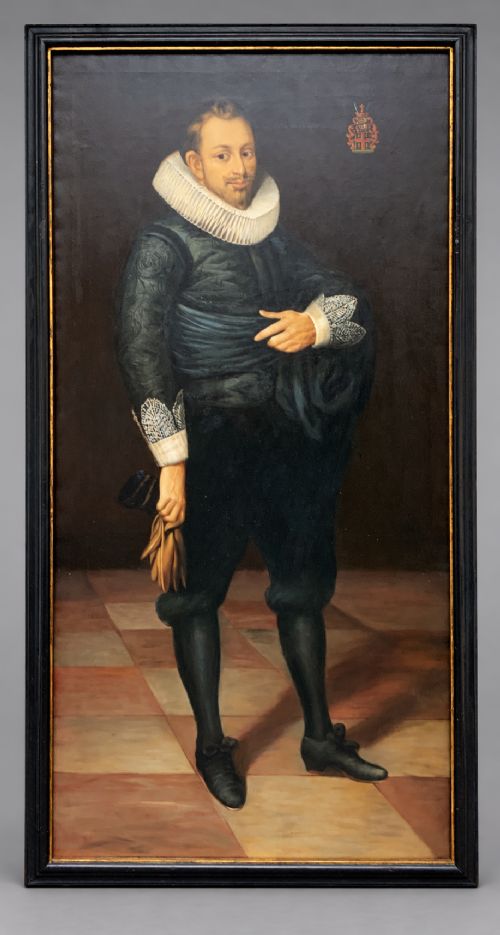
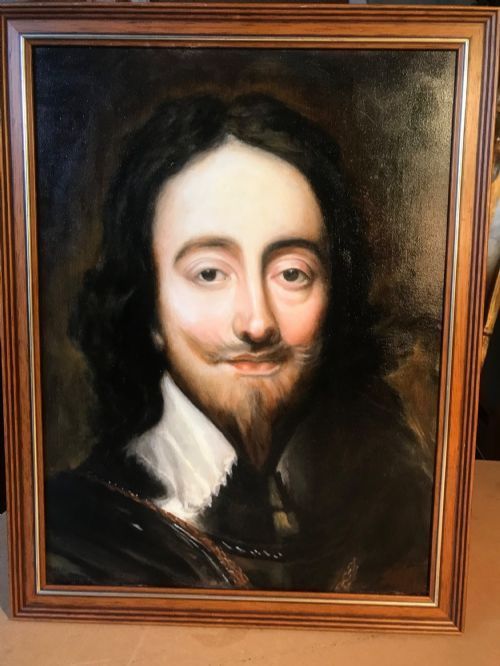
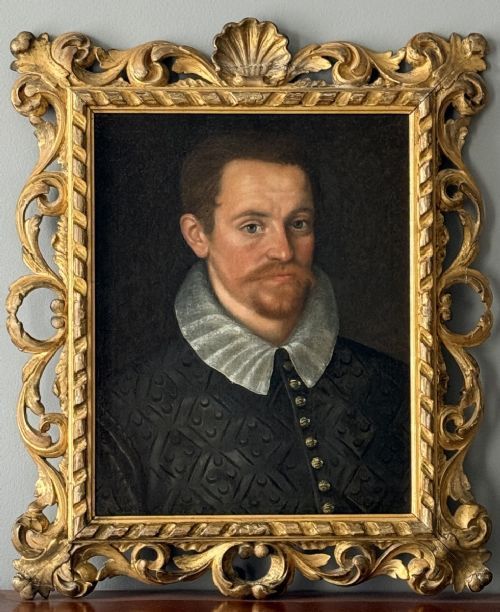
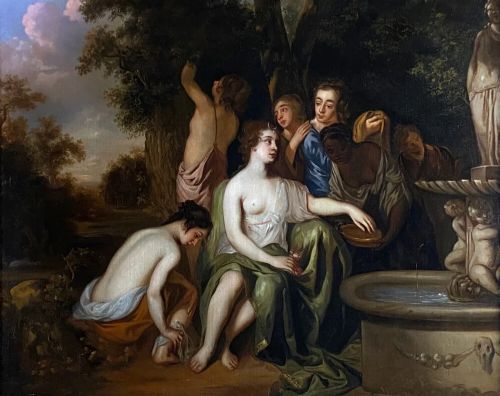
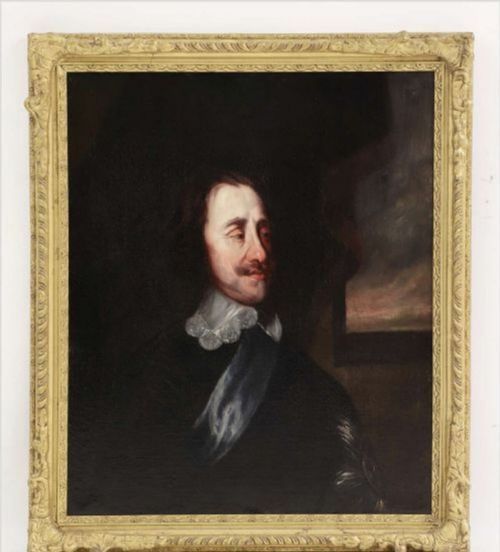
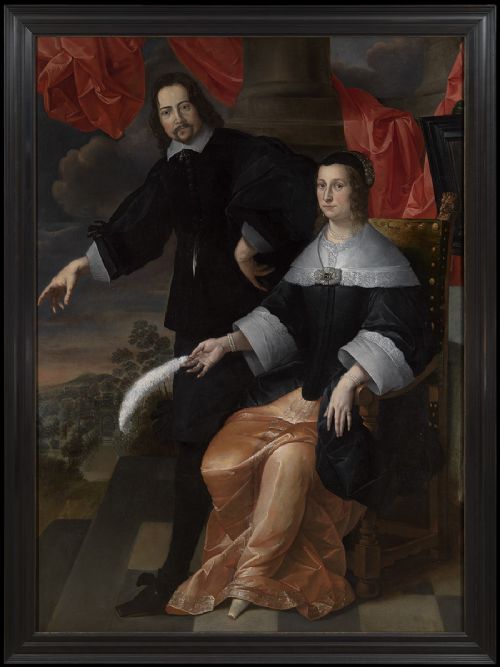
A 17th century style portrait typically depicts aristocrats, nobility, or officials rendered in oil on canvas or wood panel. These works range from authentic period pieces created during the 1600s to later revival interpretations produced across the 19th and 20th centuries.
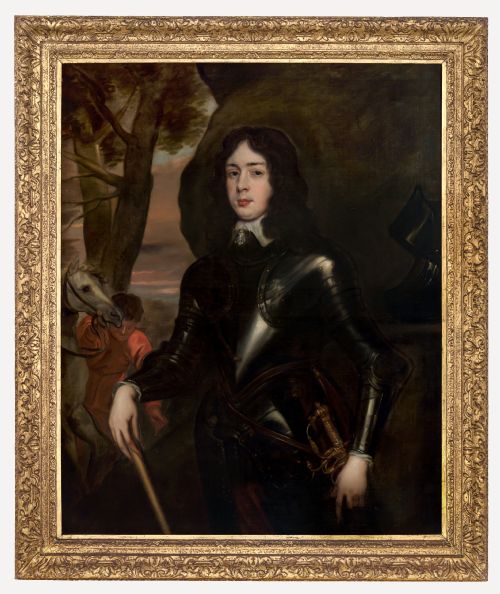
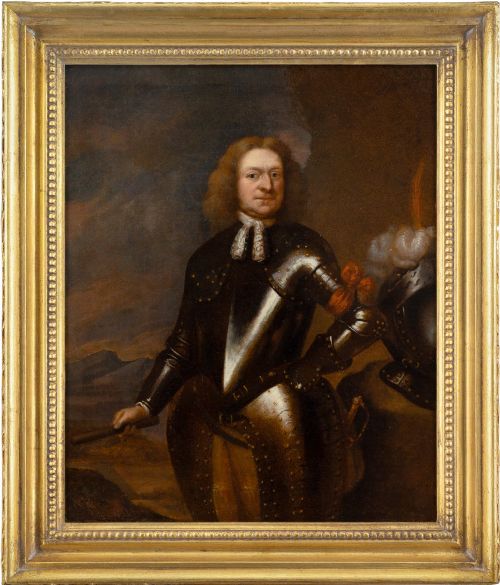
Subjects commonly wear elaborate garments such as dark embroidered doublets, white ruffs, lace collars, and armour. The compositions reflect the aesthetic conventions of the Baroque, Jacobean, and Dutch Golden Age schools.
Buyers will encounter original seventeenth-century compositions alongside later copies after masters like Anthony van Dyck and Peter Lely. The selection also includes wall plaques and framed artwork executed in these historical manners.
Materials and methods
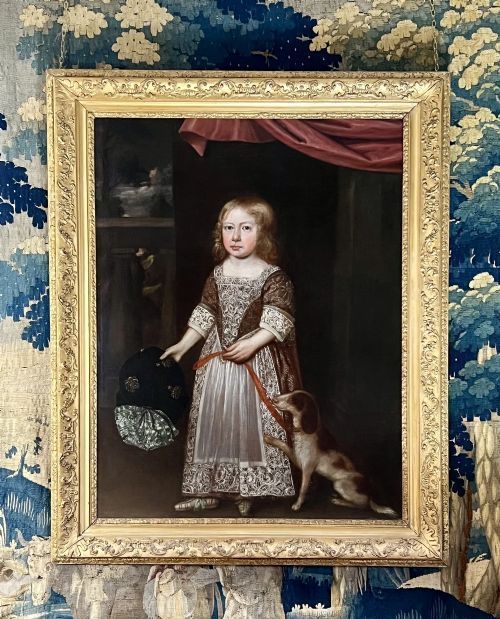
Artists primarily utilised oil paint applied to canvas or wood panels, building up deep tones and luminous highlights. Giltwood frames frequently complement the artworks, often featuring gold leaf detailing.
Later reinterpretations incorporate varied supports including vinyl canvas or metallic relief plaques while maintaining historical subject matter.
17th Century Style Portrait Retail Price Guide 2026
Typical asking prices for 17th century style portrait among the pieces listed under this phrase on Sellingantiques today, from the lower quarter to the upper quarter. They describe what is for sale here now, not the wider market.
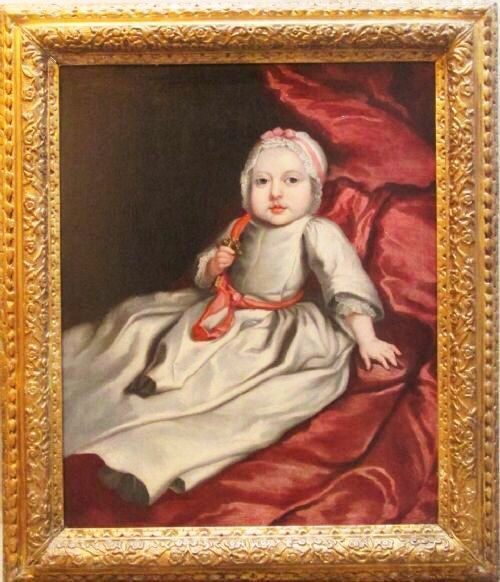
Several young princes and royal children gaze out from these canvases, appearing remarkably serious despite wearing oversized lace collars.
Assessing craftsmanship
Quality rests in the handling of light, shadow, and textile textures, distinguishing masterly depth from flat reproduction. Subtle layering in skin tones and accurate rendering of intricate lace and embroidery elevate a piece.
The integrity of the support material and the historical sympathy of the framing also influence the overall character of the artwork.
Sir Anthony van Dyck·Sir Peter Lely·Cornelius Johnson·David Teniers·Sir Godfrey Kneller
The 17th Century Style Portrait Glossary
- Ruff
- A prominent pleated collar worn in the sixteenth and seventeenth centuries. These stiffened fabric circles frame the chin and neck of sitters in elite attire.
- Baroque
- An artistic style originating around 1600 characterised by dynamic movement and deep chiaroscuro lighting. It emphasises dramatic tension and grand scale in portraiture.
- Doublet
- A close-fitting men's jacket worn during the Renaissance and seventeenth century. They frequently featured elaborate embroidery and padding.
- Panel painting
- An artwork executed on a flat piece of wood rather than stretched fabric. This rigid support was common in earlier European painting traditions.
- Circle of
- A designation indicating an artist worked in the studio or under the direct influence of a named master. It denotes proximity to a prominent workshop without direct attribution.
17th Century Style Portrait: Frequently Asked Questions
What subjects appear in these portraits?
Sitters typically include noblemen, ladies, military officers, and royalty adorned in period dress. Many pieces record historical figures or aristocratic family members.
Garments such as ruff collars and armour help identify the social status of the portrayed individuals.
How do I date a 17th century style portrait?
Dating relies on examining the pigment composition, canvas preparation, and the ageing of the wood or canvas support. Stylistic clues in the sitter's clothing and hair also provide chronological markers.
Paintings executed centuries later often reveal different material handling compared to genuine seventeenth-century works.
Where should I hang an oil portrait?
These artworks suit rooms with controlled lighting away from direct sunlight to protect the oil pigments and canvas. Pairing them with traditional interiors enhances their historical presence.
Ensure the hanging wall is structurally sound to support heavy giltwood frames.
What is the difference between an original and a later copy?
Original period works were painted during the lifetime of the subject or shortly after by contemporary workshops. Later copies, such as those from the nineteenth century, replicate famous compositions by masters.
Both categories hold distinct appeal for collectors interested in historical aesthetics.