



17th Century Style Art
17th century style art brings the dramatic lighting and rich portraiture of the Baroque and Dutch Golden Age into contemporary interiors.
17th Century Style Art
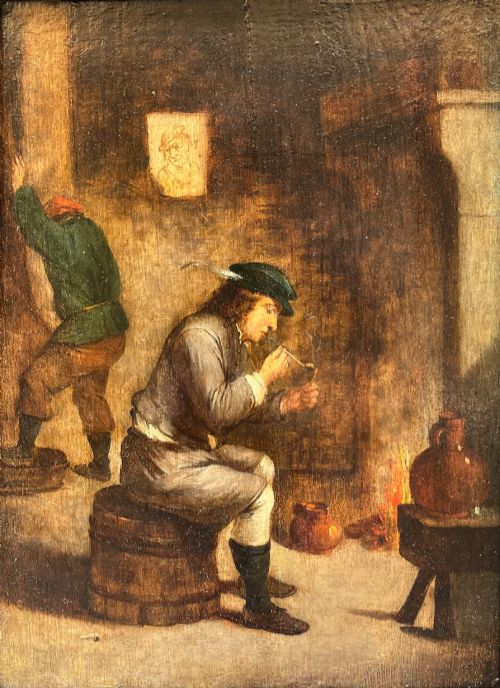
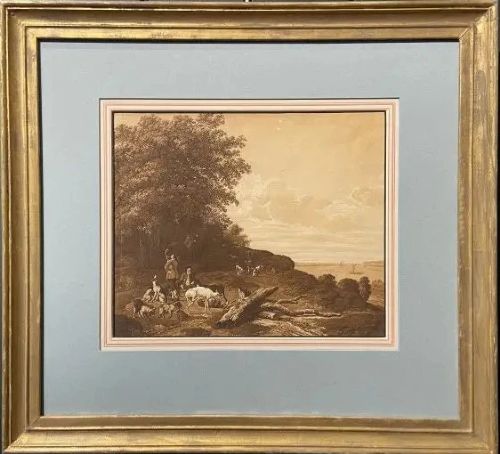
When exploring 17th century style art, you encounter oil paintings on canvas and wood panel alongside framed prints, gouache on paper, and gilded relief plaques. The selection spans authentic period pieces from the seventeen hundreds and earlier, alongside later interpretations produced in the nineteenth and twentieth centuries.
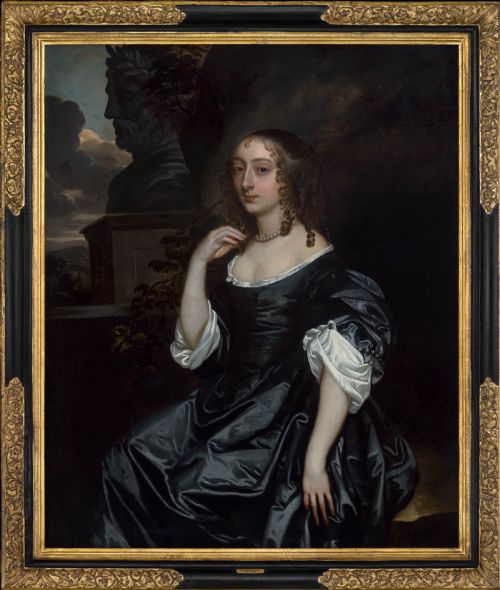
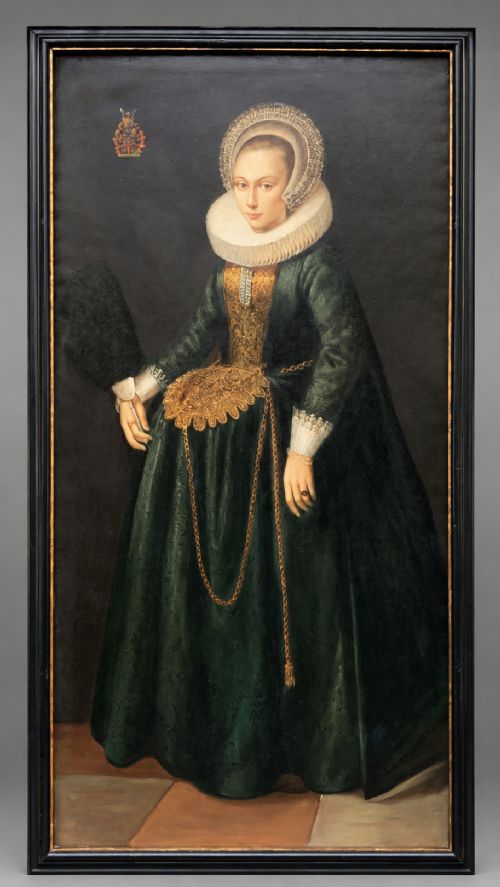
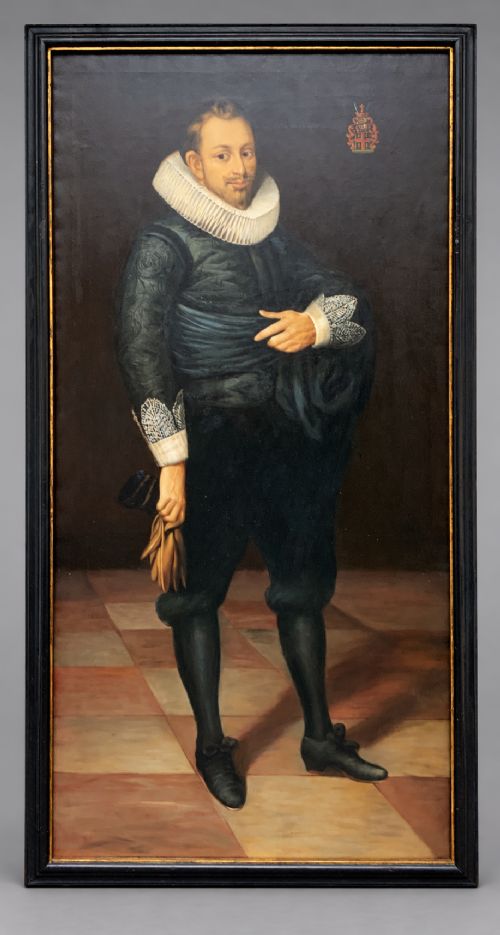
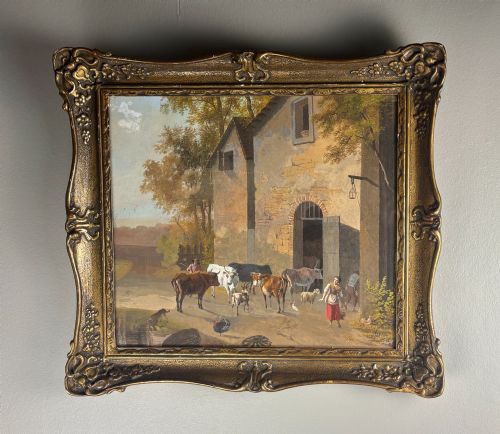
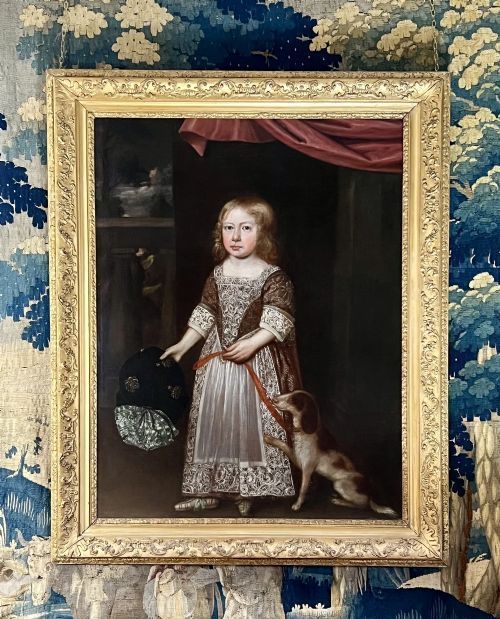
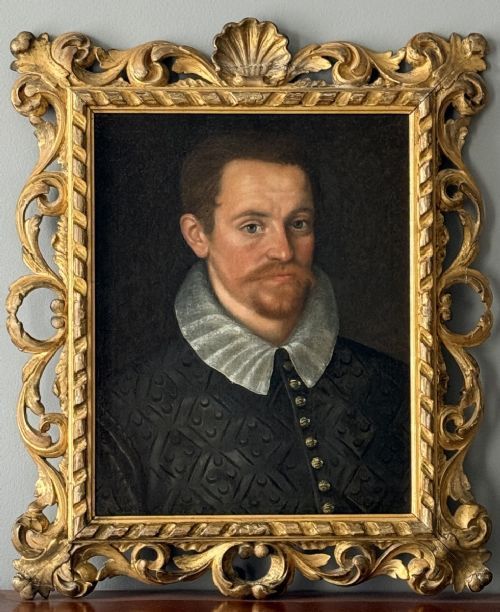
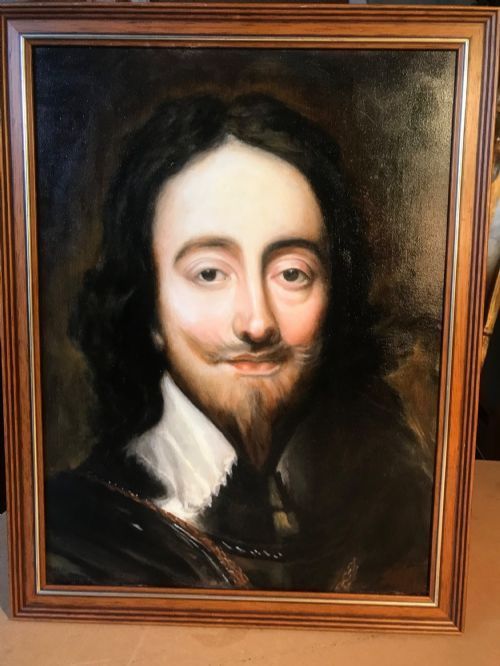
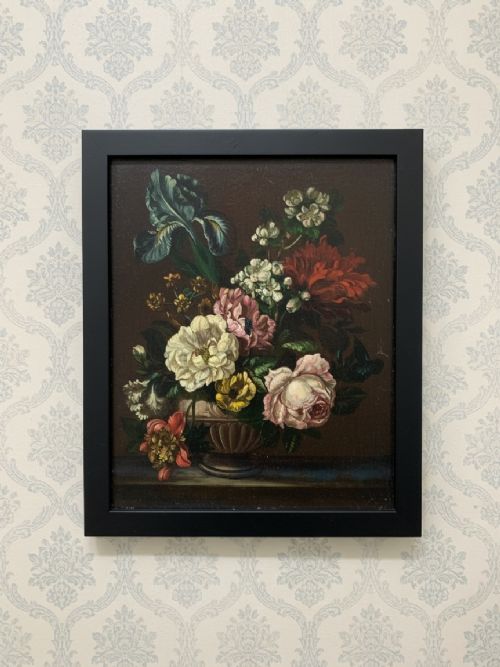
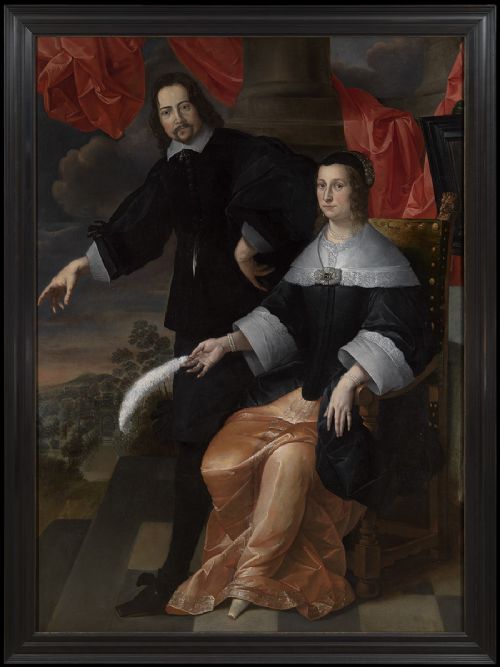
Portraits dominate the category, depicting noblemen, ladies, and royalty in ruff collars and elaborate doublets, often executed by followers or schools associated with masters like Sir Peter Lely and Anthony van Dyck. Alongside portraiture, you find genre scenes, landscapes, and still life compositions reflecting Dutch and Flemish traditions.
Buyers meet both original seventeenth-century works and subsequent nineteenth-century adaptations that emulate the dark palettes and atmospheric depth of the era. These items function primarily as wall art, housed within heavy frames that complement the classical subjects.
How They Were Made
Artists of these works applied oil paint to stretched canvas or prepared wooden panels, layering pigments to achieve the deep shadows and luminous highlights characteristic of the period. Later interpretations replicate these techniques using oil on canvas, vinyl canvas, or gouache on paper.
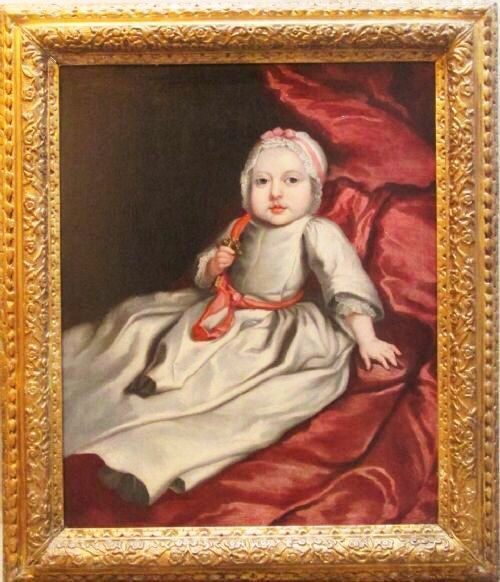
Many of these artworks are housed in giltwood frames or decorated with gold leaf, enhancing the visual weight of the paintings. Alternative pieces utilise materials such as white metal and gilded bronze for relief plaques depicting seventeenth-century figures.
17th Century Style Art Retail Price Guide 2026
Typical asking prices for 17th century style art among the pieces listed under this phrase on Sellingantiques today, from the lower quarter to the upper quarter. They describe what is for sale here now, not the wider market.
Keep an eye out for King Charles the First making multiple appearances in various states of passage and after van Dyck.
What Varies in Quality
The degree of artistic skill in handling light, shadow, and fabric texture separates routine studio copies from works attributed to a master's circle or follower. Finer paintings exhibit subtle graduation in skin tones and meticulous detail in lace ruffs and embroidered doublets.
The integrity of the support medium and the preservation of the paint surface dictate the condition and visual impact of the piece. Works retaining their original or period-appropriate giltwood frames command greater stylistic cohesion than those paired with modern replacements.
Sir Peter Lely·Anthony van Dyck·Mary Beale·David Teniers·Frans Hals
The 17th Century Style Art Glossary
- Baroque
- A European artistic style from the seventeenth century characterised by dramatic lighting, rich colour, and intense emotional expression. This aesthetic forms the foundation for many portraits and genre scenes in the collection.
- Dutch Golden Age
- A period in Dutch history spanning the seventeenth century noted for exceptional achievements in painting, particularly in portraiture, landscapes, and still life. Artworks from this tradition focus on realistic detail and domestic interiority.
- Giltwood
- Wood that has been coated with gold leaf or gold paint to create a brilliant, reflective surface. Frames treated in this manner frequently accompany classical oil paintings.
- Ruff
- A prominent, pleated collar worn by nobility and the upper classes during the sixteenth and seventeenth centuries. These garments appear with frequency in the portraiture of the period.
- Oil on panel
- A painting technique where pigments bound in oil are applied directly to a prepared wooden board rather than canvas. This substrate provides a rigid surface often seen in earlier Dutch school works.
17th Century Style Art: Frequently Asked Questions
How do I identify a period piece from a later copy?
Distinguishing original seventeenth-century works from nineteenth-century interpretations requires examining the ageing of the canvas, panel, and paint layers. Canvas weave, craquelure patterns, and the preparation of the ground layer offer clues to the actual date of creation.
Attributions in titles often reference followers, circles, or manners of specific painters rather than the master's own hand. Comparing the brushwork quality to documented examples helps clarify whether an artwork is contemporaneous or a later homage.
How should I frame and display these artworks?
These pieces suit traditional interiors, libraries, and studies, where their dark tones and classical subjects create a moody atmosphere. Pairing them with period-appropriate giltwood frames enhances their visual authority on the wall.
Lighting plays a vital role in displaying oil paintings with dark palettes, as directional picture lights reveal hidden details in shadows and fabrics. Ensure they are placed away from direct sunlight to protect the oil paint and canvas over time.
What is the difference between Dutch and Flemish styles here?
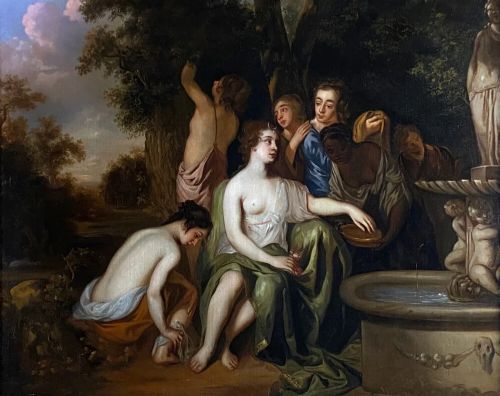
Dutch school paintings in the collection often emphasise individual portraits, still lifes, and intimate domestic or winter scenes with restrained palettes. Flemish works frequently lean towards lively village fetes, expansive landscapes, and narrative mythological scenes.
Both traditions share a mastery of oil paint and a dedication to realistic representation, but their subject matter reflects the distinct cultural emphases of the northern and southern Netherlands.