



17th Century Landscape Artwork
These 17th century landscape artwork pieces capture pastoral scenes and river views through oil on canvas, oak panel, and gouache.
17th Century Landscape Artwork
When you search for 17th century landscape artwork, you encounter oil paintings, oil on oak panel works, and gouache on paper depicting pastoral views, river valleys, and architectural ruins.
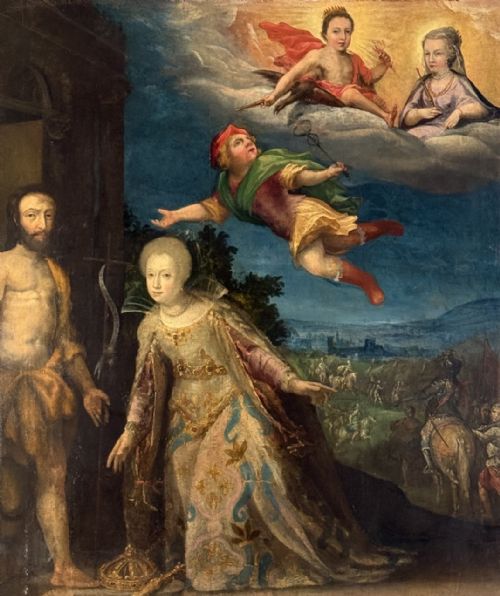
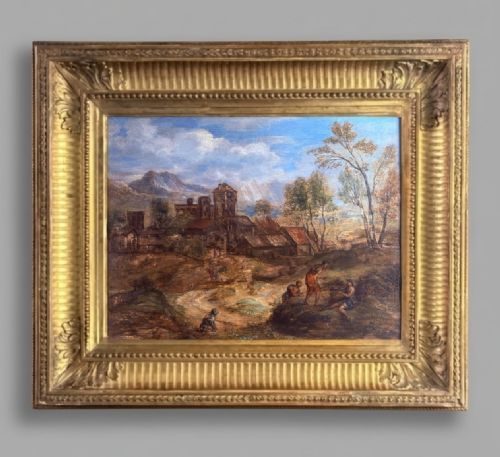
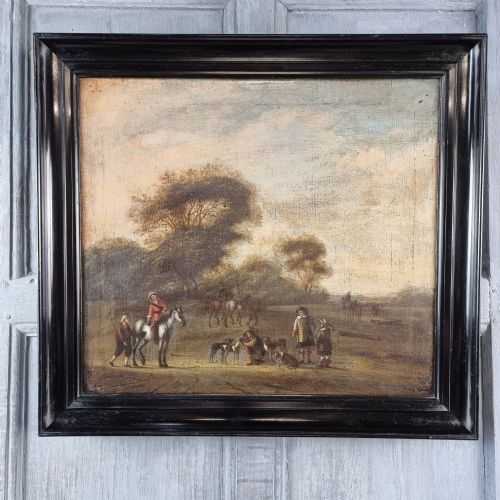
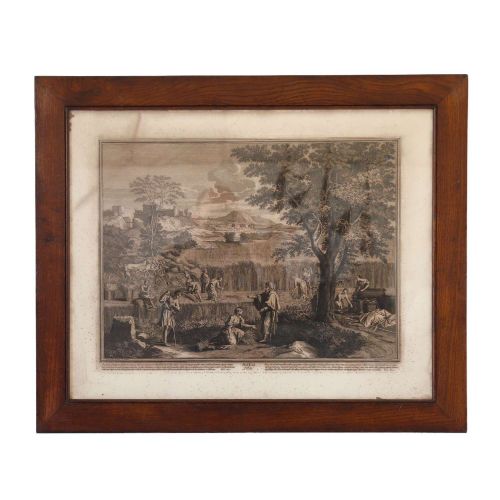
The pieces on this page span the Dutch Golden Age, Flemish Baroque, and Italian Baroque styles, showing subjects from travellers at roadside stopping places to bathing nudes and winter scenes.
Most examples originate from seventeenth-century European schools, though subsequent interpretations also appear alongside period works housed in giltwood frames.
Materials and Techniques
Makers applied oil paint onto canvas, wooden panels, or paper supports, frequently building up pigments to render mountainous landscapes with woods and rivers.
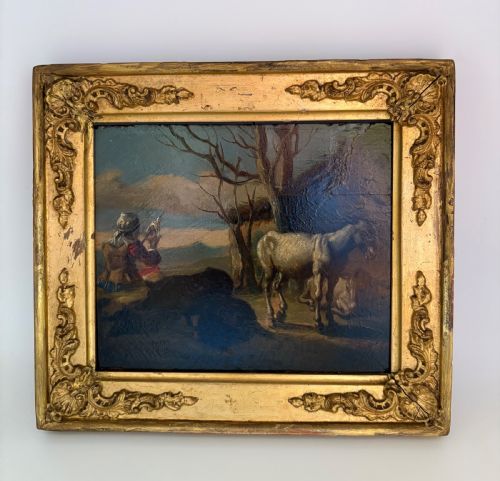
Many works incorporate elaborate giltwood or gold leaf frames that complement the Baroque aesthetic of the painted canvas or panel within.
17th Century Landscape Artwork Retail Price Guide 2026
Typical asking prices for 17th century landscape artwork among the pieces listed under this phrase on Sellingantiques today, from the lower quarter to the upper quarter. They describe what is for sale here now, not the wider market.
Listings feature works spanning the 17th century, 18th century, and 1920, utilising wood, oil on canvas, giltwood, paper, and glass.
Distinctions in Quality
The strength of the composition and the nuance in handling figures and foliage separate standard studio output from more accomplished works by named masters.
Condition of the original paint surface and panel stability also influence the character of each piece, alongside the preservation of period frames.
Karel Dujardin·Barent Gael·Angelo Maria Crivelli·Johannes Lingelbach·Cornelis Van Poelenburgh·Philipp Peter Roos·David Teniers II·Claude Lorrain·Marmaduke Cradock·Jacob Bogdani·Pieter Bout·Adriaen Frans Boudewyns·Jacob Knyff
The 17th Century Landscape Artwork Glossary
- Baroque
- A European style of art from the seventeenth and early eighteenth centuries characterised by drama, rich detail, and grand movement. It informs much of the landscape painting from this era.
- Giltwood
- Wood that has been coated with gold leaf or gold paint. Frames utilising this finish commonly house seventeenth-century oil paintings.
- Gouache
- An opaque water-based paint medium applied to paper. It appears in works from the seventeenth century, such as fan leaves and detailed studies.
- Oak Panel
- A wooden board used as a rigid support for oil painting before canvas became dominant. Artists in the seventeenth century frequently painted directly onto prepared oak.
17th Century Landscape Artwork: Frequently Asked Questions
What subjects appear in 17th century landscape artwork?
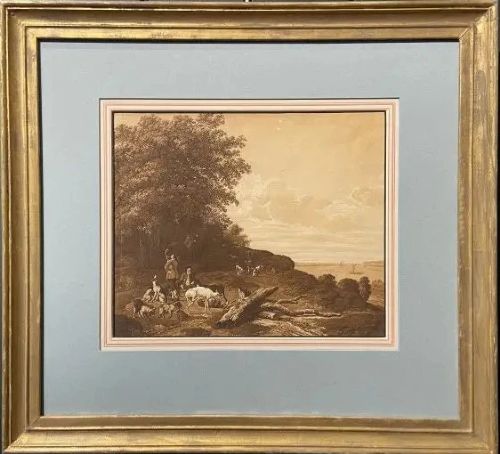
These works depict pastoral settings, river ports, architectural ruins, and mountainous terrain populated by travellers, hunters, and figures bathing.
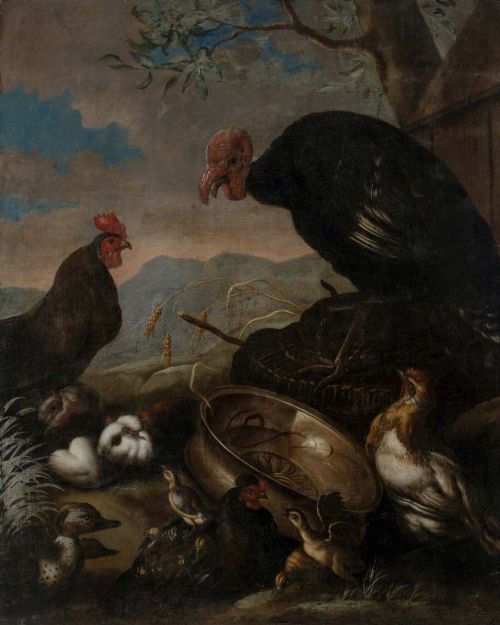
Scenes frequently draw from Dutch and Flemish traditions, incorporating naturalistic details of foliage, wildlife, and village life.
Are these works painted on canvas or wood?
Makers utilised multiple supports, including traditional woven canvas and solid oak panels, alongside works on paper.
Substrates often dictate the texture of the surface and influence how the oil pigment ages over the centuries.
How should I display a framed oil painting?
Hang the artwork away from direct sunlight and significant temperature fluctuations to protect the oil pigments and wooden support.
Ensure the wall mounting securely supports the weight of the piece, particularly when paired with heavy giltwood frames.
How do I distinguish regional styles in these landscapes?
Dutch examples often focus on subdued atmospheric winter scenes and domestic countryside views, while Italianate pieces emphasise classical ruins and bright Mediterranean light.
Flemish works tend to incorporate narrative figures within bustling village gatherings or wooded valleys.