





17th Century French Art
17th century french art brings together oil paintings, verdure tapestries, and classical engravings from the age of the Baroque.
17th Century French Art
When you search for 17th century french art, you encounter oil paintings, prints, engravings, and wool or silk tapestries created within the Baroque and Baroque Classicism styles. These pieces capture the portraiture, historical scenes, and verdure landscapes characteristic of the period.
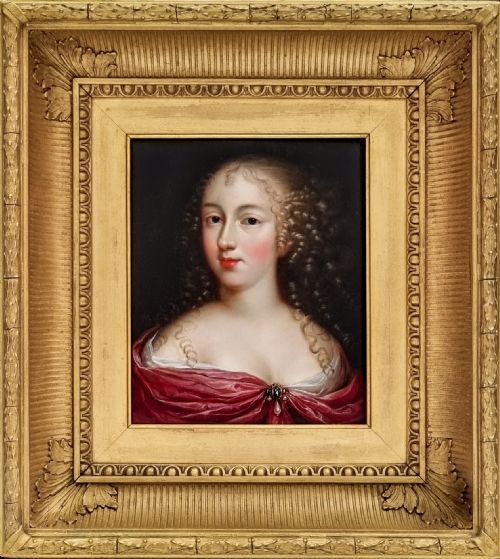
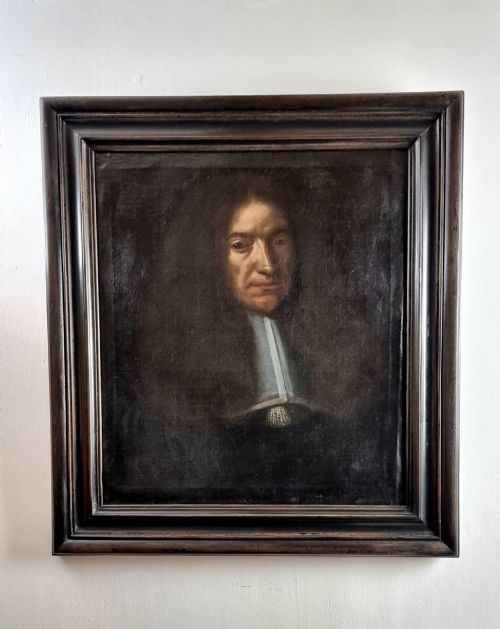
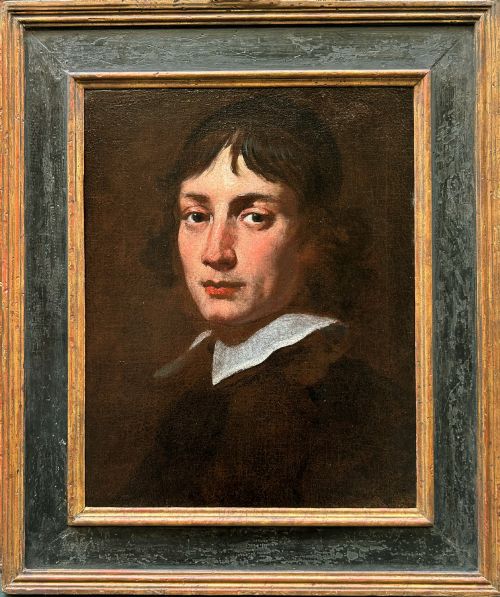
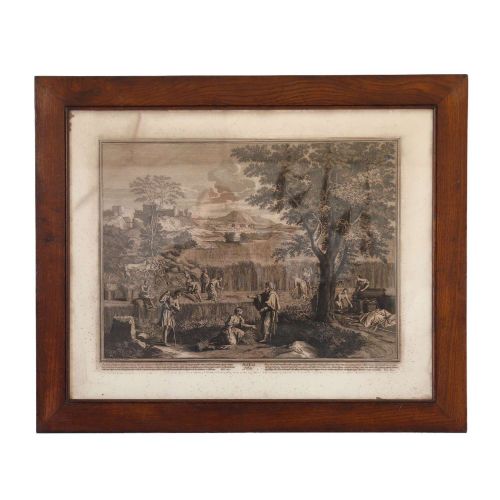
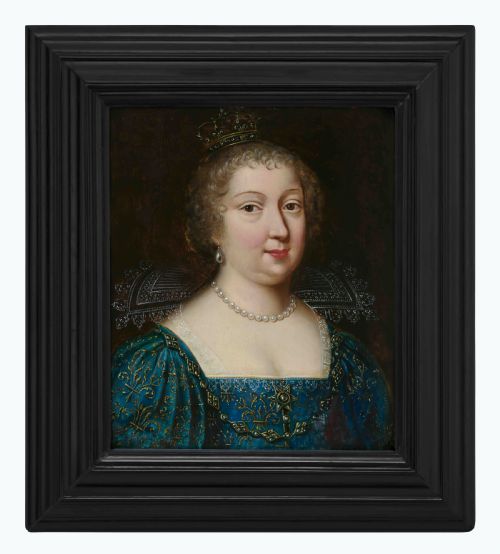
The selections on this page most commonly include oil on panel paintings and framed prints alongside woven wall hangings. Portraits of judges, queens, and young nobles frequently appear alongside mythological and biblical tapestry fragments.
How They Were Made
The paintings in these listings utilise oil paint applied to wood panels or canvas surfaces, often framed by the hands of contemporary followers or circles of notable portraitists. Pigments and oils capture rich textures in garments and facial expressions.
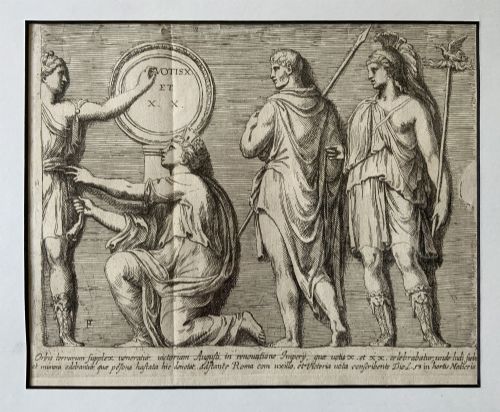
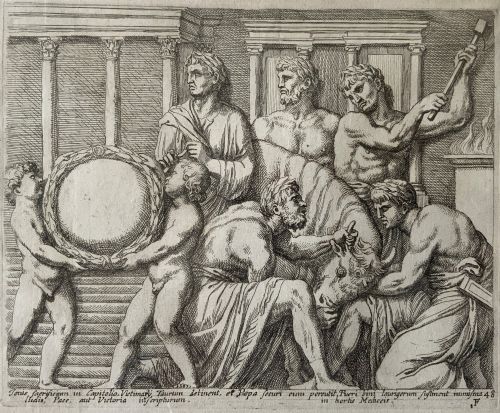
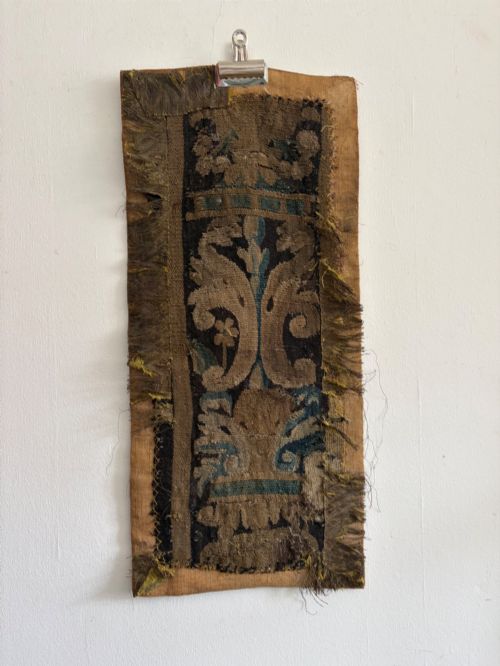
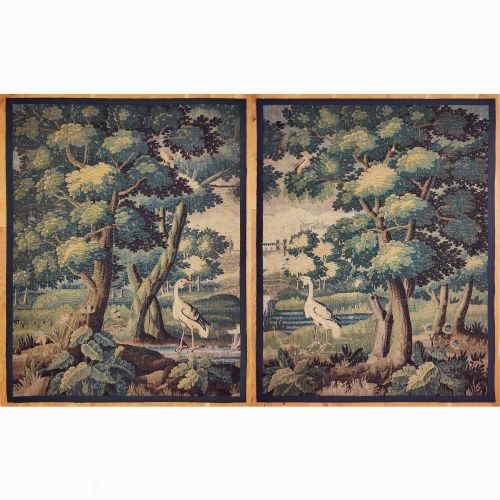
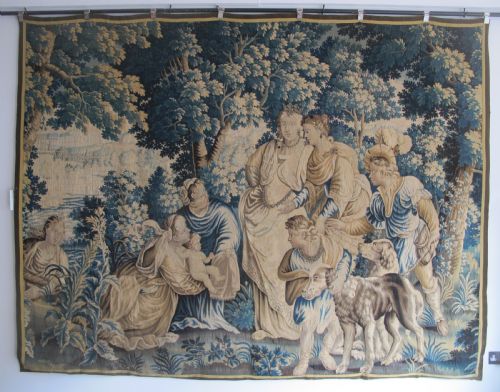
Tapestries are woven from wool and silk, creating complex verdure scenes and biblical narratives designed for wall display or furnishing. Engravings and prints utilise paper mediums to reproduce classical antiquity and historical compositions.
17th Century French Art Retail Price Guide 2026
Typical asking prices for 17th century french art among the pieces listed under this phrase on Sellingantiques today, from the lower quarter to the upper quarter. They describe what is for sale here now, not the wider market.
A judge, a queen, and a child Louis XIV walk into a 17th-century salon, surrounded by verdure tapestries and classical engravings.
What Varies in Quality
The distinction between pieces rests upon the execution of the brushwork in portraits and the intricacy of the weave in tapestries. Finer oil panels display nuanced facial modeling and garment detail associated with studio circles.
Condition and preservation dictate the standing of textile fragments and paper prints. Verdure tapestries retain more visual impact when the wool and silk threads maintain their original tones and structural integrity across the panel.
Pierre Mignard·François Perrier·Guillaume Courtois·Henri and Charles Beaubrun·Hyacinthe Rigaud
The 17th Century French Art Glossary
- Baroque
- A style of European art of the 17th and 18th centuries characterised by ornate detail, drama, and grand scale. This aesthetic dominates the portraiture and tapestries of the era.
- Verdure Tapestry
- A woven wall hanging featuring a predominant design of plants, foliage, and sometimes animals or imaginary landscapes. These panels often frame wooded scenes or garden views.
- Oil on Panel
- A painting executed with oil colours on a flat wooden support rather than canvas. This technique provides a rigid base favoured by many portraitists of the era.
- Etching
- A print produced by the chemical action of acid on a metal plate, allowing fine lines to be transferred to paper. This method enabled the reproduction of classical antiquity and historical compositions.
17th Century French Art: Frequently Asked Questions
What defines 17th century french art?
These pieces comprise oil paintings, engravings, and woven tapestries created during the 17th century under Baroque and Baroque Classicism influences. They record the portraiture and decorative aesthetics of the French courts and classical traditions.
The materials include oil on panel, wool, silk, and paper prints. Each form reflects the visual culture and craftsmanship of the period.
How were verdure tapestries used?
Verdure tapestries functioned as large wall hangings to insulate stone rooms and display intricate natural foliage scenes. Smaller fragments also served as cushion covers and decorative borders.
Their wool and silk weaves brought colour and texture to domestic and public interiors. They remain suited for wall display in historical settings.
How do I identify studio works?
Studio and follower pieces often reference documented masters like Pierre Mignard or Hyacinthe Rigaud through style and subject matter. They represent the output of workshops working in the manner of established painters.
Examination of the oil paint, panel support, and portrait composition helps connect the piece to its artistic circle.
How should I care for panel paintings?
Wood panel paintings require stable indoor humidity and temperature to prevent the wood from warping or cracking. Keeping them away from direct sunlight protects the oil pigments and varnishes.
Gentle dusting with a dry, soft cloth preserves the surface without introducing moisture or friction to the paint layer.