





17th Century Document
A 17th century document represents tangible history, offering tangible connection to the period through handwritten vellum indentures and secure wooden deed boxes.
17th Century Document
When you search for a 17th century document, you encounter two distinct physical categories: the paper or vellum manuscripts themselves, such as indentures and agreements, and the secure wooden receptacles designed to house them.
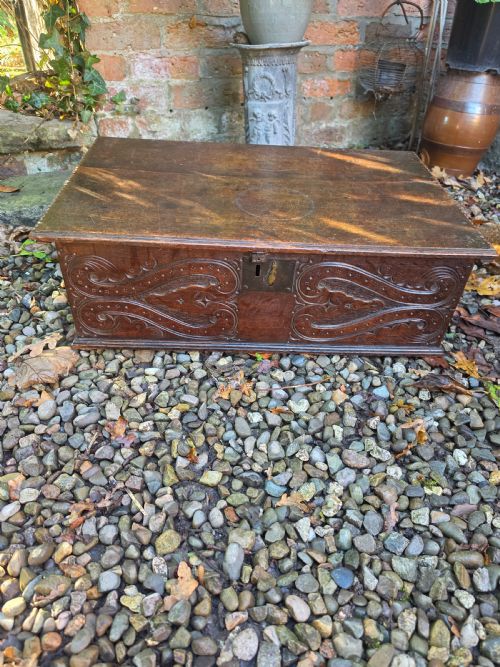
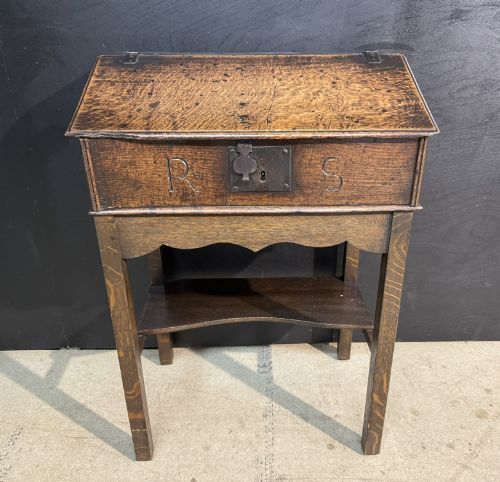
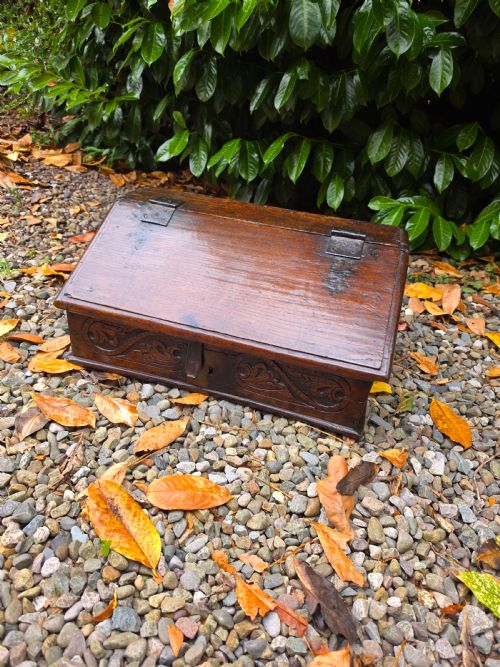
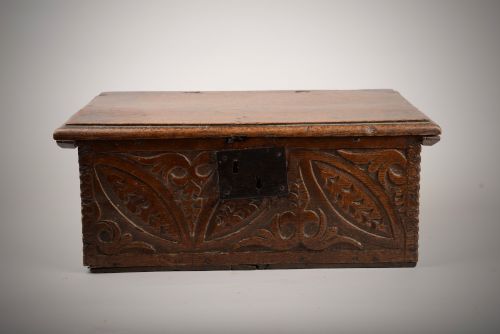
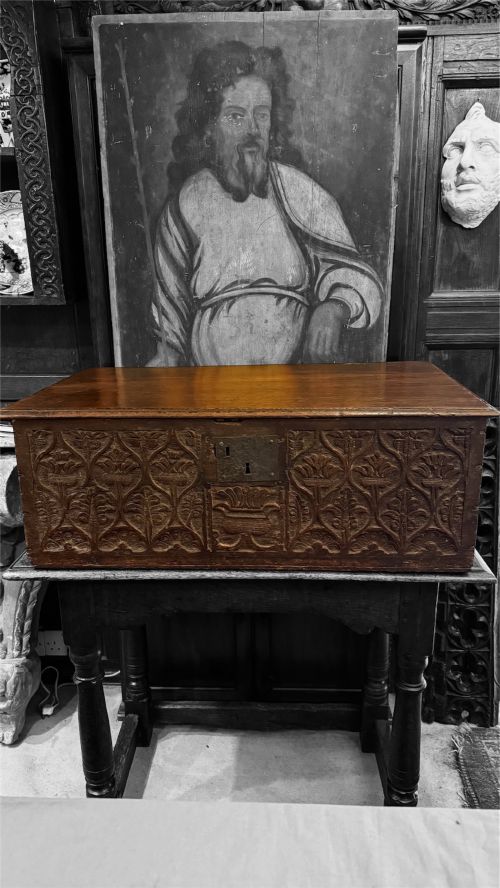
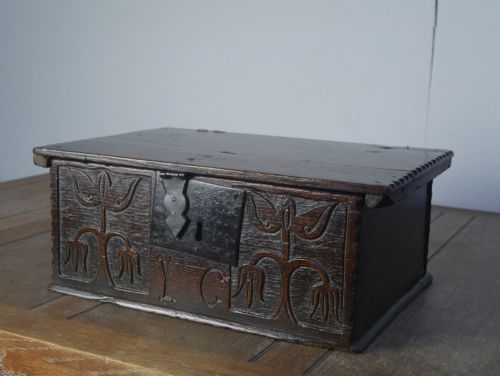
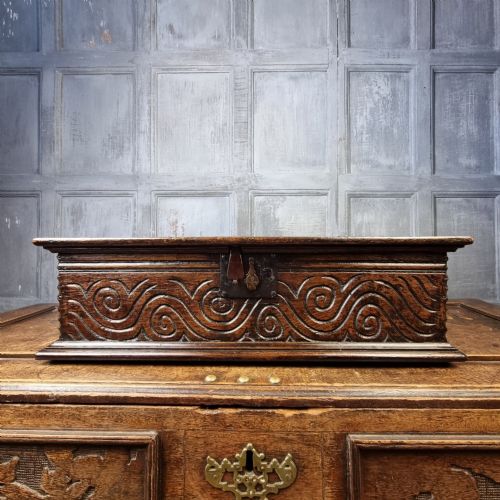
The manuscript material comprises handwritten legal instruments on vellum and parchment, bearing dates from the mid to late 1600s, whilst the enclosures span oak bible boxes, deed boxes, and travelling strong boxes.
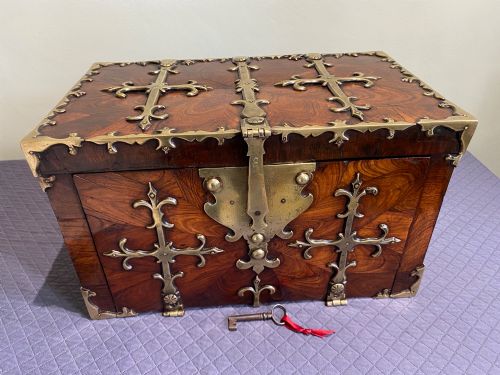
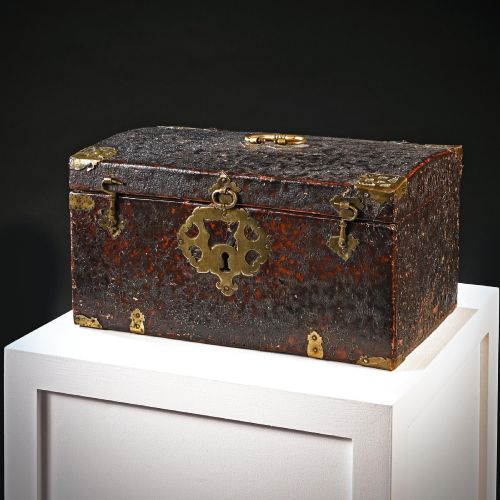
Oak forms dominate the physical containers, often displaying period carving or ironwork, though walnut, kingwood, and leather examples also appear alongside the manuscript agreements.
Materials and construction
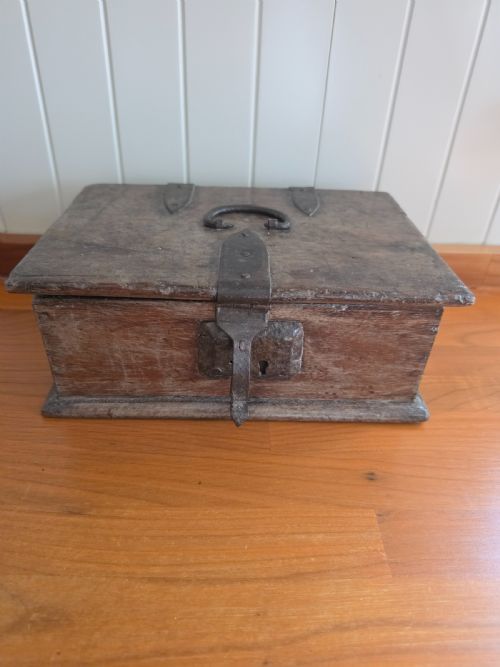
The physical enclosures rely predominantly on solid oak joined with traditional pegged or dovetailed construction, complemented by wrought iron locks, hinges, and steel mechanisms for security.
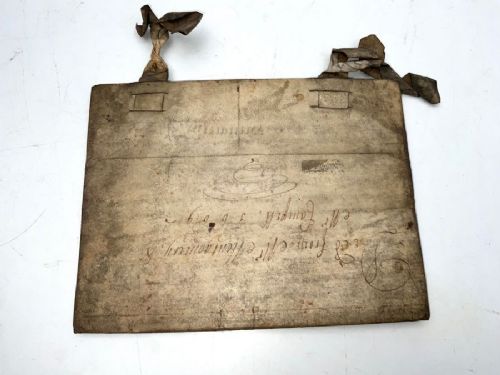
Vellum and parchment serve as the primary medium for the written texts, inscribed by hand with iron gall ink and secured with pendant wax seals.
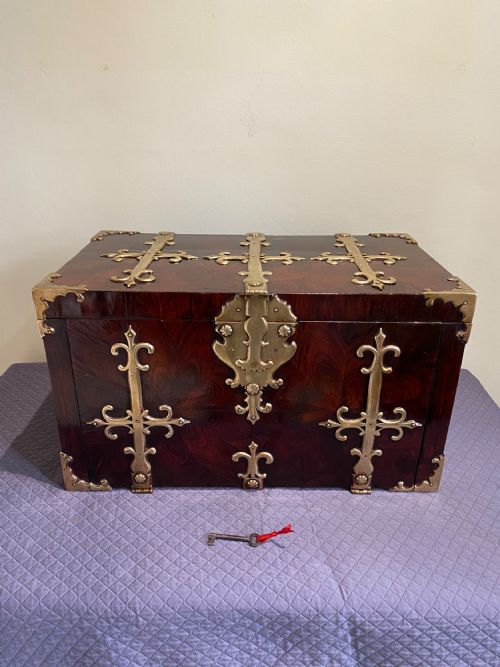
Veneered examples incorporate exotic timbers such as kingwood, ebony, and olive wood over secondary carcases, sometimes embellished with marquetry or leather coverings.
17th Century Document Retail Price Guide 2026
Typical asking prices for 17th century document among the pieces listed under this phrase on Sellingantiques today, from the lower quarter to the upper quarter. They describe what is for sale here now, not the wider market.
Listings feature materials spanning oak, iron, brass, kingwood, vellum, walnut, and olive wood across the 1600s and 1700s.
Factors separating examples
Quality in these items rests upon the integrity of the original construction and the preservation of surface patination, with untouched timber surfaces commanding higher regard than heavily restored pieces.
The sophistication of the internal mechanism, such as complex steel locks within safe boxes, distinguishes utilitarian storage from masterwork examples.
For manuscript material, legibility of the script, completeness of the text, and retention of original seals determine the distinction between ordinary records and significant archival survivals.
The 17th Century Document Glossary
- Indenture
- A legal contract written on parchment or vellum, historically executed in duplicate with the top edge cut in a wavy or indented line to prevent forgery. This specific form of agreement forms a significant portion of manuscript offerings.
- Bible box
- A small wooden desk box with a sloping or flat lid, originally constructed to hold a family bible and important papers. These items often feature carved panels and internal compartments.
- Vellum
- A fine parchment made from calfskin, utilised for durable legal documents and manuscripts throughout the period. Its resilience allows texts from the 1600s to remain legible today.
- Coffre forte
- A French term denoting a strong box or safe, frequently encountered in veneered kingwood or marquetry during the William and Mary period. These containers housed valuables and sensitive documents.
- Chip carving
- A style of decorative woodworking where chips are removed from a single surface with a gouge or knife to create geometric patterns. This technique appears frequently on Welsh and English oak boxes.
17th Century Document: Frequently Asked Questions
What fits inside a bible box?
These boxes were built to hold bound volumes such as bibles alongside loose papers, letters, and small valuables. The internal compartments accommodated writing materials and seals.
Today, owners utilise the interior space for modern documents or small collections, preserving the original function of secure desktop storage.
How do I identify a 17th century lock?
Period locks on these boxes typically consist of complex steel mechanisms mounted to the interior lid, engaging with heavy staple plates on the front board. They require specialised wrought iron keys to operate.
Original locks show hand-filed components and bear the marks of contemporary blacksmiths rather than mass-produced uniformity.
What is an indenture?
An indenture is a formal legal agreement recording property transfers, apprenticeships, or financial transactions between parties. They carry handwritten text dated to specific years in the 17th century.
These manuscripts frequently include original signatures, witness marks, and hanging wax seals attached by parchment tags.
Where were these boxes kept?
Owners placed these containers on tables, court cupboards, or desks within households, offices, and ecclesiastical buildings. Their portable nature allowed them to function as travelling strong boxes.
Living with them today involves placing them on stable surfaces where their carved oak or veneered surfaces can be appreciated without direct sunlight.