





17th Century Cutlery
These 17th century cutlery pieces are early silver and pewter implements from Stuart and Commonwealth reigns, offering collectors tangible links to domestic life centuries ago.
17th Century Cutlery
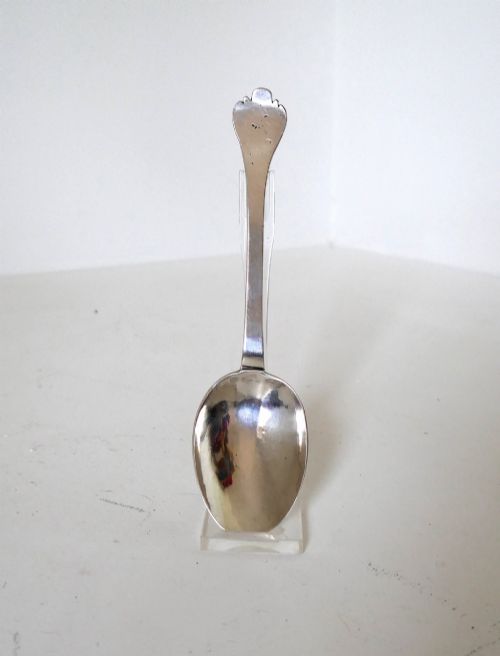
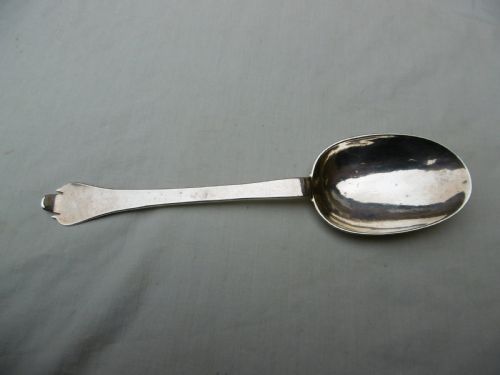
When you search for 17th century cutlery, you encounter early dining implements spanning the reigns of James I, Charles I, the Commonwealth, Charles II, and William and Mary. These pieces comprise silver spoons, trefid spoons, dognose tablespoons, and occasionally pewter examples housed in period oak racks.
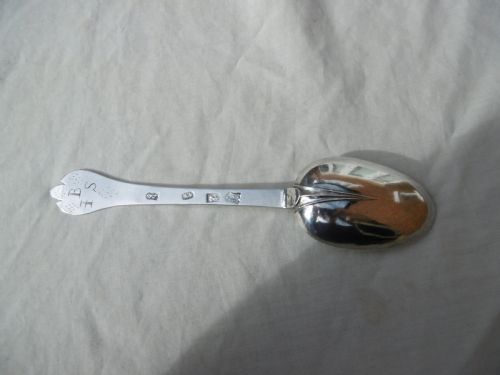
The objects on this page largely take the form of spoons, reflecting how flatware evolved from simple seal tops and slip tops in the early decades to faceted trefids and lace pattern designs towards the close of the century. Makers marked their work with punched initials and town marks, grounding each piece in a specific English provenance.
How they were made
Silversmiths of this era hammered sterling silver, Britannia standard silver, or cast pewter into shape, often starting from thick ingots that required considerable manual labour to thin and shape. Handles were frequently formed with flat tips, split ends, or decorative finials like seals and slip tops.
Makers applied punches directly to the metal to record town marks, maker's initials, and date letters, embedding production details straight into the handle or bowl reverse. Oak spoon racks utilised traditional joinery to store these domestic utensils on walls.
17th Century Cutlery Retail Price Guide 2026
Typical asking prices for 17th century cutlery among the pieces listed under this phrase on Sellingantiques today, from the lower quarter to the upper quarter. They describe what is for sale here now, not the wider market.
Listings feature sterling silver, Britannia standard silver, pewter, and oak across periods from James I to William III.
What varies in quality
The distinction between ordinary and exceptional pieces rests upon the crispness of the hallmarks and the preservation of the original bowl shape against centuries of wear and polishing. Early examples with legible punch marks by known London or provincial makers command greater attention from collectors.
Surface integrity also dictates distinction, as unaltered patination and minimal thinning of the silver bowl indicate a life of careful use rather than aggressive restoration. The complexity of early handle forms, such as lace patterns or intact seal finials, further elevates a piece.
Jerimiah Johnson·William Penstone·Isaac Davenport·Benjamin Prosser·Thomas Issoa·Stephen Coleman·Daniel Cary·John King·Peter Webb
The 17th Century Cutlery Glossary
- Trefid spoon
- An early dining implement featuring a broad, flat, three-lobed terminal handle that gained popularity during the Restoration period.
- Seal top spoon
- A form of cutlery terminating in a small, flat-topped seal, common in the Tudor and early Stuart periods.
- Slip top spoon
- An early spoon style where the stem is cut off obliquely at the end, presenting a clean and simple finish.
- Dognose tablespoon
- A transitional flatware form evolving from the trefid, featuring a rounded terminal with a raised central ridge.
- Britannia standard silver
- A higher grade of silver purity introduced by statute to discourage the melting of coinage for plate.
17th Century Cutlery: Frequently Asked Questions
How do I identify a trefid spoon?
Look for the characteristic three-lobed flat handle terminal that typifies late Stuart dining silver. The stem often displays rattail reinforcement on the reverse of the bowl.
These pieces typically date from the reign of Charles II through to William and Mary, reflecting changing dining fashions of the period.
What are seal top spoons?
Seal top spoons feature a solid cast finial shaped like a signet seal at the end of the handle. They represent some of the earliest silver cutlery forms found today.
Craftsmen often engraved the flat top of the seal with initials, marking the original owner's identity.
How were these spoons marked?
Silversmiths struck their wares with punch marks indicating the maker's initials, the town of origin, and a date letter where applicable. These marks provide the primary evidence for dating.
Partial or clear hallmarks help attribute pieces to specific provincial or London workshops from the Stuart era.
How do I care for early silver?
Keep early silver and pewter clean by avoiding harsh abrasive polishes that wear away centuries of accumulated patination and maker's marks. Gentle washing in warm soapy water suffices for maintenance.
Store pieces in stable environments away from excessive moisture to preserve the metal surfaces.