





17th Century Cherub Carving
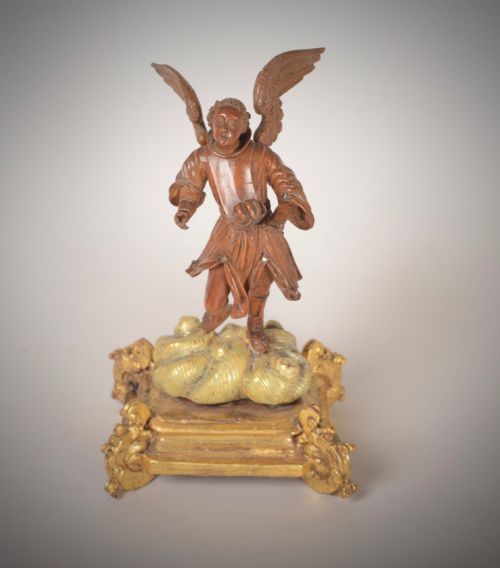
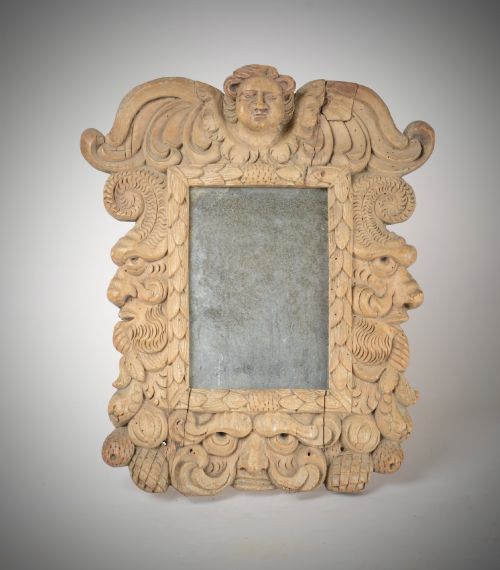
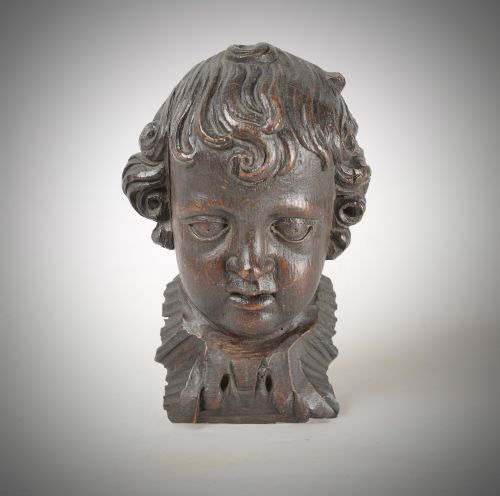
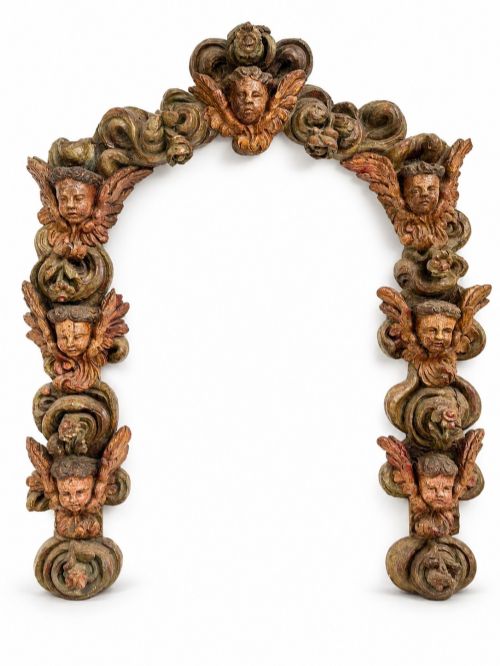
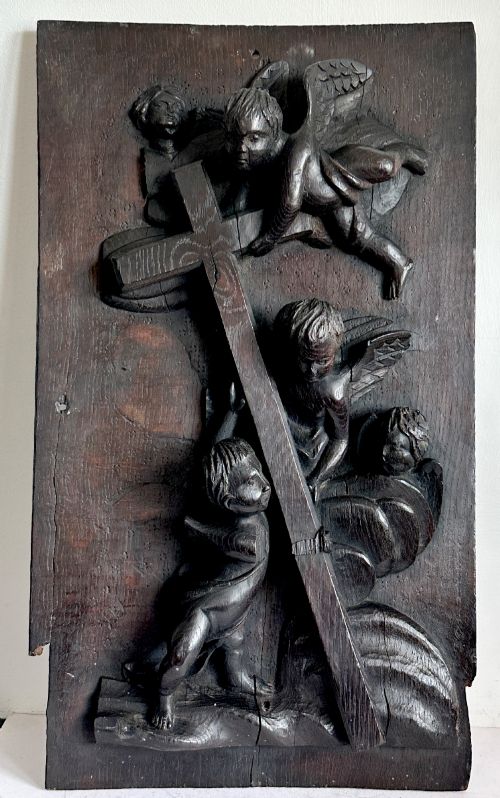
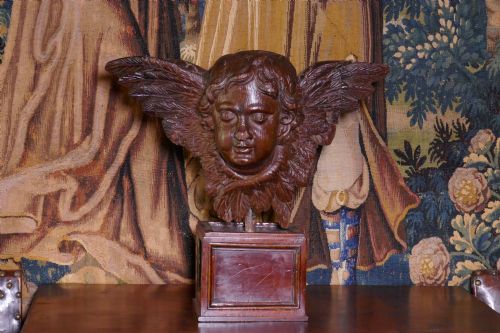
These 17th century cherub carving pieces are timber reliefs and figures of winged putti, offering direct contact with Baroque ecclesiastical and domestic woodwork.
17th Century Cherub Carving
A 17th century cherub carving encompasses architectural salvage, wall reliefs, sculptures, and architectural carvings depicting putti and winged angels. Buyers searching this phrase encounter timber figures rooted in the Baroque and Jacobean styles.
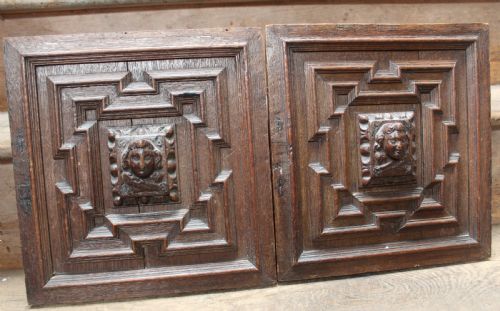
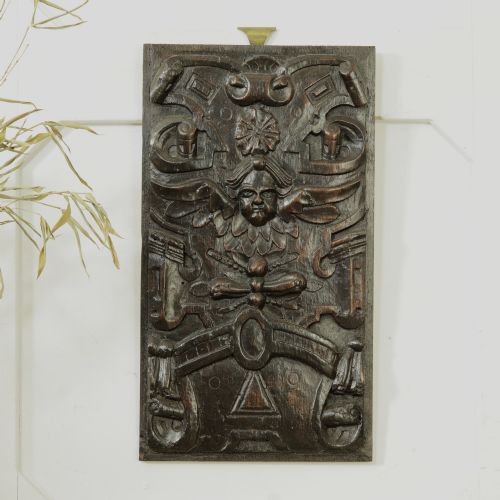
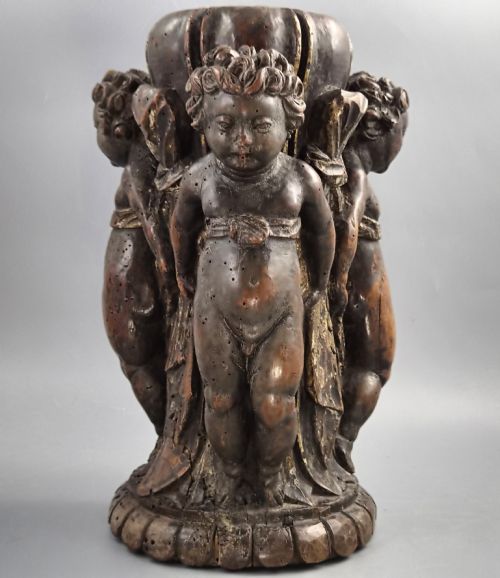
The pieces appearing on this page range from high-relief carved oak panels and staircase panels to limewood putti and walnut torchiere bases. Oak and walnut dominate the forms, originating from English, Italian, and French workshops.
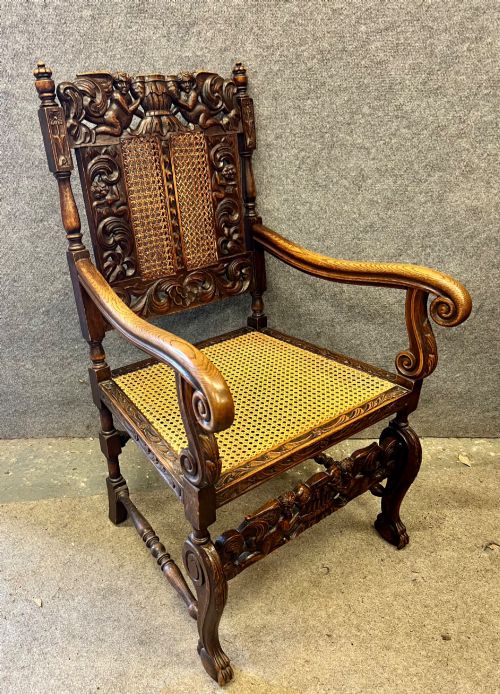
Most items date firmly to the seventeenth century, though nineteenth-century revivals such as Carolean style mirrors and later oak heads also appear in the selection. The figures frequently manifest as kneeling angels on clouds, wall mirrors, or architectural overdoor panels.
Materials and Techniques
Carvers shaped these figures primarily from dense hardwoods like oak, walnut, and limewood, utilising hand chisels to achieve deep, high-relief forms. Timber selection dictated the depth of the carving, with oak lending itself to robust architectural panels and limewood allowing for delicate, rounded putti limbs.
Surface treatments in the evidence include gesso and gilding, which enhanced the theatricality demanded by Baroque and Italian Baroque aesthetics. Pierced carving techniques created intricate negative space around acanthus leaves and cloud formations, giving the cherubs a dynamic, floating quality.
17th Century Cherub Carving Retail Price Guide 2026
Typical asking prices for 17th century cherub carving among the pieces listed under this phrase on Sellingantiques today, from the lower quarter to the upper quarter. They describe what is for sale here now, not the wider market.
Angels kneeling perpetually on wooden clouds maintain their celestial posture without ever tiring.
Quality Variations
The distinction between standard decorative work and superior output lies in the anatomical fluidity of the cherub and the depth of the undercut. Master carvers achieved a naturalistic softness in limewood and oak, whereas lesser pieces display stiff, formulaic rendering of wings and hair.
Attribution to documented hands, such as the master carver Edward Pearce, elevates a piece through superior handling of armorial details and dynamic movement. The integration of the carving into structural elements like console tables, torchiere bases, and overdoor panels also governs the tier of the object.
Edward Pearce
The 17th Century Cherub Carving Glossary
- Putti
- Plural of putto, representing plump, naked male infants, often winged, found across Baroque sculpture and wall reliefs.
- Torchiere
- A tall stand or pedestal designed to hold a light, often featuring carved wooden figures or columns.
- Pierced carving
- A technique where the background of the timber is entirely cut away to create an openwork design of leaves or figures.
- Gesso
- A plaster-like mixture applied to wood as a smooth base for gilding or painting.
- High-relief
- A sculptural technique where the figures project significantly from the flat background, sometimes nearly detaching from the panel.
17th Century Cherub Carving: Frequently Asked Questions
How were these carvings originally used?
Makers integrated these wooden figures into grand architectural settings, placing them above doorways, along staircases, or within church interiors as structural supports and decorative panels.
Over time, many of these elements were salvaged from dismantled buildings and mounted independently as wall art or incorporated into console tables and mirrors.
Are all these pieces from the seventeenth century?
While the core of the selection dates to the seventeenth century and around seventeen hundred, nineteenth-century revivals also appear among the listings.
Carolean style mirrors and later oak carvings emulate the earlier Baroque and Jacobean aesthetics, requiring careful attention to timber patination and tool marks to distinguish the periods.
How do I care for antique wood carvings?
Keep wooden sculptures and panels away from direct heat sources and sudden humidity changes to prevent the timber from splitting or warping.
Dust the intricate recesses gently with a soft, dry brush and avoid applying modern polishes that can build up on gesso and gilding.