

17th Century Canvas
17th century canvas works hold the substance of early modern portraiture and narrative scene, drawing collectors through historical resonance and hand-applied pigment.
17th Century Canvas
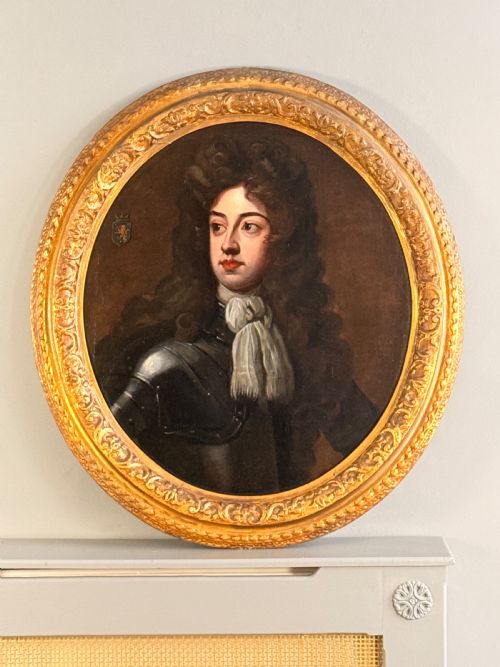
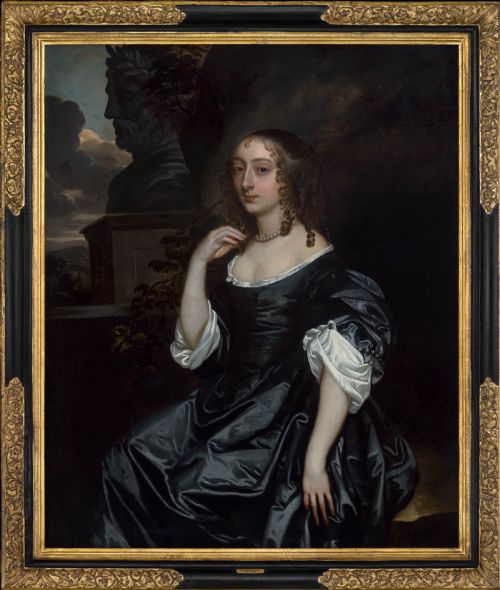
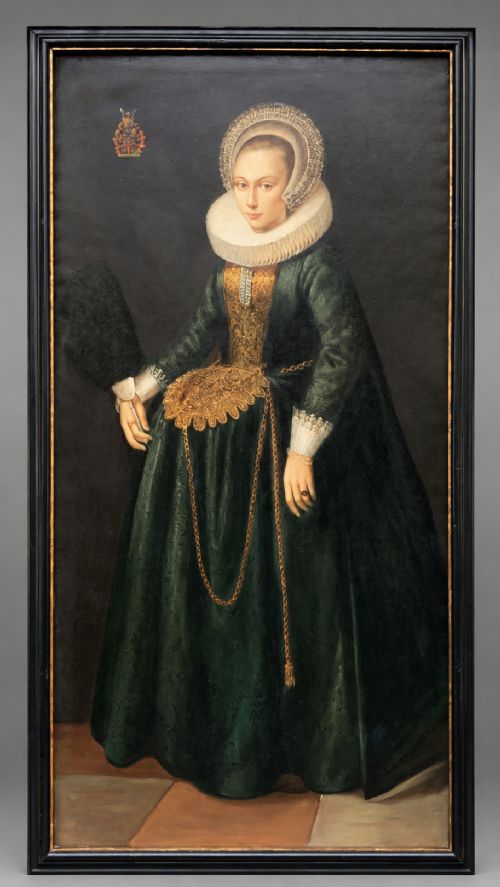
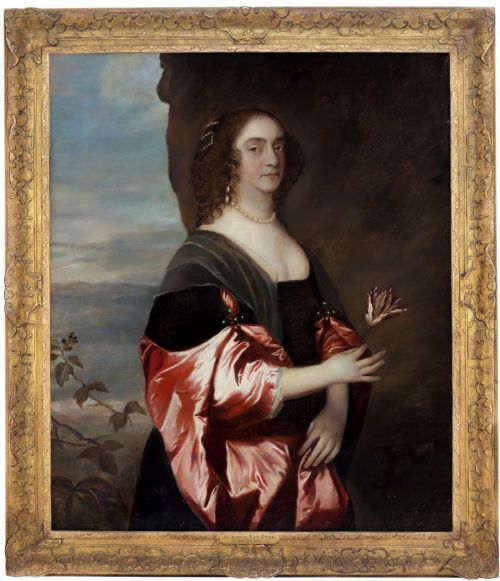
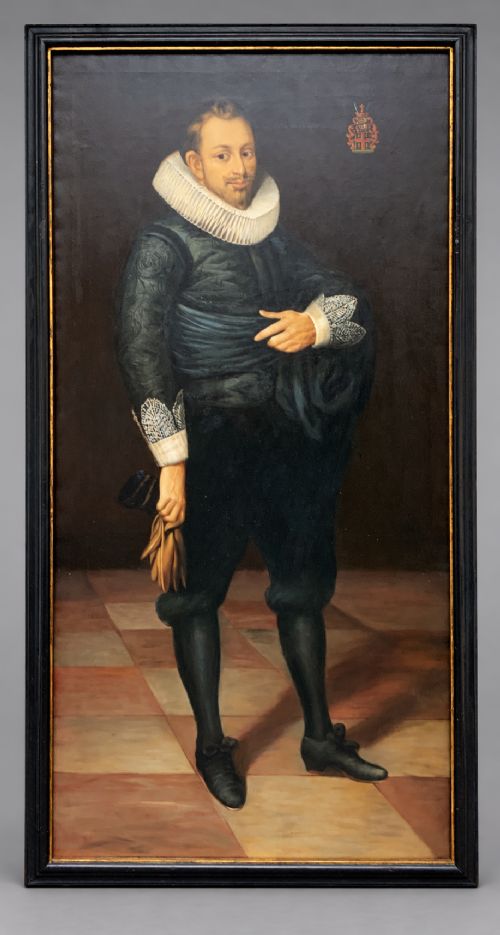
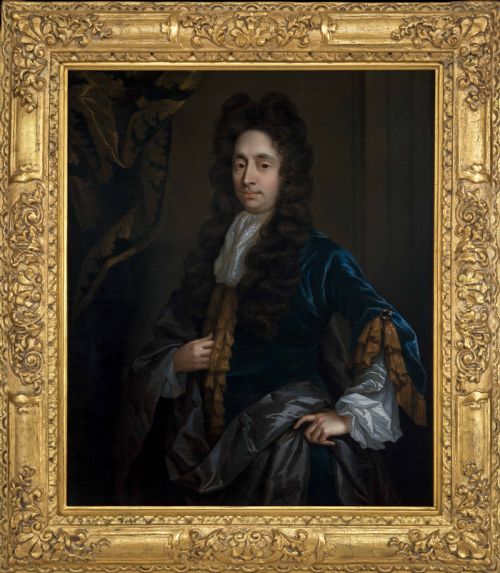
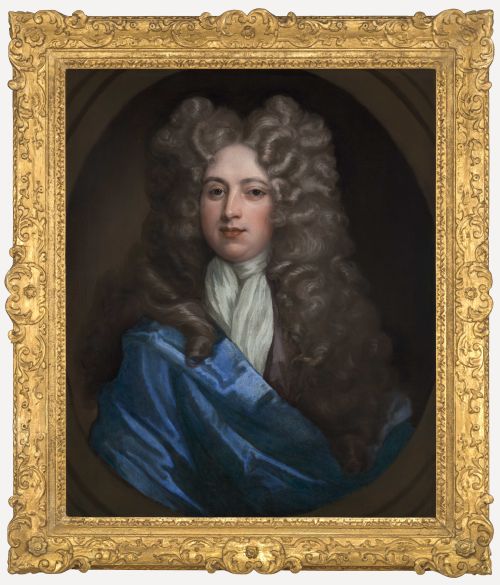
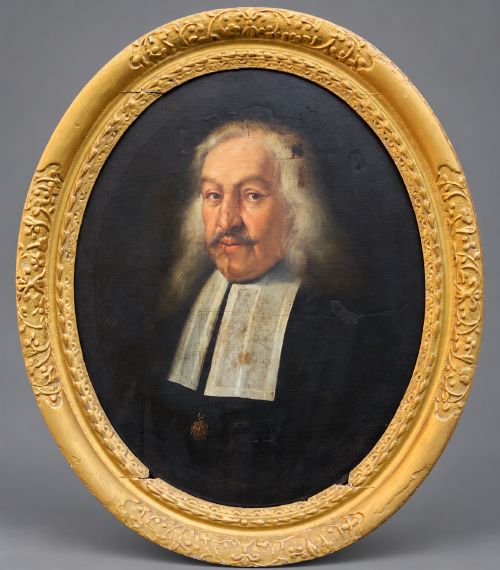
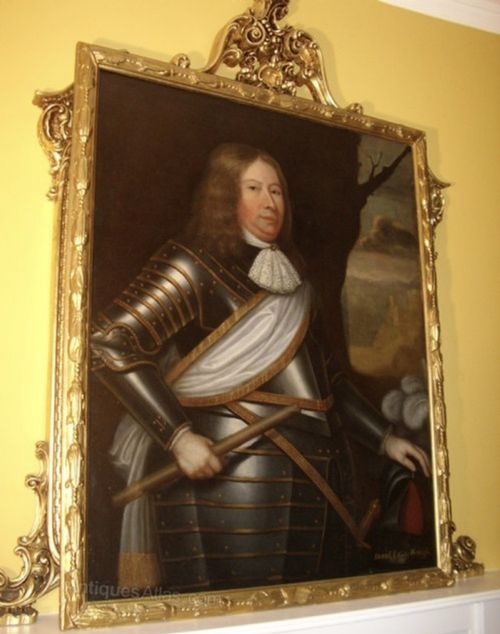
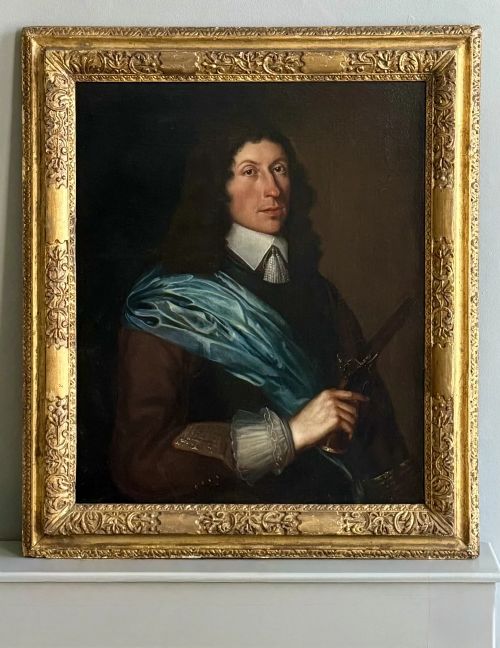
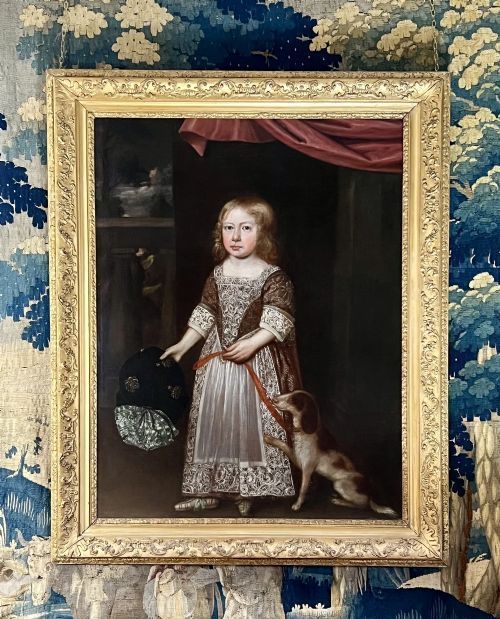
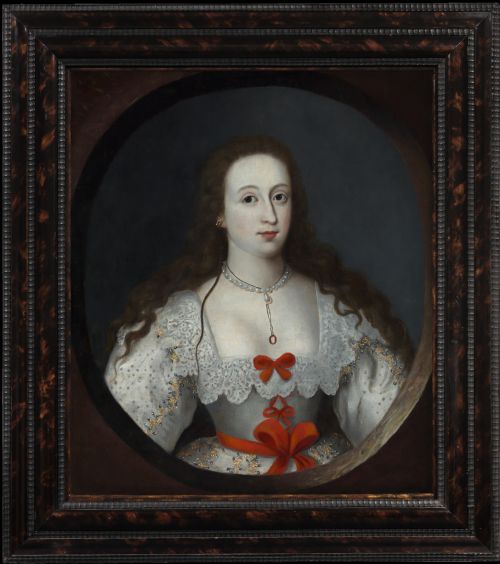
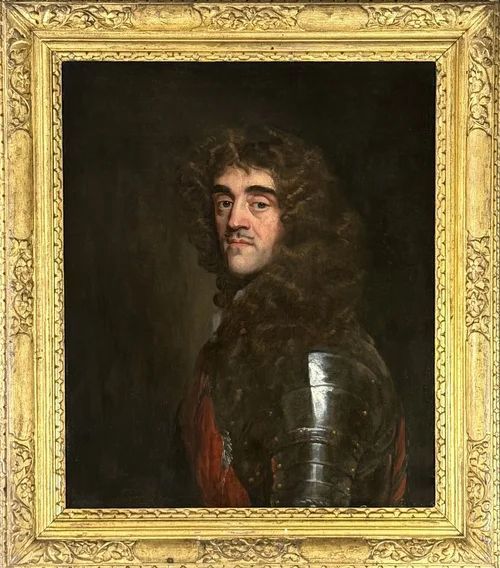
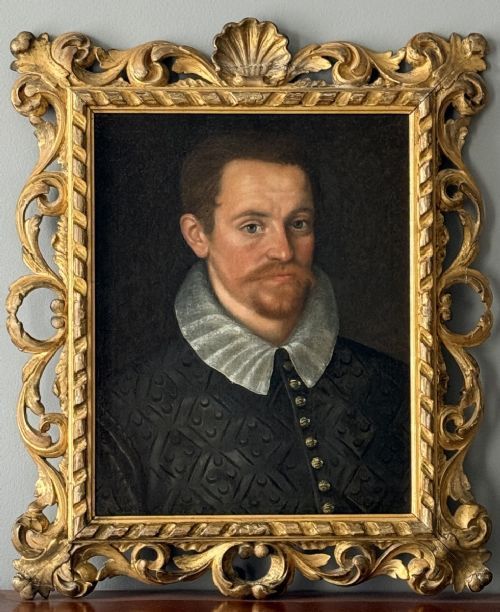
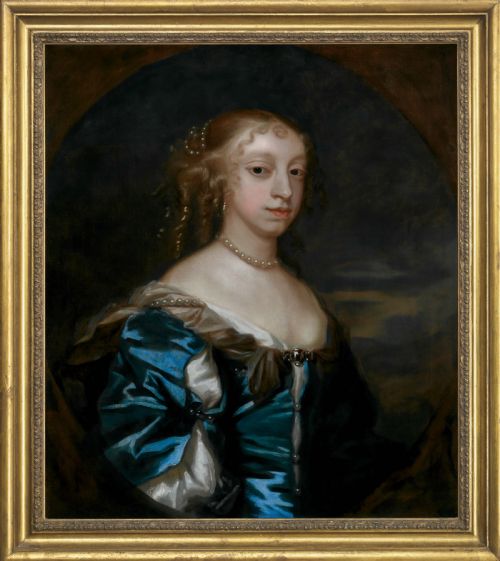
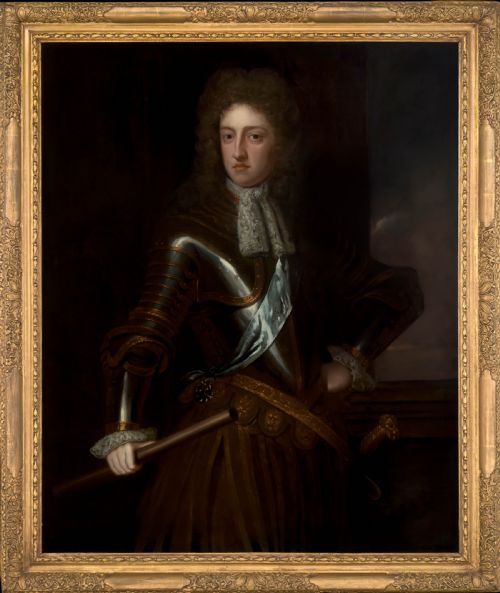
A buyer examining 17th century canvas encounters works primarily executed in oil paint upon woven fabric supports, depicting figures, landscapes, and allegorical subjects. Portrait paintings dominate the selection, showing nobility, military officers, and gentlefolk rendered within British, Dutch, Flemish, and broader European schools.
The most common formats on this page reflect studio production, circle associations, and continental schools operating during the 1600s, alongside later reproductions and interpretations from subsequent centuries. These pieces record the shifting dress, posture, and social standing of the early modern period through layered oil mediums.
Subjects range from half-length armorial portraits to expansive garden landscapes and classical narratives, mapping the visual culture of the seventeenth century. Each piece carries the material traits of its era, visible in the preparation layers, crackle, and stretchers.
Materials and construction
Makers built these works using woven textile supports, typically stretched over wooden frames before receiving a ground layer of gesso or sizing to prepare the surface for pigment. Artists then applied oil paint, utilising binders of linseed or walnut oil combined with ground minerals and earth pigments.
Finishing touches often included protective varnish layers that have aged over centuries, contributing to the characteristic craquelure and darkened tones seen across the surviving corpus. Frames of giltwood and carved wood frequently complement the primary canvas supports, adding structural rigidity and decorative borders.
17th Century Canvas Retail Price Guide 2026
Typical asking prices for 17th century canvas among the pieces listed under this phrase on Sellingantiques today, from the lower quarter to the upper quarter. They describe what is for sale here now, not the wider market.
Several noble subjects gaze out across the centuries wearing impossibly stiff ruff collars that look ready to slice bread.
Factors determining quality
The distinction between standard workshop production and masterwork output rests upon the surety of brushwork, anatomical precision, and the psychological depth captured in facial expressions. Paintings attributed directly to named masters or close circles display refined handling of drapery, lace, and skin tones compared to more rigid provincial copies.
Surface preservation significantly influences the standing of a work, particularly the integrity of the original canvas weave, the stability of the ground layer, and the extent of historical retouching. Original stretchers, period frames, and clear provenance records further elevate the stature of a piece within historical collections.
Sir Godfrey Kneller·Sir Peter Lely·John Michael Wright·Constantyn Netscher·Mary Beale
The 17th Century Canvas Glossary
- Craquelure
- The fine network of minute cracks that forms across the surface of aged oil paint and varnish over decades. This natural phenomenon helps experts verify the age of a canvas.
- Ground
- The preparatory layer applied directly to the raw canvas before the artist begins painting. It seals the fabric and provides a stable, uniform working surface.
- Circle of
- A designation indicating that an artist worked in the direct studio or close stylistic environment of a master. It denotes high-level contemporary production without direct attribution.
- Stretcher
- The wooden frame over which the canvas is pulled tight and secured. Original period frames provide key clues regarding the age and history of the artwork.
- Pentimento
- An alteration visible beneath the final paint layer where the artist changed their mind about a composition. These adjustments appear as faint ghostly outlines through aged pigment.
17th Century Canvas: Frequently Asked Questions
How do I care for a 17th century canvas?
Keep the painting away from direct sunlight, high humidity, and rapid temperature fluctuations that can cause the wood and fabric to warp. Dust the surface very gently with a dry, soft brush without applying pressure to the fragile paint layers.
Avoid using any liquid cleaners, moisture, or chemical solvents on the canvas or the frame. Professional conservation should be left to trained specialists if structural issues arise.
Are these paintings original to the 17th century?
The listings include authentic seventeenth-century works created by contemporary schools and studio circles, alongside later interpretations and copies from the nineteenth and twentieth centuries. Each listing specifies the attributed period or creation date based on style, materials, and historical evidence.
Examining the canvas weave, stretcher construction, and pigment ageing helps distinguish original seventeenth-century pieces from later revival works.
What is an oil on canvas painting?
This traditional painting medium uses pigments suspended in a drying oil, typically linseed oil, applied onto a prepared woven fabric support. The technique allows for smooth blending, rich colour depth, and luminous glazes that endure for centuries.
The flexibility of canvas combined with durable oil paint enabled artists to create large-scale portraits and detailed narrative scenes with remarkable permanence.
How can I tell different painting schools apart?
Painting schools are identified through distinct regional characteristics, such as the meticulous detail and domestic intimacy of Dutch works compared to the grand, theatrical staging of Flemish Baroque pieces. British portraits of the era often emphasise distinct costume elements, linear precision, and aristocratic status.
Comparing brushwork techniques, palette choices, and subject matter against documented regional styles helps clarify where and within which tradition a work was produced.