
17th Century Canvas Art
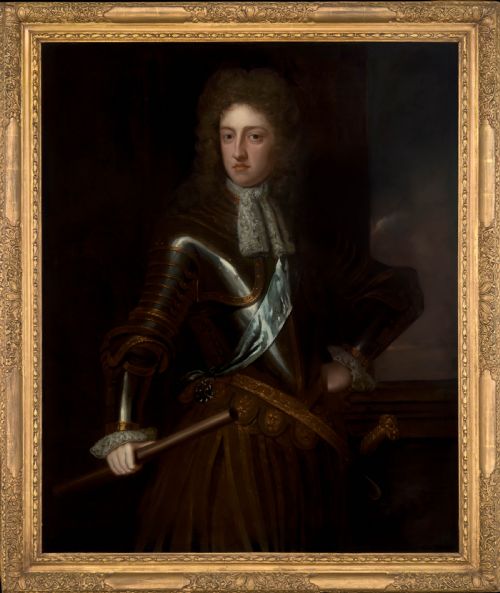
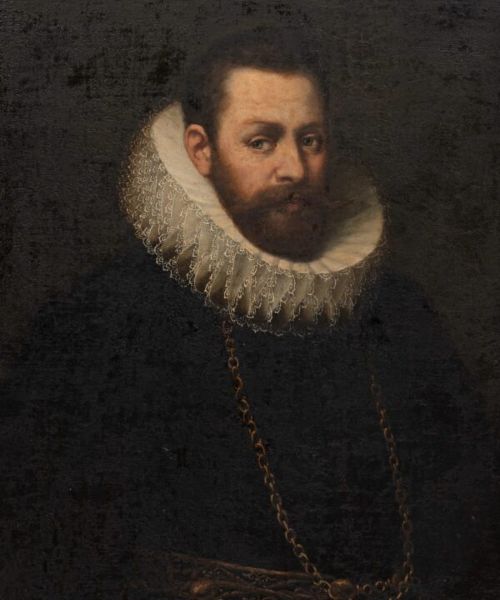
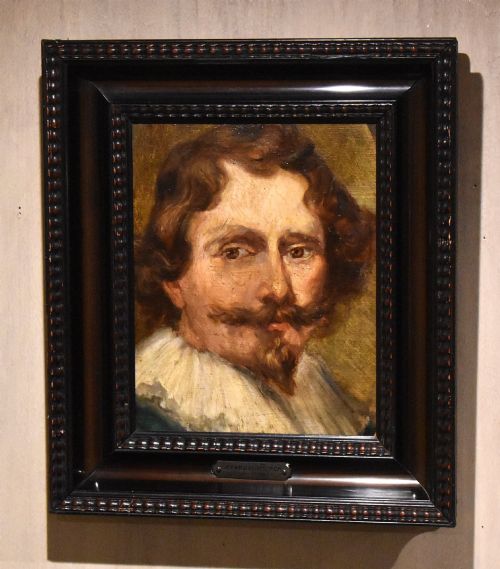
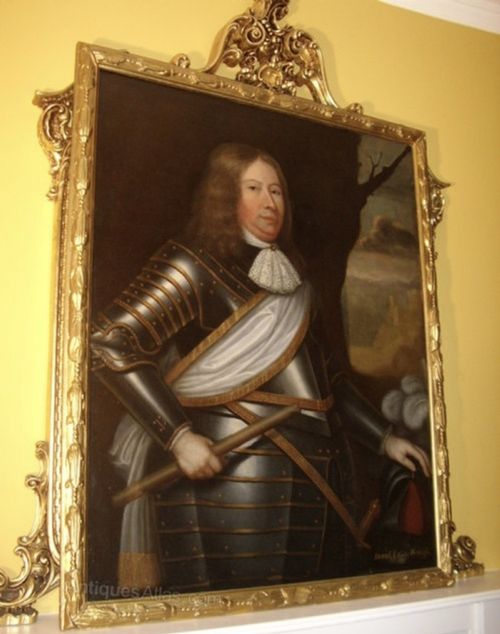
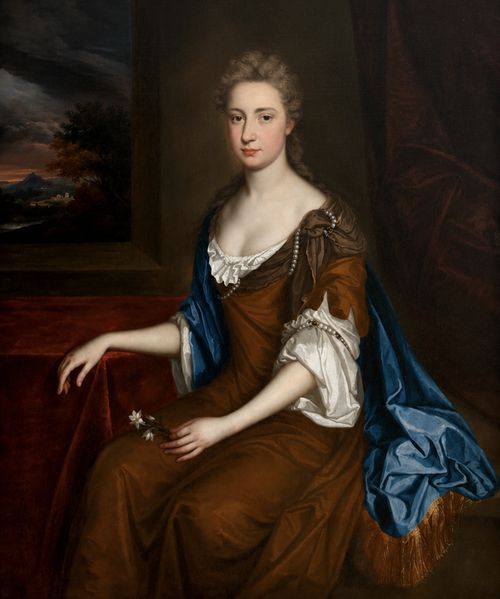
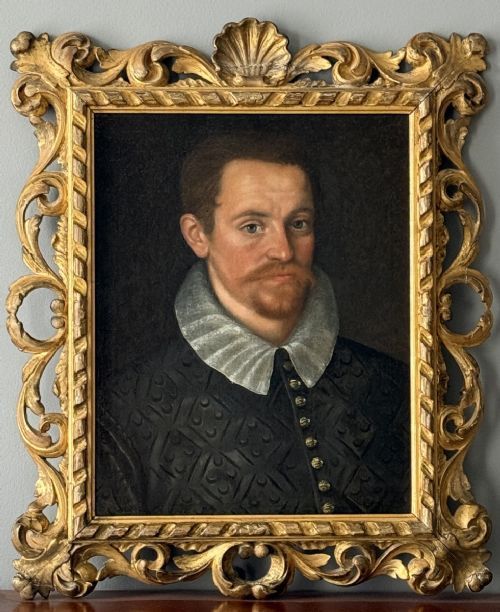
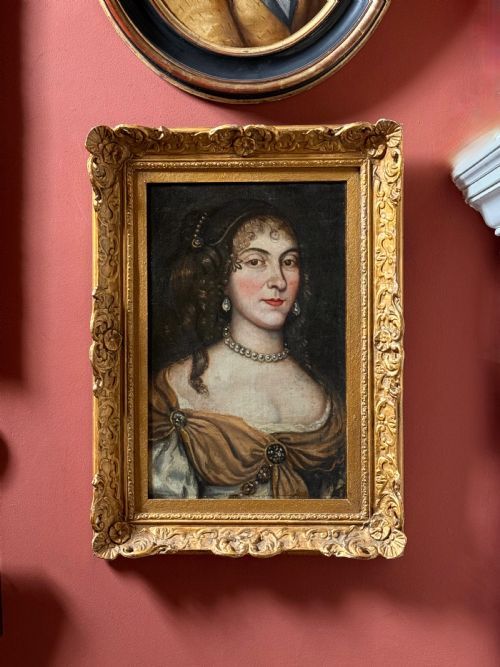
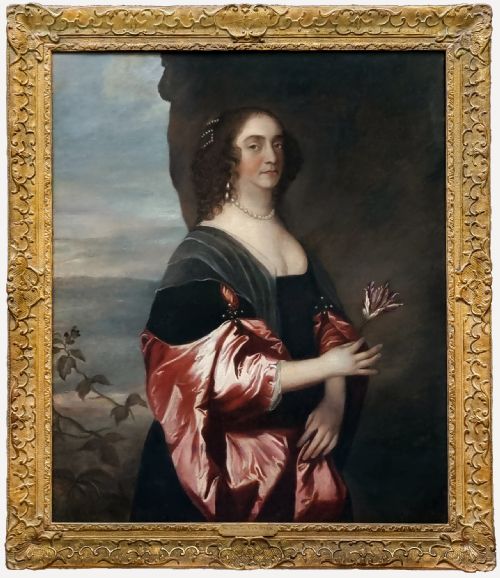
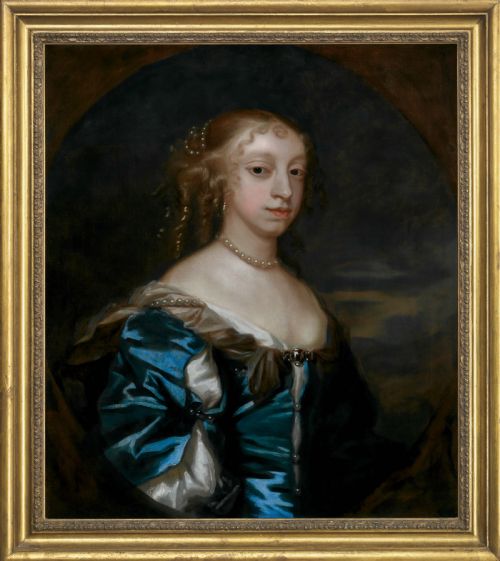
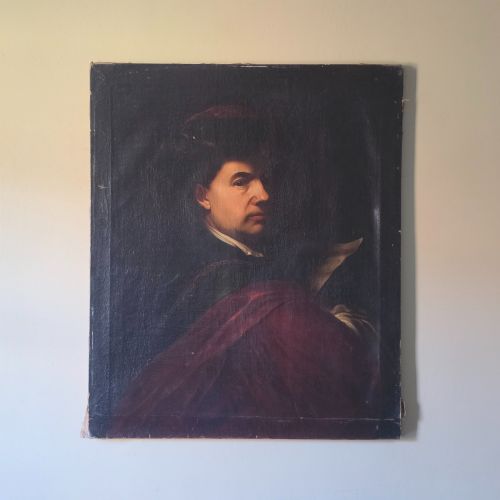
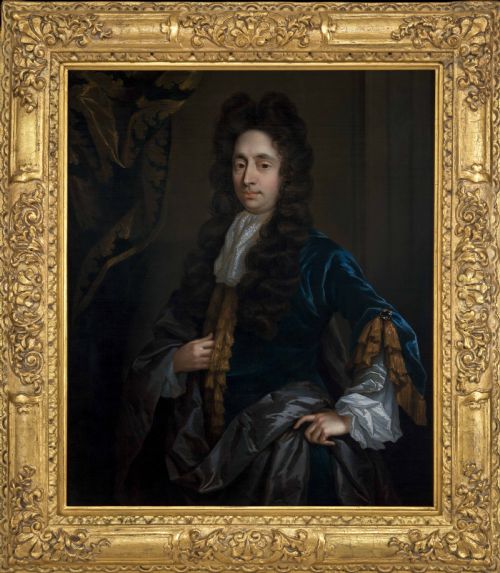
When buying 17th century canvas art, collectors acquire oil paintings on canvas that capture historical portraiture and narrative scenes from Baroque ateliers.
17th Century Canvas Art
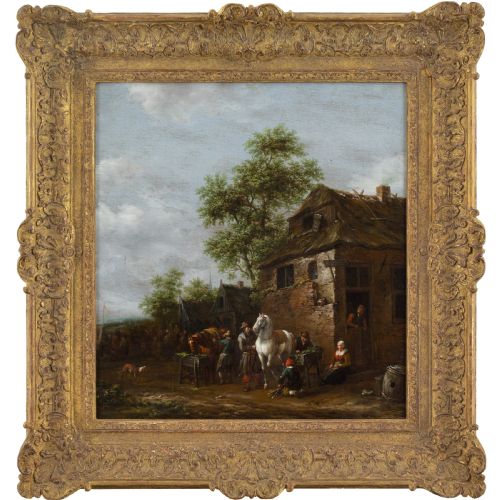
Collectors searching for 17th century canvas art encounter oil paintings that predominantly feature elite portraits, mythological scenes, and maritime subjects. The selection spans works attributed to British, Dutch, Flemish, and Italian schools from the period.
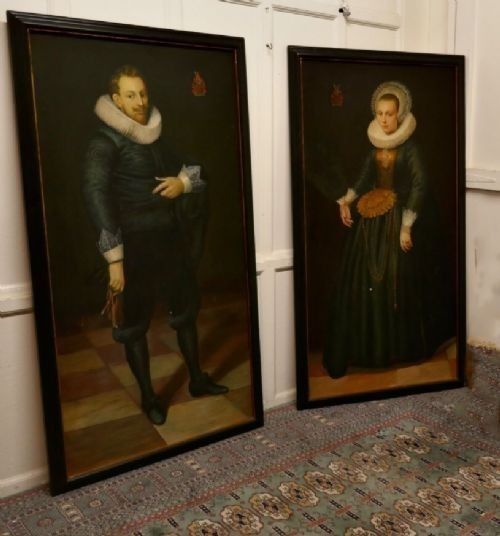
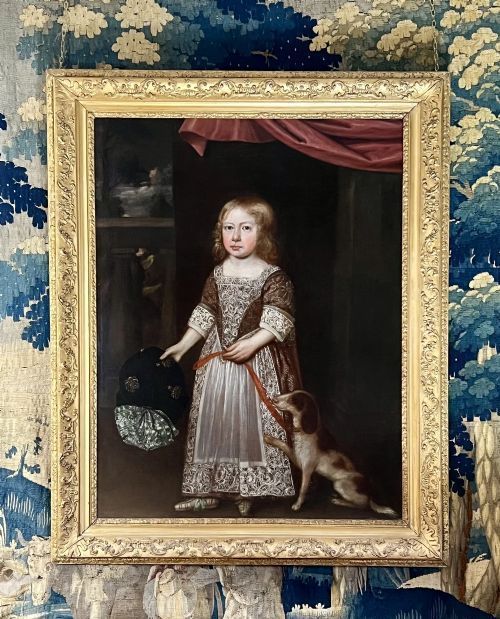
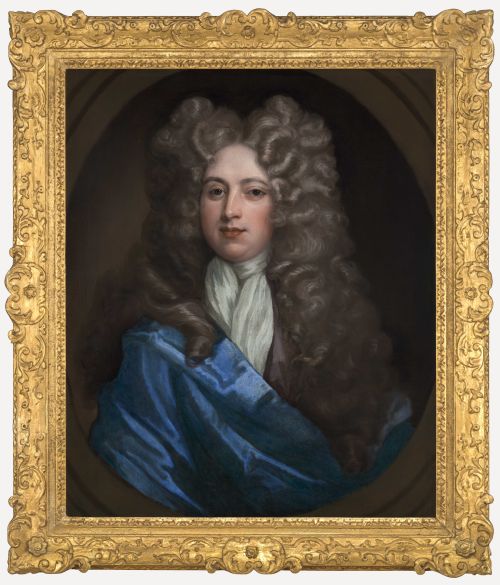
Most examples on this page are oil on canvas paintings, including portrait paintings of nobility and military officers alongside landscapes and still life compositions. Pieces frequently connect to circles of prominent portraitists from the era.
Beyond authentic seventeenth-century items, the inventory includes later copies and interpretations executed in subsequent centuries, maintaining traditional subjects on canvas supports.
Materials and Construction
Makers applied oil paint to woven canvas supports, sometimes stretched over wooden frames or secured with gilt wood and gold leaf framing elements.
Pigments were layered using traditional techniques of the Dutch Golden Age and broader Baroque schools to achieve depth in drapery, flesh tones, and background landscapes.
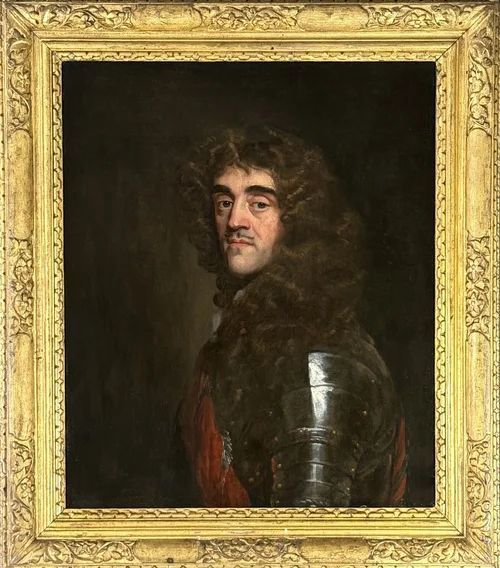
King Charles II stares down modern viewers with the exact same royal skepticism he directed at seventeenth-century parliamentarians.
Evaluating Quality and Execution
The standard of painting varies significantly between works produced by master artists in prominent workshops and those executed by regional schools or later copyists. Finer pieces demonstrate superior brushwork in facial expressions, hands, and textile textures.
Condition and originality dictate the standing of a canvas within the market. Intact paint layers, minimal historical restoration, and period-appropriate stretcher frames elevate the desirability of individual works.
SIR PETER LELY·JOHN HAYLS·SIR GODFREY KNELLER·PIETER BORSSELER·JOHN MICHAEL WRIGHT
The 17th Century Canvas Art Glossary
- Baroque
- A European artistic style from the seventeenth century characterised by drama, deep shadow, and rich detail. It heavily influences the composition of these oil paintings.
- Circle of
- A designation indicating an artist worked closely within the style and period of a master, often in the same studio. It denotes a high level of contemporary competency.
- Oil on Canvas
- A painting medium where pigments suspended in oil are applied to a woven fabric support. This method became standard for portable fine art during the seventeenth century.
- Pentimento
- An alteration in a painting where previous brushstrokes show through the upper layers of paint. This reveals the artist changing their composition during the creative process.
- Old Master
- A term for a European painter of skill who worked before the nineteenth century. These creators form the bedrock of historical fine art collecting.
17th Century Canvas Art: Frequently Asked Questions
What subjects appear in 17th century canvas art?
The available artworks predominantly display portraits of nobility, military officers, and gentlefolk from British and European lineages. Narrative religious scenes, still life arrangements of fruit, and maritime views also populate the category.
These subjects reflect the patronage systems of the Baroque period, where portraiture served as a primary marker of status and political allegiance.
How do you identify a period piece versus a later copy?
Authentication relies on examining the physical canvas, preparation layers, and the ageing of the oil paint itself. Material analysis often reveals historical hand-woven textiles and period stretching techniques distinct from modern reproductions.
Stylistic execution, brushwork confidence, and historical context regarding the sitter or workshop further clarify the age of the painting.
How should these oil paintings be displayed?
These canvases require stable interior environments away from direct sunlight and dramatic fluctuations in humidity. Proper wall placement protects the delicate oil paint and underlying fabric from environmental stress.
Many pieces are housed in period giltwood frames that complement the aesthetic of the Baroque era and provide structural support to the edges of the canvas.
What does attribution to a school mean?
Attributions such as Anglo-Dutch School or Northern European School indicate that an artwork originates from a specific regional tradition rather than a documented individual hand. These pieces share stylistic conventions and technical approaches with known masters of those areas.
Such designations help historians categorise anonymous works created within thriving artistic centres of the seventeenth century.