


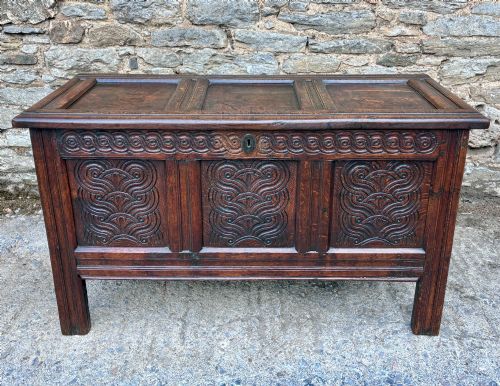
17th Century Box
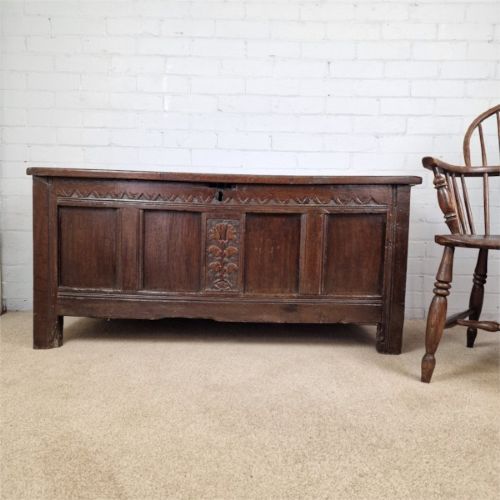
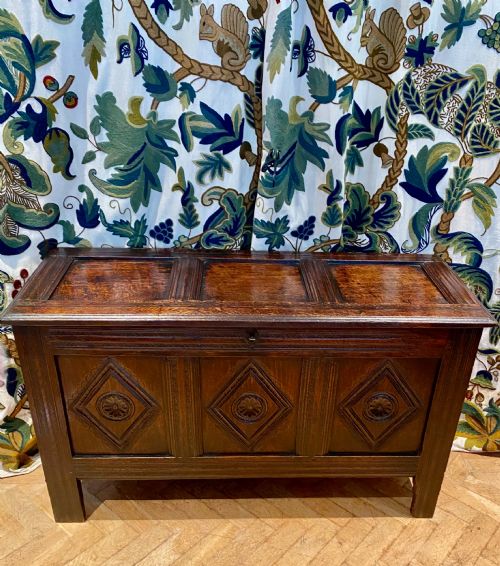
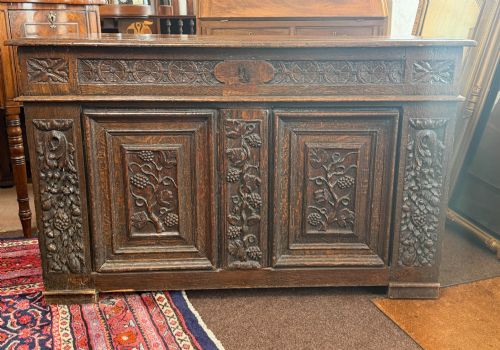
When searching for a 17th century box, collectors encounter sturdy oak coffers, small table-top bible boxes, and iron-bound strong boxes built for security and domestic storage.
17th Century Box
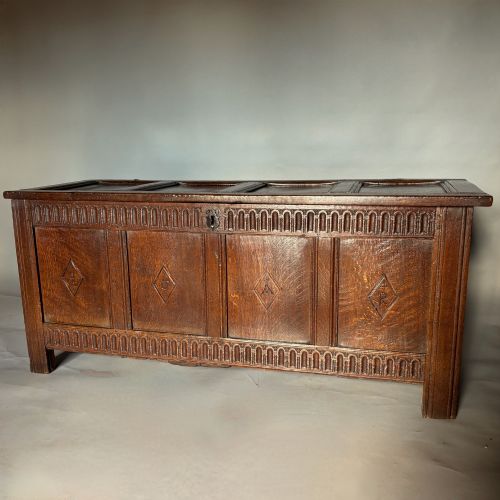
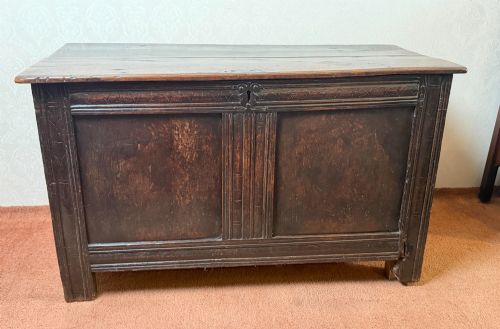
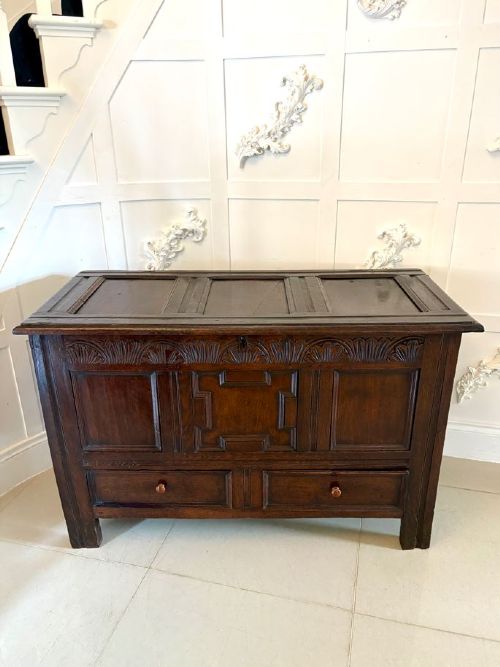
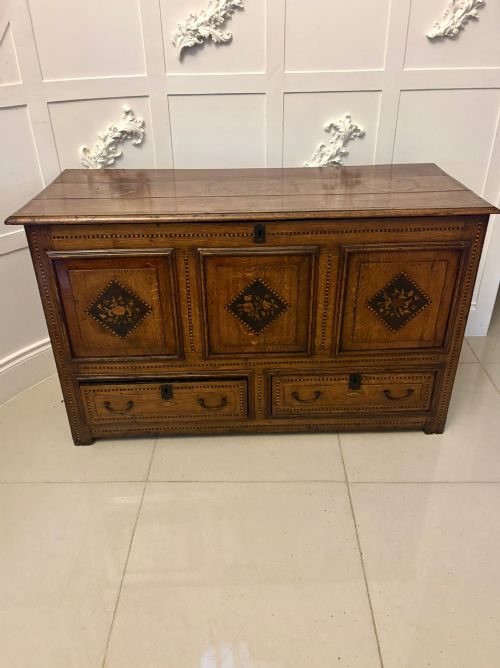
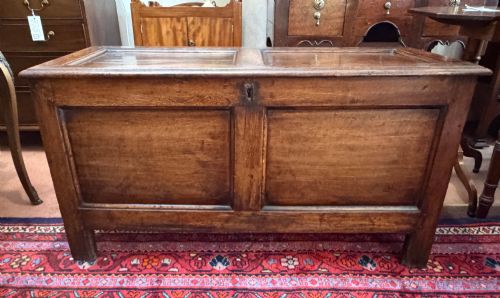
A 17th century box covers a diverse domestic range from large panelled oak coffers and mule chests to smaller desk boxes, bible boxes, and travelling strong boxes. Buyers searching this phrase meet substantial joined oak storage pieces alongside intricate veneered lace boxes and leather travelling trunks.
The heavier coffer and blanket chest forms serve general household storage, while compact desk and writing slope boxes cater to literacy and document preservation. Smaller table-top formats include miniature portrait boxes, deed boxes, and tabletop Bible boxes designed for personal items.
Materials and construction methods
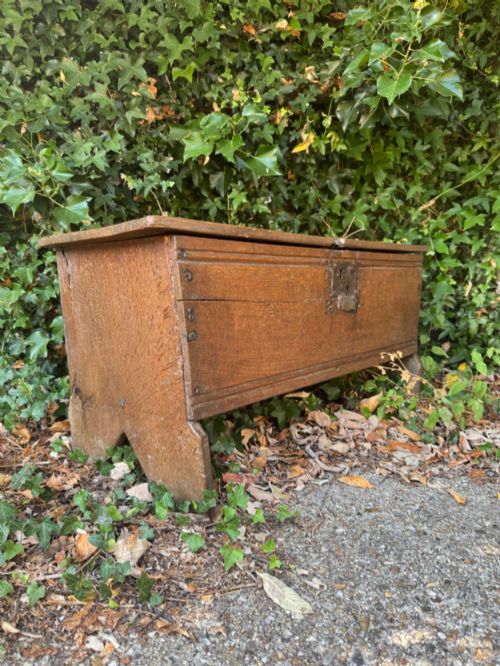
Joinery dominates the period, utilising sturdy oak planks assembled with mortise and tenon joints, pegged frames, and hand-split boards for six-plank constructions. Elm, fruitwood, and pine also support regional pieces, while luxury examples apply marquetry inlay and veneers of kingwood, olive wood, and mixed woods over secondary timbers.
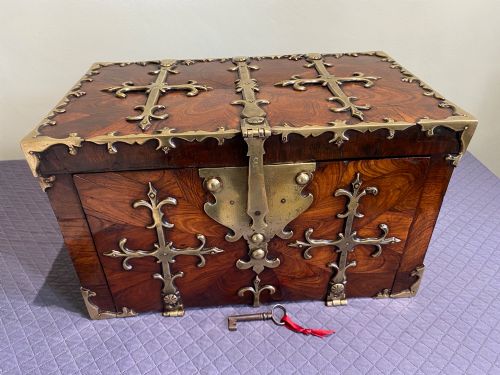
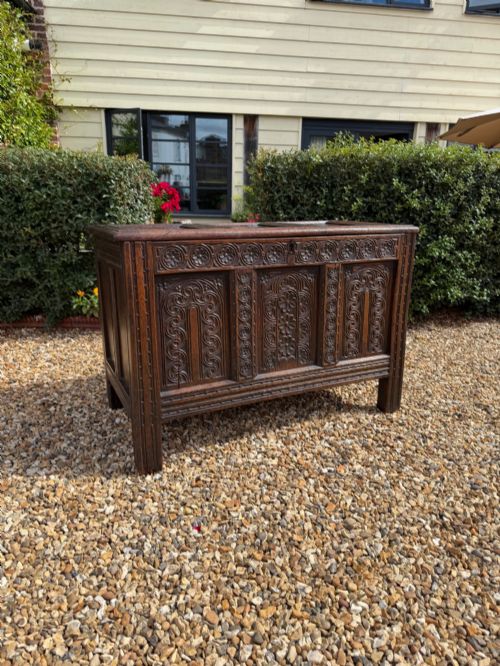
Hardware consists of hand-forged iron hinges, strapwork, and original brass locks or mounts that secure strong boxes and coffre fortes. Surface decoration relies on chip carving, geometric panel mouldings, and occasional traces of early paint or leather coverings secured with brass tacks.
Child's lambing chairs and box seats prove that seventeenth-century furniture makers loved hiding storage compartments underneath everyday seating.
Factors influencing quality
Quality rests upon the originality of the timber, surface patina, and structural integrity, where untouched original boards and period ironwork command greater appreciation than heavily restored examples. The crispness of hand-carved motifs and the complexity of marquetry or oyster veneers differentiate standard domestic items from high-status commissions.
Proportion and form dictate desirability, with smaller table boxes, miniature strong boxes, and panelled coffers possessing fine joinery standing apart from utilitarian or later revival pieces.
The 17th Century Box Glossary
- Coffer
- A large wooden chest used historically for storage of valuables, linens, and documents. These pieces typically feature heavy oak construction with hinged lids.
- Bible box
- A small, sloped or flat-topped wooden box designed to hold a family Bible and writing materials. Many examples sat upon tables or dedicated stands.
- Strong box
- A heavily fortified chest reinforced with iron straps and complex locking mechanisms to secure currency and bullion. Also known by the continental term coffre forte.
- Six-plank
- A simple construction method utilising six boards pinned together at the corners to form a basic chest. This technique represents early vernacular furniture making.
- Marquetry
- The art of applying decorative veneer slices in wood or other materials to form geometric or floral patterns. This technique appears on high-status storage boxes.
17th Century Box: Frequently Asked Questions
How were these boxes used in seventeenth-century homes?
Household storage relied heavily on these pieces to secure precious documents, linens, valuables, and family Bibles from dampness and theft. Large coffers housed bulky textiles, while smaller deed and lace boxes protected personal items.
Portable strong boxes and travelling trunks provided security for merchants and officials moving currency and legal papers across distances.
How can I tell a period piece from a later revival?
Authentic period construction displays hand-tooled joinery, pegged tenons, and authentic timber shrinkage rather than modern mechanical fixings. Tool marks, hand-forged iron hardware, and natural surface patination develop through centuries of use.
Revival pieces, such as those made in later centuries, often utilise machine-sawn timber, uniform internal components, and applied artificial ageing.
How should I care for an antique wooden box?
Maintain stable indoor humidity and temperature away from direct heat sources and sunlight to prevent wood splitting and veneer lifting. Gentle dusting with a dry cloth preserves the fragile historic surface.
Avoid modern liquid polishes, utilising traditional natural waxes sparingly only when the dry timber requires nourishment.