
17th Century Baroque Art
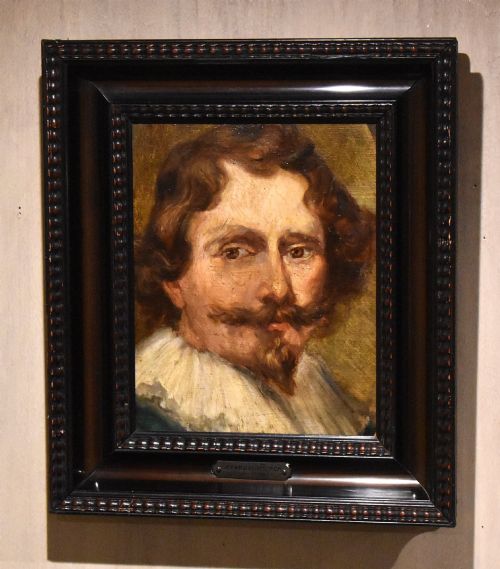
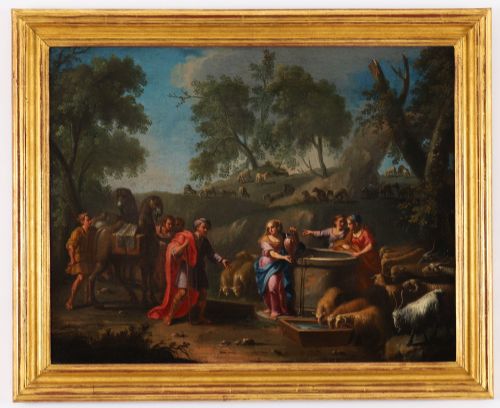
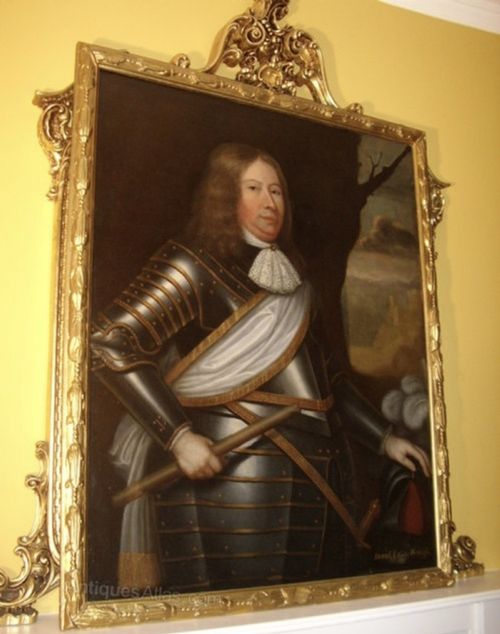
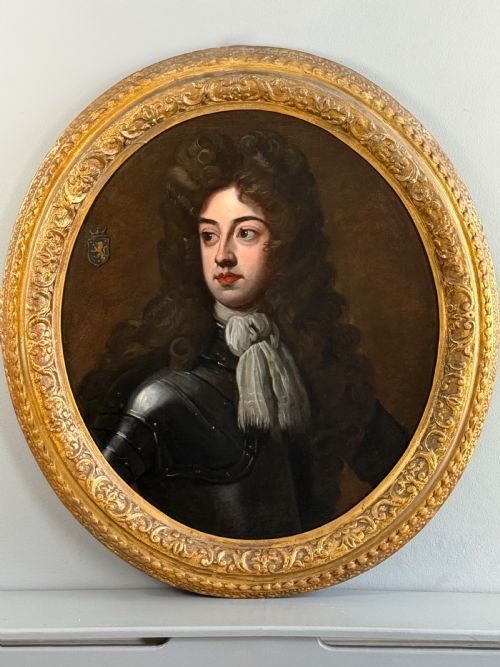
When exploring 17th century baroque art, collectors encounter striking oil paintings and framed prints that capture grand portraiture and classical scenes.
17th Century Baroque Art
When searching for 17th century baroque art, buyers primarily examine oil paintings on canvas or panel depicting nobility, military officers, and mythological figures. These works encompass British, Dutch, Flemish, Italian, Spanish, and German schools from the period.
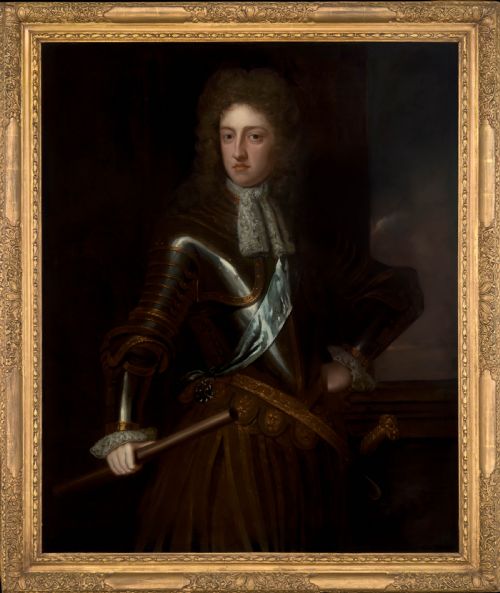
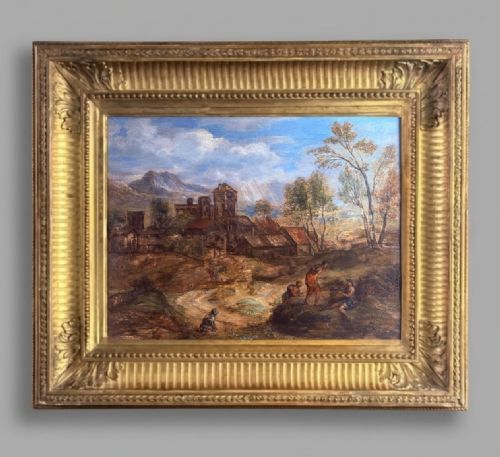
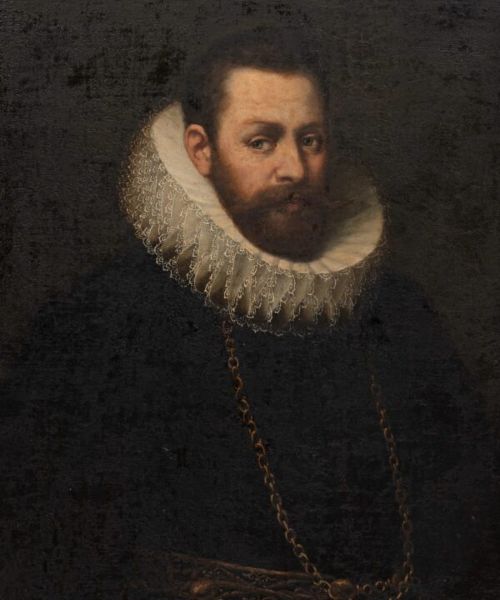
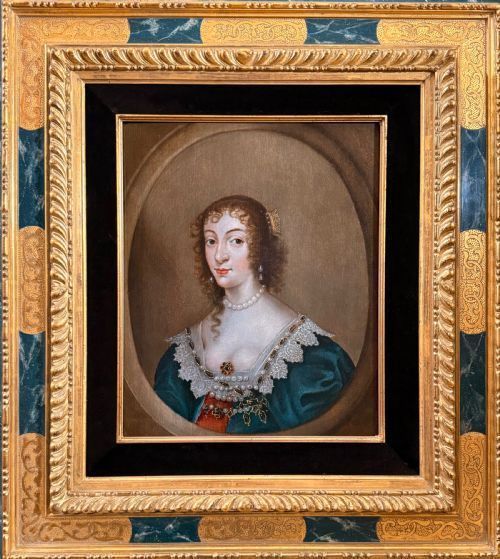
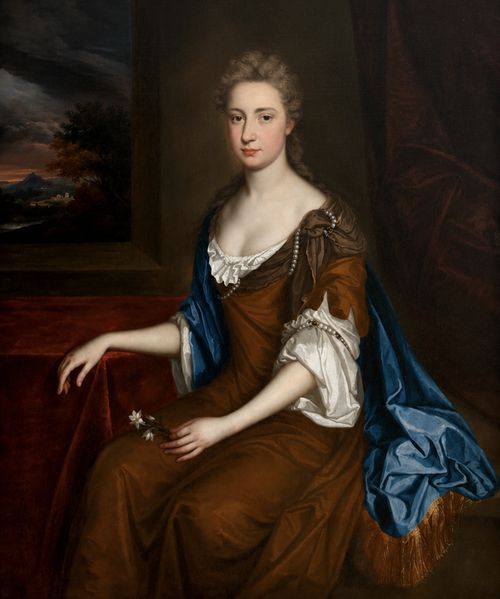
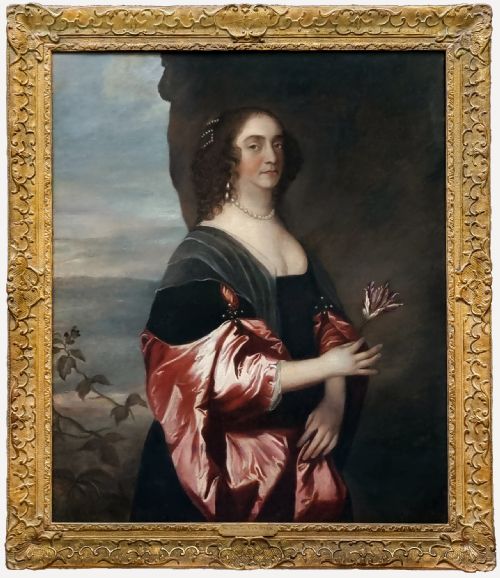
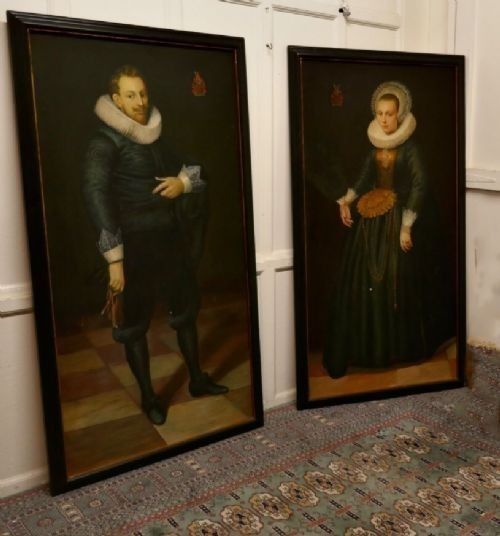
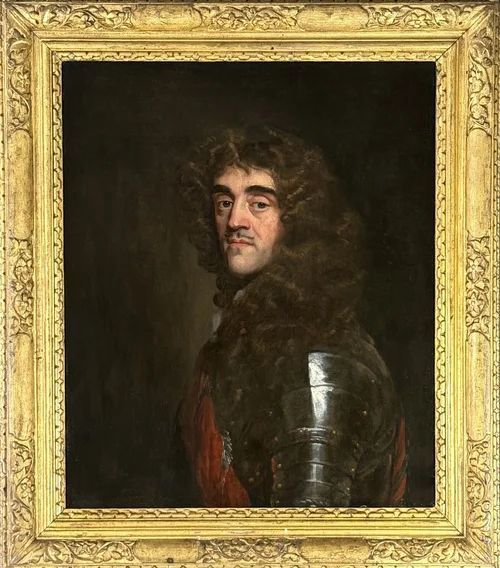
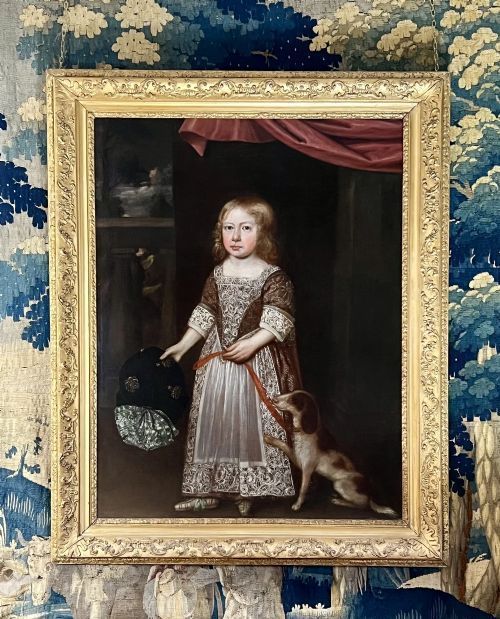
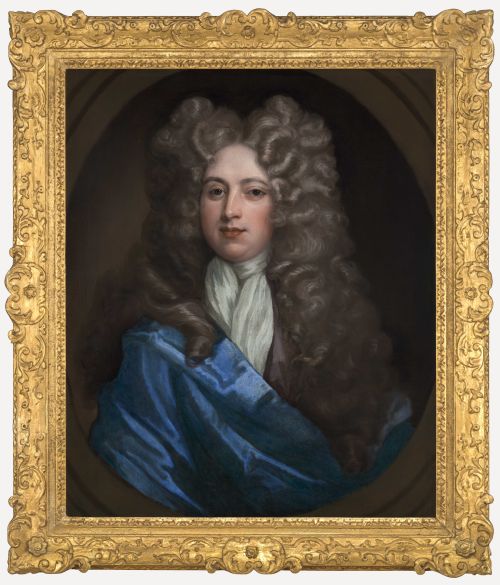
The selections available on this page lean heavily towards portraiture, featuring subjects in elaborate costumes, armour, and drapery. Landscape and classical narrative scenes also appear, reflecting the theatricality of the era.
Most entries originate from the seventeenth century itself, though some later reinterpretations and associated mezzotints dating towards the early eighteenth century surface within the selection. These pieces bridge distinct continental and island aesthetics.
Materials and Technique
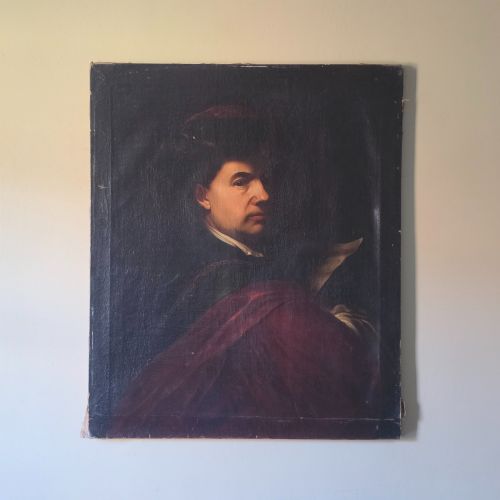
Artists of this period applied oil paint onto woven canvas supports or wooden panels, building rich textures through layered glazes. Giltwood frames frequently house these paintings, complementing the dramatic lighting and deep shadows characteristic of the movement.
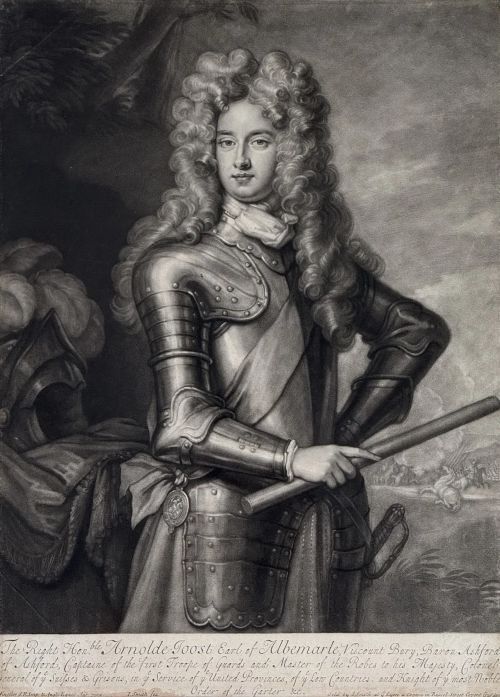
Printmakers utilised paper to produce mezzotints, translating painted portraits into tonal black-and-white impressions using rocked metal plates. Artisans also employed silk thread for intricate embroidered panels depicting classical masks and grotesques.
Pigments were mixed manually by studio assistants or the masters themselves, creating deep earth tones, vibrant reds, and rich blues. Panel supports required careful preparation with gesso grounds before brushwork commenced.
Several seventeenth century noblewomen immortalised in these paintings are depicted casually harvesting citrus fruit or clutching stray lapdogs.
Variations in Quality
Quality in these works often rests upon the distinction between the master's own hand, a studio workshop piece, or a later circle follower. Works produced directly by prominent portraitists display superior handling of fabric textures, skin tones, and facial expression.
The preservation of the pigment layer and canvas tension dictates the visual impact of a canvas. Minimal overpainting and original stretcher frames elevate the historical integrity of the piece.
Compositional confidence and anatomical precision separate standard decorative studio output from exceptional fine art. Skilled draughtsmanship in hands, lace cuffs, and periwigs reveals the true capability of the painter.
Sir Peter Lely·Sir Godfrey Kneller·John Michael Wright·John Hayls·François Perrier
The 17th Century Baroque Art Glossary
- Baroque
- An artistic style originating in the seventeenth century characterised by dramatic movement, deep shadow, and grand scale. It aimed to evoke emotional intensity and awe.
- Mezzotint
- A printmaking process where the copper plate is roughened to achieve dark tones and scraped to produce highlights. This technique allows for subtle gradations of light.
- Giltwood
- Wood carved and coated with gold leaf or gold paint. It forms the ornate frames typical of period display.
- Canvas
- Heavy woven fabric stretched across a wooden frame to serve as a painting surface. It replaced wooden panels for many large scale works.
- Periwig
- A long, elaborate horsehair or human hair wig worn by fashionable men during the later decades of the seventeenth century. It is a frequent feature in court portraiture.
17th Century Baroque Art: Frequently Asked Questions
What defines seventeenth century baroque art?
This category encompasses oil paintings, prints, and textiles created during the 1600s or strongly influenced by the aesthetic of that era. The style prioritises drama, rich fabrics, and intense character studies.
Subjects range from reigning monarchs and military commanders to mythological narratives and classical ruins. The visual focus centres on theatrical lighting and psychological depth.
How do I identify studio works versus master paintings?
Catalogues often attribute pieces to the circle, studio, or follower of a known artist rather than the master directly. Master works show superior confidence in brushwork and facial detailing.
Studio paintings were often executed by assistants under the supervision of the primary artist. Both hold historical importance but differ in execution and market standing.
Where should I hang a large period portrait?
These commanding works require stable wall space away from direct sunlight and damp conditions. Traditional oil paintings benefit from controlled indoor environments to protect the canvas and giltwood frame.
Pairing a dark portrait with panelled walls or muted interior tones enhances the theatrical atmosphere. Proper picture lighting helps reveal the subtle glaze layers.
How do prints fit into this category?
Mezzotints from the period served to disseminate the likenesses of prominent public figures across Europe. These printed works offer collectors an accessible entry point into seventeenth century portraiture.
Printed on paper, they capture the tonal qualities of original painted oils through meticulous plate engraving. They require protective framing behind glass to prevent paper degradation.