


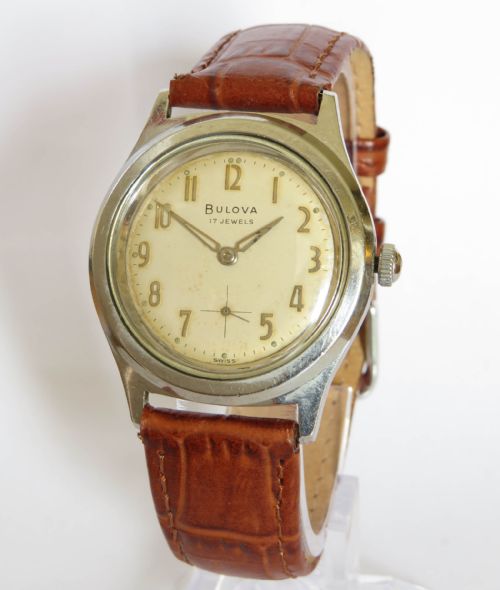


17 Jewels Vintage Watch
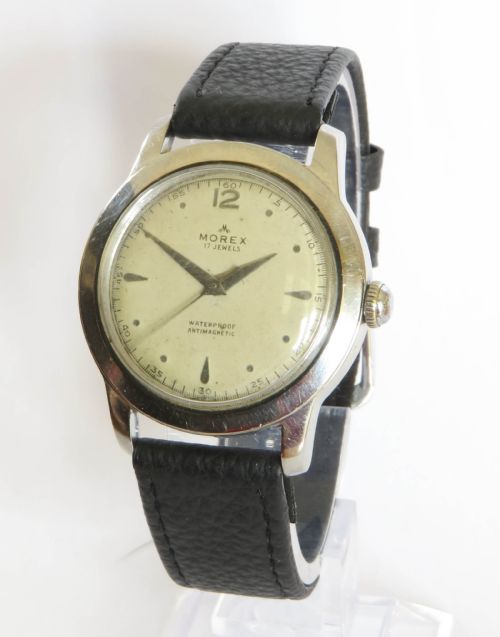
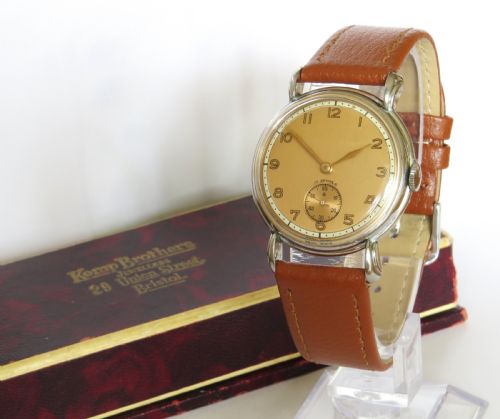
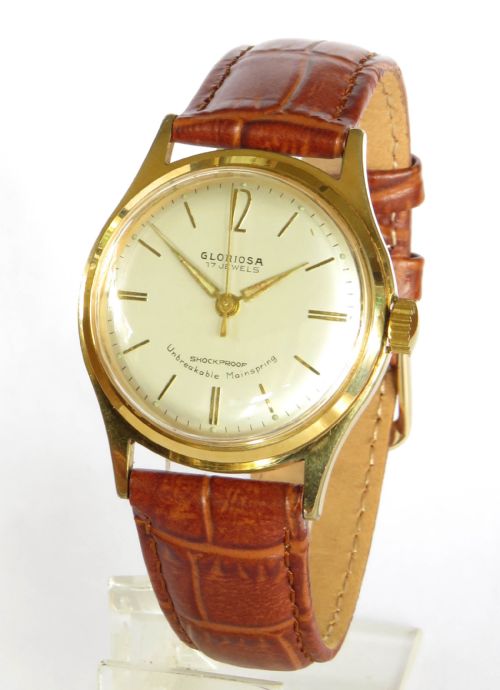
These 17 jewels vintage watch examples are precision mechanical timepieces spanning the Art Deco period through to the 1960s.
17 Jewels Vintage Watch
A 17 jewels vintage watch primarily takes the form of a gents wristwatch, though travel fob purse variants also appear. These timepieces hail predominantly from the 1950s and 1960s, alongside earlier Art Deco examples from the 1930s.
Makers and distributors such as Smiths, Longines, and Bulova produced these mechanical instruments during the mid-century period. Buyers encounter Swiss, British, and international movements housed in round or square dial configurations.
Materials and construction methods
Cases utilise metals including 9ct gold, gold plate, gold plated metal, stainless steel, and chrome. Acrylic or glass protects the dial face, while leather provides the strap material for wristwear.
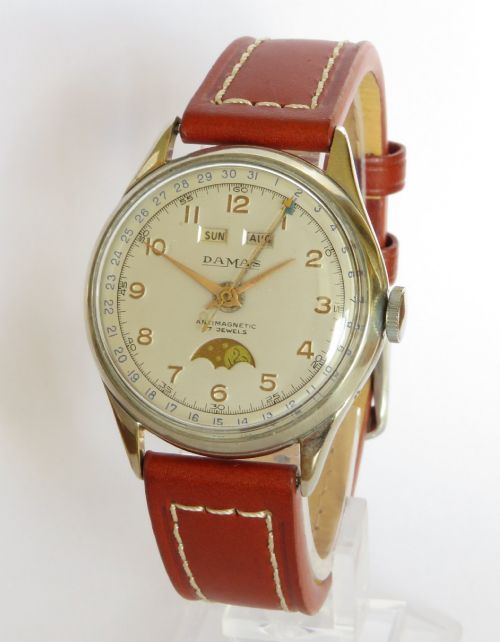
Manual wind mechanisms dominate the construction, incorporating seventeen jewelled bearings to reduce friction in the gear train. Chronograph, moonphase, and calendar complications appear in more complex Swiss builds.
17 Jewels Vintage Watch Retail Price Guide 2026
Typical asking prices for 17 jewels vintage watch among the pieces listed under this phrase on Sellingantiques today, from the lower quarter to the upper quarter. They describe what is for sale here now, not the wider market.
Some watches fold neatly into their own leather purses, ready for a pocket journey.
Distinctions in build and material grade
Precious metal cases in 9ct gold sit at the upper end of the material spectrum compared to chrome and base metal platings. Solid gold housings denote higher intrinsic value than gold plated alternatives.
Complicated movements featuring chronographs, triple date displays, or moonphase mechanisms demonstrate advanced horological assembly. Simpler time-only dials represent the standard output of the period.
Montilier·Seiko Sportsman Diashock·Bulova·Lanco Sport·Smiths Deluxe·Belair·Invicta·Vogel·Mappin·Smiths De Luxe·Longines Flagship·Miramar·Avia Olympic·Beltane
The 17 Jewels Vintage Watch Glossary
- Jewels
- Synthetic rubies or sapphires placed at pivot points in a movement to minimise friction and wear. Seventeen is the standard minimum for a fully jewelled non-automatic watch.
- Chronograph
- A watch equipped with a stopwatch function alongside the standard time-displaying hands. Independent sub-dials record elapsed seconds and minutes.
- Moonphase
- A complication on the dial that displays the current lunar cycle. It tracks the phases from new moon through to full moon and back.
- Manual wind
- A movement powered by manually turning the crown to tension the mainspring. Unlike automatic calibres, it contains no oscillating rotor.
- Fob purse watch
- A portable timepiece enclosed within a leather or metal case designed to fold shut. They sit in pockets or travel bags rather than strapping to the wrist.
17 Jewels Vintage Watch: Frequently Asked Questions
What does seventeen jewels mean on a watch?
Seventeen jewels indicates the presence of seventeen synthetic ruby bearings within the mechanical movement. These gems reduce friction on the moving pivots.
This jewel count was considered the functional minimum for a fully jewelled watch movement during the mid-twentieth century.
How do I wind a manual watch?
You turn the crown clockwise between your thumb and forefinger until slight resistance is felt. Stop winding immediately when tension increases to avoid damaging the mainspring.
Most vintage mechanical pieces require winding daily to maintain accurate timekeeping throughout use.
What is a 24-hour dial?
A 24-hour dial displays the full day across a single rotation of the hour hand rather than the standard two rotations. The midday point sits at the bottom of the dial face.
This layout appeared on specific military and utility watches of the period for unambiguous time reading.
How do I date a vintage watch?
Dating relies on movement serial numbers, case hallmarks, stylistic cues, and manufacturer records. Art Deco pieces show geometric square cases from the 1930s.
Fifties and sixties models exhibit distinct mid-century design traits, such as minimalist baton markers or chronograph sub-dials.