



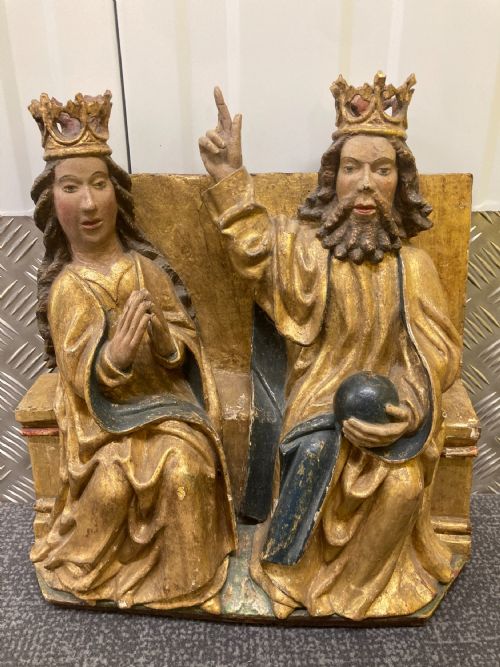


16th Century Art
These examples of 16th century art bridge medieval devotion and Renaissance humanism, offering tangible connections to a turbulent European and Asian past that collectors prize for authenticity and craftsmanship.
16th Century Art
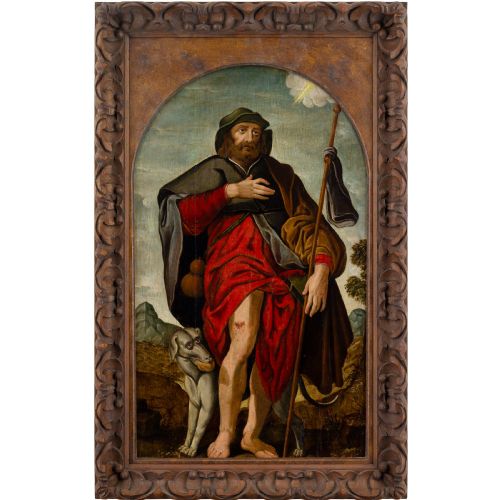
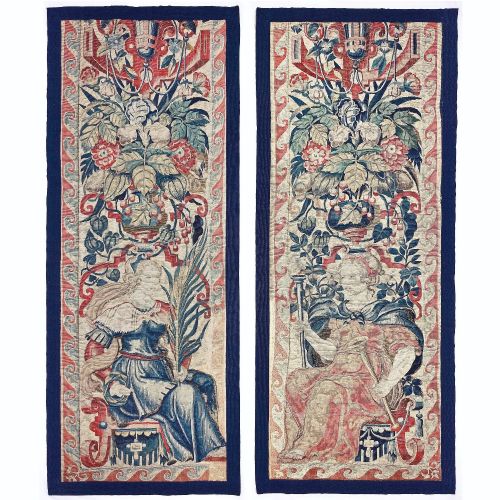
16th century art includes oil paintings, carved limewood and walnut sculptures, tapestries, scholar's objects, and early printed maps spanning European and Asian workshops. You will encounter works originating from Italian, Flemish, English, German, Spanish, and Ming Dynasty traditions.
The objects on this page range from period originals created in the 1500s to later revival pieces from the twentieth century that deliberately emulate Tudor and Renaissance aesthetics.
Materials and construction
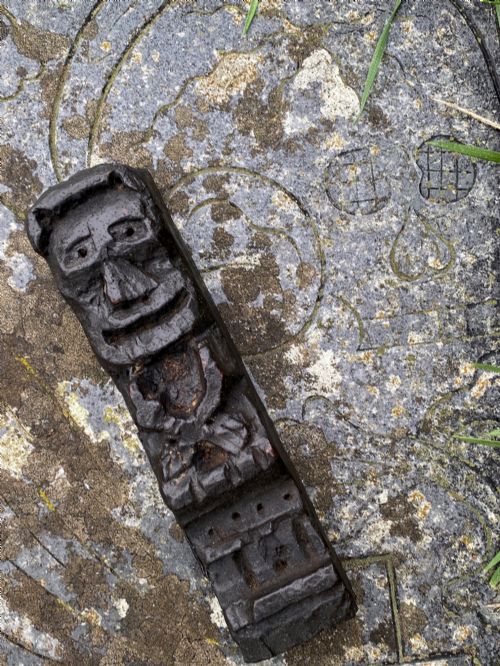
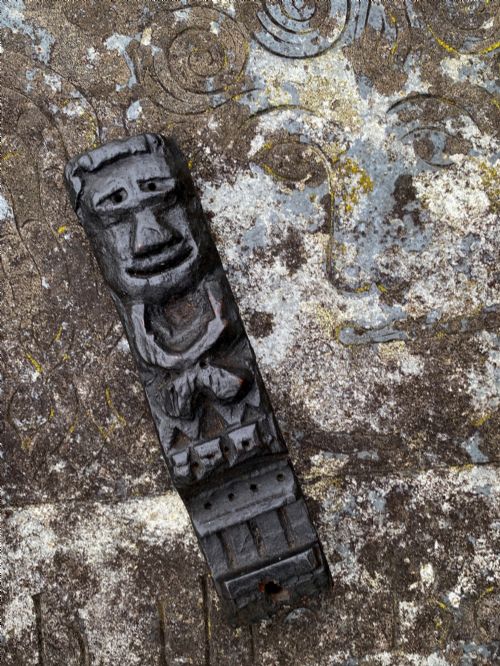
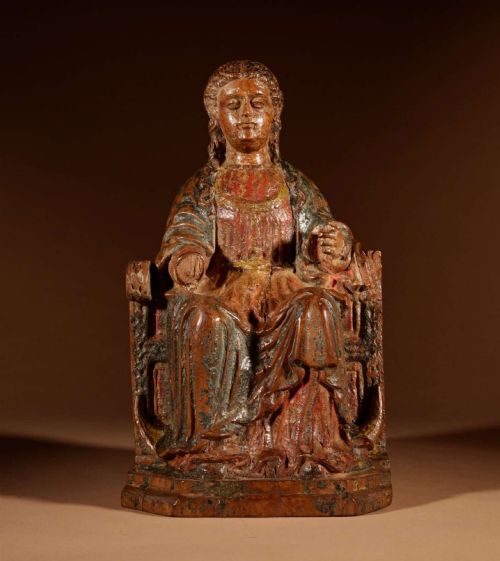
Painters utilised oil on canvas, panels of wood, and paper applying pigments with gold leaf and giltwood accents. Sculptors carved dense timbers such as walnut, oak, and limewood, frequently finishing figures with polychrome paint and parcel gilding.
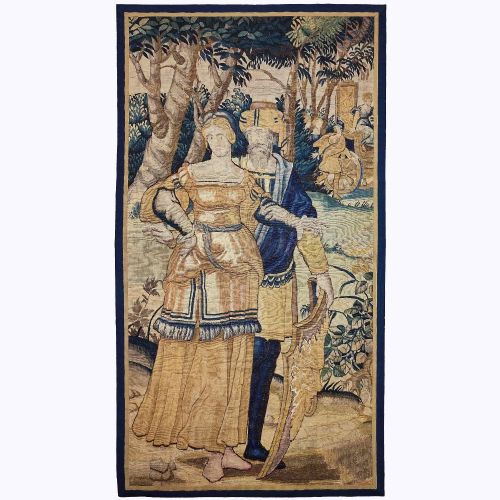
Tapestries combined woven threads of wool and silk to form large wall hangings, whilst metalworkers cast bronze and brass to produce scholar's seals and ritual figures.
16th Century Art Retail Price Guide 2026
Typical asking prices for 16th century art among the pieces listed under this phrase on Sellingantiques today, from the lower quarter to the upper quarter. They describe what is for sale here now, not the wider market.
Listings feature wood, oil on canvas, gold leaf, glass, paper, and giltwood applied across Renaissance, Tudor, and Ming Dynasty aesthetics.
Distinctions in execution
Original surface treatments, including the integrity of the gesso, polychrome paint, and gold leaf, separate untouched period survivals from heavily restored or later decorative reinterpretations.
Studio M. Canals·Lavinia Fontana·Miguel Barroso·Benvenuto Tisi·Hans Holbein·John Bettes the Elder·Frans Pourbus the Elder
The 16th Century Art Glossary
- Polychrome
- Painted in several colours. This term describes sculpture and wood carvings decorated with layered pigments and metallic leaf.
- Giltwood
- Wood carved and prepared with a thin layer of gold leaf. It creates a reflective, luminous surface often found on altarpieces and frames.
- Tapestry
- A form of textile art woven on a loom. Large panels depict historical, religious, or allegorical scenes for interior wall hanging.
- Panel
- A rigid surface used for painting, commonly made of seasoned wood such as oak or walnut before canvas gained dominance.
16th Century Art: Frequently Asked Questions
How do I identify a period piece from a revival copy?
Examine the preparation layers, wood shrinkage patterns, and pigment composition under magnification to determine the age of the materials used.
Twentieth-century revival works often display uniform machine-sawn timber backs and modern priming methods that differ significantly from sixteenth-century preparation.
What subjects are most common in these paintings?
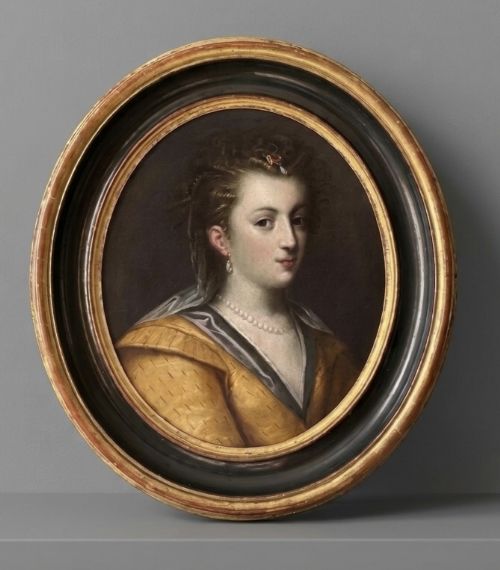
Portraits of nobility, monarchs, and scholars dominate the canvas works, reflecting the humanist focus of the European Renaissance and Tudor eras.
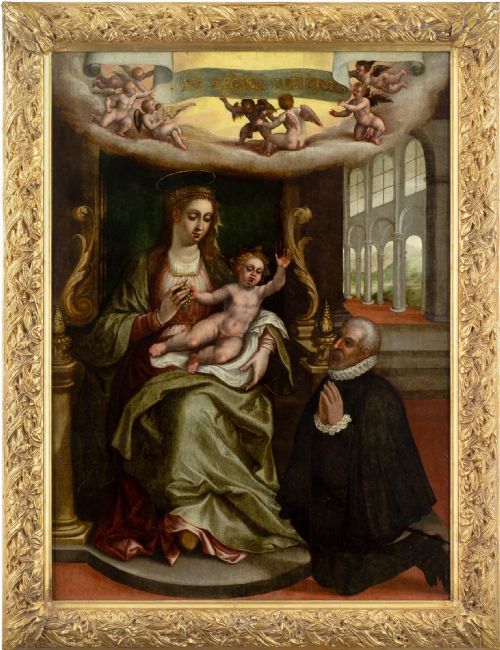
Religious narratives, including depictions of the Madonna and Child, the Adoration of the Magi, and saints, also form a major part of surviving devotional output.
How should I care for wooden sculptures and panel paintings?
Maintain stable relative humidity and consistent indoor temperatures to prevent the wood panels and carved limewood figures from splitting or warping over time.
Keep delicate giltwood and polychrome surfaces away from direct sunlight and avoid chemical cleaning agents, dusting only gently with a soft dry brush.
Where were these tapestries originally displayed?
Large woven textile panels were hung in great halls, castles, and civic chambers to insulate stone walls and display the wealth of the owner.
Their heavy wool and silk construction helped retain heat in drafty domestic interiors while narrating complex biblical or historical stories.