




15ct Gold Diamond Jewellery
15ct gold diamond jewellery brings together warm gold and bright stones from the Victorian and Edwardian eras.
15ct Gold Diamond Jewellery
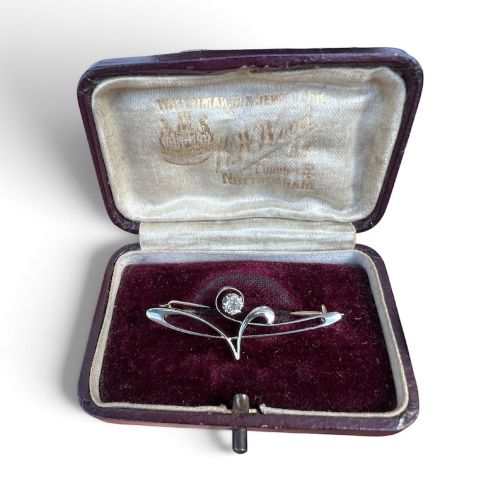
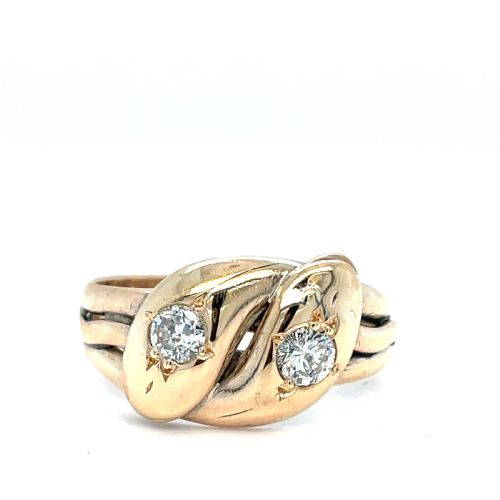
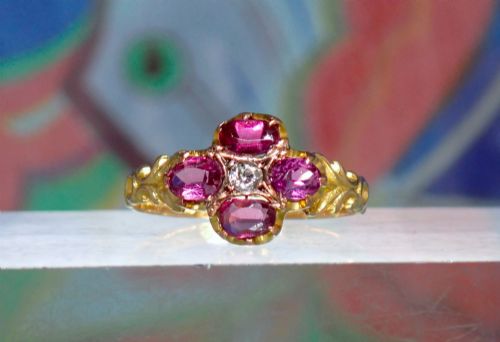
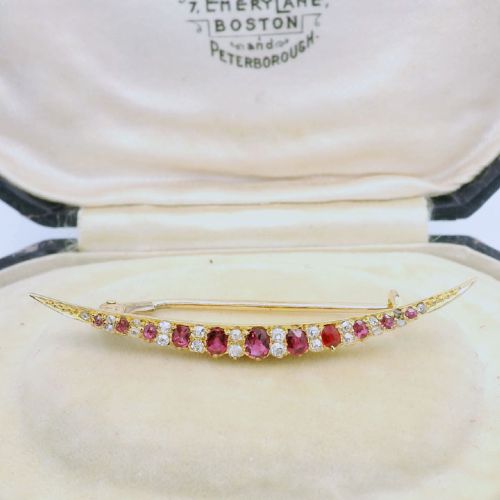
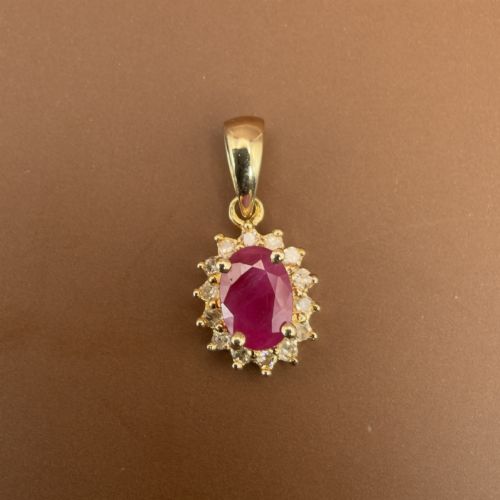
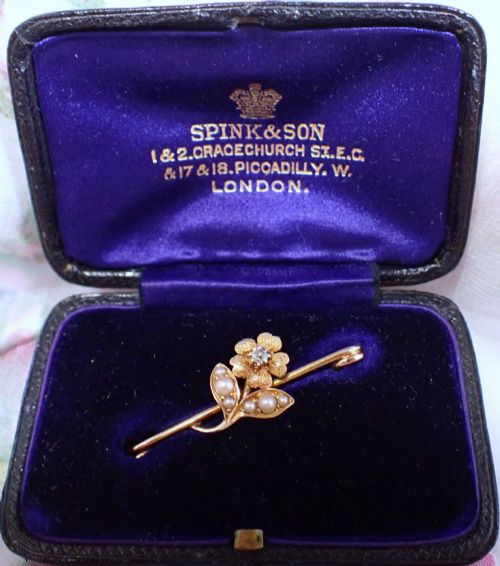
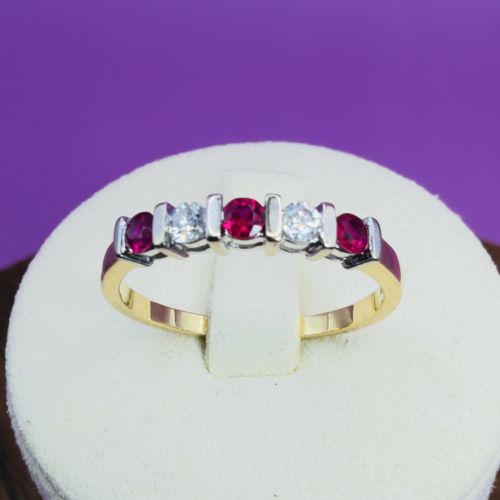
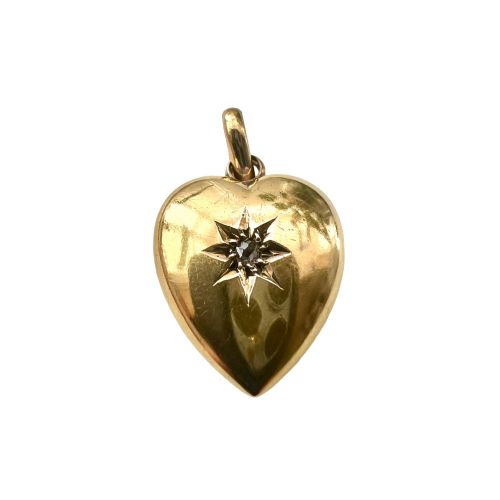
When you search for 15ct gold diamond jewellery, you encounter pieces originating primarily from the Victorian and Edwardian periods, stretching into the early twentieth century. These items include rings, brooches, pendants, necklaces, bracelets and earrings that combine diamonds with distinctive historical gold purities. You are most likely to meet ornate bar brooches, cluster rings and star pendants reflecting the decorative tastes of the nineteenth and early twentieth centuries.
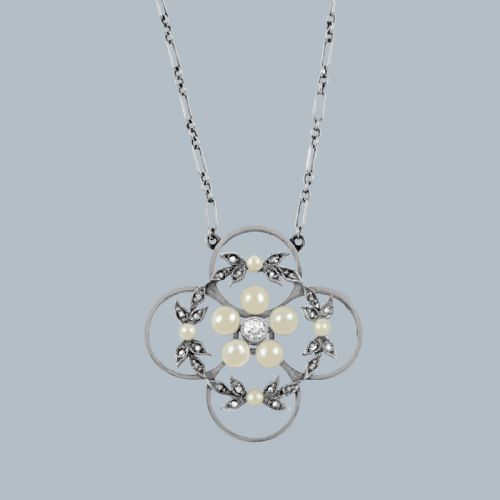
The material standard itself defines this category precisely, utilising the distinct fifteenth-carat gold alloy standard common in British items before the introduction of lower purities and modern standards. Alongside diamonds, these pieces frequently incorporate pearls, rubies, sapphires and emeralds set in balanced floral, geometric or figurative arrangements. The survival of these ornaments offers a direct window into historical goldsmithing and lapidary work.
Materials and construction
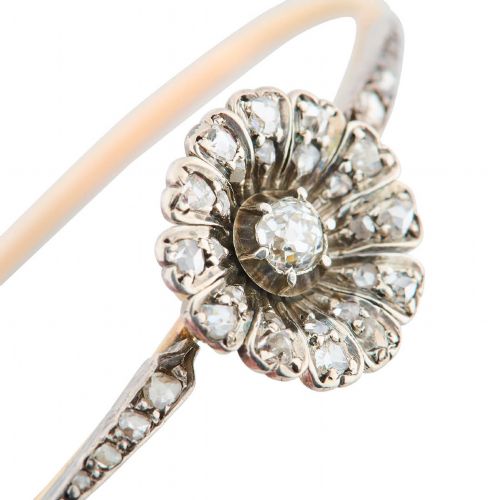
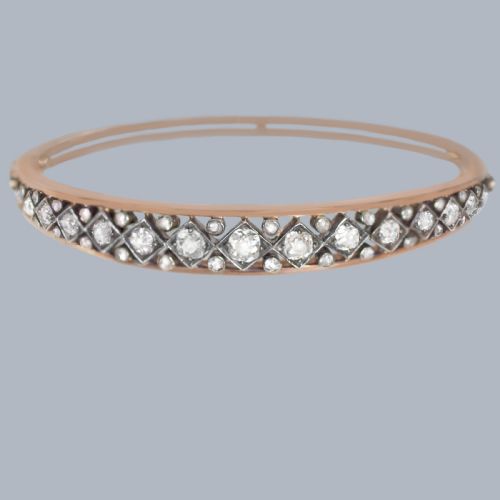
Makers shaped 15ct yellow gold and combined it with silver settings on the face of pieces to keep diamonds looking bright against a white metal. Stones included old-cut diamonds, rose-cut diamonds and pearls secured by hand in cluster, star and bar configurations. Jewelers also integrated platinum in later Edwardian and Art Nouveau designs alongside gemstones like rubies, sapphires and garnets.
The construction relies on traditional hand-fabrication methods including collet settings, pave work and delicate wire twisting for floral or ribbon motifs. Backs and clasps often show the characteristic construction of the late nineteenth century, with integrated pin stems and secure tubing hinges.
Listings feature items from the Victorian, Edwardian, and Art Deco periods, utilising 15ct gold, silver, platinum, diamonds, pearls, and various coloured gemstones.
Markers of quality
The standard of 15ct gold diamond jewellery depends on the crispness of the hand-carved or chased details in the metalwork and the symmetry of stone arrangements. Superior examples maintain intact original settings without evidence of heavy claw rebuilding or clumsy shank replacements over time. The graduation and matching of stones, particularly in multi-stone rings and graduated bar brooches, separate standard production from finer workshop output.
The integration of secondary materials like platinum or natural pearls alongside the primary diamonds influences the sophistication of a piece. Quality rests on how cleanly the silver-topped gold or platinum fronts merge with the warm 15ct gold backs, ensuring structural integrity alongside visual refinement.
The 15ct Gold Diamond Jewellery Glossary
- Old-cut diamond
- A hand-faceted diamond shape from the nineteenth or early twentieth century featuring a small table, high crown and open culet. These stones display broader flashes of light rather than the precise modern brilliant sparkle.
- Rose-cut diamond
- A historic diamond cut with a flat base and a domed crown covered in triangular facets. It resembles an opening rosebud and produces a soft, translucent glow.
- Silver-topped gold
- A technique where a thin layer of silver is soldered to the gold face of a piece. This provided a bright white background that enhanced the perceived whiteness of old-cut diamonds before platinum became widely used.
- Seed pearl
- A very small natural or saltwater pearl, often drilled and strung on silk or secured with tiny pegs. They are frequently used in clusters and floral motifs alongside diamonds.
- Collet setting
- A band of metal that encircles the girdle of a gemstone to hold it in place. It represents one of the traditional methods of securing stones in antique jewellery before modern prong methods dominated.
15ct Gold Diamond Jewellery: Frequently Asked Questions
What periods do these pieces date from?
The listings span the Victorian, Edwardian and early twentieth-century eras, with many pieces carrying hallmarks or stylistic markers from the late 1800s to around 1910.
Craftsmanship from these decades relies on specific gold standards and hand-cut stones that help confirm their period origin.
How do I care for antique gold and diamonds?
Clean these items gently with a soft brush and warm soapy water, avoiding harsh chemical dips that can damage pearls, turquoise or softer gemstones.
Store pieces individually in soft pouches to prevent the harder diamonds from scratching the softer 15ct gold and silver-topped mounts.
Can I wear these rings every day?
Many people wear antique rings daily, but older settings require mindful handling during active tasks or heavy lifting to protect delicate claws and stones.
Regular checks by a jeweler ensure that old-cut diamonds and seed pearls remain secure in their original nineteenth-century mounts.
Why is the gold marked as 15ct?
The 15ct gold standard was a British purity mark widely used during the Victorian and Edwardian periods before the legal standards changed to 9ct and 18ct.
This specific alloy offers a rich, warm yellow hue distinct from modern lower-carat golds.