

A 2026 Guide by Sellingantiques
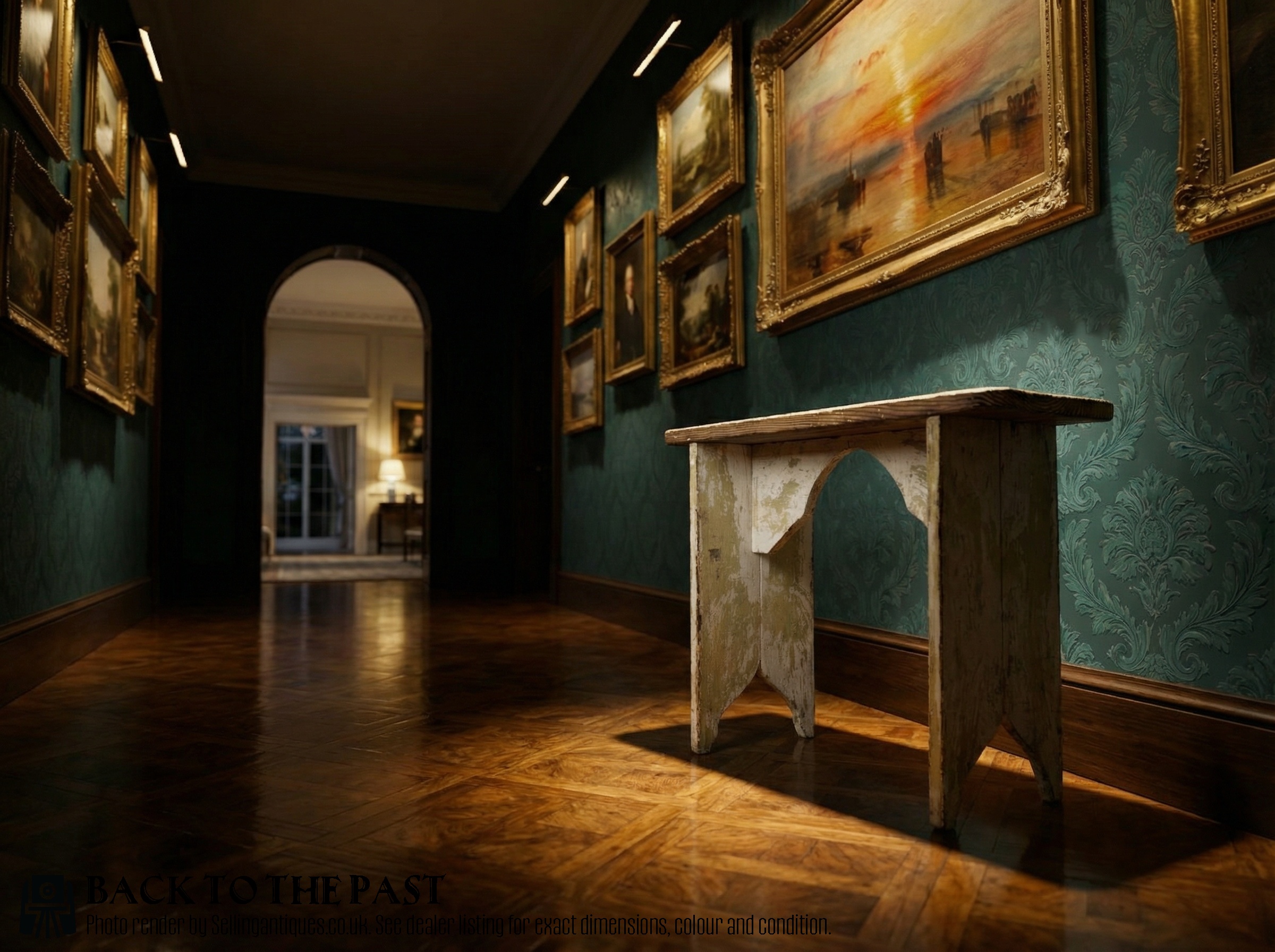
French Scratch Built Country Pine Bench, 19th Century
Priced at £195 from Graham Price Antiques Ltd.
Most antique pine didn't start life in grand houses. It lived in working kitchens.
Painted finishes. Victorians often disguised these pieces to mimic mahogany.
Look at the stripping trend of the late twentieth century. It exposed the natural wood grain we associate with the category today.
North American pitch pine imports became common in British workshops during the nineteenth century.
Forget famous names here. Local estate carpenters built most antique pine rather than documented city workshops.
Regional quirks. Welsh dressers often feature specific cornice profiles rarely seen in East Anglian examples.
Farmhouse joiners routinely adapted patterns to fit specific alcoves and uneven floors.
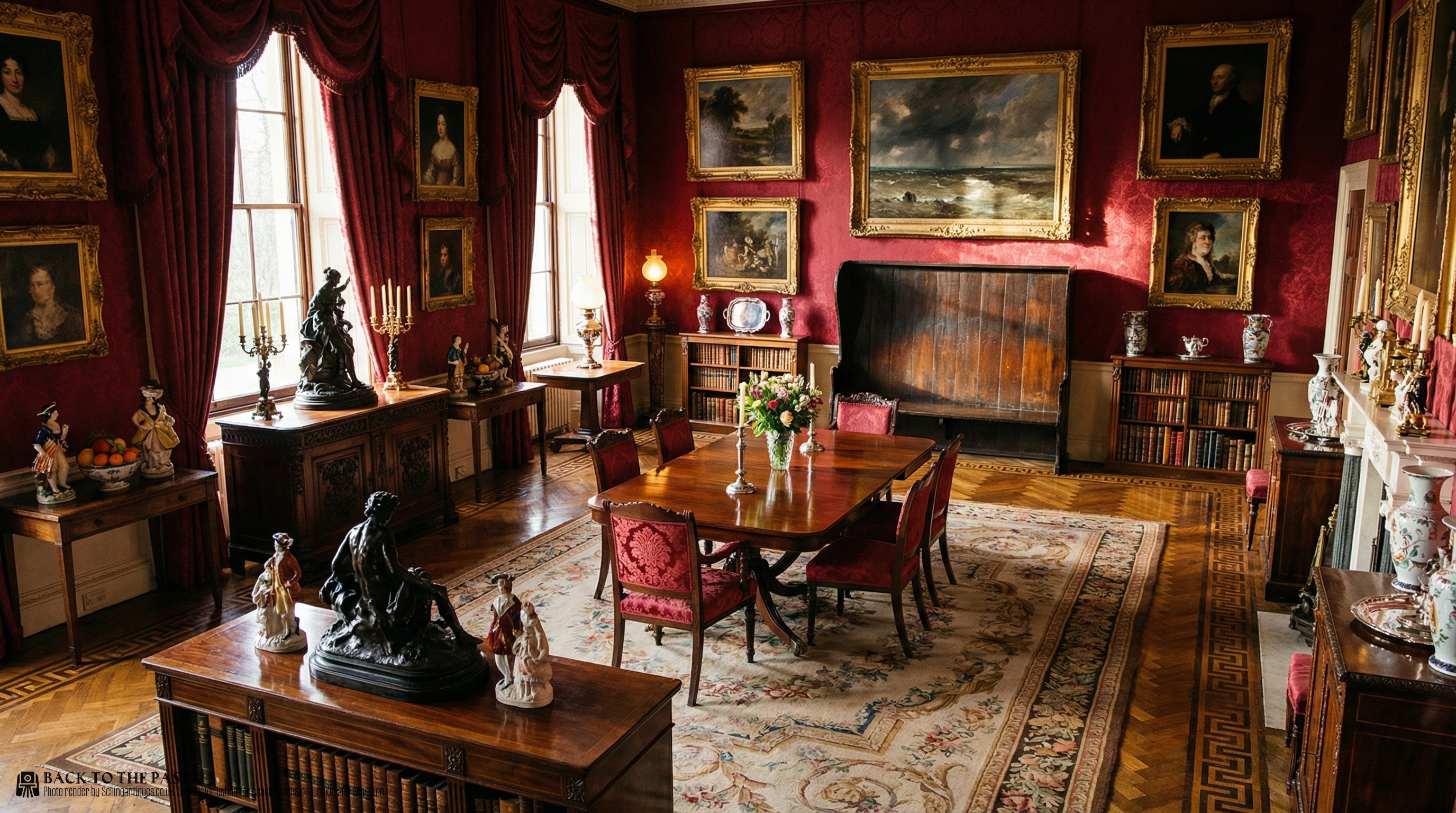
Early 19th Century Pine Settle, 19th Century
Priced at £1,500 from Sinclairs Antiques and Interiors
The 2026 retail price guide for Antique Pine is drawn from a proprietary archive of over 1.1 million retail prices indexed by Sellingantiques since 2003. This guide relies exclusively on their own internal data; no external sources or auction records are used.
Analysing nearly 25 years of UK antique market history alongside current retail values, the data indicates that typical UK retail prices for Antique Pine range between £400 and £1,500. Entry-level prices generally fall under £400 and premium examples upwards of £1,500.
Bun feet. They often support heavy chests of drawers and large cupboards.
Turn it around. The backboards usually feature rougher, unplaned surfaces because they faced the wall.
Porcelain or turned wooden knobs are standard on most antique pine doors.
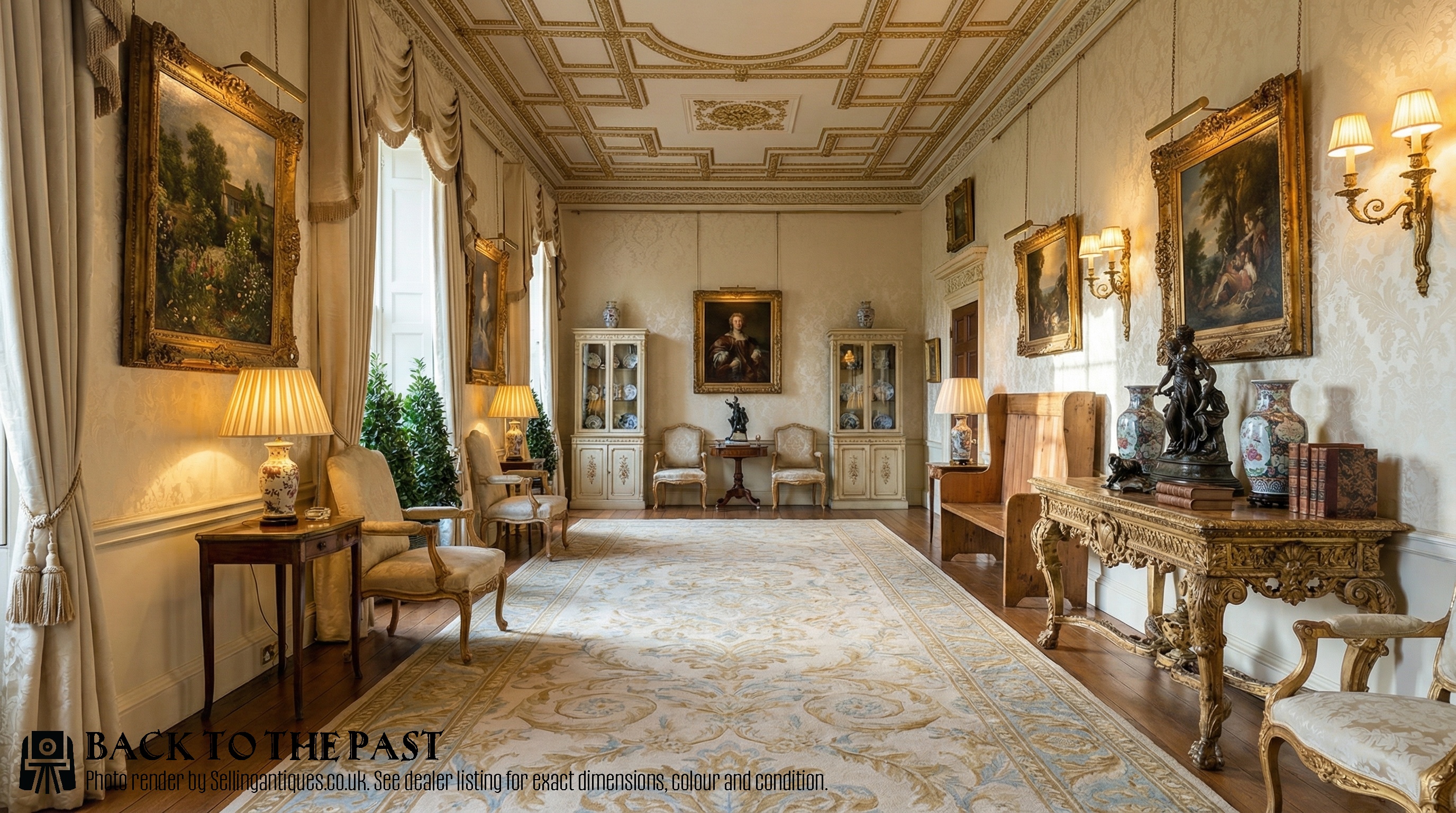
High Back Pine Settle, Fireside Pub Bench, 1920
Priced at £525 from Elmgarden
Hand-cut dovetails often hold together the corners of earlier drawers.
Look for machine cutting toward the end of the nineteenth century. You'll see more uniform, tightly spaced joints.
Pegged mortise and tenon joints secure the frames on older farmhouse tables.
"The wood hardens significantly over the decades. Old pitch pine resists knocks far better than modern equivalents."
"Think about timber ponds. Submerging logs washed out the sap, making nineteenth-century stock highly stable for furniture making."
"Distinct resin smells still linger inside some enclosed cupboards after a century of use."
Based on almost 25 years of Sellingantiques UK antique market data, Antique Pine appeared 24052 times (out of 1,100,000 antiques) which gives it a rarity score of 1/100.
This score measures scarcity within the Sellingantiques archive only and is not a survey of the entire antiques market, so these statistics may not be indicative of the general availability of Antique Pine elsewhere.
Wax build-up causes that sticky surface. Wipe the wood with a cloth lightly dampened in white spirit. This cuts through the grime without stripping the wood bare.
Apply a thin coat of clear beeswax once the surface dries. Buff it out firmly to restore a hard protective finish.
Central heating dries out antique pine fast. Position the dresser away from radiators and direct sunlight to limit the risk of the planks shrinking or splitting.
Keep an eye on the backboards. If gaps appear between the joints, the ambient air is too dry. Feeding the wood with a good quality beeswax every six months helps maintain the moisture balance.
The wooden runners wear down over time. The drawer drops slightly and binds against the carcase.
Rubbing a simple candle wax along the contact edges often provides enough lubrication to fix minor sticking.
Active woodworm leaves behind fine, pale dust under the holes. Tap the legs gently on a piece of dark paper to see if any fresh dust falls out.
Most historic flight holes are old and empty. If you spot fresh dust, brush a proprietary woodworm fluid directly into the affected area according to the label instructions.
Please note: This Antique Pine guide and its associated pricing data are provided for general informational purposes only. It does not constitute formal financial, investment, or appraisal advice and should not be relied upon as the sole basis for any commercial activity, purchasing, or sales decisions. Sellingantiques.co.uk accepts no liability for any actions taken in reliance on this information. Always consult with a qualified professional or independent appraiser.
