


A 2026 Guide by Sellingantiques
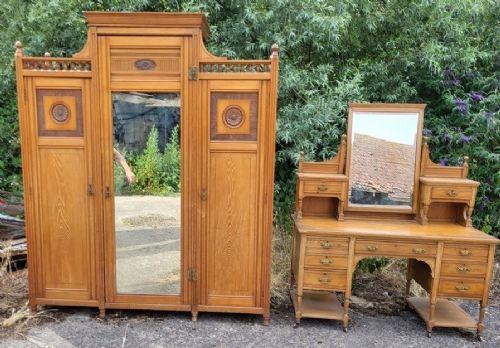
Late C19th /Early C20th Edwardian Period Satinwood Veneered Kneehole Dressing Table., Edwardian
Priced at £800 from M Lees and Sons
Early examples evolved from simple side tables during the late seventeenth century. People needed dedicated spaces for complex grooming routines.
The classic antique dressing table form took shape in the Georgian period. Cabinet makers began adding specialised compartments for powders and brushes.
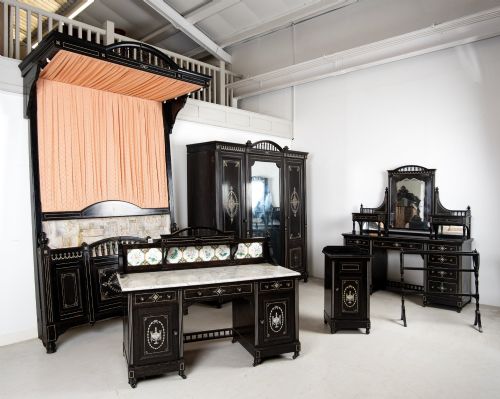
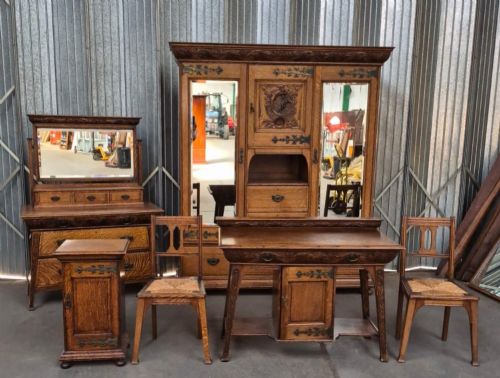
Look at nineteenth-century models. They often grew much larger, incorporating matching washstands and wardrobes en suite for wealthy households.
By the Edwardian era, these pieces became lighter and more delicate again.
Gillows of Lancaster produced hundreds of these. Their stamping appears on drawer tops from the late eighteenth century onwards.
Thomas Chippendale supplied highly complex mechanical shaving and dressing tables to grand houses like Dumfries House.
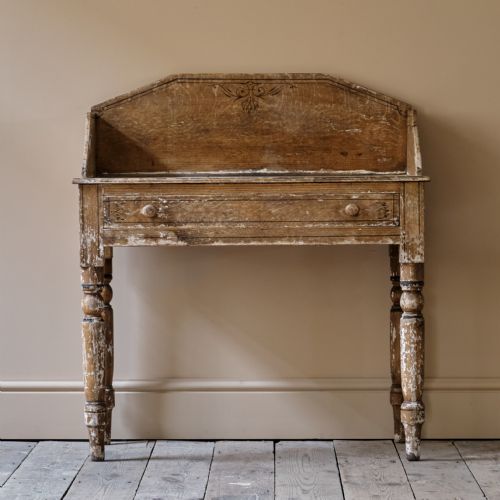
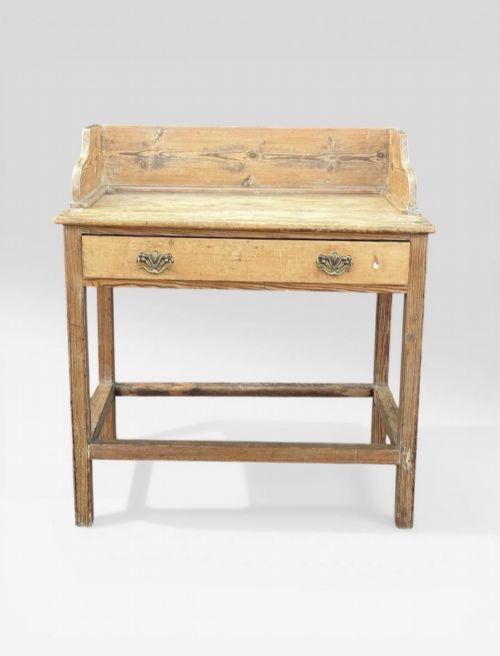
Heal and Son led the late Victorian market. Their plain ash and pitch pine bedroom suites often feature simple, solid construction.
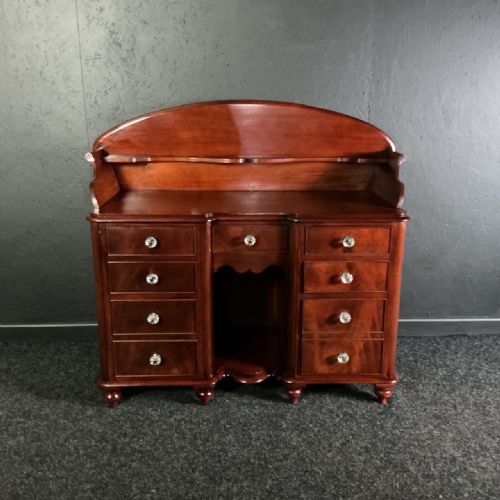
Antique Golden Walnut Dressing or Writing Table by Maple's of London., 1920
Priced at £350 from Antiquus
The 2026 retail price guide for Antique Dressing Tables is drawn from a proprietary archive of over 1.1 million retail prices indexed by Sellingantiques since 2003. This guide relies exclusively on their own internal data; no external sources or auction records are used.
Analysing nearly 25 years of UK antique market history alongside current retail values, the data indicates that typical UK retail prices for Antique Dressing Tables range between £300 and £2,000. Entry-level prices generally fall under £300 and premium examples upwards of £2,000.
Central kneeholes allow you to sit close to the mirror. This void is usually flanked by pedestals containing shallow drawers.
Mirrors swing on upright supports. Some are shield-shaped, while others are simple rectangles held by brass friction pivots.
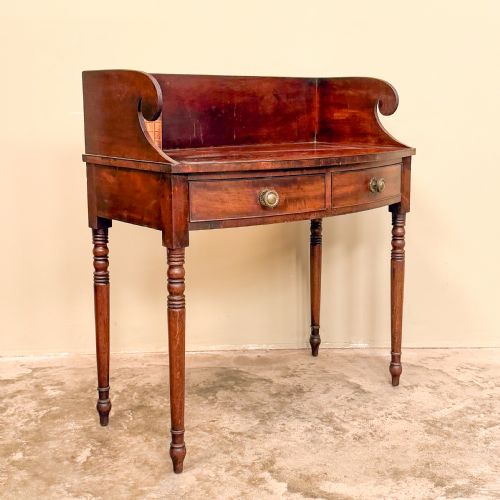
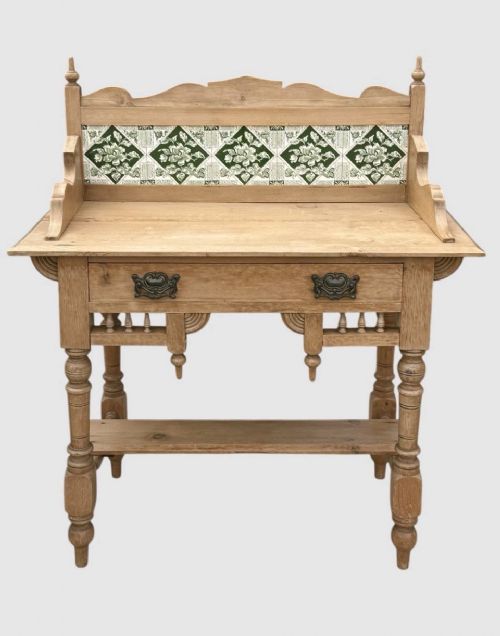
Small gallery backs stop items rolling off the rear edge.
Cabinet makers used frame and panel techniques to allow solid timber sides to move with humidity changes.
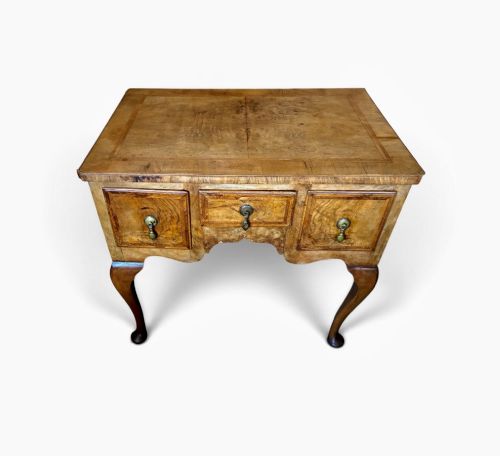
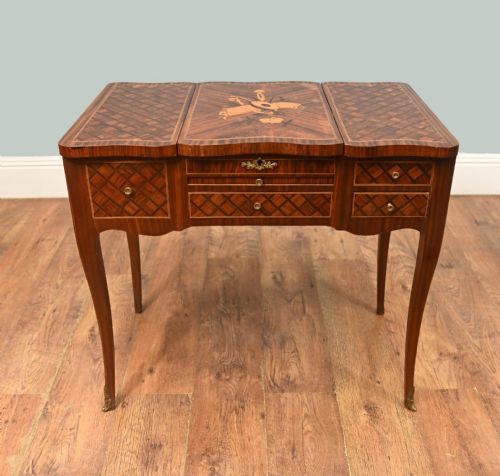
Veneering allowed the use of highly figured woods on drawer fronts. Craftsmen glued thin slices of expensive timber over stable pine cores.
Check the mirror supports. Good makers integrated hidden brass tension screws to stop the heavy glass tipping forward.
"Many late Georgian examples feature hidden fold-out mirrors that push down flat into the top surface to create a clear desk space."
"Secret drawers occasionally sit hidden behind the central kneehole arch, offering a discreet place for personal items."
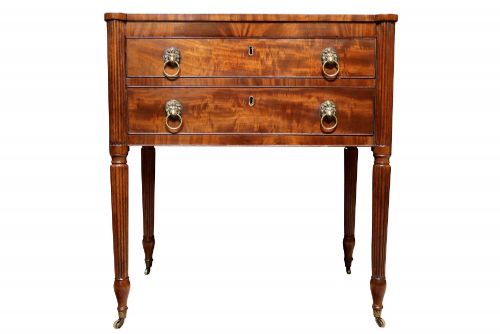
"Original casters on the legs meant housemaids could easily wheel them towards the window to catch natural daylight."
Based on almost 25 years of Sellingantiques UK antique market data, Antique Dressing Tables appeared 10352 times (out of 1,100,000 antiques) which gives it a rarity score of 13/100.
This score measures scarcity within the Sellingantiques archive only and is not a survey of the entire antiques market, so these statistics may not be indicative of the general availability of Antique Dressing Tables elsewhere.
Use a soft cloth barely dampened with plain water. Modern glass cleaners often contain chemicals that seep behind the edges of the frame and degrade the historic silvering.
Dry the glass immediately with a second clean cloth. Be gentle around the margins where dust tends to settle.
Humidity causes solid timber sides and runners to swell in the warmer months. This is a normal seasonal cycle for an antique dressing table. You should avoid aggressive sanding that permanently removes historic timber.
Rub a block of dry paraffin wax or a plain candle along the bottom edges of the drawer sides and the internal runners. The wax acts as a dry lubricant. It often provides enough slip to get them moving smoothly again without altering the piece.
Finding an exact match is tough. Castings varied hugely between founders.
Move a matching handle from a lower drawer to the top row. Fit a sympathetic replacement out of sight.
Cabinet makers rarely wasted time or expensive timber on parts that sat against a wall. The back boards were structural rather than decorative.
You often see rough pine or deal boards used here. They retain the original pit saw marks. This economical use of materials was standard workshop practice across the trade.
Please note: This Antique Dressing Tables guide and its associated pricing data are provided for general informational purposes only. It does not constitute formal financial, investment, or appraisal advice and should not be relied upon as the sole basis for any commercial activity, purchasing, or sales decisions. Sellingantiques.co.uk accepts no liability for any actions taken in reliance on this information. Always consult with a qualified professional or independent appraiser.
