


A 2026 Guide by Sellingantiques
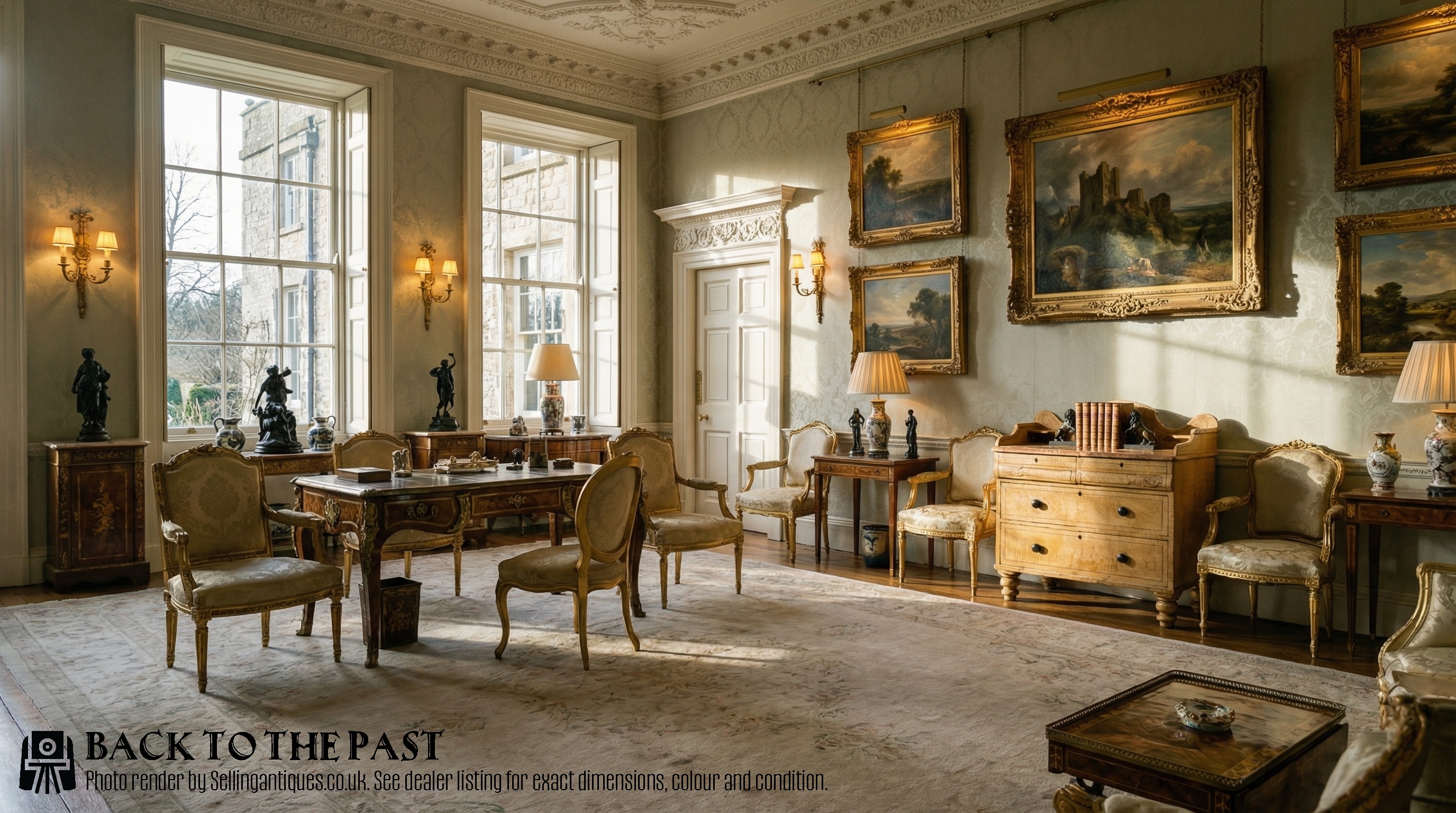
Nineteenth Century Pine Chest in Original Paint, 1880
Priced at £495 from Ropeworks Antiques
Early versions evolved directly from the standard coffer. Joiners simply added a single drawer to the base before lifting the whole case up on feet.
A classic bedroom staple. They started as plain oak structures before cabinetmakers refined the proportions during the seventeenth century.
By the Georgian era, most town houses had several of them.
Look for split frames on earlier pieces. They were built in two separate halves for easier transport up tight stairs.
Thomas Chippendale supplied fine mahogany chests during the mid-eighteenth century. His workshop accounts list simple flat-fronted versions too.
Solid, well-proportioned pieces. Gillows of Lancaster stamped their drawer tops from the late eighteenth century onwards.
Don't worry about finding a maker's name. The provincial trade relied on local joiners building to established pattern books.
The 2026 retail price guide for Antique Chest Of Drawers is drawn from a proprietary archive of over 1.1 million retail prices indexed by Sellingantiques since 2003. This guide relies exclusively on their own internal data; no external sources or auction records are used.
Analysing nearly 25 years of UK antique market history alongside current retail values, the data indicates that typical UK retail prices for Antique Chest Of Drawers range between £600 and £2,900. Entry-level prices generally fall under £600 and premium examples upwards of £2,900.
Graduated drawers are standard. The deepest sits at the bottom to ground the piece and balance the visual weight.
Thin strips of projecting wood. Cockbeading borders the drawer fronts to stop the veneered faces chipping during daily use.
Expect a two-over-three configuration on later examples. Two small ones above three wide ones.
Hand-cut dovetails join the drawer sides to the front. Early ones are thick and wide.
Look at the backboards. Craftsmen fixed them with rough hand-forged iron nails driven straight into the frame edges.
Blocked bases for stability. Turners shaped solid buns to lift the heavy lower frame off damp floors.
"Some have hidden compartments built into the frieze. Cabinetmakers disguised shallow secret drawers directly under the top moulding."
"Original transit marks on the backboards. Railway clerks chalked destination codes straight onto the raw pine when families moved."
"Note the hardware. Even plain provincial pine bedroom pieces usually featured robust brass locks."
Based on almost 25 years of Sellingantiques UK antique market data, Antique Chest Of Drawers appeared 48562 times (out of 1,100,000 antiques) which gives it a rarity score of 1/100.
This score measures scarcity within the Sellingantiques archive only and is not a survey of the entire antiques market, so these statistics may not be indicative of the general availability of Antique Chest Of Drawers elsewhere.
Rub a plain candle along the bottom edges. The wax fills the grain and reduces friction against the carcase.
Avoid liquid oils. They'll soak into the timber and attract grit.
Joiners built tall pieces in separate sections. Old house layouts featured tight corners and steep staircases that couldn't take a single large carcase.
You'll usually spot a moulding wrapping around the middle to hide the join. Heavy iron carrying handles often remain fixed to the sides of each half.
The carcase has probably warped slightly, or the internal dust boards have shifted. When an antique chest of drawers settles on an uneven floor, the main frame twists just enough to pinch the sliding parts.
Take the drawer right out and check for loose stops at the back. You'll sometimes find the small wooden blocks meant to halt the drawer get dislodged and wedge themselves along the runner.
Prolonged humidity affects historic cabinetwork. Repeated cycles of steam and cooling cause carcase woods to swell, which forces veneers to lift and weakens old glue joints.
Solid oak or pine examples handle damp conditions better than veneered mahogany. If you put one in a bathroom, ensure the room has a good fan and don't place it right next to the tub.
Please note: This Antique Chest Of Drawers guide and its associated pricing data are provided for general informational purposes only. It does not constitute formal financial, investment, or appraisal advice and should not be relied upon as the sole basis for any commercial activity, purchasing, or sales decisions. Sellingantiques.co.uk accepts no liability for any actions taken in reliance on this information. Always consult with a qualified professional or independent appraiser.
