26,433  PAGES BROWSED TODAY PAGES TODAY 74  ANTIQUES UPLOADED TODAY NEW ARRIVALS
ID #SA711362
FOR SALE
£6,500
Email
Save
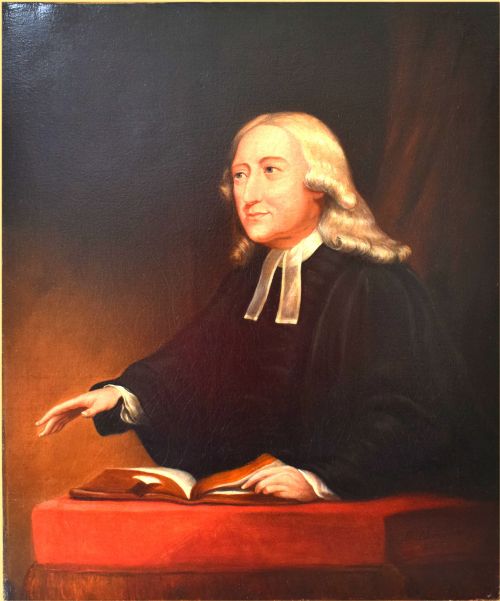
Rudolph Lehmann, 1819 - 1905 Portrait of Robert Lowe, 1st Viscount Sherbrooke, Gcb, Pc, 1811 – 1892
Artware Fineart
for sale €7,605     $8,255
£6,500

Artware Fineart

Sellingantiques Verified Since Sep 2008
View Dealers Stock Page
Id #SA711362
PDF SHARE
SAVE

Rudolph Lehmann, 1819 - 1905 Portrait of Robert Lowe, 1st Viscount Sherbrooke, Gcb, Pc, 1811 – 1892

19th century
For Sale by Artware Fineart
Description

Rudolph Lehmann, 1819 - 1905

Portrait of Robert Lowe, 1st Viscount Sherbrooke, GCB, PC, 1811 – 1892

Robert Lowe, 1st Viscount Sherbrooke, GCB, PC,

Signed/Inscribed:

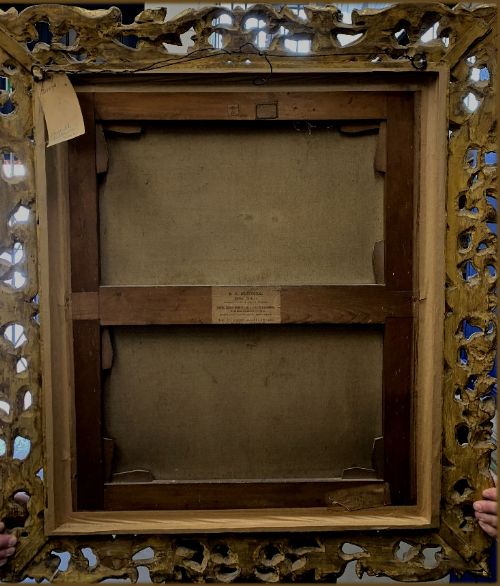
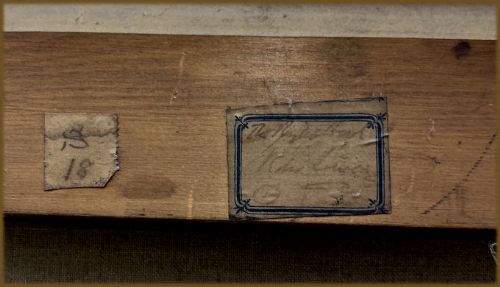
inscribed on a label on the reverse " The Rt Hon Robert Lowe"
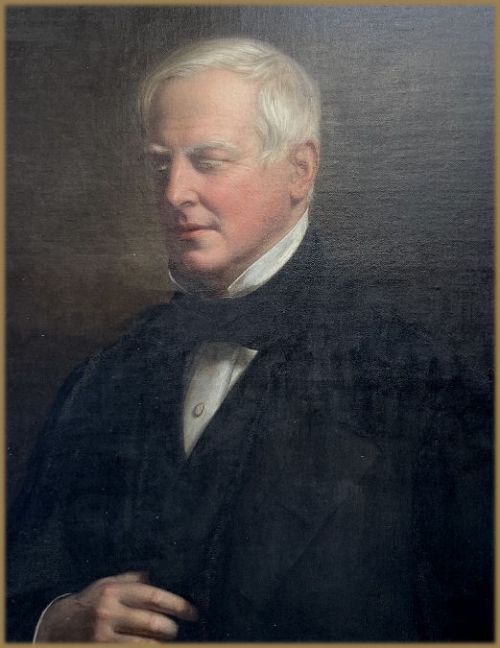
oil on canvas

30 x 25in. (76 x 63.5cm.)

Provenance

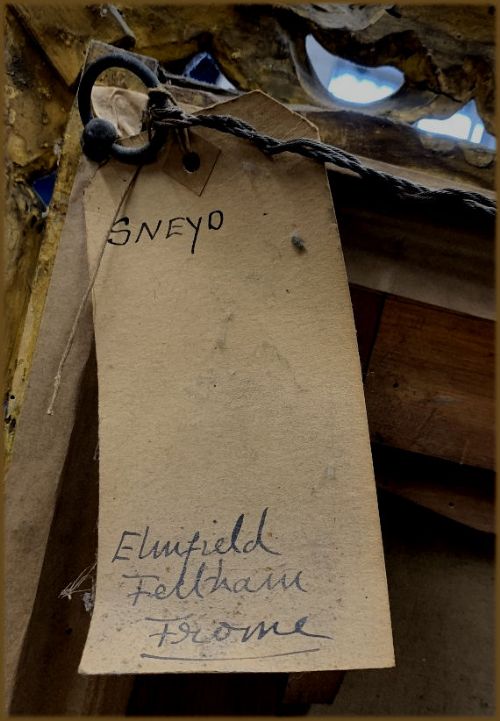
Caroline Sneyd, second wife of Robert Lowe, 1st Viscount Sherbrooke , and thence by descent

Literature

There is a study for this portrait in the British Museum catalogue number : 1906,0419.26 head and shoulders turned almost to right, and looking to right. 1874 Black, red and white chalk, on brown paper
Notes

Lowe, Robert, Viscount Sherbrooke (1811–1892), politician, born at Bingham, Nottinghamshire, on 4 December 1811, was the second son of Robert Lowe (1780–1845), rector of that parish and prebendary of Southwell, and Ellen (d. 1852), second daughter and coheir of the Revd Reginald Pyndar, rector of Madresfield in Worcestershire. He was an albino, and his eyes were extremely sensitive to light; moreover, he had imperfect vision in both eyes, and one was useless for reading. At Winchester College, which he entered as a commoner in 1825, he was much bullied, and unable to identify his tormentors; later in life, too, he suffered from his inability to recognize people, especially in large groups. Lowe was, however, very intelligent and very determined. Conscious that his logical mind and taste for scholarship would be his best assets in life, he responded to his affliction by developing great powers of memory and labour. He also became very self-reliant. Confident in his superior intellectual ability and the correctness of his views, he quickly developed a talent for blunt, fearless assertions, and never lost the clever schoolboy's pleasure in undermining established orthodoxies and pricking complacency. He matriculated at University College, Oxford, on 16 June 1829. At Oxford he spoke often at the union, adopting unpopularly radical opinions and relishing the controversy and notoriety that this brought him. He retained his intellectual ambitions too; but though he took a first class in classics in 1833, he achieved only a second in mathematics, which he later claimed was unsuited to his questioning mind and imperfect eyesight.
Seeking a career

The church was among the institutions against which the young Lowe rebelled, and so that career was closed to him (in 1841 he was to conduct a pamphlet war with the Tractarians about the interpretation of the Thirty-Nine Articles). He decided to read for the bar, and so remained in Oxford as a private tutor until a lay fellowship at Magdalen College, for which he was eligible, became vacant in 1835. But he resigned this after his impetuous marriage to Georgiana (d. 1884), second daughter of George Orred of Tranmere, Cheshire, on 29 March 1836. In order to make a living, he had to return to private tutoring. He quickly developed a reputation as the most efficient coach in the university, but the work was hard. His experience of it intensified his contempt for the low general standard of university education and his animosity to the complacency of college fellows, which he thought was caused by the protection given to them by lavish college endowments. It also convinced him that teaching was drudgery. Having failed to be appointed professor of Greek at Glasgow University in 1838 he gave up hope of an academic career, and in 1840 went to London to resume his law studies. He was called to the bar at Lincoln's Inn on 28 January 1842. Shortly afterwards he decided to emigrate to Australia in the hope of making a quick fortune at the Sydney bar, a decision which he later claimed was the consequence of mistaken medical advice that he must expect to be blind in seven years.

In Australia

Lowe spent eight years in Australia. He was quickly drawn into New South Wales politics, at first in the hope

Physical Dimensions
Height
76cm (29.92")
Width
34cm (13.39")
Depth
2cm (0.79")
Declaration

Artware Fineart has dated this Victorian Oil Portrait Painting to the 1880s.

Reference Numbers
Sellingantiques Reference
SA711362
Dealers Internal Reference
4343
Description
Rudolph Lehmann, 1819 - 1905

Portrait of Robert Lowe, 1st Viscount Sherbrooke, GCB, PC, 1811 – 1892

Robert Lowe, 1st Viscount Sherbrooke, GCB, PC,

Signed/Inscribed:

inscribed on a label on the reverse " The Rt Hon Robert Lowe"

fig 1. A Victorian oil painting depicting a fair-haired man dressed in formal dark attire against a neutral dark background.
fig 1. Rudolph Lehmann, 1819 - 1905 Portrait of Robert Lowe, 1st Viscount Sherbrooke, Gcb, Pc, 1811 – 1892

oil on canvas

30 x 25in. (76 x 63.5cm.)

Provenance

Caroline Sneyd, second wife of Robert Lowe, 1st Viscount Sherbrooke , and thence by descent

Literature

There is a study for this portrait in the British Museum catalogue number : 1906,0419.26 head and shoulders turned almost to right, and looking to right. 1874 Black, red and white chalk, on brown paper

fig 2. A Victorian oil painting depicting a fair-haired man dressed in formal dark attire against a neutral dark background.
fig 2. Rudolph Lehmann, 1819 - 1905 Portrait of Robert Lowe, 1st Viscount Sherbrooke, Gcb, Pc, 1811 – 1892

Notes

Lowe, Robert, Viscount Sherbrooke (1811–1892), politician, born at Bingham, Nottinghamshire, on 4 December 1811, was the second son of Robert Lowe (1780–1845), rector of that parish and prebendary of Southwell, and Ellen (d.

1852), second daughter and coheir of the Revd Reginald Pyndar, rector of Madresfield in Worcestershire.
Artware Fineart

He was an albino, and his eyes were extremely sensitive to light; moreover, he had imperfect vision in both eyes, and one was useless for reading. At Winchester College, which he entered as a commoner in 1825, he was much bullied, and unable to identify his tormentors; later in life, too, he suffered from his inability to recognize people, especially in large groups. Lowe was, however, very intelligent and very determined. Conscious that his logical mind and taste for scholarship would be his best assets in life, he responded to his affliction by developing great powers of memory and labour. He also became very self-reliant. Confident in his superior intellectual ability and the correctness of his views, he quickly developed a talent for blunt, fearless assertions, and never lost the clever schoolboy's pleasure in undermining established orthodoxies and pricking complacency. He matriculated at University College, Oxford, on 16 June 1829. At Oxford he spoke often at the union, adopting unpopularly radical opinions and relishing the controversy and notoriety that this brought him. He retained his intellectual ambitions too; but though he took a first class in classics in 1833, he achieved only a second in mathematics, which he later claimed was unsuited to his questioning mind and imperfect eyesight.

fig 3. A Victorian oil painting depicting a fair-haired man dressed in formal dark attire against a neutral dark background.
fig 3. Rudolph Lehmann, 1819 - 1905 Portrait of Robert Lowe, 1st Viscount Sherbrooke, Gcb, Pc, 1811 – 1892

Seeking a career

The church was among the institutions against which the young Lowe rebelled, and so that career was closed to him (in 1841 he was to conduct a pamphlet war with the Tractarians about the interpretation of the Thirty-Nine Articles). He decided to read for the bar, and so remained in Oxford as a private tutor until a lay fellowship at Magdalen College, for which he was eligible, became vacant in 1835. But he resigned this after his impetuous marriage to Georgiana (d. 1884), second daughter of George Orred of Tranmere, Cheshire, on 29 March 1836. In order to make a living, he had to return to private tutoring. He quickly developed a reputation as the most efficient coach in the university, but the work was hard. His experience of it intensified his contempt for the low general standard of university education and his animosity to the complacency of college fellows, which he thought was caused by the protection given to them by lavish college endowments. It also convinced him that teaching was drudgery. Having failed to be appointed professor of Greek at Glasgow University in 1838 he gave up hope of an academic career, and in 1840 went to London to resume his law studies. He was called to the bar at Lincoln's Inn on 28 January 1842. Shortly afterwards he decided to emigrate to Australia in the hope of making a quick fortune at the Sydney bar, a decision which he later claimed was the consequence of mistaken medical advice that he must expect to be blind in seven years.

In Australia

Lowe spent eight years in Australia. He was quickly drawn into New South Wales politics, at first in the hope

Height
76cm (29.92")
Width
34cm (13.39")
Depth
2cm (0.79")
Date of Manufacture

Artware Fineart has dated this Victorian Oil Portrait Painting to the 1880s.

Reference Numbers
Sellingantiques Ref
SA711362
Dealers Internal Ref
4343
Artware Fineart
Sellingantiques verified Since Sep 2008
Dealer Profile

You can view the stock and full dealer information on the Artware Fineart Profile Page

PDF SHARE
SAVE
A Victorian oil painting depicting a fair-haired man dressed in formal dark attire against a neutral dark background.
1 / 5
Archive I A Victorian oil painting depicting a fair-haired man dressed in formal dark attire against a neutral dark background.

Rudolph Lehmann, 1819 - 1905 Portrait of Robert Lowe, 1st Viscount Sherbrooke, Gcb, Pc, 1811 – 1892
Archive II A Victorian oil painting depicting a fair-haired man dressed in formal dark attire against a neutral dark background. View II
Archive III A Victorian oil painting depicting a fair-haired man dressed in formal dark attire against a neutral dark background. View III
Archive IV A Victorian oil painting depicting a fair-haired man dressed in formal dark attire against a neutral dark background. View IV
Archive V A Victorian oil painting depicting a fair-haired man dressed in formal dark attire against a neutral dark background. View V
FURTHER BROWSING

Visitors also looked at these ⇣

Enlarged Archival View
Telephone 07958 699 645
Location
18 La Gare
51 Surrey Row
London
SE1 0BZ
United Kingdom
Verified Since Sep 2008
Items For Sale 243
Items Sold 223
Artware Fineart
Verified Since Sep 2008
View Dealer Info
Location: 18 La Gare , 51 Surrey Row , London , SE1 0BZ , United Kingdom
Verified
Sep 2008
For Sale
243
Sold
223
A Victorian oil painting depicting a fair-haired man dressed in formal dark attire against a neutral dark background.
Rudolph Lehmann, 1819 - 1905 Portrait of Robert Lowe, 1st Viscount Sherbrooke, GCB, PC, 1811 – 1892
Ref: SA711362
A Victorian oil painting depicting a fair-haired man dressed in formal dark attire against a neutral dark background.
Detail View 1
Detail View 2
Detail View 3
Detail View 4
Archival Detail
Every single antique dealer on our platform is individually approved by our internal team. We verify their professional trade history, ethical standards, and photographic quality to ensure a secure, high-standard buying environment. Upon joining, every dealer agrees to a strict 9-point code of conduct. While issues can occasionally arise, our dealers typically resolve them swiftly and directly with the buyer. In fact, since our founding in 2002, Sellingantiques has only had to step in to help resolve an issue on roughly five occasions—a true testament to the quality of our dealers and their dedication to your happiness.
Our dealers are highly experienced in packing and shipping fragile, high-value antiques. Because you are in direct contact with the dealer, you will be able to easily go through all available shipping and insurance options together to ensure your item arrives safely.
Antiques are the ultimate green purchase. By choosing historical pieces over newly manufactured goods, you completely eliminate the carbon footprint of modern mass production while preserving exceptional, timeless craftsmanship.

Victorian portraiture focused on realistic depiction, formal attire, and psychological depth, reflecting the social status of the sitter through restrained compositions and dark, controlled colour palettes.

Artists typically applied oil-based pigments onto stretched linen or cotton canvas, utilizing natural resin varnishes and wooden stretcher frames with mortise and tenon joints.

Authentic period works display natural craquelure patterns across the paint layer, age-appropriate oxidation on the back of the canvas, and traditional stretcher construction techniques.

Hang the portrait as a central focus above a mantelpiece or sideboard, pairing it with architectural mouldings or balancing it against sleek contemporary furnishings for visual contrast.

Keep the artwork away from direct sunlight, heating vents, and high humidity, dusting the surface lightly with a dry soft brush and consulting a professional restorer for cleaning.
items
Add keywords to the filter
Price
£100
£250000
Era
Movements
Material
Origin
Stock Location
Freshness
Online Payments
Categories