49,558  PAGES BROWSED TODAY PAGES TODAY 103  ANTIQUES UPLOADED TODAY NEW ARRIVALS
ID #SA678108
FOR SALE
£3,500
Email
Save
Philip Mercier, 1689-1760 Portrait of a Lady in a Silver Dress with Gold Braided Tassles & a Blue Gown
Artware Fineart
for sale €4,095     $4,445
£3,500

Artware Fineart

Sellingantiques Verified Since Sep 2008
View Dealers Stock Page
Id #SA678108
PDF SHARE
SAVE

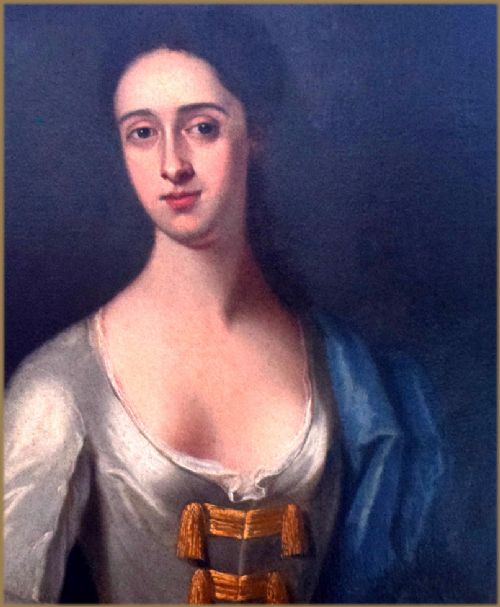
Philip Mercier, 1689-1760 Portrait of a Lady in a Silver Dress with Gold Braided Tassles & a Blue Gown

18th century
For Sale by Artware Fineart
Description

Philip Mercier, 1689-1760

Portrait of a Lady in a Silver dress with Gold braided tassles & a Blue Gown

oil on canvas

76 x 64 cm. (30 x 25 in.)

Philip Mercier, (1691–1760), painter and etcher, was born in Berlin, the son of Philippe Mercier, a Huguenot tapestry weaver at the royal factory in that city. ‘Reicrem’ (his surname in reverse) was sometimes used as a signature on his paintings. He studied in Berlin at the Akademie der Künste and under Antoine Pesne, from 1711 court painter to Frederick I of Prussia, whose brother-in-law, George, elector of Hanover, became king of England (as George I) in 1714. It was probably in 1716 that, 'recommended from the Court at Hanover' (Vertue, Note books, 3.37), Mercier went to London, bringing a portrait of Frederick, the little grandson of George I (probably of the type represented at the Welsh Girls' School, Ashford, Middlesex). On 17 July 1719 he married Margaret Plante at St Martin-in-the-Fields and between 1720 and 1727 lived in Leicester Fields. Between 1726 and 1735 he attended the annual dinners of the St Luke's Club, acting as steward in 1728.
In the early 1720s Mercier's work was dominated by the influence of Watteau, with whose work he was clearly intimately acquainted. He etched a number of Watteau's works and painted variations on the theme of the fête-champêtre with either commedia dell'arte figures or English family groups of loyal Hanoverian courtiers. Such groups, of which there are fine examples at Belton House, Lincolnshire, and in the Tate collection, launched the conversation piece in British painting. Mercier was also active at this time as a picture dealer, selling a number of paintings ‘collected abroad’ (Cock's, 21 April 1724).
In December 1728 Frederick, having attained his majority, went to London and the following January was made prince of Wales. Mercier painted a series of whole-length portraits of the prince and his three sisters, the princesses Anne, Amelia, and Caroline (Shire Hall, Hertford), all four being engraved by John Simon, who described them as painted in 1728. They presumably brought about Mercier's appointments in 1729 as the prince's principal painter (on 17 February) and page of the bedchamber (on 6 March). On 26 January 1730 he was also made library keeper. In addition he shared with the prince an interest in the theatre; in 1729 they collaborated in a production of Thomas Doggett's Hob at Richmond, and in 1733 Mercier was a shareholder in Rich's Theatre at Covent Garden, London. His informal portrait of Handel (c.1730, priv. coll.) further suggests his interest in the performing arts. He painted more portraits of the prince in 1730 (priv. coll.) and about 1736 (National Portrait Gallery, London), and in 1733 he contrived an informal musical group of the prince with his three sisters (versions in the Royal Collection; National Portrait Gallery, London; and Cliveden, Buckinghamshire). Frederick's patronage, however, proved capricious. By 1736 he had sat to at least five other artists in London and there were rumours of a quarrel between Mercier and his royal patron. In October 1736 Mercier left his service, though he continued to receive payment as librarian until 1738.
On 25 June 1735 Mercier, described as a widower of St Giles-in-the-Fields, married Dorothy Clapham of St James's, Westminster. In 1736 he withdrew to an estate in the country, probably in Northamptonshire. Between October 1737 and May 1739 he was living in the Great Piazza, Covent Garden, but by October 1739 he had settled in York, where he stayed some thirteen years. While he found plentiful employment as a portrait painter, he also produced an increasing number of fancy pieces, often reminiscent of Chardin, for engraving in London. These addressed a popular market and included literary illustrations, domestic scenes, groups of children, and sets of

Physical Dimensions
Height
76cm (29.92")
Width
64cm (25.20")
Depth
2cm (0.79")
Declaration

Artware Fineart has dated this Georgian Oil Portrait Painting to the 18th Century.

Reference Numbers
Sellingantiques Reference
SA678108
Dealers Internal Reference
4150
Description
Philip Mercier, 1689-1760

Portrait of a Lady in a Silver dress with Gold braided tassles & a Blue Gown

oil on canvas

76 x 64 cm. (30 x 25 in.)

Philip Mercier, (1691–1760), painter and etcher, was born in Berlin, the son of Philippe Mercier, a Huguenot tapestry weaver at the royal factory in that city.
Artware Fineart

‘Reicrem’ (his surname in reverse) was sometimes used as a signature on his paintings. He studied in Berlin at the Akademie der Künste and under Antoine Pesne, from 1711 court painter to Frederick I of Prussia, whose brother-in-law, George, elector of Hanover, became king of England (as George I) in 1714. It was probably in 1716 that, 'recommended from the Court at Hanover' (Vertue, Note books, 3.37), Mercier went to London, bringing a portrait of Frederick, the little grandson of George I (probably of the type represented at the Welsh Girls' School, Ashford, Middlesex). On 17 July 1719 he married Margaret Plante at St Martin-in-the-Fields and between 1720 and 1727 lived in Leicester Fields. Between 1726 and 1735 he attended the annual dinners of the St Luke's Club, acting as steward in 1728.

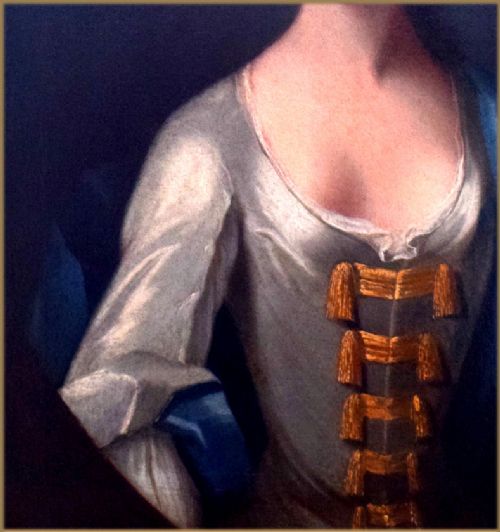
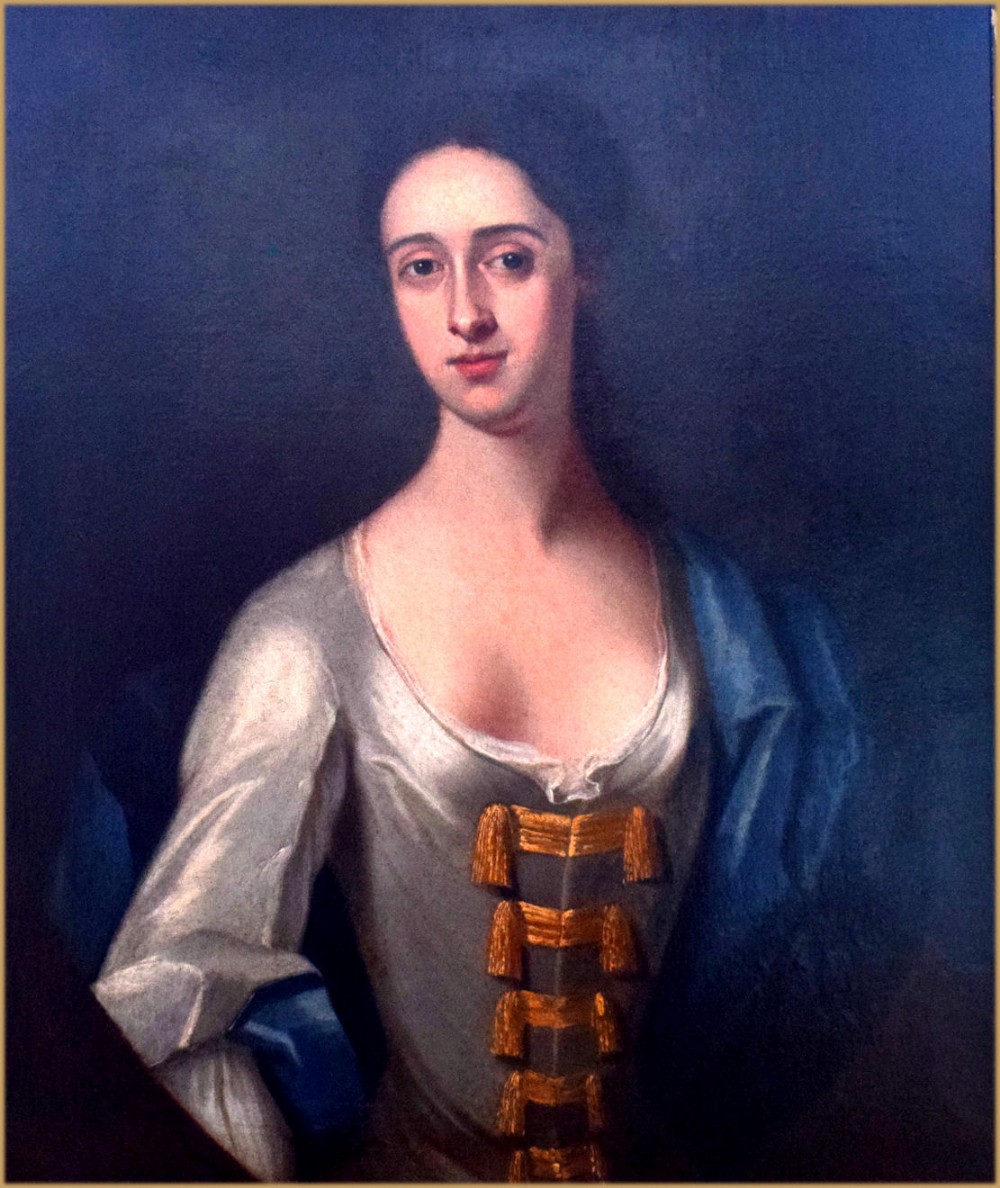
fig 1. An eighteenth-century oil painting depicting a lady in a silver bodice with gold braided tassels and a draped blue gown against a dark background.
fig 1. Philip Mercier, 1689-1760 Portrait of a Lady in a Silver Dress with Gold Braided Tassles & a Blue Gown

In the early 1720s Mercier's work was dominated by the influence of Watteau, with whose work he was clearly intimately acquainted. He etched a number of Watteau's works and painted variations on the theme of the fête-champêtre with either commedia dell'arte figures or English family groups of loyal Hanoverian courtiers. Such groups, of which there are fine examples at Belton House, Lincolnshire, and in the Tate collection, launched the conversation piece in British painting. Mercier was also active at this time as a picture dealer, selling a number of paintings ‘collected abroad’ (Cock's, 21 April 1724).

fig 2. An eighteenth-century oil painting depicting a lady in a silver bodice with gold braided tassels and a draped blue gown against a dark background.
fig 2. Philip Mercier, 1689-1760 Portrait of a Lady in a Silver Dress with Gold Braided Tassles & a Blue Gown

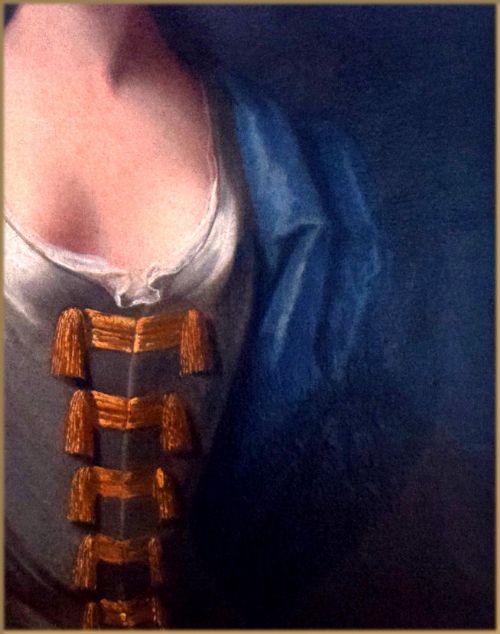
In December 1728 Frederick, having attained his majority, went to London and the following January was made prince of Wales. Mercier painted a series of whole-length portraits of the prince and his three sisters, the princesses Anne, Amelia, and Caroline (Shire Hall, Hertford), all four being engraved by John Simon, who described them as painted in 1728. They presumably brought about Mercier's appointments in 1729 as the prince's principal painter (on 17 February) and page of the bedchamber (on 6 March). On 26 January 1730 he was also made library keeper. In addition he shared with the prince an interest in the theatre; in 1729 they collaborated in a production of Thomas Doggett's Hob at Richmond, and in 1733 Mercier was a shareholder in Rich's Theatre at Covent Garden, London. His informal portrait of Handel (c.1730, priv. coll.) further suggests his interest in the performing arts. He painted more portraits of the prince in 1730 (priv. coll.) and about 1736 (National Portrait Gallery, London), and in 1733 he contrived an informal musical group of the prince with his three sisters (versions in the Royal Collection; National Portrait Gallery, London; and Cliveden, Buckinghamshire). Frederick's patronage, however, proved capricious. By 1736 he had sat to at least five other artists in London and there were rumours of a quarrel between Mercier and his royal patron. In October 1736 Mercier left his service, though he continued to receive payment as librarian until 1738.

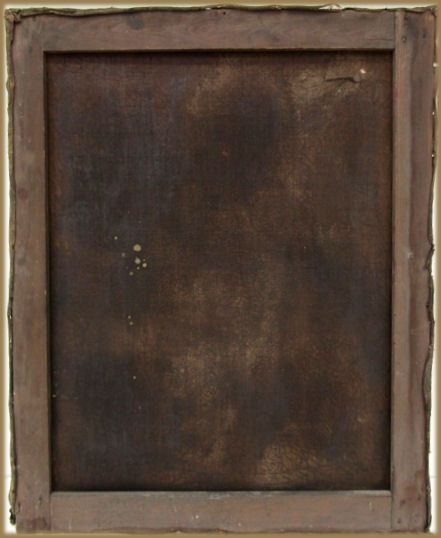
fig 3. An eighteenth-century oil painting depicting a lady in a silver bodice with gold braided tassels and a draped blue gown against a dark background.
fig 3. Philip Mercier, 1689-1760 Portrait of a Lady in a Silver Dress with Gold Braided Tassles & a Blue Gown

On 25 June 1735 Mercier, described as a widower of St Giles-in-the-Fields, married Dorothy Clapham of St James's, Westminster. In 1736 he withdrew to an estate in the country, probably in Northamptonshire. Between October 1737 and May 1739 he was living in the Great Piazza, Covent Garden, but by October 1739 he had settled in York, where he stayed some thirteen years. While he found plentiful employment as a portrait painter, he also produced an increasing number of fancy pieces, often reminiscent of Chardin, for engraving in London. These addressed a popular market and included literary illustrations, domestic scenes, groups of children, and sets of

Height
76cm (29.92")
Width
64cm (25.20")
Depth
2cm (0.79")
Date of Manufacture

Artware Fineart has dated this Georgian Oil Portrait Painting to the 18th Century.

Reference Numbers
Sellingantiques Ref
SA678108
Dealers Internal Ref
4150
Artware Fineart
Sellingantiques verified Since Sep 2008
Dealer Profile

You can view the stock and full dealer information on the Artware Fineart Profile Page
PDF SHARE
SAVE
An eighteenth-century oil painting depicting a lady in a silver bodice with gold braided tassels and a draped blue gown against a dark background.
1 / 6
Archive I An eighteenth-century oil painting depicting a lady in a silver bodice with gold braided tassels and a draped blue gown against a dark background.

Philip Mercier, 1689-1760 Portrait of a Lady in a Silver Dress with Gold Braided Tassles & a Blue Gown
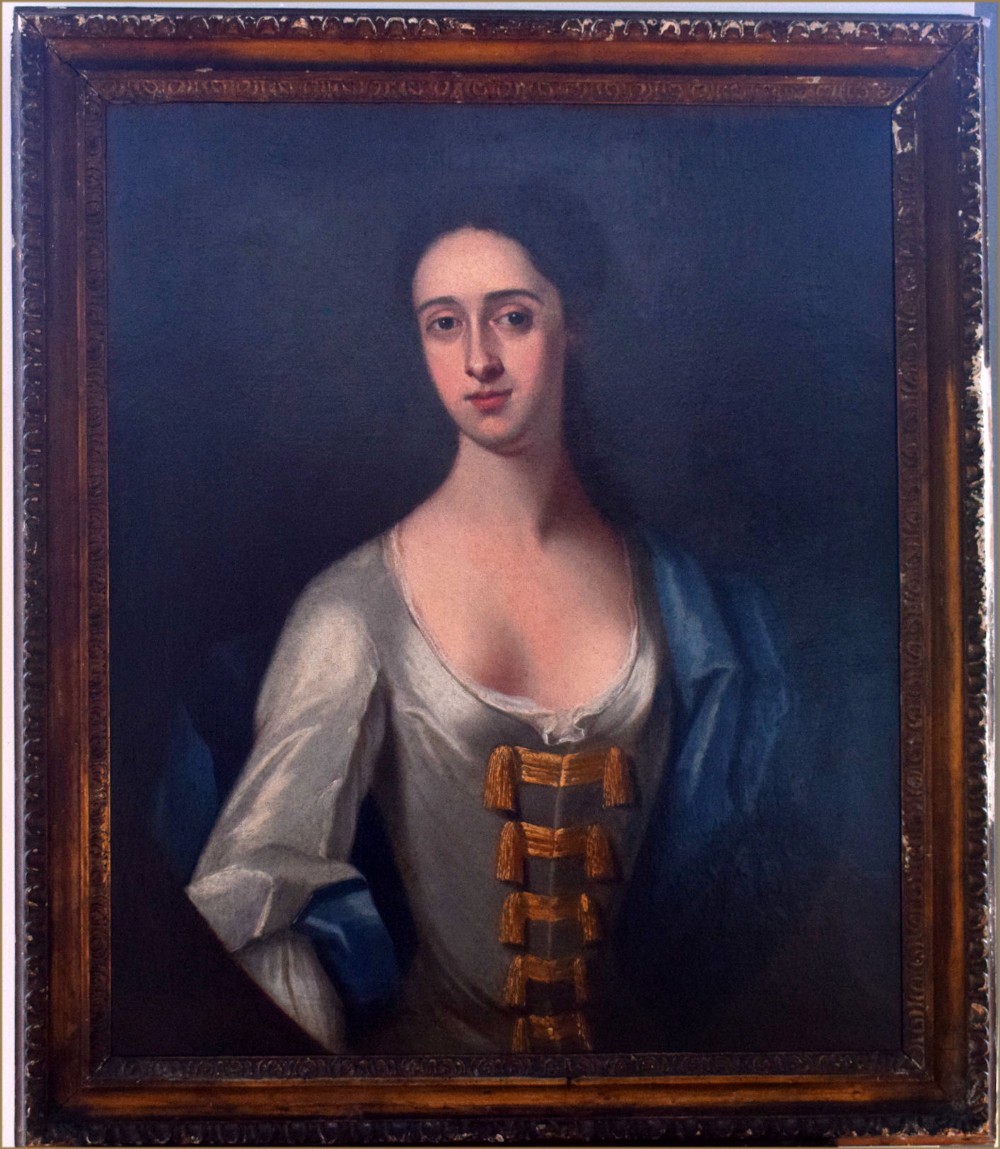
Archive II An eighteenth-century oil painting depicting a lady in a silver bodice with gold braided tassels and a draped blue gown against a dark background. View II
Archive III An eighteenth-century oil painting depicting a lady in a silver bodice with gold braided tassels and a draped blue gown against a dark background. View III
Archive IV An eighteenth-century oil painting depicting a lady in a silver bodice with gold braided tassels and a draped blue gown against a dark background. View IV
Archive V An eighteenth-century oil painting depicting a lady in a silver bodice with gold braided tassels and a draped blue gown against a dark background. View V
Archive VI An eighteenth-century oil painting depicting a lady in a silver bodice with gold braided tassels and a draped blue gown against a dark background. View VI
FURTHER BROWSING

Visitors also looked at these ⇣

Enlarged Archival View
Telephone 07958 699 645
Location
18 La Gare
51 Surrey Row
London
SE1 0BZ
United Kingdom
Verified Since Sep 2008
Items For Sale 243
Items Sold 223
Artware Fineart
Verified Since Sep 2008
View Dealer Info
Location: 18 La Gare , 51 Surrey Row , London , SE1 0BZ , United Kingdom
Verified
Sep 2008
For Sale
243
Sold
223
An eighteenth-century oil painting depicting a lady in a silver bodice with gold braided tassels and a draped blue gown against a dark background.
Philip Mercier, 1689-1760 Portrait of a Lady in a Silver dress with Gold braided tassles & a Blue Gown
Ref: SA678108
An eighteenth-century oil painting depicting a lady in a silver bodice with gold braided tassels and a draped blue gown against a dark background.
Detail View 1
Detail View 2
Detail View 3
Detail View 4
Detail View 5
Archival Detail
Every single antique dealer on our platform is individually approved by our internal team. We verify their professional trade history, ethical standards, and photographic quality to ensure a secure, high-standard buying environment. Upon joining, every dealer agrees to a strict 9-point code of conduct. While issues can occasionally arise, our dealers typically resolve them swiftly and directly with the buyer. In fact, since our founding in 2002, Sellingantiques has only had to step in to help resolve an issue on roughly five occasions—a true testament to the quality of our dealers and their dedication to your happiness.
Our dealers are highly experienced in packing and shipping fragile, high-value antiques. Because you are in direct contact with the dealer, you will be able to easily go through all available shipping and insurance options together to ensure your item arrives safely.
Antiques are the ultimate green purchase. By choosing historical pieces over newly manufactured goods, you completely eliminate the carbon footprint of modern mass production while preserving exceptional, timeless craftsmanship.

Georgian portraiture of the 18th century often depicted aristocrats and prominent figures in formal attire, heavily influenced by Baroque and Rococo aesthetics. Artists focused on fabric texture, soft lighting, and idealised facial features to convey status and social standing.

Artists typically used hand-ground oil pigments mixed with natural oils such as linseed or walnut oil, applied onto hand-woven linen or hemp canvas stretched over timber frames.

Authentic period paintings display natural craquelure patterns consistent with age, historic stretcher construction with hand-cut timber joints, and evidence of hand-woven canvas texture on the reverse.

An 18th-century portrait serves as a visual anchor above a mantelpiece or sideboard, creating an engaging dialogue when paired with minimalist contemporary decor or classic traditional furniture.

Keep the canvas away from direct sunlight, high humidity, and direct heat sources. Dust gently using a dry, soft-bristled brush without applying chemical cleaners or pressure.
items
Add keywords to the filter
Price
£100
£250000
Era
Movements
Material
Origin
Stock Location
Freshness
Online Payments
Categories