

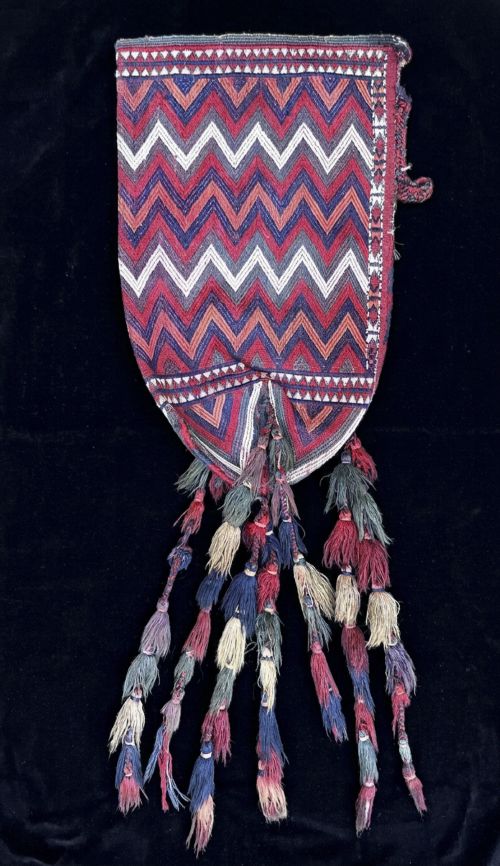


Yomut Turkmen Weaving
When you search for yomut turkmen weaving, you enter a world of tribal textile art from the Trans-Caspian steppes.
Yomut Turkmen Weaving
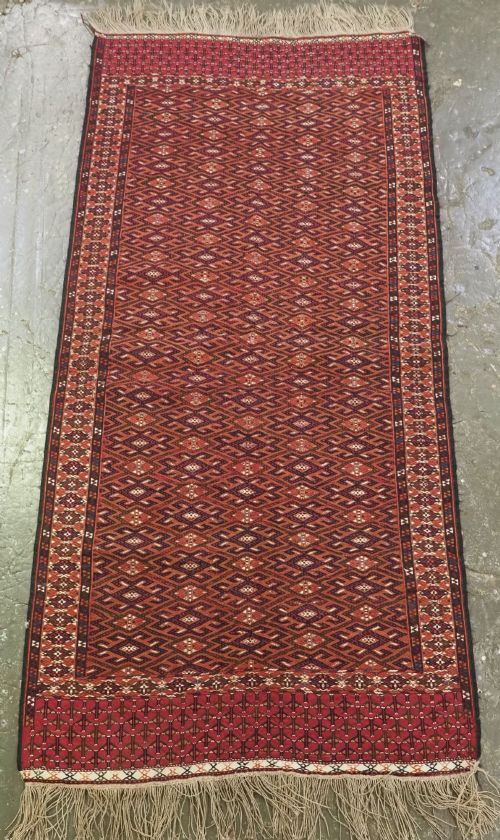
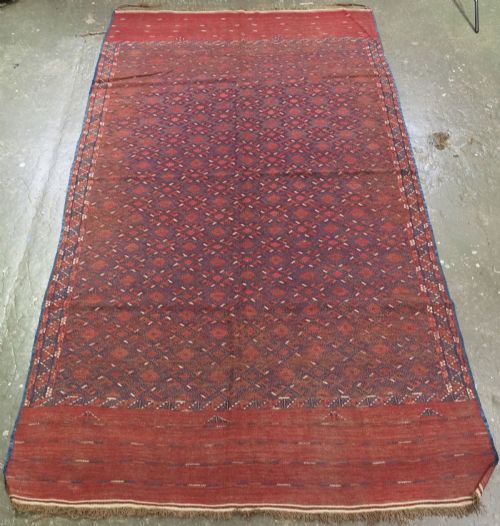
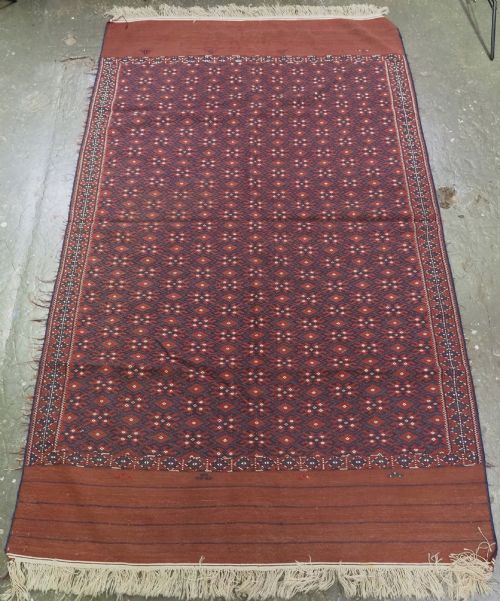
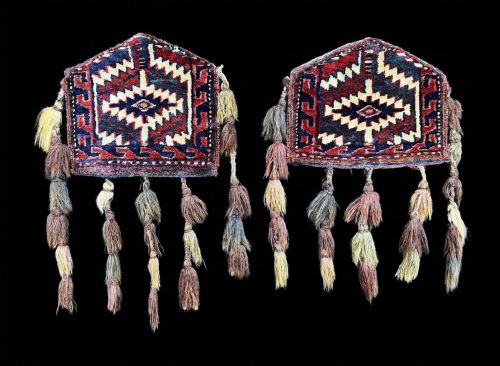
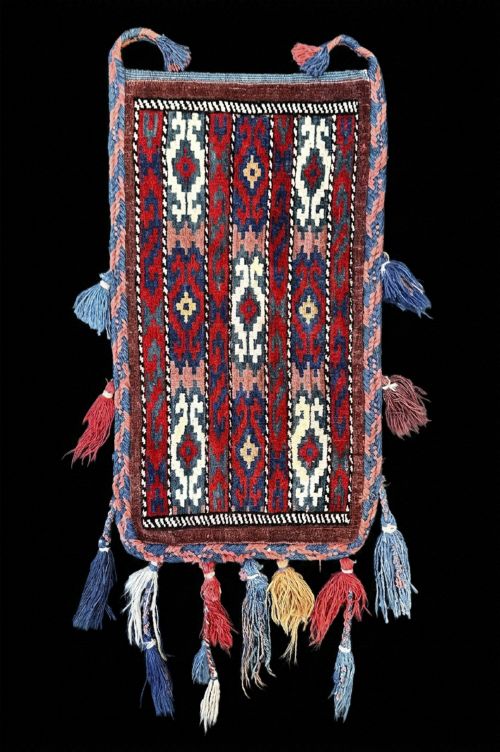
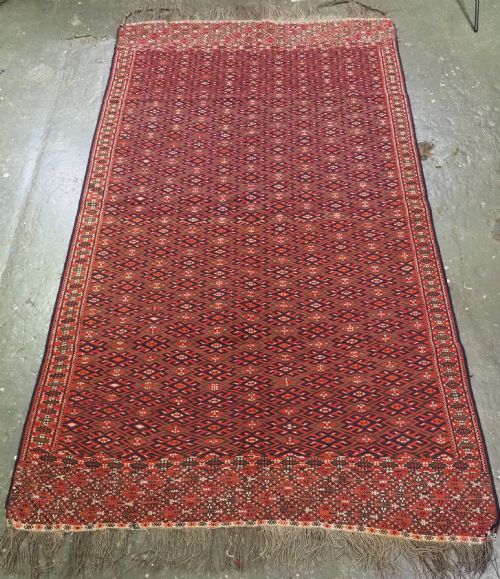
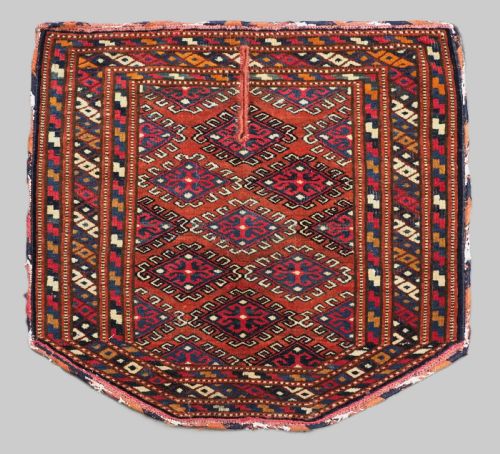
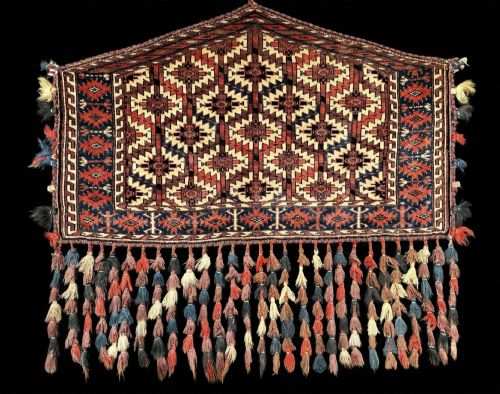
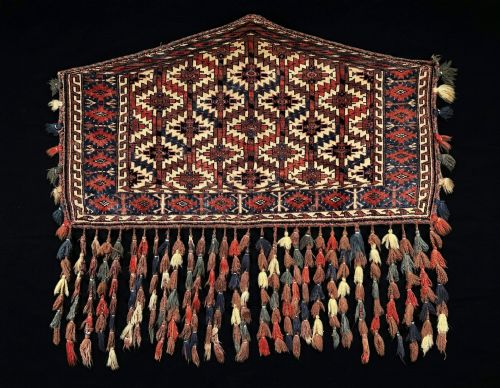
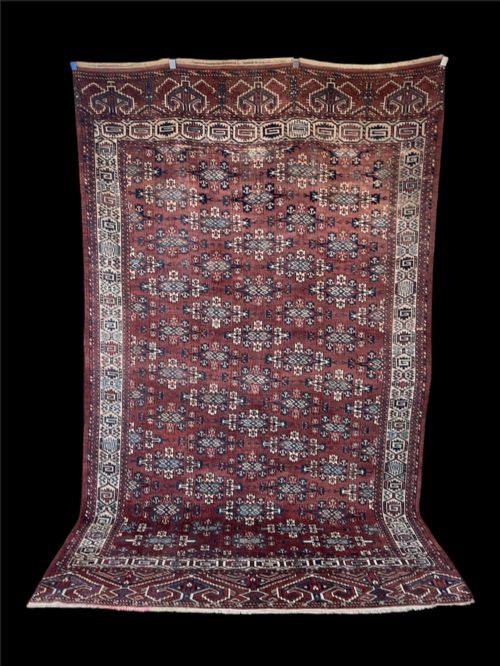
Yomut turkmen weaving encompasses tribal textiles created across the Trans-Caspian steppes of Central Asia by the Yomut tribe. Buyers encounter various functional forms here, ranging from main carpets and area rugs to specialised items like asmalyks, torbas, chuvals, and spindle bags.
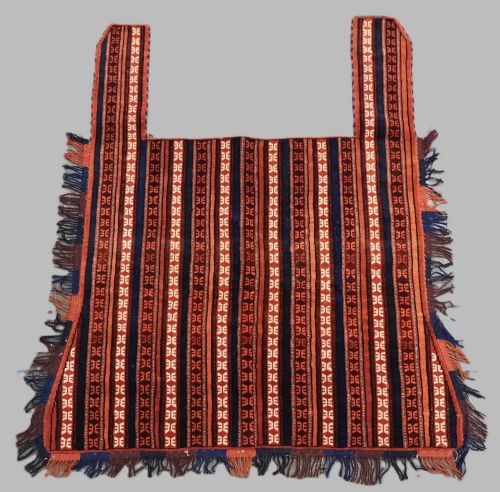
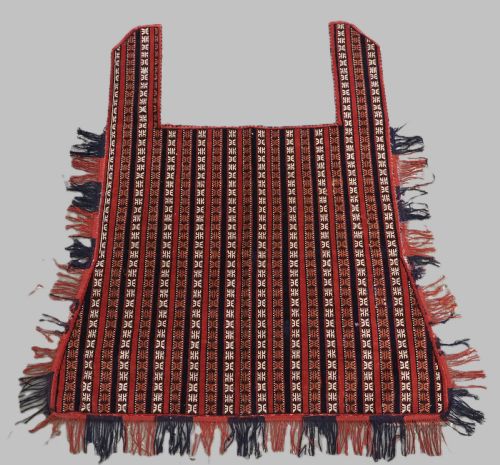
The selection spans the nineteenth century and early twentieth century, showing distinct formats used in nomadic life. Pieces such as tent-pole bags, horse covers, and saddle rugs appear alongside flatweaves like palas soumak kilims.
Tribal and nomadic styles dominate these listings, reflecting the rich heritage of Turkmen craftsmanship. Each textile serves as a window into the traditional visual language of Central Asian makers.
Assessing Quality and Execution
Quality in these tribal textiles rests on the precision of the guls and structural integrity. Finer pieces demonstrate tighter knotting, balanced proportions, and sharp execution of traditional motifs such as the kepse gul, dyrnak gul, and aishk gul.
The choice and stability of natural dyes influence the visual depth of the textile. Superior examples preserve vibrant, harmonious palettes that showcase the skill of the weaver.
Yomut Turkmen Weaving Retail Price Guide 2026
Typical asking prices for yomut turkmen weaving among the pieces listed under this phrase on Sellingantiques today, from the lower quarter to the upper quarter. They describe what is for sale here now, not the wider market.
Nomadic weavers packed entire households into intricately patterned bags that doubled as art.
The Yomut Turkmen Weaving Glossary
- Gul
- A primary octagonal medallion motif repeated across Turkmen carpets and bag faces. These geometric emblems often identify specific tribal groups.
- Torba
- A small storage bag used inside nomadic tents for household possessions. These rectangular hangings frequently display intricate field patterns.
- Chuval
- A large tent storage bag designed for bedding and clothing. They typically feature multiple rows of guls.
- Asmalyk
- A pentagonal trapping mounted on the flank of a camel during wedding processions. These ceremonial items represent some of the most decorative tribal weaving.
- Soumak
- A flatweave technique wrapping weft threads over warp threads to create a textured surface. This method produces durable rugs and kilims without a cut pile.
Yomut Turkmen Weaving: Frequently Asked Questions
What is a yomut turkmen weaving?
These pieces are handmade tribal textiles originating from the Yomut tribe in Central Asia. They include practical storage bags, ceremonial trappings, and main carpets created during the nineteenth and early twentieth centuries.
Nomadic families used these items for daily storage and festive occasions. The rugs and wall hangings display traditional geometric designs passed down through generations.
How were these bags used?
Nomads utilised torbas and chuvals inside their tents to store clothing, bedding, and smaller household utensils. Specialised items like spindle bags held spinning tools.
Other textiles served ceremonial purposes, such as horse covers and asmalyks displayed during weddings. Every piece fulfilled a practical or ritual role within the community.
How do I style these rugs at home?
Smaller formats like torbas and bag faces work well mounted as wall art or displayed on furniture. Larger carpets and area rugs anchor floor spaces in traditional and modern interiors.
Pairing these textiles with neutral backgrounds lets the deep natural dyes and geometric patterns stand out. Their sturdy wool construction suits moderate foot traffic.
How do I identify different gul designs?
The guls are geometric medallions that vary by tribal subgroup and purpose. Key patterns include the kepse gul, dyrnak gul, and aishk gul.
Studying the arrangement and drawing of these octagons helps distinguish Yomut work from other Turkmen groups. Each motif carries traditional symbolic meaning tied to tribal identity.