

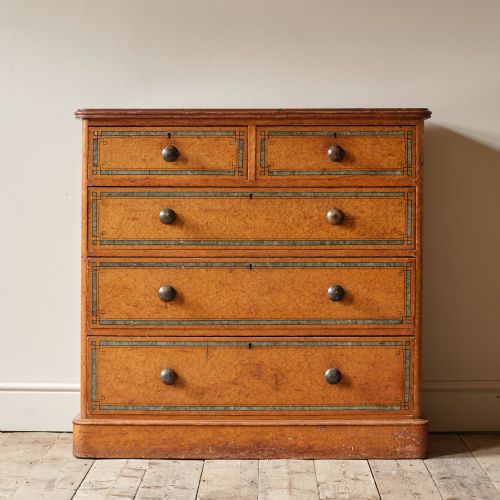
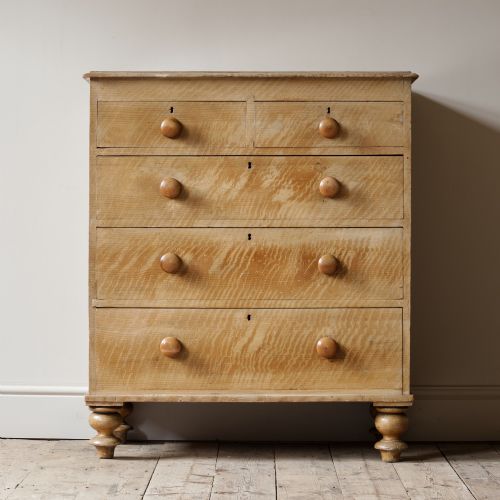
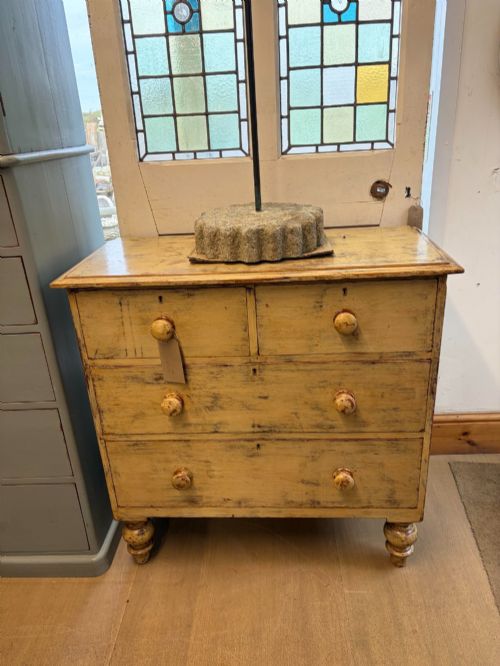
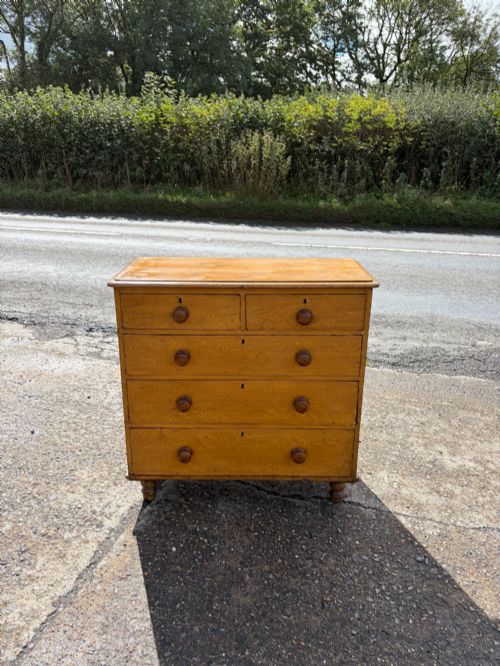



Yellow Wooden Dresser
These yellow wooden dresser selections bring warmth and utility into a room through honest nineteenth century craftsmanship.
Yellow Wooden Dresser
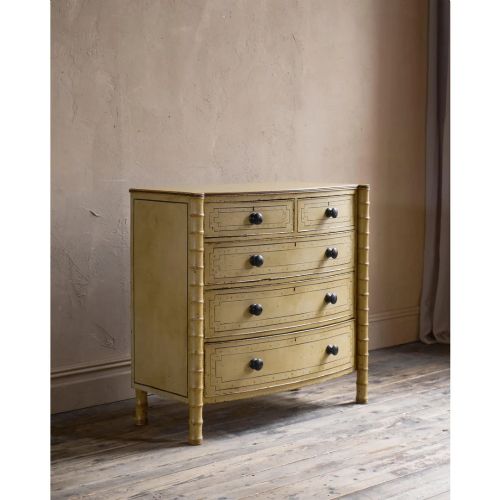
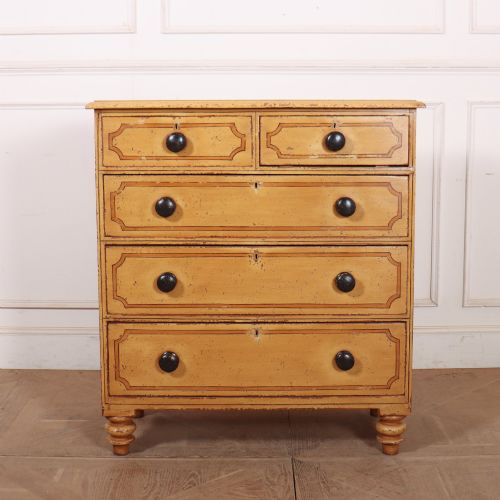
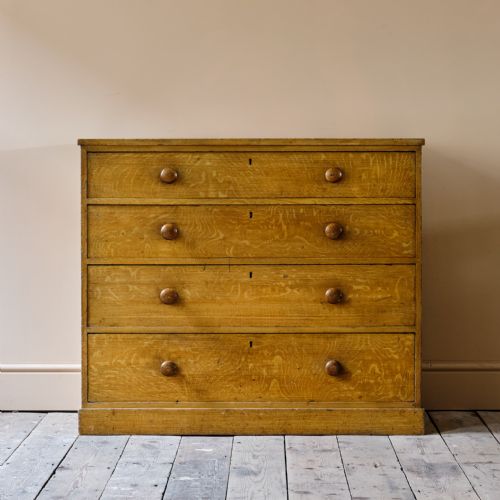
A yellow wooden dresser gathers nineteenth century chests of drawers, housekeeper cupboards, serving tables, and buffets bearing original paint or graining. Buyers seeking this phrase encounter pine and softwood forms shaped by Victorian, Regency, and rustic farmhouse traditions.
The pieces on this page lean heavily toward nineteenth century examples, particularly mid Victorian chests with two over two or two over three drawer arrangements. Alongside standard chests, regional English and continental variants like West Country cupboards and Italian buffets appear.
Original painted surfaces define the visual character of these items, showing decades of domestic use rather than modern restoration. This surface preservation connects the current selection directly to nineteenth century vernacular interiors.
Materials and construction
Makers built these pieces primarily from pine and painted softwood, selecting timber that took applied colour and graining readily. Iron hardware such as drawer pulls and hinges provided sturdy functional support for daily household service.
Surfaces were finished with paint or original graining applied directly to the timber substrate, often surviving in patinated states across decades. This straightforward construction relied on simple joinery suited to regional workshops and country houses.
Yellow Wooden Dresser Retail Price Guide 2026
Typical asking prices for yellow wooden dresser among the pieces listed under this phrase on Sellingantiques today, from the lower quarter to the upper quarter. They describe what is for sale here now, not the wider market.
The listings here feature nineteenth century pine and softwood pieces spanning the Victorian and Regency periods, finished in original paint, graining, and faux bamboo.
Judging quality and character
Quality rests in the survival of original painted or grained surfaces, which distinguish honest vernacular items from later repainted pieces. The integrity of the pine timber and the crispness of proportions determine the standing of each chest or cupboard.
Regional detailing also sets individual pieces apart, from West Country cupboard construction to Regency faux bamboo turnings. The depth of the patination tells the story of age and use across the nineteenth century.
The Yellow Wooden Dresser Glossary
- Pine
- A softwood commonly used in nineteenth century furniture construction for its workability and availability. It served as the primary substrate for painted finishes and regional country pieces.
- Original paint
- The initial decorative surface applied to a piece of furniture during its period of manufacture. Surviving layers show authentic wear and chemical ageing.
- Graining
- A decorative painting technique designed to imitate the appearance of more expensive hardwoods. Artisans used specialised tools to manipulate wet paint over a paler base.
- Buffet
- A side table or low cupboard used for serving food and storing dining utensils. Italian and English examples provide wide surface areas for display.
- Faux bamboo
- A style of woodturning that mimics the segmented joints of natural bamboo canes. It gained popularity during the Regency period through exotic design influences.
Yellow Wooden Dresser: Frequently Asked Questions
What is a yellow wooden dresser?
A yellow wooden dresser category encompasses nineteenth century pine chests of drawers, cupboards, and serving tables featuring original paint or graining.
These pieces reflect Victorian and Regency rural traditions where softwood was painted to brighten domestic spaces.
How were these painted chests used?
Households utilised these chests and cupboards for storing linens, clothing, and tableware in bedrooms, kitchens, and pantries.
Larger housekeeper cupboards and serving tables provided essential storage and workspace in busy nineteenth century homes.
How do I care for original paint?
Original painted surfaces require gentle dusting with a dry cloth and protection from direct sunlight and excessive moisture.
Avoiding harsh chemical cleaners preserves the historical patination and fragile pigment layers accumulated over the centuries.
How do I date a pine chest?
Dating relies on construction methods, drawer dovetails, hardware styles, and the characteristics of the underlying pine timber.
Mid nineteenth century examples often display specific regional traits and surface wear consistent with Victorian domestic life.