


Yellow Wooden Cabinet
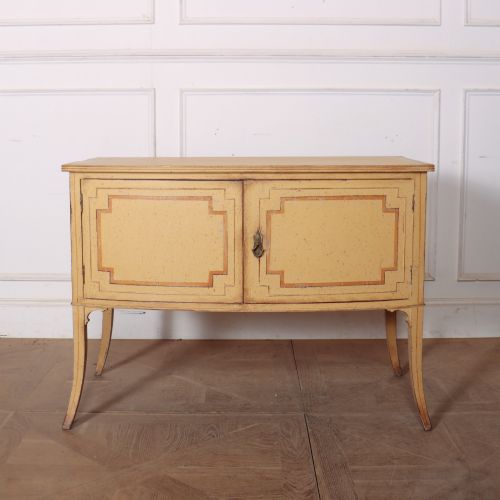
A yellow wooden cabinet brings warmth and character to a room, offering practical storage disguised in vibrant, historic paint.
Yellow Wooden Cabinet
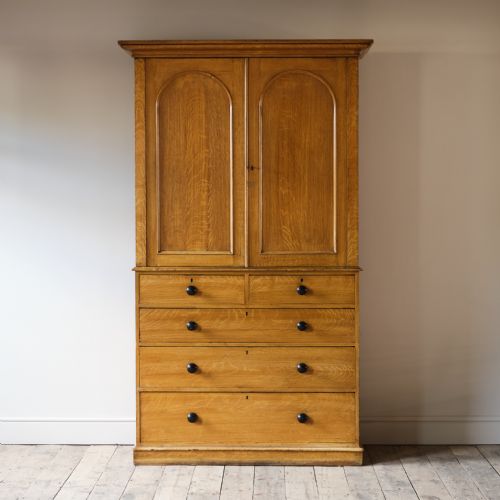
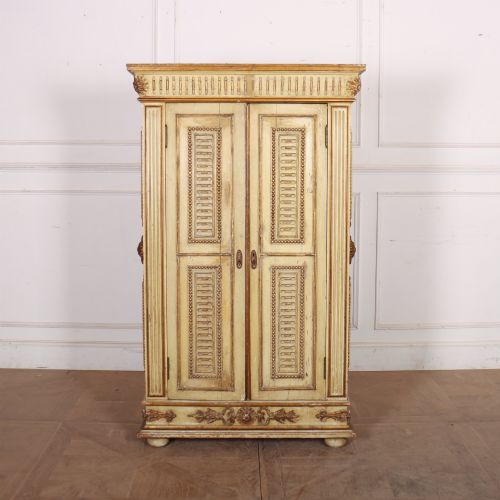
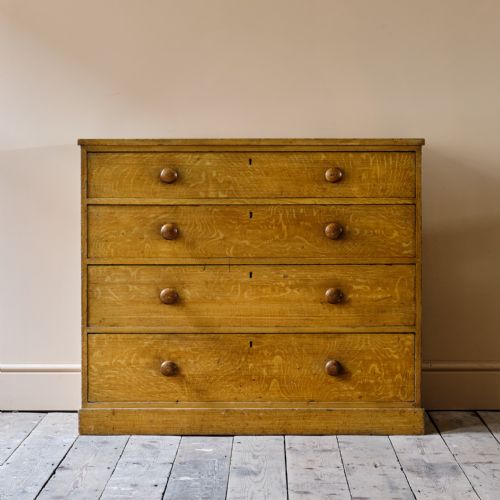
When you search for a yellow wooden cabinet, you encounter sturdy pieces constructed from pine, timber, and softwood, often finished in original paint or decorative gesso. These items span the eighteenth and nineteenth centuries, taking the form of chests of drawers, linen presses, side cabinets, and cupboards.
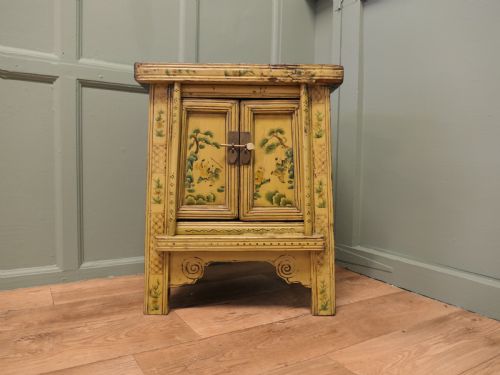
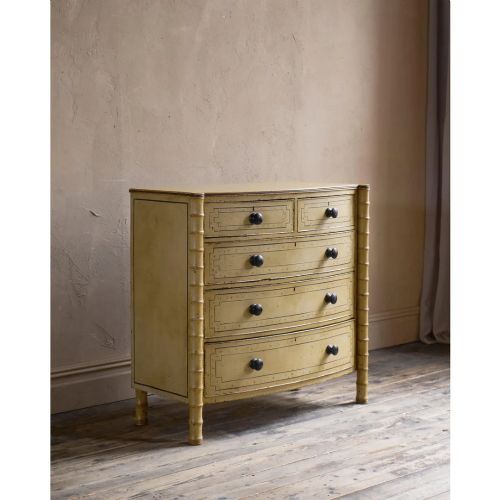
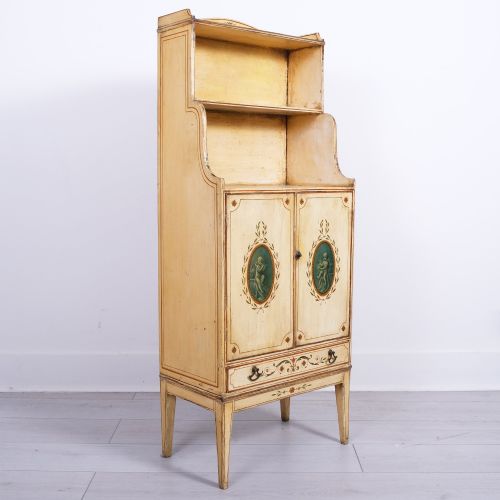
The aesthetic ranges from English country house and Victorian country utility to elaborate Regency faux bamboo and Italian Neoclassical revival. Chinoiserie decoration also appears, showing how makers applied ornamental motifs over painted surfaces.
You are most likely to meet nineteenth-century pine chests of drawers and cupboards bearing layers of historic paint. These domestic forms served everyday storage needs in kitchens, bedrooms, and parlours.
How they were made
Carpenters constructed these cabinets using solid timber and pine, often utilising softwood boards joined for daily utility. Surfaces were then prepared with gesso before receiving coats of paint.
Makers applied decorative techniques including Chinoiserie motifs and faux bamboo turning to imitate more exotic materials. Original paint surfaces remain intact on many pieces, showing the brushwork and wear of past centuries.
The listings on this site span the eighteenth and nineteenth centuries, featuring pine, softwood, and brass hardware across multiple countries.
What varies in quality
The integrity of the original painted surface distinguishes finer items from later repainted examples. Retaining the authentic gesso and early pigment layers preserves the historical character of the wood.
Construction methods also separate utilitarian pieces from more ambitious cabinet work. Drawer dovetails, brass hardware quality, and the crispness of decorative painting or faux bamboo turning reveal the skill of the original workshop.
The Yellow Wooden Cabinet Glossary
- Gesso
- A plaster mixture applied to wood as a base for painting or gilding. It provides a smooth surface for detailed decoration.
- Chinoiserie
- European artistic interpretation of Chinese and East Asian decorative styles. This style appears on painted cabinets and screens.
- Softwood
- Timber from conifer trees, such as pine, used widely for carcases and secondary framing. It takes paint readily.
- Linen Press
- A tall piece of furniture featuring upper doors enclosing sliding trays for textiles and lower drawers. It stored household linens before fitted wardrobes became common.
Yellow Wooden Cabinet: Frequently Asked Questions
How do I care for original paint?
Keep painted wooden cabinets away from direct sunlight and damp environments to protect the historic pigment and gesso layers.
Dust gently with a dry, soft cloth rather than using liquid cleaning products that might soften old finishes.
Are these pieces strictly yellow?
The colour palette includes cream, mellowed yellows, and aged paint finishes that have shifted tones over centuries of exposure.
Original paint often mellows unevenly, creating complex hues rather than a uniform modern yellow.
Where were these cabinets used?
Most items originated in domestic settings like kitchens, bedrooms, and country house utility spaces for storing clothes and provisions.
Italian and English country workshops produced them for everyday storage before they entered the antique market.
What is faux bamboo?
Makers carved or turned wood to imitate the segmented joints and texture of natural bamboo canes during the Regency period.
This decorative technique brought an exotic, lightweight look to standard pine and hardwood furniture frames.