





Yellow Topaz Pendant
A yellow topaz pendant catches the light with a warm, amber glow, offering both historic charm and golden colour for everyday wear.
Yellow Topaz Pendant
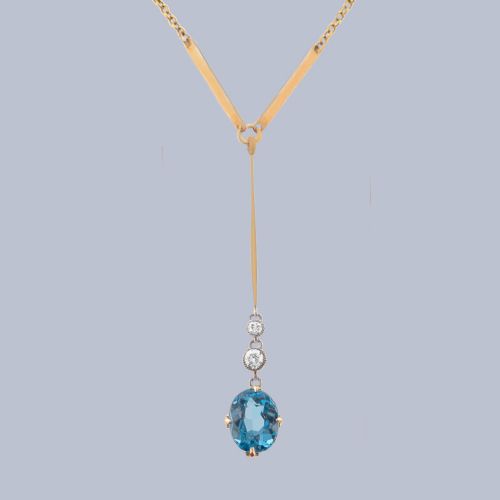
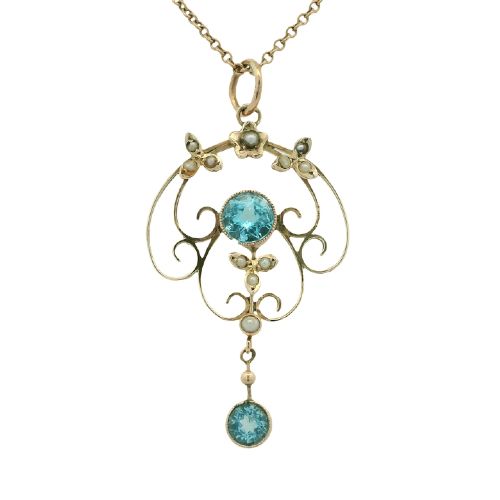
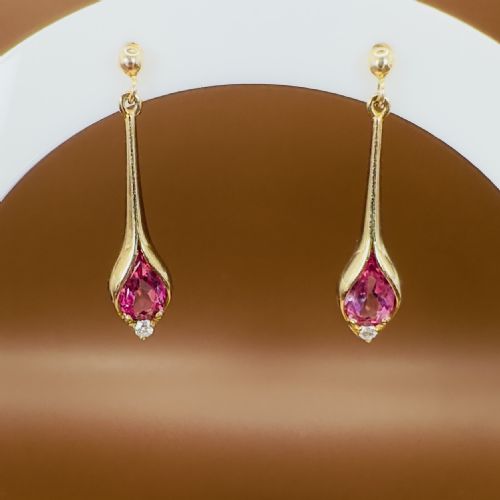
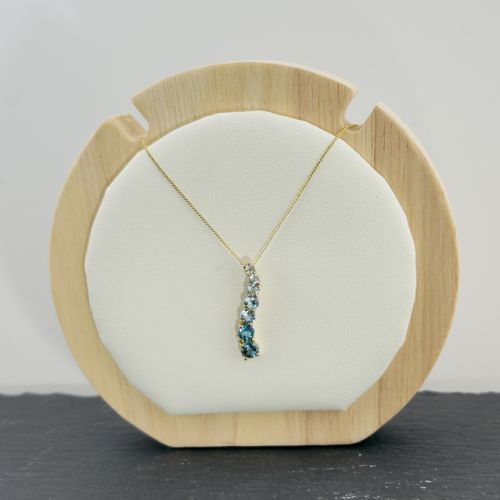
A yellow topaz pendant brings together historical gemstone craftsmanship and various gold settings, spanning periods from the Georgian era through the Victorian years and into mid-century modern design. These pieces often feature faceted stones set alongside diamonds, seed pearls, or complementary topaz varieties like pink, white, blue, and cognac.
The selection here encompasses items labelled as pendant necklaces, drops, and charms, showcasing styles from classic fine jewellery to retro and modernist aesthetics. While the search centres on yellow topaz, the evidence shows related stones and golden hues appearing across different decades of manufacture.
How they were made
Maker techniques rely heavily on precious metals, primarily 9ct yellow gold and higher carat golds, shaped into structured settings to hold faceted gemstones securely. Artisans combine these golden mounts with cut stones like pear cuts and large ovals, often integrating secondary gems such as diamonds or seed pearls.
Construction methods vary from delicate Victorian chain work to mid-century modern castings and signed pieces from established makers. The physical integration of stones involves traditional claw settings and secure bezels that highlight the natural clarity and refraction of the topaz.
Yellow Topaz Pendant Retail Price Guide 2026
Typical asking prices for yellow topaz pendant among the pieces listed under this phrase on Sellingantiques today, from the lower quarter to the upper quarter. They describe what is for sale here now, not the wider market.
One robust 1930s example abandons the neck entirely to serve as a chunky golden fob designed for a pocket watch chain.
What varies in quality
The harmonious combination of primary topaz stones with supporting gems like diamonds elevates a piece's material richness. Attention to detail in the setting work and the preservation of the original chain or clasp further distinguish finer examples.
Carl Bucherer·C'est Laudier
The Yellow Topaz Pendant Glossary
- Topaz
- A silicate mineral of aluminium and fluorine that occurs in various colours including yellow, pink, blue, and white. It is valued in jewellery for its hardness and bright vitreous lustre.
- Georgian
- Pertaining to the period of British history spanning the reigns of the four King Georges, characterised by handmade jewellery often utilising foil backs and closed settings.
- Victorian
- Relating to the reign of Queen Victoria, a period known for sentimental motifs, intricate gold work, and the incorporation of pearls alongside coloured gemstones.
- Faceted
- Having flat polished surfaces geometric in arrangement, designed to maximise the light return and brilliance of a transparent gemstone.
- Seed pearl
- A very small natural or cultured pearl, frequently drilled and strung or used in clusters to accent central gemstone pendants during the nineteenth century.
Yellow Topaz Pendant: Frequently Asked Questions
What is precious topaz?
Precious topaz refers to naturally coloured yellow, orange, or pink varieties of the mineral, as distinguished from treated stones. These natural warm hues were particularly favoured in historic jewellery.
Collectors prize genuine precious topaz for its rich saturation and light-handling qualities, which differ from colourless stones that have undergone artificial irradiation.
Are these pendants durable for daily wear?
Topaz is a relatively hard gemstone rating eight on the Mohs scale, making it suitable for regular wear when mounted securely in gold. However, antique and vintage pieces require gentle care to protect delicate settings and secondary stones like seed pearls.
Avoiding harsh chemicals, ultrasonic cleaners, and impacts will preserve the integrity of the goldwork and the polish of the gemstone.
How should I clean a vintage topaz pendant?
Cleaning is best performed using warm soapy water and a soft brush to remove surface oils from the back of the gemstone. Thorough rinsing and drying with a lint-free cloth restore the sparkle without risking the metal or softer accent stones.
Harsh chemical dips should be avoided, particularly on antique pieces containing pearls or foil-backed stones that water and chemicals can permanently damage.