




Yellow Storage Chest
A yellow storage chest brings warmth and character to a room while keeping belongings neatly tucked away.
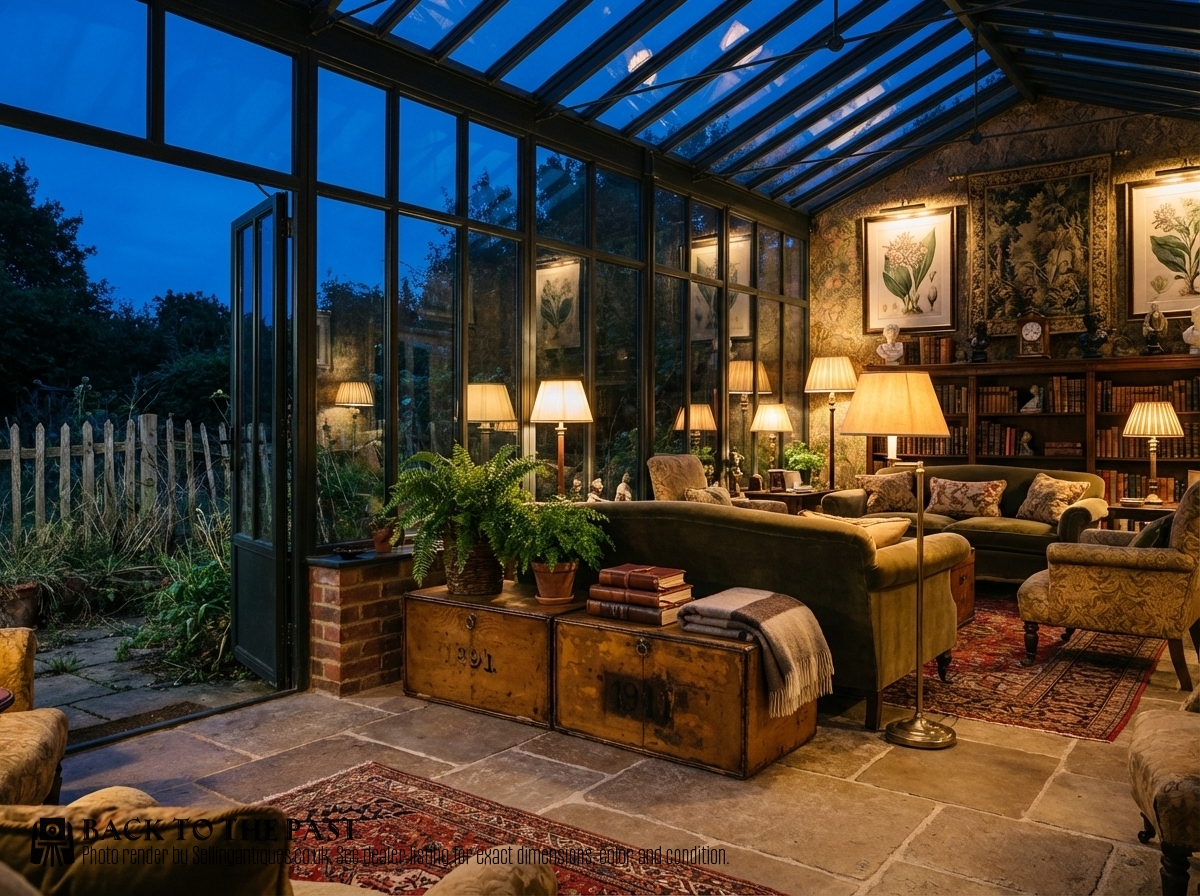
Yellow Storage Chest
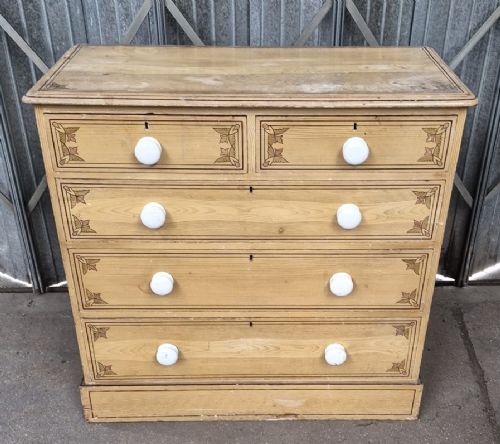
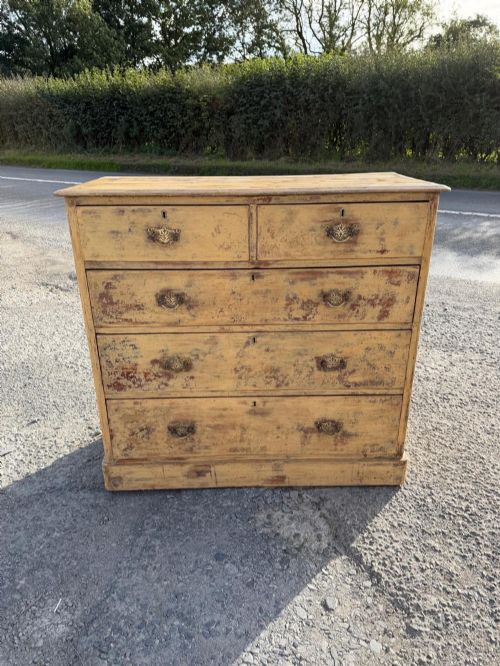
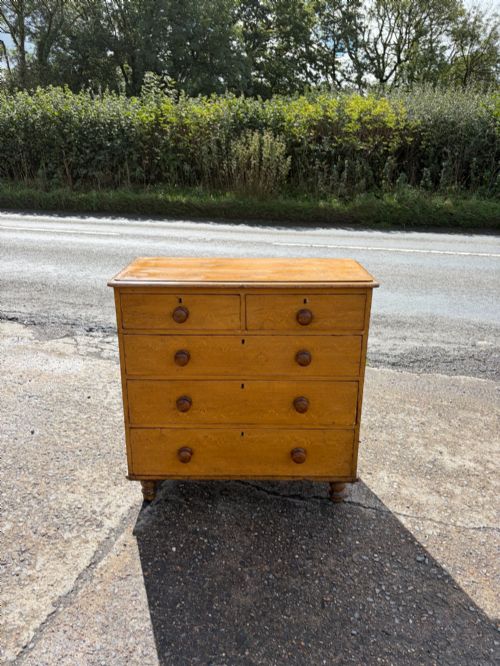
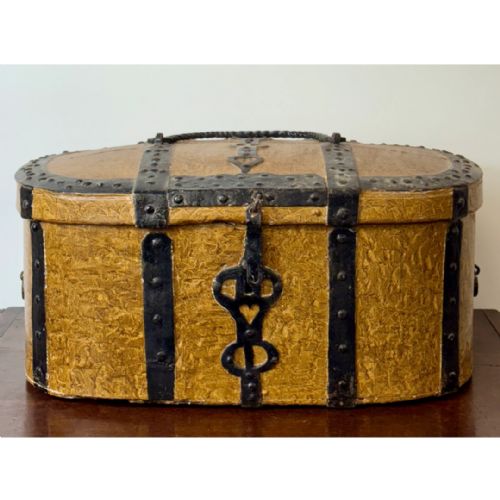
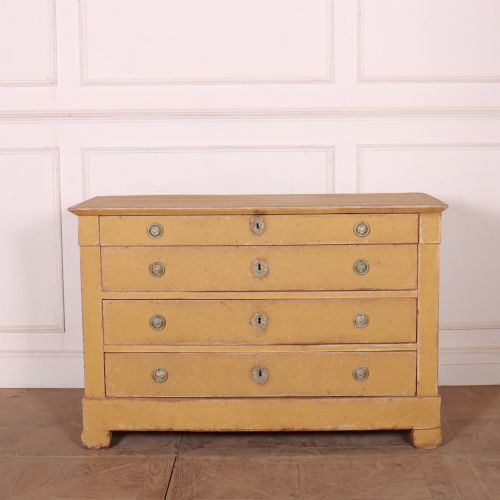
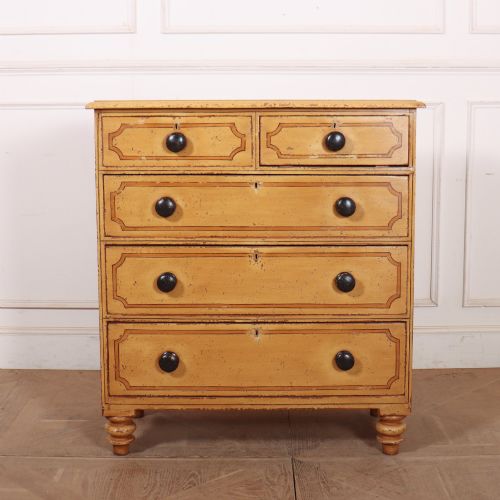
A yellow storage chest encompasses a practical range of painted wooden and metal containers designed for holding clothes, linens, or household goods. When searching for a yellow storage chest, buyers encounter items varying from 18th century folk art trunks and rustic pine boxes to Victorian chests of drawers and industrial metal lockers. These pieces span multiple centuries, capturing regional aesthetics from English country houses to Swedish farmhouses.
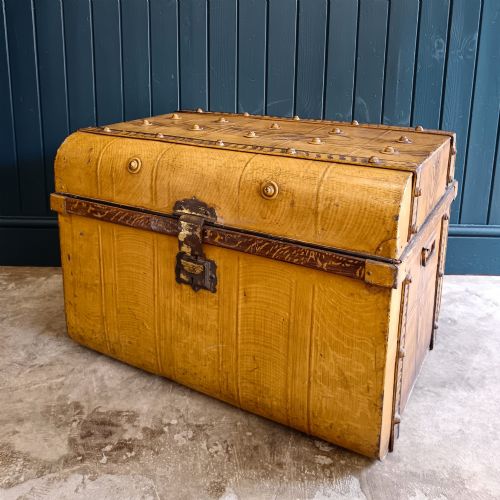
The most frequent examples on this page are constructed from pine or metal and coated in historic or original yellow and scumble paint finishes. Buyers also find painted commodes, log bins, deed boxes, and steamer trunks that share this distinct sunny palette. Each form offers robust utility alongside a decorative surface that has weathered decades of domestic or maritime use.
Originating across Britain, France, Italy, and Scandinavia, these chests reflect local joinery traditions and regional utility. Some pieces function as traditional blanket boxes and coffers, whilst others provide multi-drawer storage for domestic settings. The unifying element remains the vibrant painted exterior, which transforms purely functional furniture into a focal point.
Materials and construction
Carpenters and manufacturers relied primarily on solid pine, sturdy hardwoods, and sheet metals such as steel and iron to build these receptacles. Joinery techniques ranged from dovetail joints on antique pine drawers to reinforced iron corners and brass fittings on travelling trunks. Iron and wrought iron hardware provided necessary structural integrity for heavy transport and daily domestic handling.
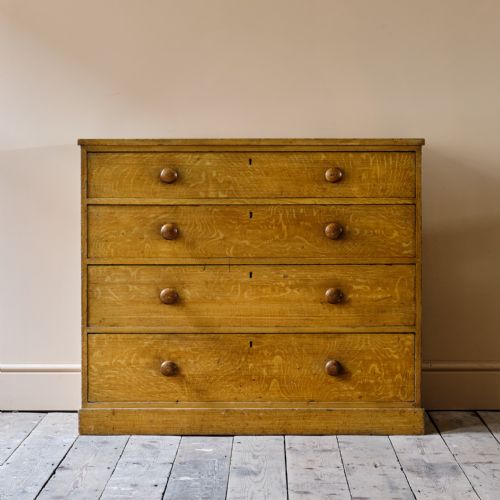
Surfaces were frequently finished with layers of lead-based paint, hand-mixed pigments, or scumble glazes to simulate finer woods or create bright decorative schemes. Original paint finishes were applied with brushes, leaving subtle tool marks and organic craquelure developed over generations. Metal variants utilised baked enamels or protective coatings to withstand industrial and maritime environments.
Yellow Storage Chest Retail Price Guide 2026
Typical asking prices for yellow storage chest among the pieces listed under this phrase on Sellingantiques today, from the lower quarter to the upper quarter. They describe what is for sale here now, not the wider market.
Listings feature 19th century and Victorian pine furniture alongside 18th century Swedish folk art pieces and industrial metal chests.
Evaluating craftsmanship and condition
The distinction between standard examples and superior pieces rests heavily on the preservation of original surface finishes and historic patination. Chests retaining untouched layerings of early paintwork command greater appreciation than those stripped or subjected to modern repainting. Structural integrity, including the retention of original brass or iron hinges, locks, and drawer pulls, further separates utilitarian items from finer decorative works.
Finely executed details, such as sophisticated faux-bamboo turnings, deliberate scumble graining, or regional folk art motifs, elevate the stature of a piece. The skill of the original joiner is evident in the tightness of dovetail joints, smooth drawer operation, and balanced proportions. Pieces with documented provenance, such as shipping lineage or specific regional origins, demonstrate higher levels of historical interest.
The Yellow Storage Chest Glossary
- Scumble paint
- A decorative technique involving translucent glaze applied over a base coat and manipulated with combs or rags to imitate wood grain. This finish was common in country houses to elevate humble pine furniture.
- Folk art
- Utilitarian objects decorated by self-taught makers using traditional regional motifs and locally available pigments. Swedish and English examples often display naive yet charming painted details.
- Commode
- A low chest of drawers or cabinet, typically originating from French or Italian workshops. These pieces frequently feature decorative painted surfaces and elegant proportions.
- Coffer
- A heavy wooden chest traditionally used for storing valuables, documents, or garments before the widespread adoption of built-in wardrobes. Primitive examples are joined with simple peg construction.
- Deed box
- A small, secure container reinforced with metal, designed for storing legal documents and land grants. Victorian versions were often made in pairs for estate management.
Yellow Storage Chest: Frequently Asked Questions
What is scumble paint on furniture?
Scumble paint is a decorative glaze technique used to create textured, faux-wood grain effects on humble timbers like pine. Craftsmen manipulated wet translucent paint to mimic expensive hardwoods.
This method allowed country cabinetmakers to produce stylish furniture at a lower cost using readily available local wood.
How do I clean an original painted chest?
Original painted surfaces require gentle dusting with a dry, soft cloth to remove surface dirt without disturbing the historic finish. Avoid using chemical cleaners, detergents, or abrasive pads that can strip delicate pigments.
Preserving the dry, aged patina is essential for maintaining the historical character and visual appeal of antique painted furniture.
Where were steamer trunks used?
Steamer trunks were designed for passenger travel aboard ocean liners and trains during the nineteenth and early twentieth centuries. They protected passengers' clothing and belongings from rough handling and moisture during long voyages.
Metal and wood construction ensured durability against the harsh conditions of maritime and railway transport.
Are these chests suitable for modern storage?
These chests offer practical compartments and sturdy construction that easily accommodates blankets, clothing, or household items today. Their generous proportions provide concealed storage while serving as decorative tables or benches in living spaces.
Checking interior dimensions ensures the piece fits your specific storage requirements before placement.