
Yellow Stone Cluster Ring
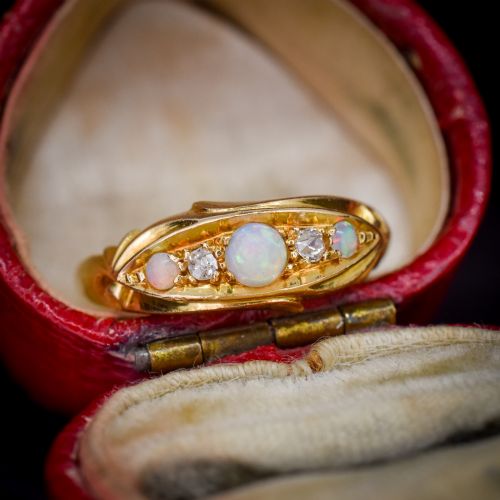
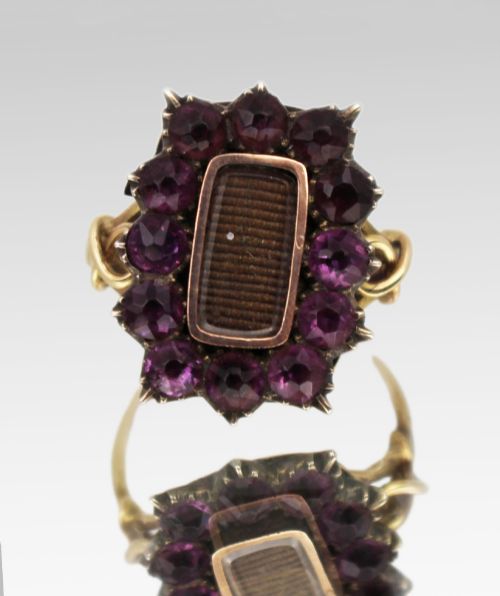
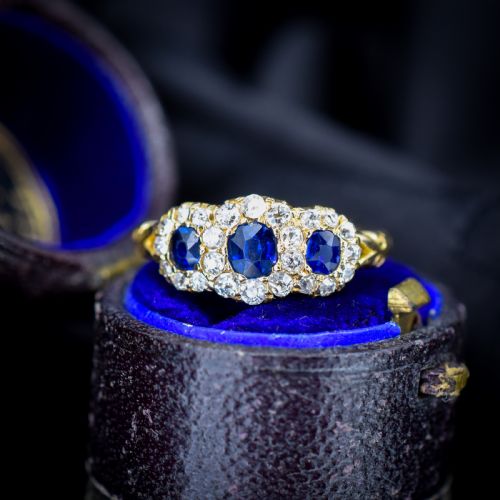
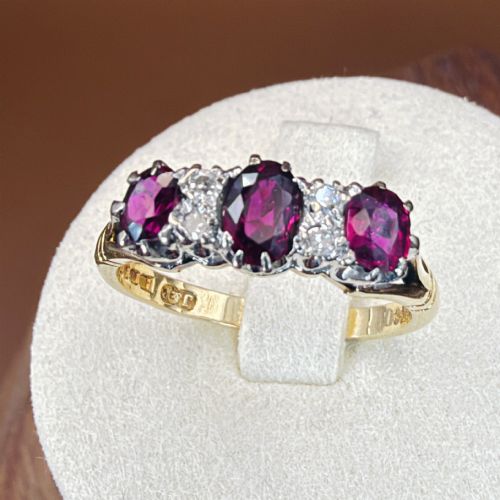
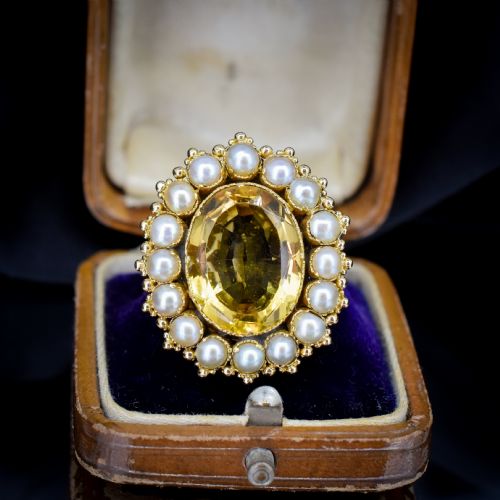
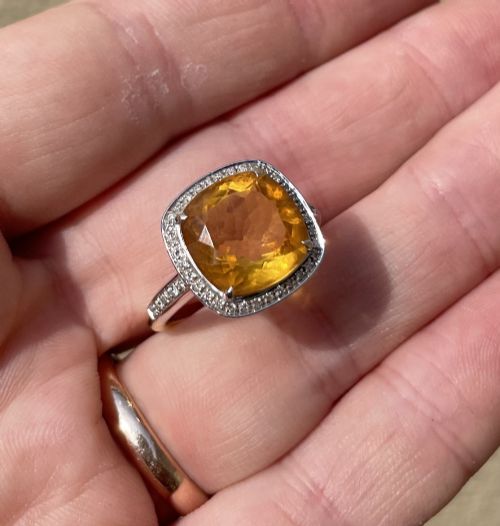
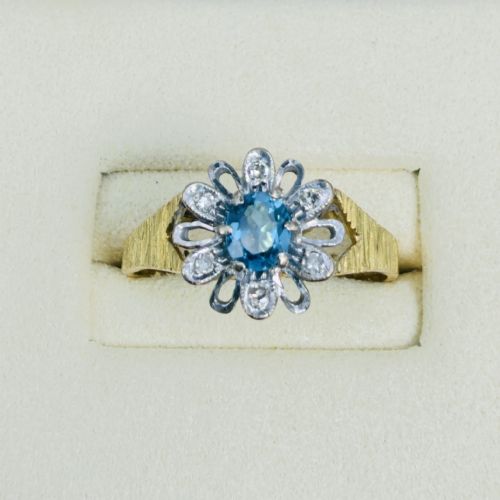
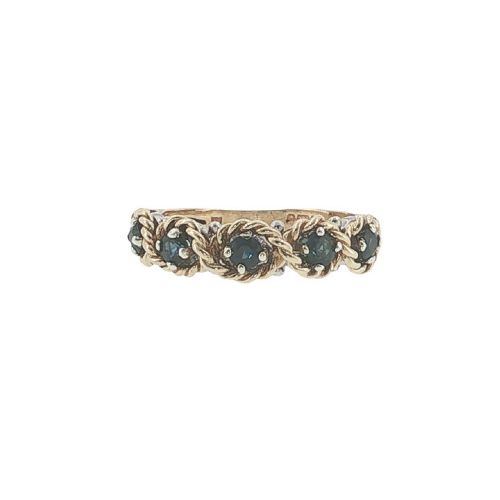
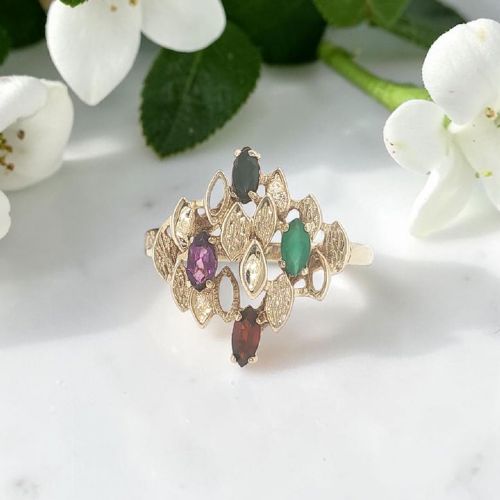
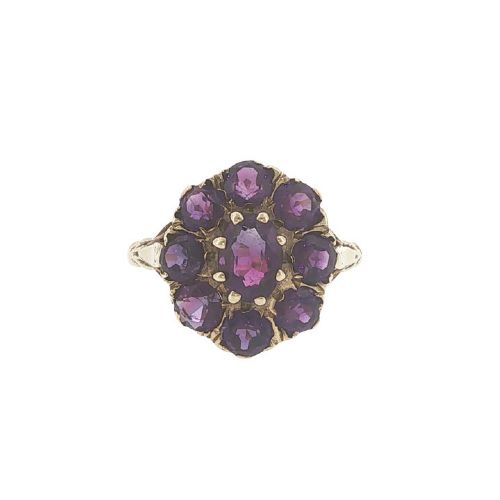
A yellow stone cluster ring brings together central coloured gems and surrounding stones in gold settings across Victorian, Edwardian and vintage periods.
Yellow Stone Cluster Ring
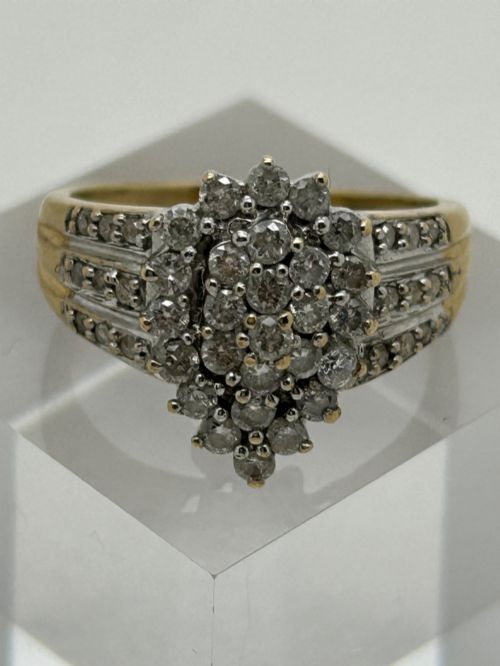
When you examine a yellow stone cluster ring on this page, you encounter pieces designed to showcase a central gem framed by smaller stones, primarily diamonds or complementary gems.
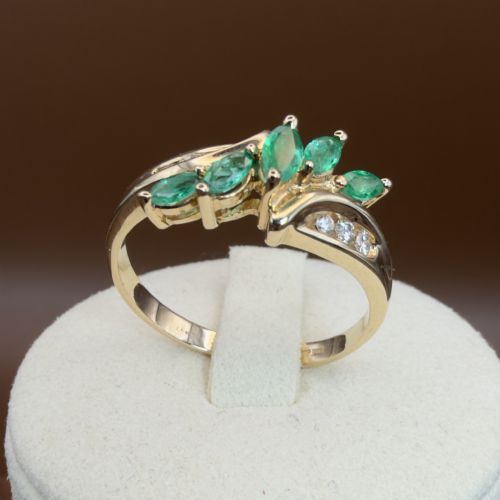
The selections span the Victorian and Edwardian eras through to the mid-twentieth century, offering forms such as oval halo clusters, daisy formations and floral arrangements.
You will find these rings constructed in 18ct yellow gold, 9ct gold and platinum, reflecting the changing aesthetic preferences of makers from the nineteenth century onward.
What varies in quality
The character of a yellow stone cluster ring depends upon the clarity and saturation of the central yellow stone, alongside the uniformity and matching of the surrounding melee stones.
Craftsmanship is evident in the precision of the setting work, the retention of original gold hallmarks and the structural integrity of the gallery supporting the cluster arrangement.
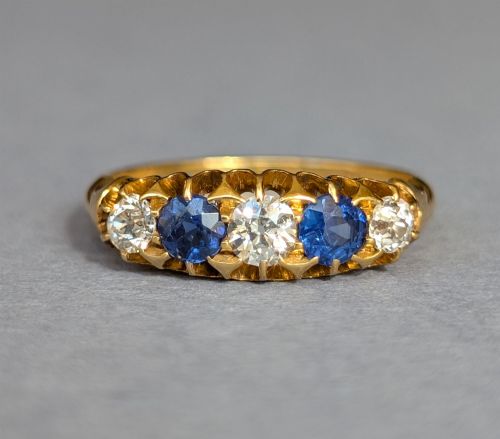
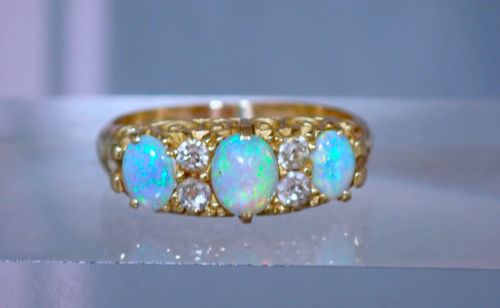
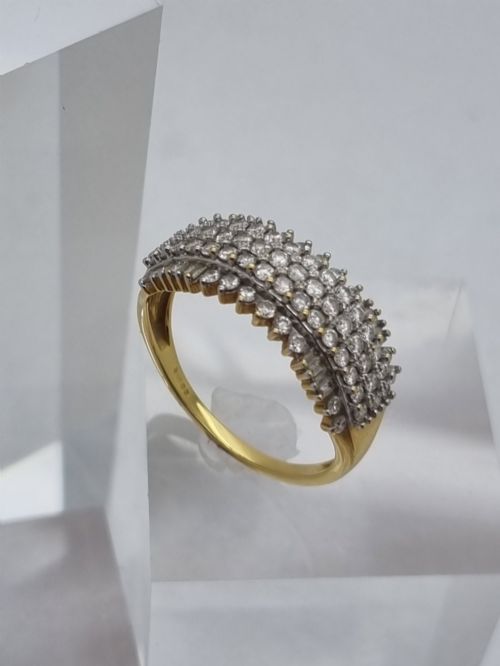
The selection includes boat rings, daisy clusters, toi et moi designs and trilogy arrangements.
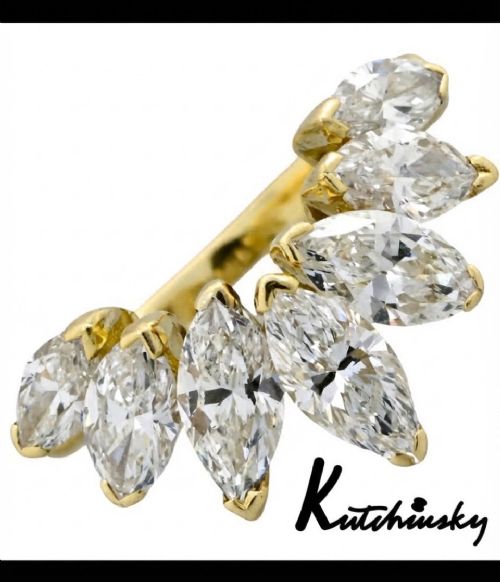
Kutchinsky
The Yellow Stone Cluster Ring Glossary
- Cluster ring
- A ring featuring a prominent central stone encircled by a group of smaller surrounding stones. This layout maximises visual impact and light reflection on the finger.
- Old cut
- A diamond cutting style prevalent in Victorian and Edwardian pieces, characterised by a smaller table, higher crown and open culet. It produces a distinctive soft sparkle under candlelight.
- Halo cluster
- A setting style where a central gemstone is completely encircled by a ring of smaller accent stones, usually diamonds. This arrangement enhances the perceived size of the main gem.
- Hallmark
- An official stamp applied to precious metals indicating the purity of the gold, the assay office and the year of manufacture. It provides verifiable data on the age of the piece.
- Millegrain
- A decorative technique featuring a line of tiny raised metal beads along the edges of a setting. It adds a delicate texture typical of Edwardian jewellery.
Yellow Stone Cluster Ring: Frequently Asked Questions
How do I care for my yellow stone ring?
Clean your ring gently using warm soapy water and a soft brush, avoiding harsh chemical dips that might damage softer stones like opal or pearl.
Store the piece individually in a lined box to prevent scratching from harder diamond-set jewellery.
Are these rings suitable for daily wear?
Many of these pieces utilise robust 18ct gold settings suitable for regular use, provided they are checked periodically by a jeweller for claw integrity.
Victorian and Edwardian items with softer centre stones or open-backed settings require additional care during vigorous activities.
How can I tell a Victorian cluster ring?
Victorian examples frequently display rich 18ct yellow gold work, hand-cut stones such as old-cut diamonds or citrines, and closed or boat-shaped settings unique to the nineteenth century.
Assay office marks and Chester or London town marks often assist in confirming the exact decade of production.
What is the difference between Edwardian and vintage clusters?
Edwardian rings typically employ platinum-topped gold, fine millegrain detailing and light, airy floral or garland motifs dating from the early twentieth century.
Vintage pieces from the mid-century introduce bolder geometric lines, distinct claw arrangements and heavier 18ct yellow gold proportions.