


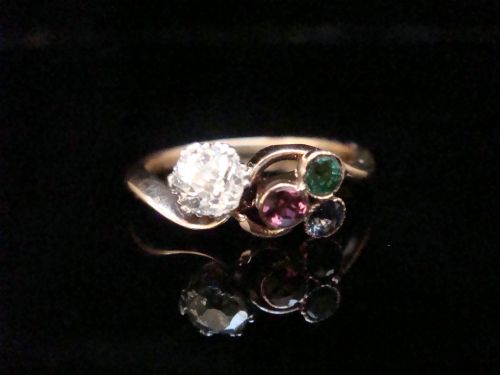
Yellow Gemstone Ring
A yellow gemstone ring brings together warm colour and precious metal from periods spanning the Victorian era to the mid-twentieth century.
Yellow Gemstone Ring
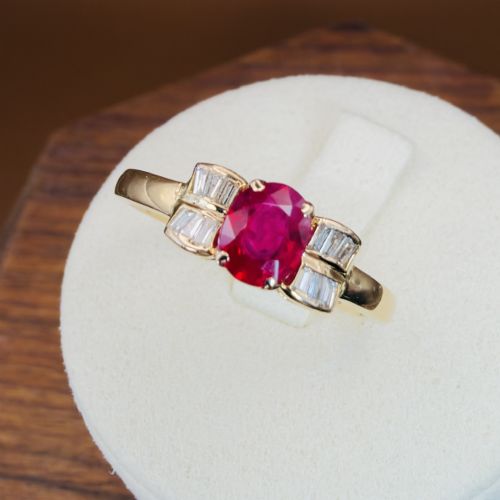
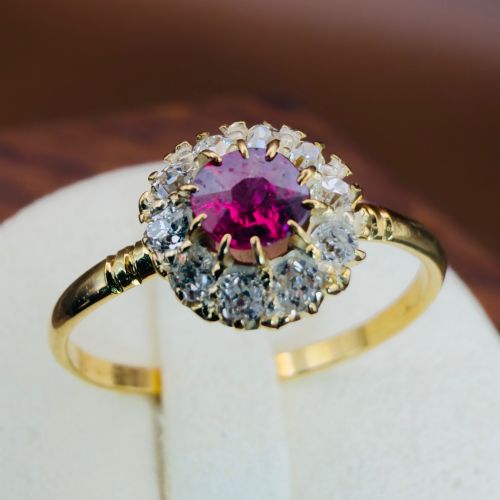
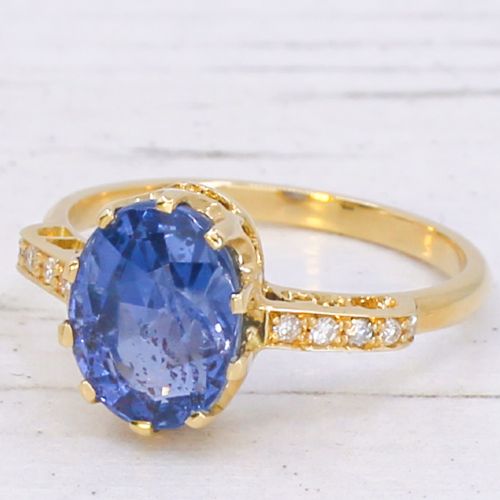
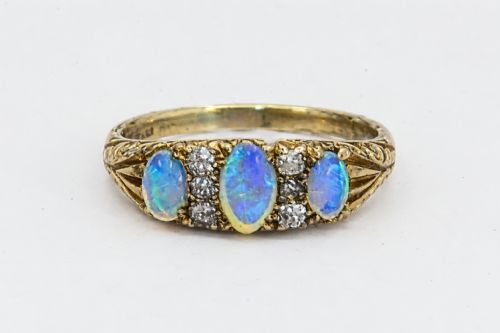
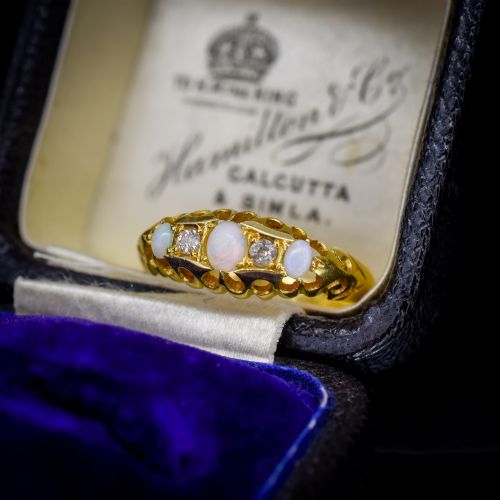
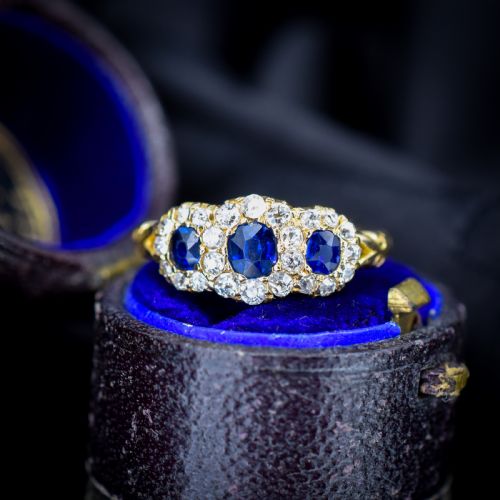
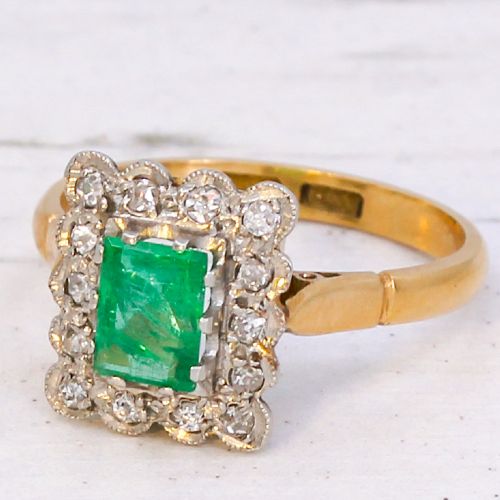
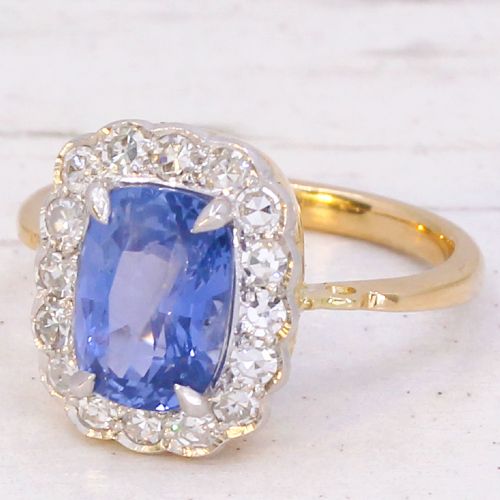
A yellow gemstone ring encompasses a variety of antique and vintage finger ornaments featuring golden stones such as citrine alongside contrasting gems like diamond, ruby and sapphire. These pieces emerge from periods including the Victorian, Edwardian and mid-century eras, reflecting the shifting aesthetic preferences of their respective decades.
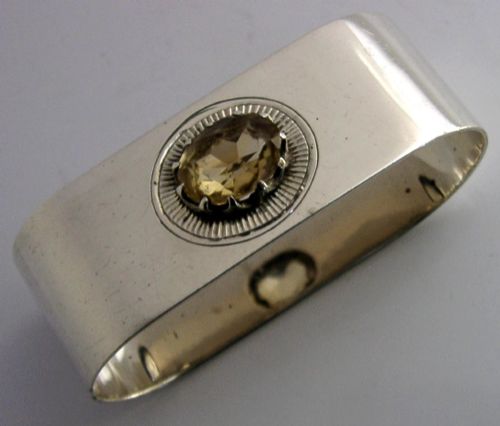
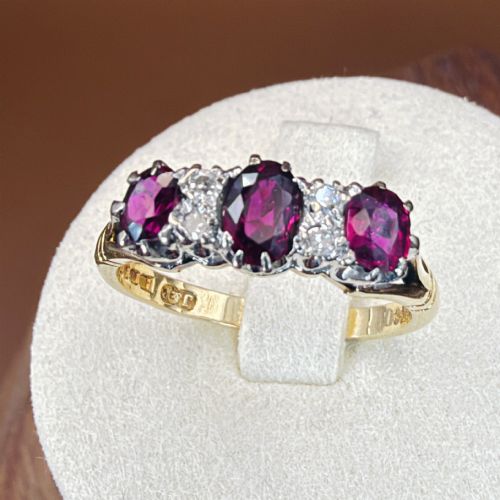
Buyers will most frequently encounter nineteenth-century and early twentieth-century designs fashioned in yellow gold and 18ct yellow gold, often incorporating cluster, multi-stone or boat configurations. Alongside traditional finger rings, the selection occasionally includes related forms such as sterling silver napkin rings set with citrine.
How they were made
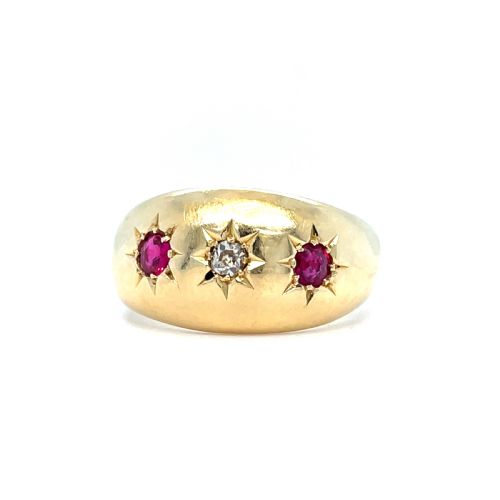
The construction of these pieces relies primarily on yellow gold and 18ct yellow gold, which provide a warm foundation for stones like opal, garnet, tourmaline and aquamarine. Goldsmiths utilised traditional techniques to mount central yellow gems, frequently surrounding them with old cut diamonds or smaller rubies and sapphires in cluster or starburst arrangements.
Metalwork from the Victorian and Edwardian periods demonstrates meticulous attention to detail, utilising hallmarked gold bands paired with bezel or claw settings. Later mid-century examples maintain these precious metal standards while introducing bolder stone cuts and cleaner geometric lines.
The listings span from 1880 through the Edwardian and Victorian eras to the mid-century period.
What varies in quality
Quality in these pieces is dictated by the depth and clarity of the central gemstone, alongside the integrity of the surrounding gold work and supporting diamonds. Finer examples display exceptional stone pairing and balanced proportions, where the yellow gemstone sits securely within robust, finely finished metalwork.
The distinction between standard examples and superior pieces rests on the precision of the setting and the preservation of original hallmarks, which verify the metal purity and date of manufacture.
The Yellow Gemstone Ring Glossary
- Boat ring
- A ring featuring a curved, boat-shaped setting that traditionally houses a row of graduated gemstones across the finger. This style was particularly favoured during the Georgian and Victorian periods.
- Cluster ring
- A ring design where a central prominent gemstone is surrounded by a halo of smaller stones, often diamonds. This arrangement maximises the visual impact and sparkle on the hand.
- Cabochon
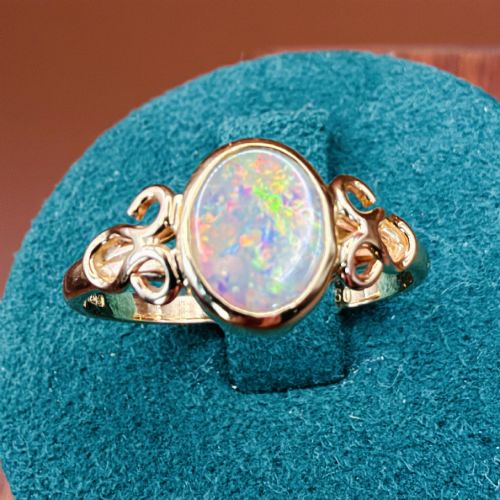
- A gemstone shaped and polished with a smooth, rounded convex surface rather than faceted edges. This cut is frequently applied to opals, garnets and jadeite.
- Navette
- A boat-shaped or marquise-cut gemstone setting that tapers to a sharp point at both ends. The term originates from the French word for a small boat.
- Old cut
- A diamond cutting style predecessor to the modern brilliant, characterised by a smaller table, higher crown and larger culet. These stones exhibit a distinctive, softer luminescence under candlelight.
Yellow Gemstone Ring: Frequently Asked Questions
How do I care for an opal set in gold?
Opals contain natural water content and require gentle cleaning with a soft cloth and warm water, avoiding harsh chemicals or ultrasonic cleaners.
Store the ring separately from harder gemstones to prevent surface scratches on the softer opal stone.
What is an 18ct yellow gold band?
An 18ct yellow gold band contains seventy-five percent pure gold alloyed with other metals to provide structural strength for daily wear.
This higher gold purity offers a rich, warm hue characteristic of fine antique and vintage jewellery.
How can I identify an Edwardian ring?
Edwardian rings typically date from the early twentieth century and showcase delicate openwork, platinum-topped gold, and refined gemstone clusters.
They frequently feature natural opals, sapphires or diamonds set into intricate floral or geometric motifs.