



Yellow Marble Sculpture
Yellow marble sculpture brings classical antiquity into your home through richly veined pillars, architectural models and bronze figures set upon golden bases.
Yellow Marble Sculpture
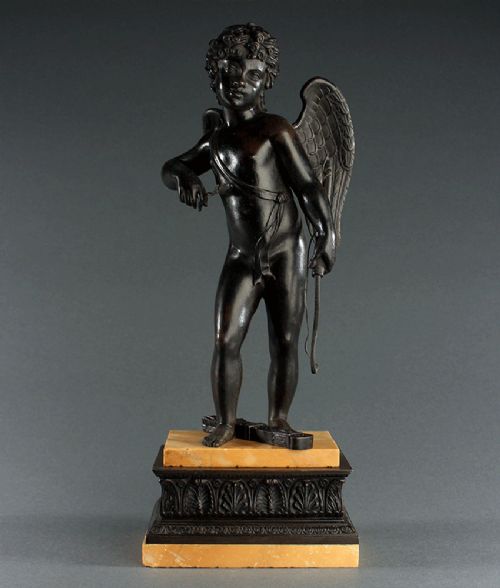
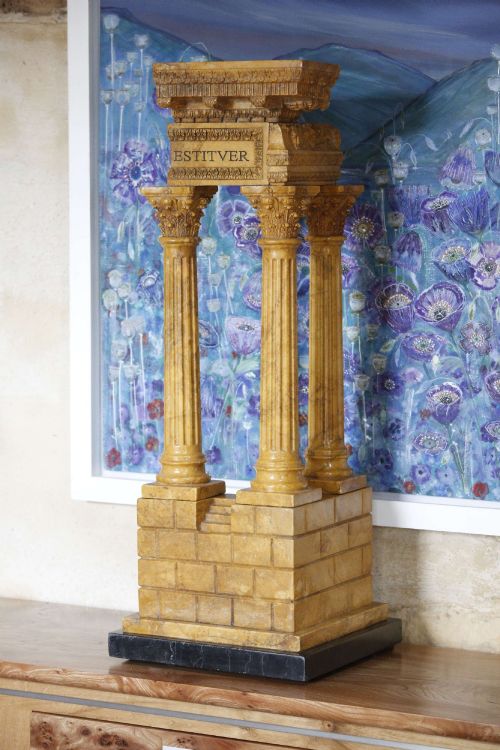
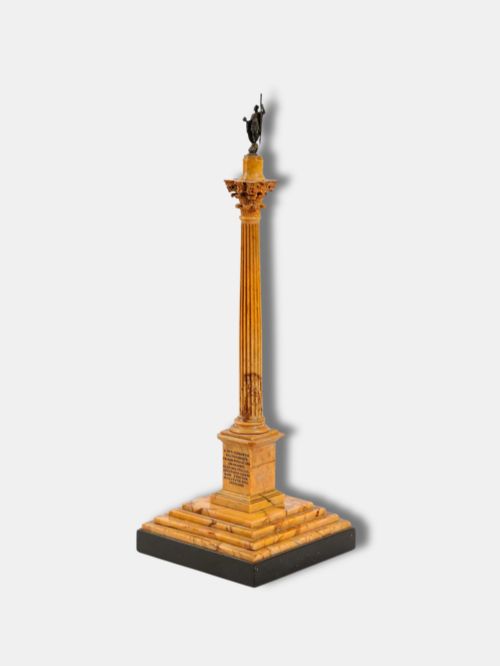
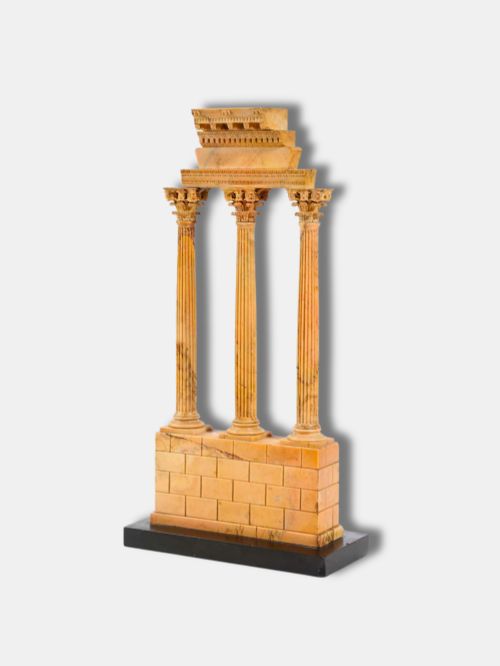
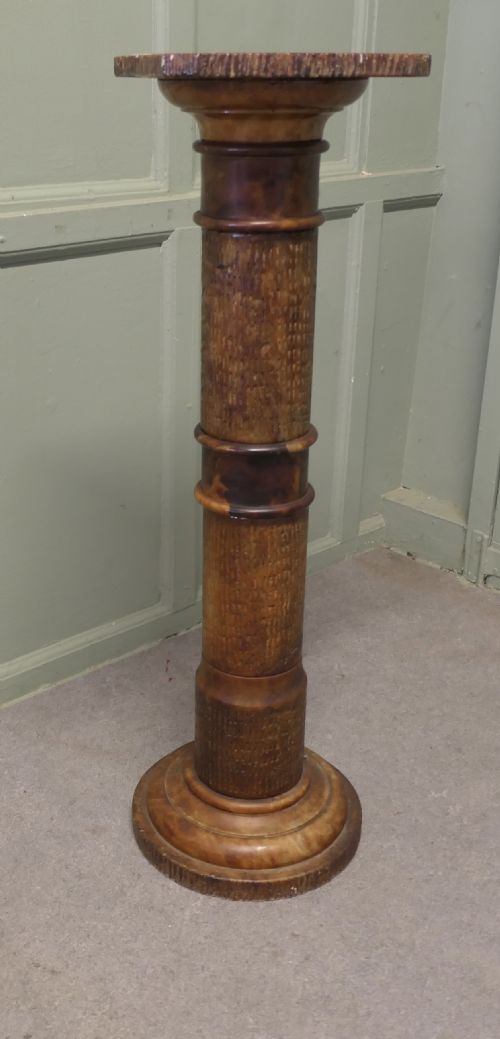
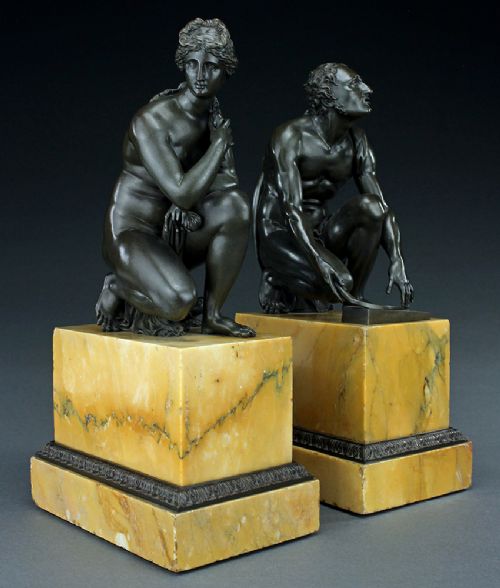
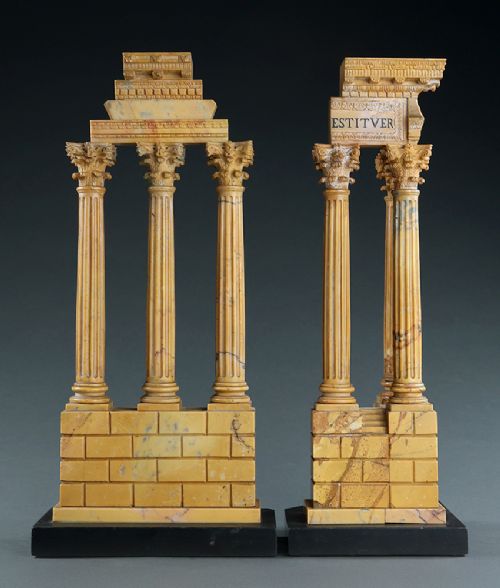
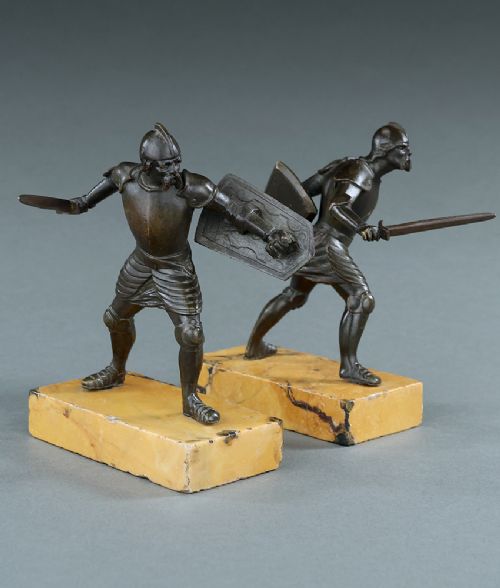
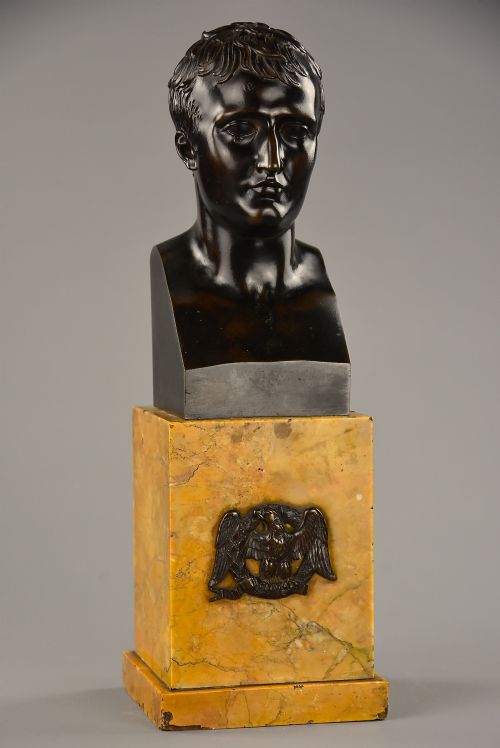
When you search for yellow marble sculpture, you encounter pieces that span the nineteenth century, including Victorian works, Grand Tour souvenirs and Neoclassical objects. These creations take the form of architectural models of ancient ruins, pedestals, columns, wall panels, and bronze figures mounted on marble bases.
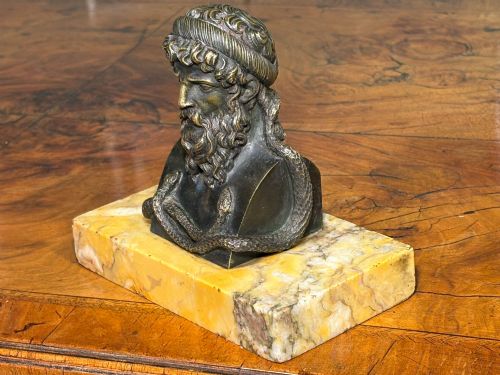
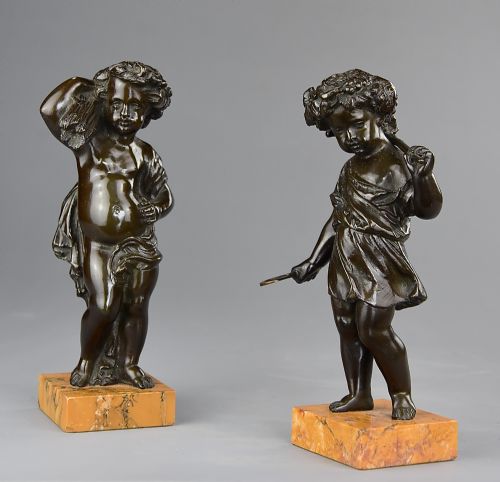
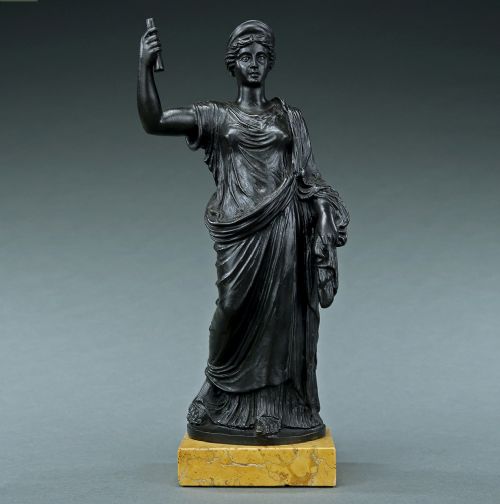
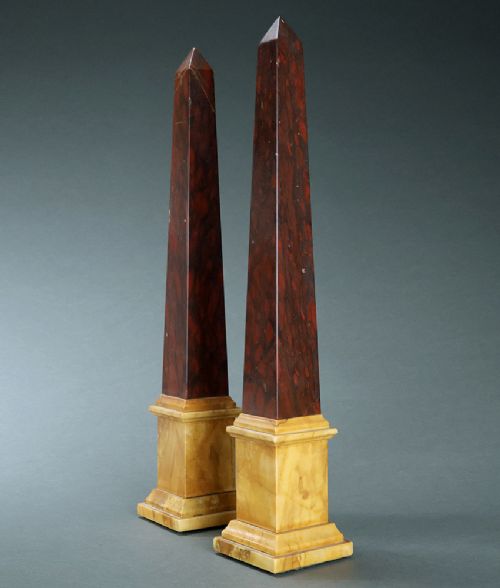
The most common examples on this page are Grand Tour architectural models and pedestals rendered in Siena or Giallo Antico marble, alongside bronze busts and figures elevated on honey-coloured marble plinths. Makers of the period utilised these golden stones to evoke the warmth and prestige of classical antiquity.
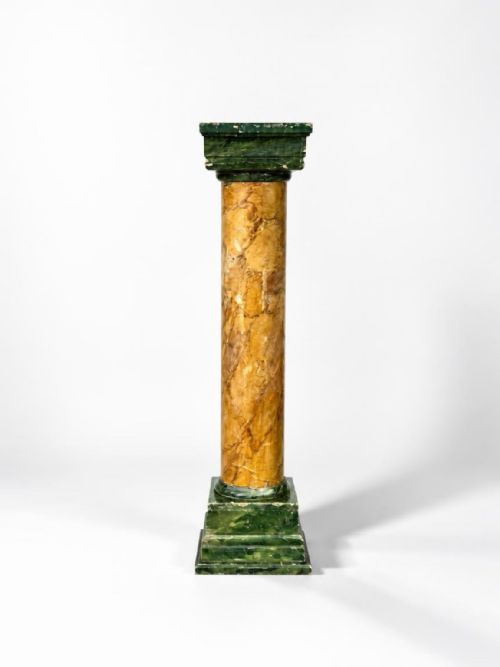
Collectors also find relief sculptures, obelisks and faux marble painted columns that replicate the striking appearance of genuine yellow stone. Each piece reflects nineteenth-century fascination with classical archaeology and European travel.
Materials and construction
Sculptors and stonemasons worked with natural stones such as Siena marble, Giallo Antico marble and occasionally Carrara marble, often combining them with cast bronze for figural elements. Stone components were hand-carved, turned on lathes for columns, and polished to reveal the complex grain and golden hues of the material.
Alternative techniques include scagliola, a composite material made from pigmented gypsum, glue and marble chips that allowed artisans to create durable decorative surfaces. Wood was also utilised for faux marble painted columns and simulated pine pedestals, employing specialist paint finishes to mimic natural stone veining.
Yellow Marble Sculpture Retail Price Guide 2026
Typical asking prices for yellow marble sculpture among the pieces listed under this phrase on Sellingantiques today, from the lower quarter to the upper quarter. They describe what is for sale here now, not the wider market.
Some nineteenth-century artisans painted pine wood with such skill that buyers still test columns with a gentle tap to find the timber beneath.
Factors of quality
The distinction between ordinary and exceptional pieces lies in the crispness of the carving, the complexity of the architectural detail, and the natural richness of the marble's figuring. Superior Grand Tour models display precise geometric proportions and intricate rendering of capitals and columns.
In composite pieces combining bronze and stone, quality is determined by the chasing of the metalwork and the harmonious proportion between the bronze subject and its marble base. Finely signed works or pieces displaying unusual historical subject matter represent the upper tier of the range.
The Yellow Marble Sculpture Glossary
- Grand Tour
- A traditional trip of Europe undertaken by upper-class European young men of sufficient means. In the context of sculpture, it refers to architectural models and bronze figures acquired as souvenirs of these journeys.
- Siena marble
- A distinctive yellow marble quarried in Italy, characterised by dark grey or purple veining. It was highly favoured for nineteenth-century pedestals and architectural models.
- Scagliola
- A technique in which plaster, glue and natural pigments are embedded with marble splinters to imitate stone. It produces a smooth, polished surface resembling solid marble.
- Putto
- A figure of a small infant, frequently winged, depicted in classical art and sculpture. They appear often in nineteenth-century bronze groups and harvest scenes.
Yellow Marble Sculpture: Frequently Asked Questions
What is a Grand Tour model?
A Grand Tour model is a small-scale architectural replica of a famous ancient ruin, temple or column, carved from stones like Siena marble or cast in bronze. Travellers bought these objects during nineteenth-century cultural tours of Italy.
These pieces served as decorative display items in libraries and studies, reflecting the owner's classical education and travels.
How do I care for yellow marble sculpture?
Dust marble surfaces regularly with a soft, dry cloth and avoid using chemical cleaners or acidic substances that can etch the stone. Bronze elements mounted on the marble should be kept dry and similarly dusted without polish.
Place the sculpture away from direct heat sources and strong sunlight to protect both the stone and any painted wood or faux finishes.
What is the difference between real marble and scagliola?
Real marble is a natural metamorphic rock cut and polished from the quarry, displaying unique crystalline structures and mineral veining. Scagliola is a composite material made from pigmented gypsum and marble dust, applied by hand to imitate natural stone.
Under close inspection, scagliola lacks the cold, crystalline depth of true marble and often feels warmer to the touch.
Why are bronzes mounted on marble?
Bronzes were frequently mounted on marble bases, columns or pedestals to provide visual weight, elevation and a contrasting colour palette. The golden or dark tones of the marble enhanced the presence of the bronze figure above.
This practice followed classical traditions where statues were displayed upon stone plinths and architectural supports.