



Yellow Gold Pearl Chain
A yellow gold pearl chain brings together warm metal and lustrous gems in pieces shaped from the Victorian era onward.
Yellow Gold Pearl Chain
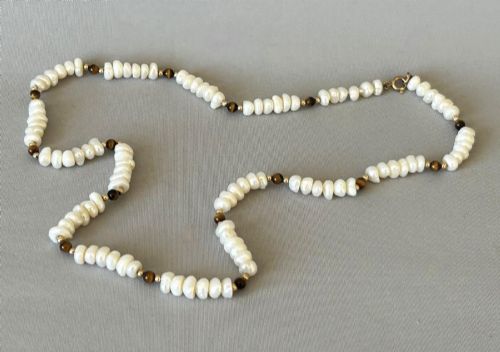
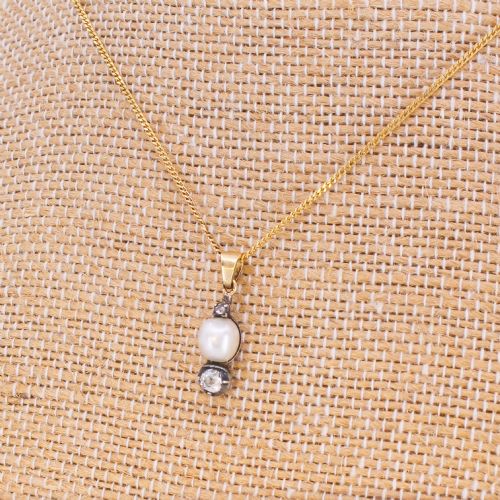
A yellow gold pearl chain combines the soft lustre of pearls with warm gold links, forming necklaces, longuards and bracelets that span periods from the Georgian era through to the mid-twentieth century. When searching for a yellow gold pearl chain, buyers encounter designs incorporating seed pearls, natural pearls and freshwater pearls set alongside gold ranging from 9ct and 15ct to 18ct.
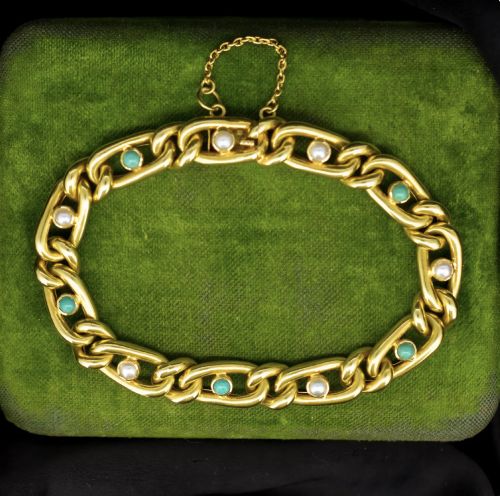
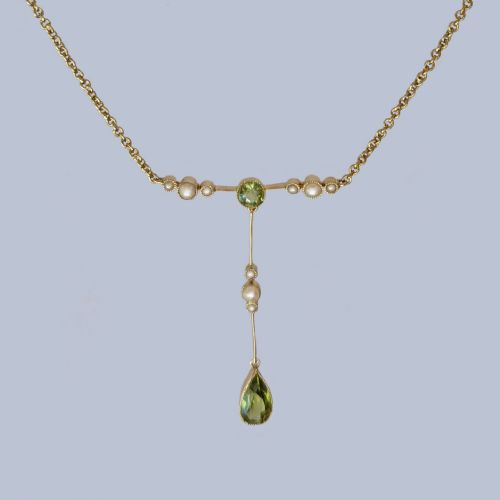
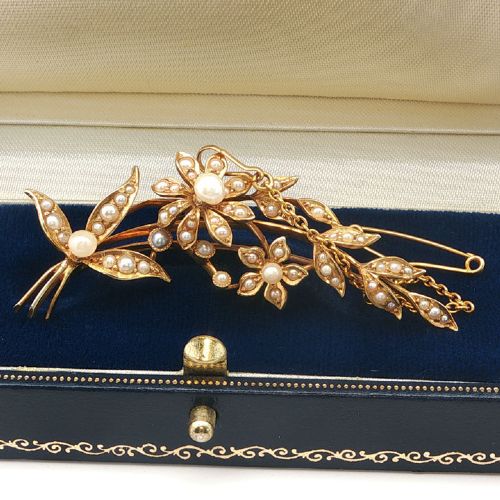
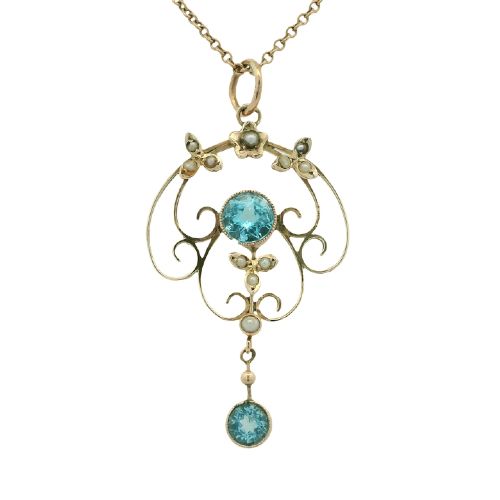
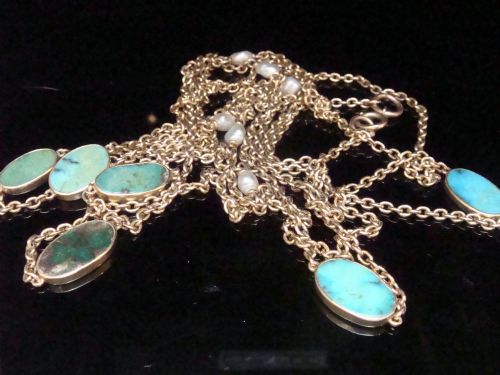
The pieces appearing here include Edwardian peridot and seed pearl necklaces, Victorian turquoise and pearl bracelets, and longuard chains spanning lengths up to thirty-two inches. Formats vary from delicate pendants and lavalieres to substantial curb links and woven necklaces set with coloured gemstones like amethyst, aquamarine and ruby.
Makers and jewellers across the nineteenth and twentieth centuries utilised these materials to create floral sprays, garland motifs and simple strand configurations secured by clever clasps and safety chains. Each piece reflects the aesthetic priorities of its decade, shifting from intricate Victorian multi-gem clusters to linear Art Deco geometry.
How they were made
Goldsmiths constructed these chains and mountings using 9ct, 15ct, and 18ct yellow gold, often combining hand-beaten links with delicate wirework to house seed pearls and natural pearls. Stones were secured via fine collet settings, grain settings and seed pearl threading techniques that required immense patience from the artisan.
Many items incorporate platinum alongside gold, particularly in Edwardian and later pieces where contrasting metals highlighted diamonds and pearls in intricate garland designs. Links were hand-formed into curb, twist or woven patterns, providing sturdy foundations for heavy gemstone pendants and long guard chains.
Yellow Gold Pearl Chain Retail Price Guide 2026
Typical asking prices for yellow gold pearl chain among the pieces listed under this phrase on Sellingantiques today, from the lower quarter to the upper quarter. They describe what is for sale here now, not the wider market.
Materials appearing across the inventory include natural pearls, seed pearls, turquoise, peridot, amethyst and diamonds.
What varies in quality
Quality in a yellow gold pearl chain rests upon the uniformity and lustre of the pearls themselves, alongside the weight and integrity of the gold work. Natural pearls possessing deep orient and unblemished skin elevate a piece far above those set with uneven or heavily treated stones.
The precision of the metalwork, from hand-woven links to secure stone settings, dictates the overall standard. Superior examples maintain intact original clasps, robust safety chains and well-preserved gemstone arrangements that withstand the test of time.
The Yellow Gold Pearl Chain Glossary
- Seed pearl
- A very small natural or saltwater pearl, typically under two grains, often drilled and strung together in quantity. They appear frequently in Edwardian and Victorian cluster settings and floral garlands.
- Longuard chain
- A very long Victorian or Edwardian gold chain designed to be doubled around the neck or fastened to a watch and fob. These versatile pieces often incorporate sliding sections and secure hook fasteners.
- Lavaliere
- A pendant necklace featuring a central drop stone or ornament suspended below the main chain line. Popular during the Edwardian period, they often combine pearls with peridots or amethysts.
- Curb link
- A type of jewellery chain formed of interlocking, slightly flattened links that lie flat against the skin. This sturdy construction frequently forms the base for antique bracelets and heavy necklaces.
- Split pearl
- A pearl that has been halved, usually to allow it to be flush-set into a flat backing of gold or silver. This technique was common in mourning jewellery and sentimental Victorian pieces.
Yellow Gold Pearl Chain: Frequently Asked Questions
How do I wear a longuard chain?
A longuard chain is traditionally worn doubled around the neck to create a layered effect, or left at its full length for a striking vertical line. Many feature original dog clips or swivels designed to hold watches, lockets or pendants.
Buyers can also wrap them around the wrist multiple times to form a substantial bracelet. Their generous length makes them among the most adaptable antique jewellery forms.
What is the difference between seed pearls and natural pearls?
Seed pearls are exceptionally small pearls that form naturally in molluscs, prized for their delicate size and ability to be threaded tightly together. They form dense clusters or fine strands in Victorian and Edwardian pieces.
Natural pearls encompass larger organic gems formed without human intervention in marine or freshwater environments. Their irregular shapes and deep lustre distinguish them from modern cultured varieties.
How do I date a gold pearl necklace?
Dating relies heavily on the style of the mounting, the carat of the gold, and the method of construction. Victorian pieces often feature heavy 15ct gold work, closed-back settings or mourning motifs, while Edwardian items lean towards lighter 15ct gold combined with platinum and delicate garland designs.
Marks, clasps and accompanying gemstones also provide vital clues. Hallmarks stamped on the reverse of clasps or links help narrow down the decade of manufacture.
Are these chains suitable for daily wear?
Antique gold chains and pearl pieces require thoughtful care due to their age and the delicate nature of organic gems. Pearls are softer than precious metals and gemstones, meaning they can be scratched or dulled by harsh chemicals, perfumes or cosmetics.
Storing them flat in dedicated boxes and wiping them gently after use preserves their lustre. While sturdy gold links handle regular wear well, fine seed pearl strands benefit from occasional restringing by a specialist.