

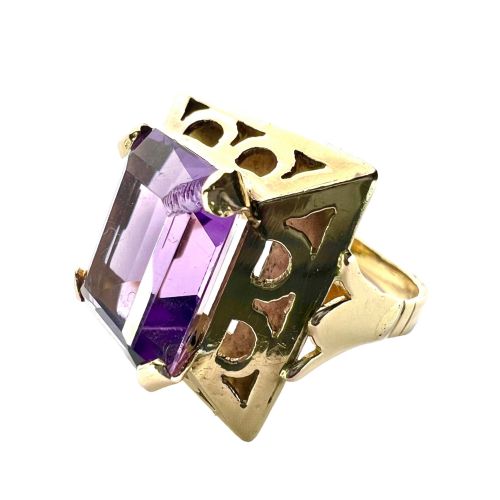

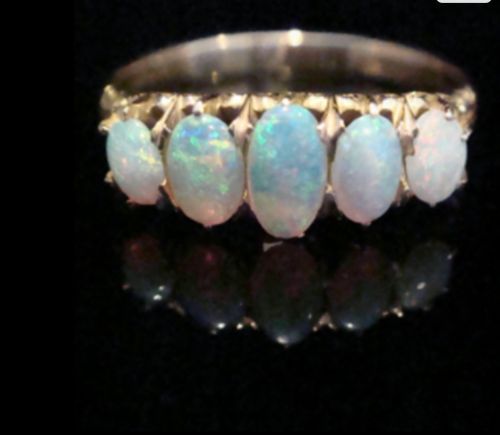
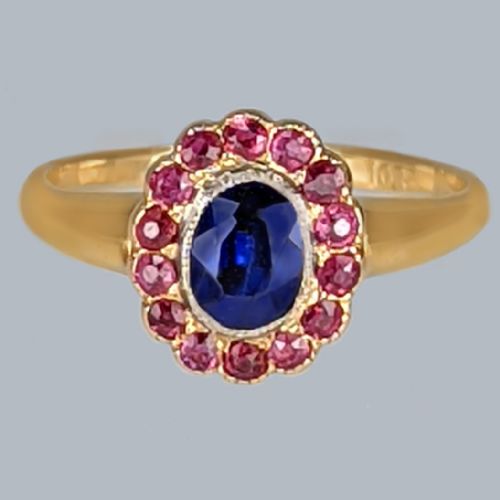


Yellow Gold Gem Ring
A yellow gold gem ring brings together the warm tone of traditional metal and the brilliant colour of precious and semi-precious stones across centuries of design.
Yellow Gold Gem Ring
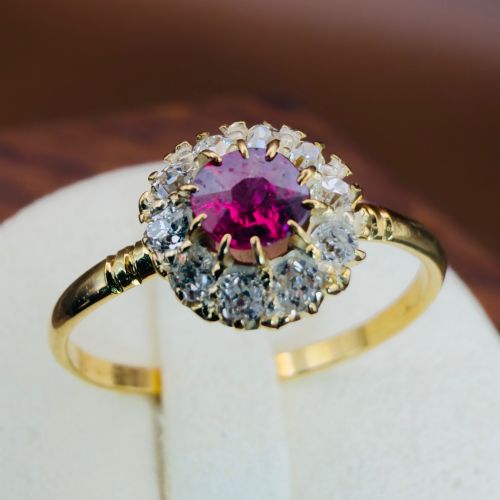
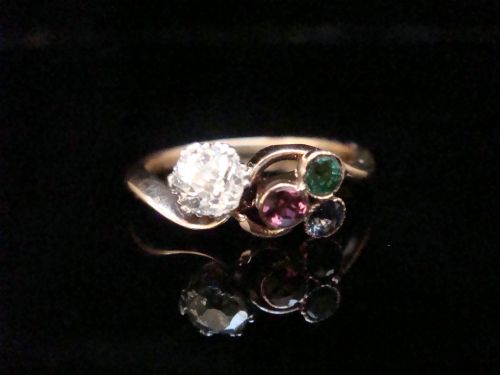
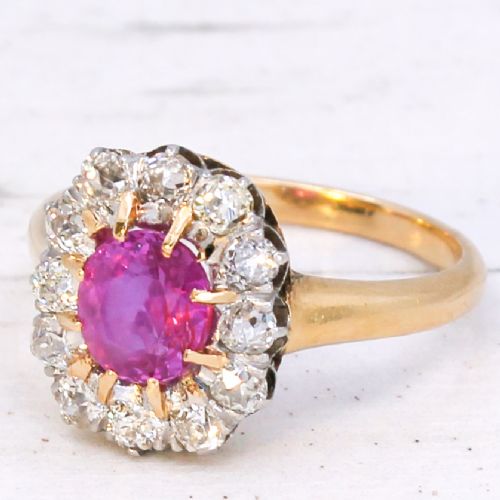
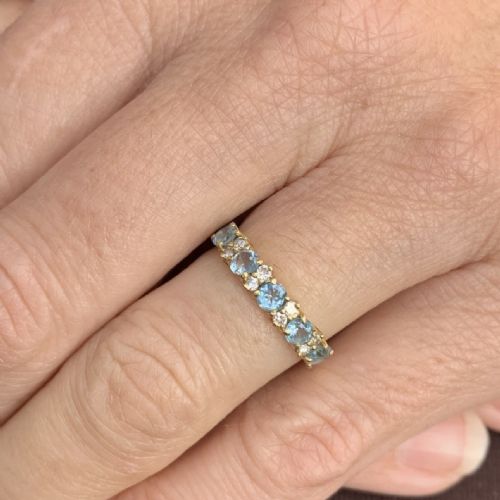
The selections range from early nineteenth-century intaglio rings to mid-century sapphire and diamond clusters, offering diverse expressions of historical style. The metal provides a warm foundation for stones including ruby, sapphire, amethyst, opal, garnet and diamond.
Pieces frequently reflect the specific craftsmanship of their period, whether through the intricate stone clustering of Victorian workshops or the geometric precision of later twentieth-century production.
How they were made
The construction relies heavily on 18ct and 9ct yellow gold, paired with durable settings designed to secure varied gemstone cuts. Stones including diamonds, sapphires and rubies are integrated using claw, bezel, starburst and gypsy techniques suited to each era.
Historical examples utilise hand-cut gems such as old European, old mine and rose cuts, which reflect light differently than modern machine-cut stones. Metalwork combines casting and hand-finishing, often incorporating platinum accents in Edwardian and Art Deco mountings to enhance contrast.
Listings feature yellow gold gem rings spanning from the Georgian period through Victorian, Edwardian, Art Deco and mid-century eras.
What varies in quality
Quality separates pieces by the natural origin, clarity and saturation of the central gems, alongside the precision of the metalwork. Untreated stones and documented weights elevate a piece above standard commercial examples.
The integrity of the setting and the preservation of original hand-cut stones distinguish finer examples from altered or heavily worn items. Masterful execution in cluster arrangements and well-preserved hallmarking provide clear indicators of superior craftsmanship.
Asprey
The Yellow Gold Gem Ring Glossary
- Cluster ring
- A ring featuring a central stone surrounded by a border of smaller gems, typically diamonds or contrasting coloured stones. This format maximises visual presence and colour contrast.
- Gypsy ring
- A style where the stones are flush-set directly into the thick band of the ring, creating a smooth, low-profile surface popular in the nineteenth century.
- Old European cut
- An early form of brilliant cut diamond featuring a small table, high crown and large culet, characteristic of pieces produced from the late nineteenth into the early twentieth century.
- Intaglio
- A gem or hardstone carved with a design depressed below the surface, allowing it to leave a relief impression when pressed into sealing wax.
- Trilogy ring
- A ring set with three stones, often interpreted symbolically to represent the past, present and future of a relationship.
Yellow Gold Gem Ring: Frequently Asked Questions
How do I care for antique yellow gold rings?
Clean these pieces gently with warm soapy water and a soft brush, avoiding harsh chemical dips that can damage softer gems like opals or pearls.
Store them individually in soft pouches to prevent the harder stones from scratching the yellow gold band or adjacent gems.
What is the difference between Victorian and Edwardian rings?
Victorian rings often feature heavier yellow gold settings, romantic motifs like snakes or starbursts, and deep-hued stones such as garnets and rubies.
Edwardian rings typically introduce lighter, more delicate frameworks, frequently combining yellow gold with platinum alongside diamonds, sapphires and pearls.
Are coloured gemstones in antique rings usually treated?
Many historical coloured stones are entirely natural and untreated, though specific laboratory reports often accompany significant sapphires or rubies to confirm their origin and treatment status.
Checking for gem reports helps verify whether stones like Burmese sapphires have undergone traditional heating or remain in their original state.
Can these rings be resized easily?
Most solid gold rings can be adjusted by a skilled jeweller, though intricate gallery work, channel-set stones or full eternity bands require specialist attention.
Consulting a professional ensures the structural integrity of the shoulders and any surrounding pavé-set diamonds remains undisturbed during the process.