
Yellow Gold Drop Jewellery
Yellow gold drop jewellery suspends gemstones or pendants from earwires, chains and bands, offering movement and warmth that catches the eye.
Yellow Gold Drop Jewellery
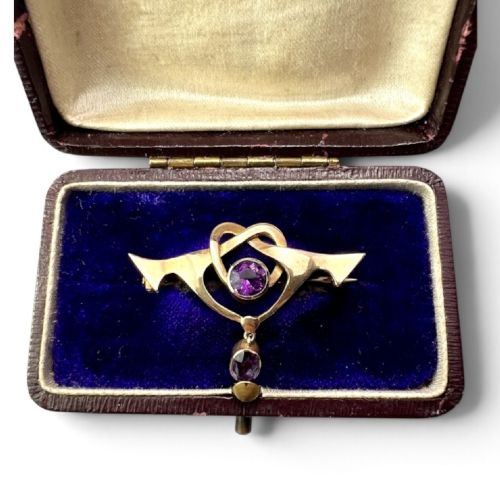
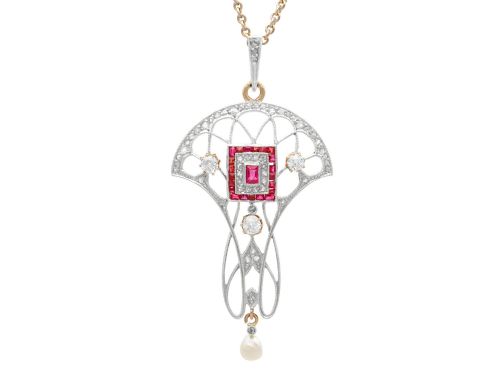
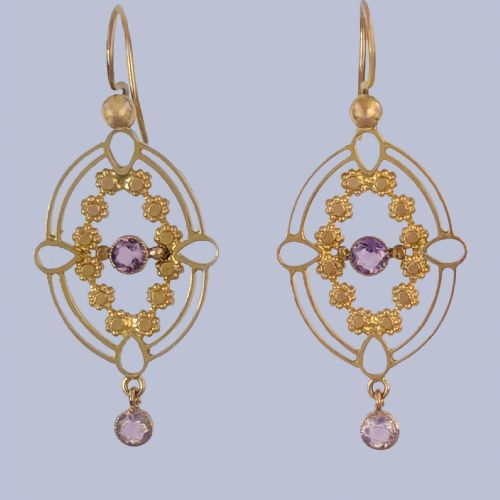
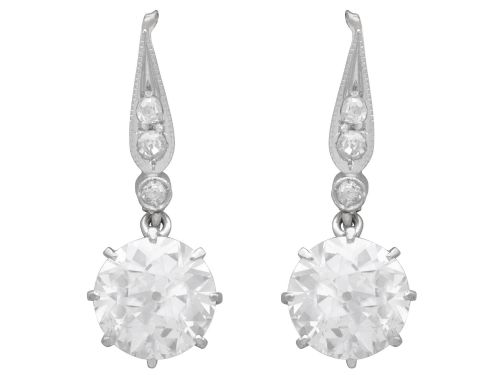
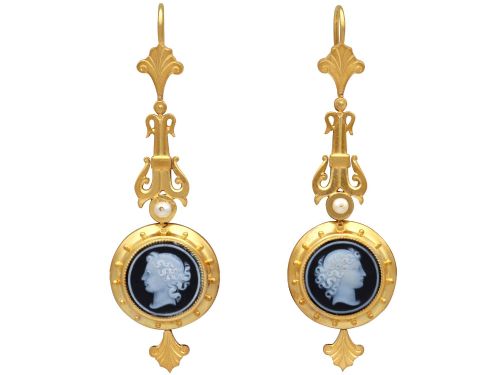
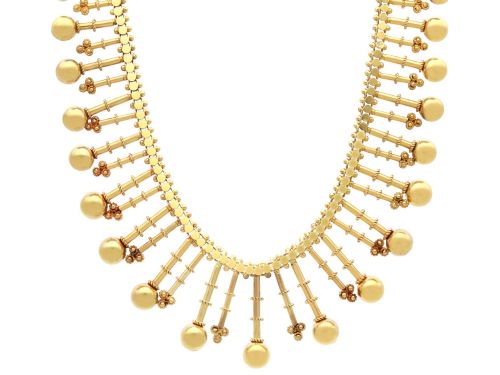
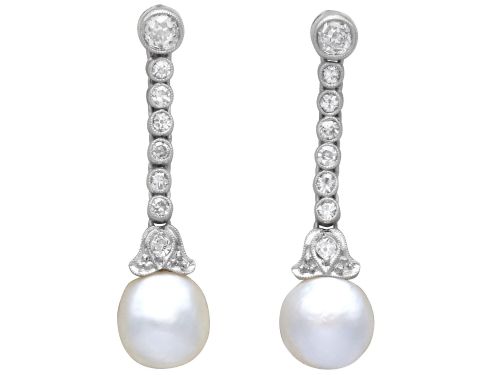
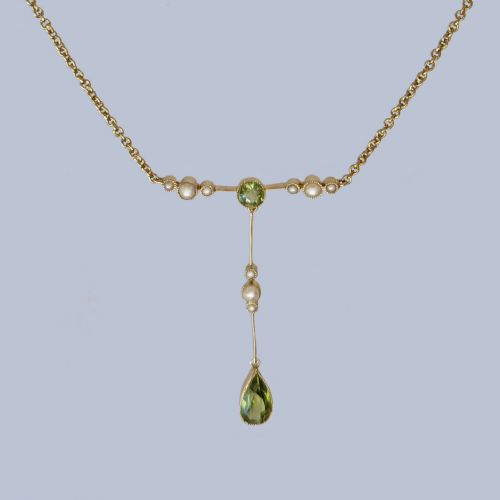
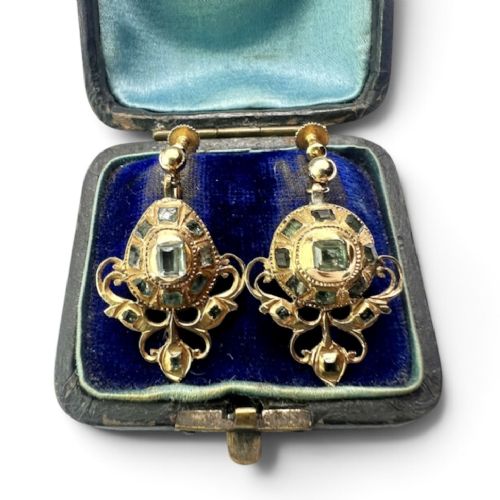
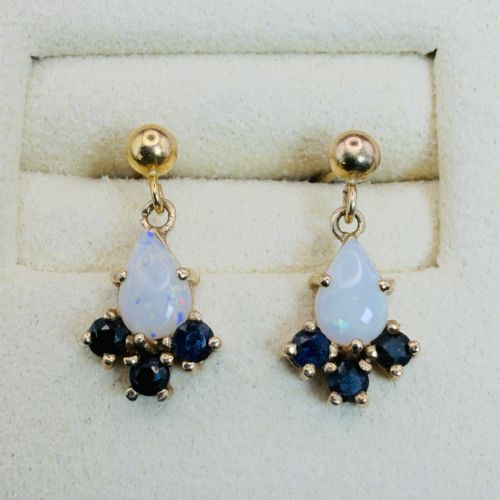
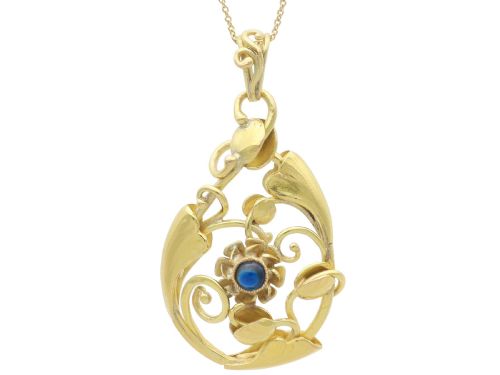
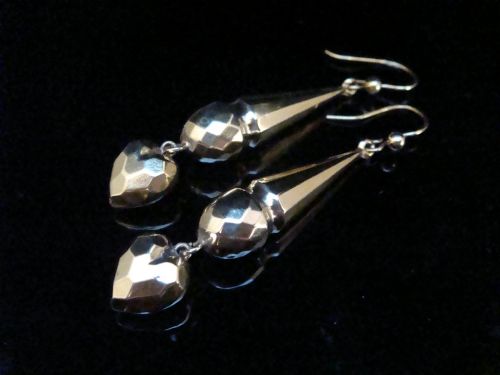
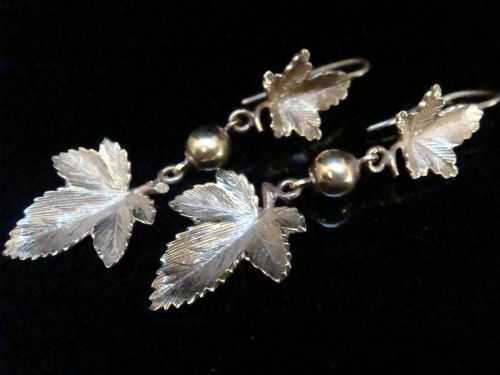
Yellow gold drop jewellery encompasses hanging earrings, pendant necklaces and dangling rings originating from periods spanning the Victorian era through the mid-twentieth century. Pieces found here range from delicate Edwardian seed pearl necklaces and Etruscan Revival amphora earrings to bold Art Deco jade drops and vintage opal dangle designs. Buyers seeking this category encounter diverse forms, including lavalier necklaces, heart padlock rings and multi-stone drop earrings.
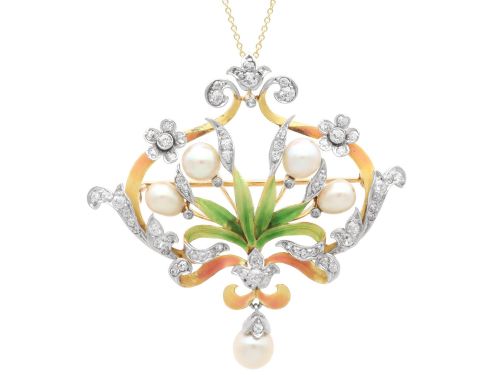
The aesthetic shifts visibly across epochs, moving from ornate Victorian seed pearl halos and intricate wirework to linear Art Deco geometry and flowing Art Nouveau contours. Later mid-century examples introduce chunkier profiles and vibrant sapphires or opals set in yellow gold. Each item relies on vertical suspension, whether a swaying gemstone or a dangling charm, to create visual interest.
Materials and construction
Gold forms the primary structural foundation, appearing predominantly in nine-carat, fifteen-carat and eighteen-carat yellow gold compositions alongside specific iterations like nine-carat yellow gold. Master jewellers combined these metal substrates with intricate bezels, prong settings and hinged backs to secure suspended components safely. Fabrication methods incorporate hollow stampings for lightweight hoops alongside solid cast elements for heavier dangles and links.
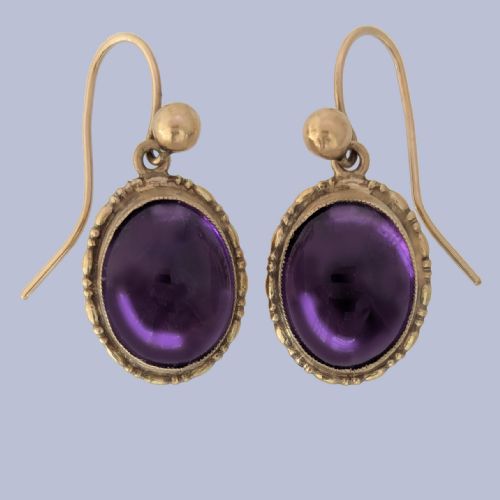
Gemstone selection defines the palette, utilising precious and semi-precious stones such as amethysts, aquamarines, opals, topazes, garnets and diamonds, often accented by seed pearls and paste. Artisans employed specialised cuts like old-cut diamonds, cabochons and faceted pear shapes to maximise light reflection within the drop format. Foil backs and star-settings further enhance specific stones, adding depth and historical authenticity to the mounting.
Walking sticks get miniature treatment here, alongside heart padlocks and amphorae dangling from ears and fingers.
Evaluating craftsmanship and integrity
Quality separates ordinary assembly from exceptional execution through the precision of stone setting and the symmetry of metalwork. Superior examples display secure flush or claw settings where stones sit evenly without movement, alongside clean soldered joints on dangled elements and chains. Finer pieces maintain original components, such as matching earwires, correct clasps and intact hallmarks that confirm period provenance.
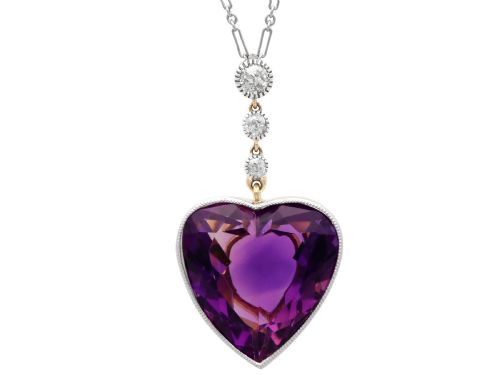
Material selection dictates another tier of distinction, as seen in the choice of natural unblemished pearls, vibrant saturated amethysts or well-matched aquamarines rather than lesser substitutes. The weight and gauge of the yellow gold also play a vital role, with sturdier construction resisting bends or stress fractures at natural hinge points. Artistry in design details, such as hand-engraved motifs or delicate filigree, elevates the overall execution.
Deakin and Francis
The Yellow Gold Drop Jewellery Glossary
- Lavalier
- A pendant necklace featuring a central stone or drop suspended below a smaller motif, popular during the Edwardian period. These pieces often incorporate seed pearls and delicate chains.
- Seed pearl
- A very small, naturally formed or cultured pearl used extensively in Victorian and Edwardian cluster and halo settings. They are typically half-drilled and glued or pegged onto gold pins.
- Etruscan Revival
- A nineteenth-century design style inspired by ancient archaeological discoveries, characterised by granulation, filigree and classical motifs on gold. This aesthetic appears frequently in Victorian earrings and brooches.
- Foil back
- A technique where a thin sheet of reflective metal is placed behind a gemstone to enhance its colour and brilliance. This method is common in antique aquamarine and crystal pieces.
- Hinge back
- A mechanical closure on earrings that uses a hinged wire snapping securely into a notch or loop. This mechanism ensures safety during wear while allowing the drop to swing freely.
Yellow Gold Drop Jewellery: Frequently Asked Questions
How do I date yellow gold drop jewellery?
Dating relies on stylistic clues, mounting techniques and official hallmarks stamped into the metal. Victorian items often feature closed-back settings or Etruscan granulation, while Edwardian pieces favour light platinum-on-gold work and seed pearls.
Later mid-century items introduce heavier castings and distinctive gemstone cuts like cabochon opals. Comparing these physical traits with known period aesthetics clarifies the decade of origin.
Are these pieces suitable for daily wear?
Many items withstand regular use provided they receive proper care and gentle handling. Solid gold settings and robust links offer good durability for daily routines.
However, antique items containing delicate seed pearls, foil backs or soft gems like opals require caution. Removing jewellery before swimming, sleeping or heavy physical activity preserves their structural integrity.
How should I clean antique drop jewellery?
Gentle cleaning involves warm water, mild soap and a soft brush to remove surface dust from settings and stones. Harsh chemical dips or ultrasonic cleaners must be avoided, as they damage softer gems like pearls, opals and foil-backed stones.
Items should be dried thoroughly with a soft cloth before storage. Professional inspection ensures prongs and hinges remain secure over time.
What is the difference between an Edwardian and a Victorian drop pendant?
Victorian drop pendants tend to feature heavier gold weights, darker gemstones like garnet or amethyst, and romantic motifs such as hair compartments or heavy bezels. They reflect a heavier, more substantial aesthetic.
Edwardian pendants embrace lighter, airier designs using seed pearls, aquamarines and intricate openwork lace patterns in yellow gold or platinum. This shift reflects a move towards refined elegance and softer colour palettes.