





Yellow Glass Vessel
A yellow glass vessel brings warmth and striking colour to a room, ranging from delicate Victorian apothecary jars to bold Art Deco designs.
Yellow Glass Vessel
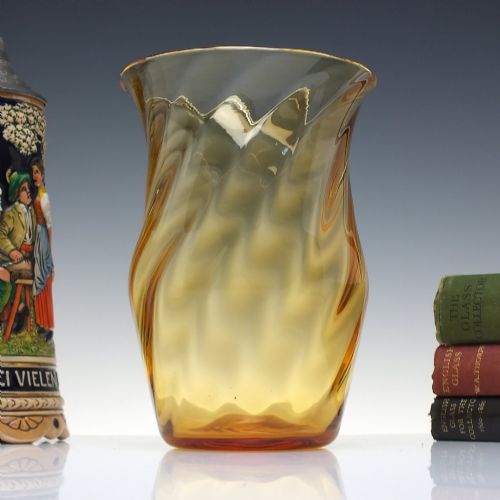
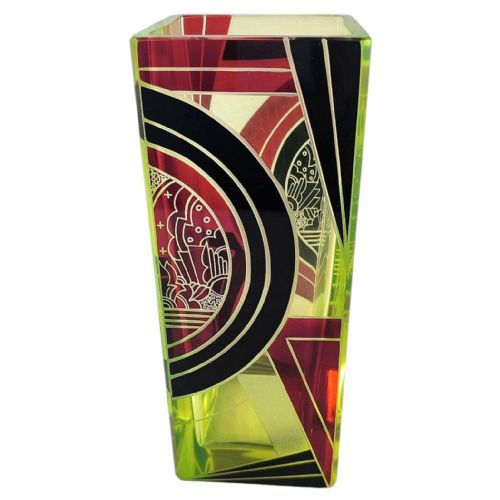
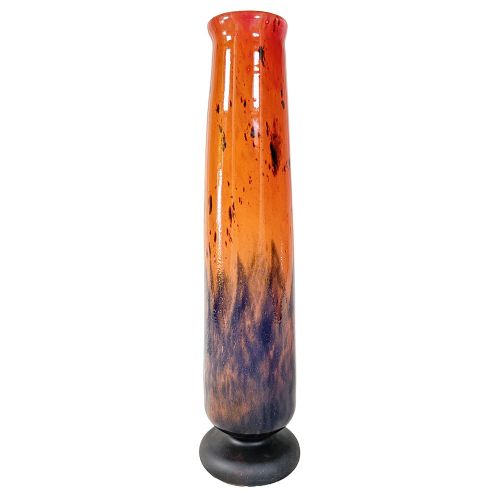
When you search for a yellow glass vessel, you uncover a diverse array of decorative objects spanning the Victorian era through the early twentieth century. The selection encompasses vases, decanters, decorative bowls, and apothecary jars created in various notable styles.
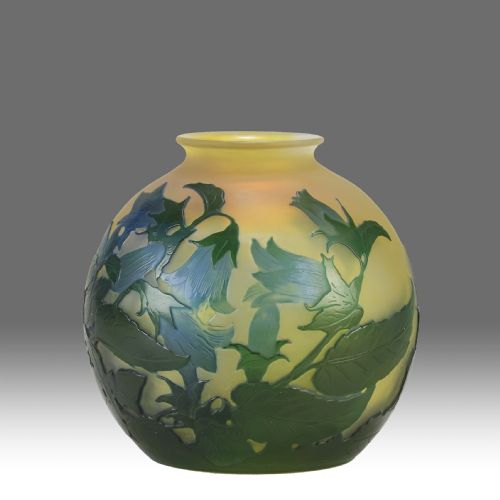
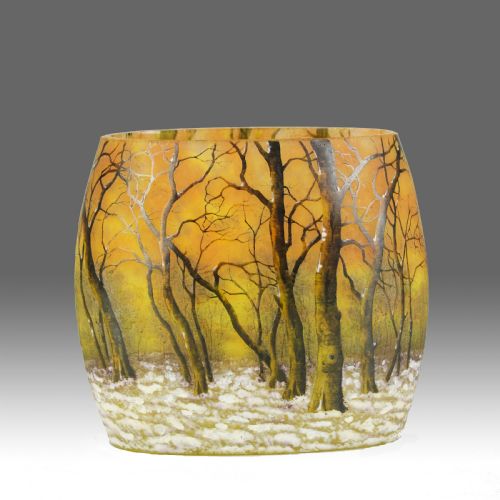
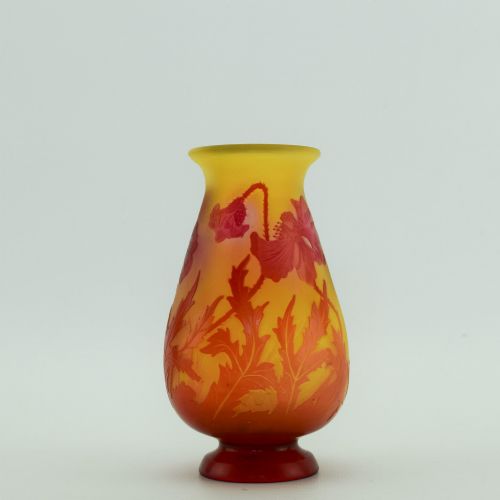
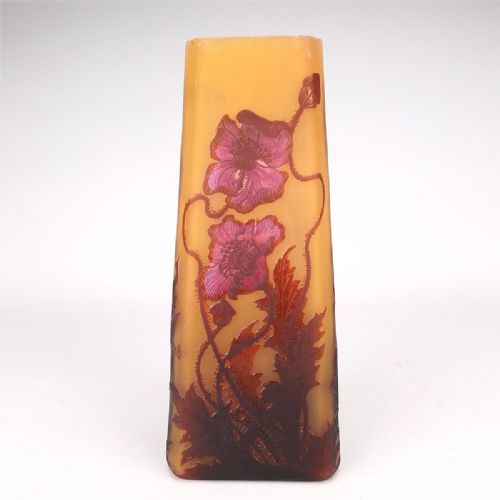
You are most likely to encounter pieces from the Art Nouveau and Art Deco periods on this page, particularly French cameo glass vases. Makers working in these styles utilised the canvas of yellow glass to depict floral motifs, landscapes, and aquatic scenes.
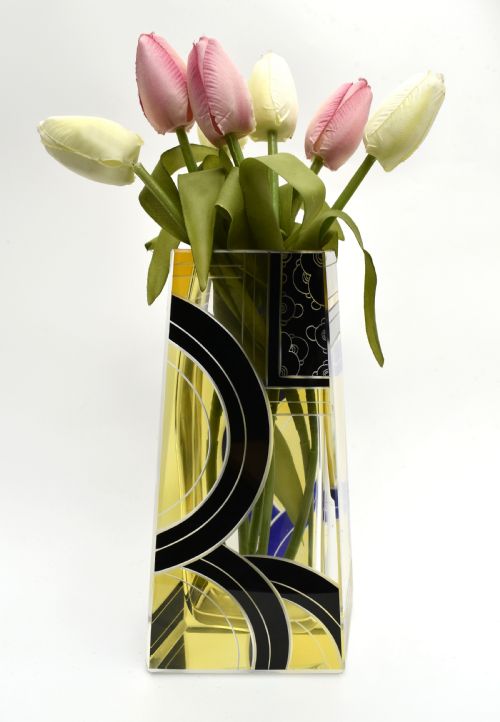
The forms range from tall, slender vases to footed bowls and stemmed goblets. Each yellow glass vessel reflects the aesthetic preoccupations of its period, from Victorian naturalism to the geometric lines of the nineteen-thirties.
What varies in quality
The distinction between ordinary and exceptional pieces lies in the crispness of the execution and the depth of the technique. Fine cameo and acid-etched vessels display precise control over multiple glass layers, creating nuanced gradients of yellow and contrasting hues.
Artisanal skill shows in the handling of surface details, whether through hand-painted enamel or deep intaglio engraving. Greater quality is evident where the material handling supports the design, rather than overwhelming the natural translucency of the glass.
Yellow Glass Vessel Retail Price Guide 2026
Typical asking prices for yellow glass vessel among the pieces listed under this phrase on Sellingantiques today, from the lower quarter to the upper quarter. They describe what is for sale here now, not the wider market.
Object types span decorative bowls, apothecary jars, decanters, and vases executed in styles including Art Nouveau, Art Deco, and Japonisme.
Emile Gallé·Daum·Daum Frerès·Karl Palda·Legras·François-Eugène Rousseau·Baccarat·Stevens & Williams
The Yellow Glass Vessel Glossary
- Cameo Glass
- A method of creating raised designs by carving or acid-etching through fused layers of contrasting coloured glass. This technique requires immense skill to achieve delicate tonal shifts.
- Acid-Etched Glass
- A technique where hydrofluoric acid is applied to eat away at the surface of the glass. It creates frosted textures and low-relief patterns.
- Intaglio
- A design carved into the surface of the glass rather than raised above it. It produces a sunken, highly detailed motif when viewed from the front.
- Lead Crystal
- A heavy, brilliant glass made by adding lead oxide to the batch. This material enhances clarity and allows for deeper, sharper cuts.
- Japonisme
- A late nineteenth-century artistic movement influenced by Japanese art. It frequently appears in decorative glass through asymmetrical compositions and natural subjects.
Yellow Glass Vessel: Frequently Asked Questions
What periods do these pieces come from?
The selection covers items from the Victorian era through the early twentieth century. You will find pieces dating from the eighteen-eighties up to nineteen-thirty.
Art Nouveau and Art Deco represent the primary stylistic eras seen in these listings. Each period brought distinct forms and decorative treatments to the material.
How can I tell Art Nouveau from Art Deco?
Art Nouveau pieces feature flowing, organic lines inspired by nature, such as flowers, vines, and water motifs. The designs feel fluid and asymmetrical.
Art Deco relies on geometric shapes, symmetry, and stylised patterns. The forms in this later period appear more structured and architectural.
Where were most of these vessels made?
Many of the finest cameo and enamelled vessels originated in France, particularly through notable workshops and studios. Other notable pieces come from English glasshouses and Czech makers.
Each region developed distinct techniques, from French multi-layered cameo work to Czech enamelled and etched designs.