



Yellow Flower Painting
Yellow flower painting captures the vibrant warmth of botanical studies through centuries of oil on canvas, delicate watercolour and enamel.
Yellow Flower Painting
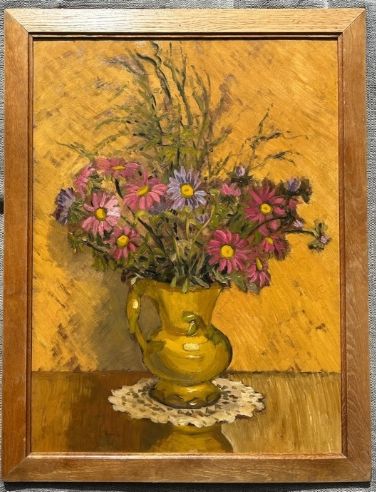
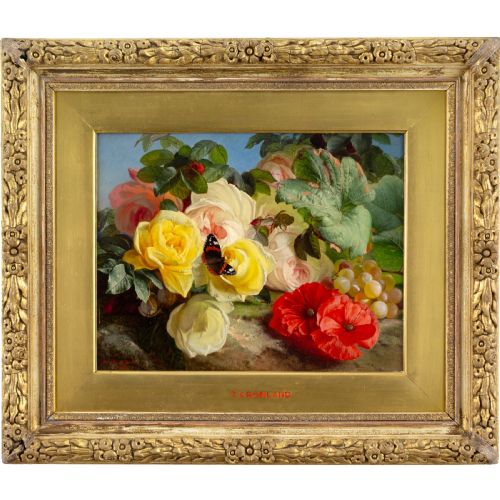
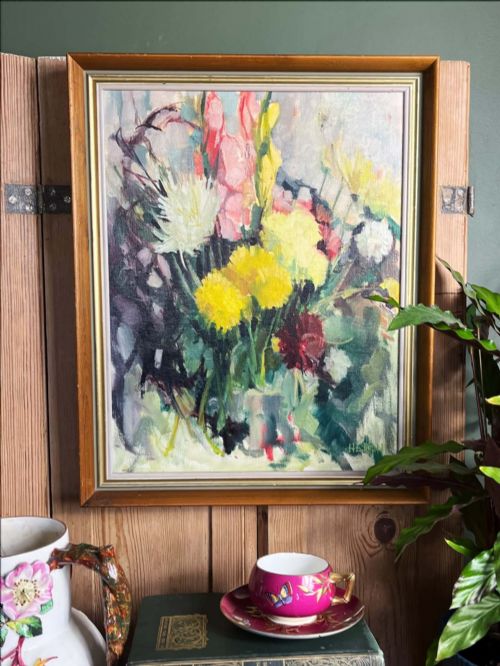
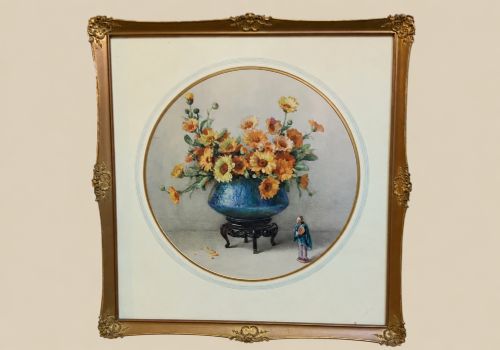
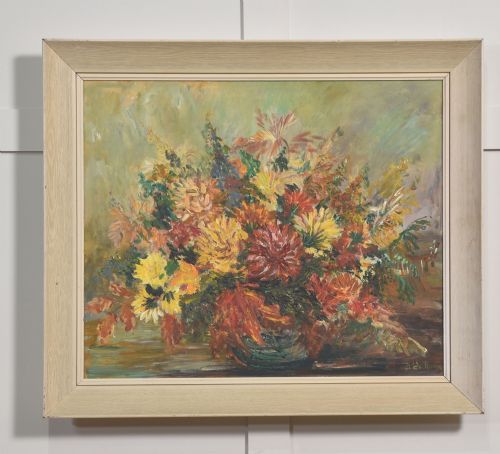
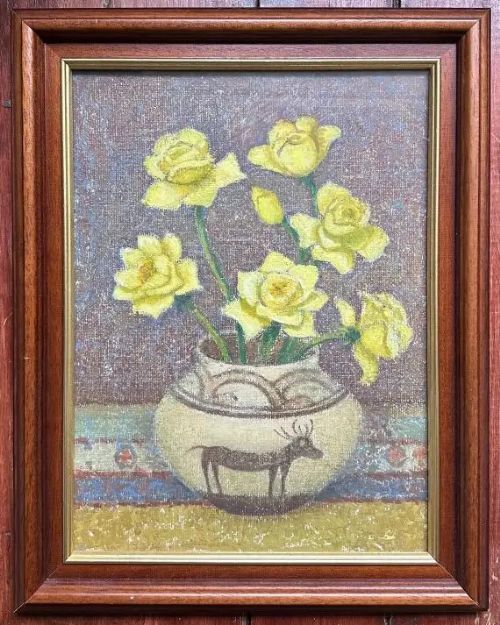
A yellow flower painting brings together centuries of artistic engagement with botanical subjects, spanning from nineteenth-century watercolours to mid-century impressionist canvases. When exploring yellow flower painting, a buyer encounters everything from intimate depictions of garden roses and marigolds to structured still lifes featuring chrysanthemums and polyanthus. The works appear across multiple mediums, including oil paint on board, delicate paper studies and hand-painted porcelain vases.
Many examples originate from the Victorian and Edwardian eras, progressing through to the mid-twentieth century with modernist interpretations. These pieces record shifting artistic approaches to natural subjects, moving from precise botanical illustration towards looser impressionist brushwork. The surviving works demonstrate how painters utilised varied palettes to capture the specific luminescence of yellow petals against contrasting backgrounds.
Materials and Construction
The physical construction of these works relies upon traditional supports such as primed canvas, wooden boards and heavy watercolour paper. Artists applied oil paint and gouache to build texture, occasionally utilising impasto techniques to give depth to floral heads and foliage. Enamel and gilt finishes appear on decorative ceramic vessels and glassware associated with these botanical themes.
Pigment choices define the visual character of each piece, with earth-based yellows and lead-tin hues prevailing in earlier works before modern synthetic pigments arrived. Frames are frequently contemporary to the artwork, constructed from carved wood with gilt or painted surfaces that complement the composition within.
Yellow Flower Painting Retail Price Guide 2026
Typical asking prices for yellow flower painting among the pieces listed under this phrase on Sellingantiques today, from the lower quarter to the upper quarter. They describe what is for sale here now, not the wider market.
Listings feature works spanning from the eighteenth century to the mid-twentieth century, utilising canvas, paper, wood and porcelain.
Distinctions in Execution
The distinction between standard decorative work and superior execution rests upon the artist's handling of light and tonal variation across the petals. Finer pieces demonstrate a deliberate control of brushwork that gives dimension and natural movement to the floral arrangement, rather than relying on flat fields of colour. Compositional balance and the integration of background elements also separate master studies from routine amateur productions.
Material preservation significantly influences the standing of a piece, particularly the stability of the paint surface and the absence of discolouration in paper supports. Works that retain their original framing and untouched pigment layers command greater appreciation among collectors seeking authentic period condition.
Theude Grönland·Emma Fordyce MacRae·Harry Wanless·Sir Matthew Smith·Julien Stappers
The Yellow Flower Painting Glossary
- Impasto
- Paint applied thickly to a canvas or board so that it stands out from the surface. This technique allows the artist to build physical texture into the depiction of flower petals.
- Still life
- A work of art depicting mostly inanimate subject matter, typically commonplace objects which may be either natural or man-made. In these selections, the focus rests upon gathered blooms in vases or baskets.
- Gouache
- A method of painting using watercolours mixed with a gum to make them opaque. It provides a dense, matte finish suited to detailed botanical studies on paper.
- Cache pot
- An ornamental container used to hold a flowerpot and conceal it from view. These ceramic vessels frequently feature hand-painted floral decorations.
Yellow Flower Painting: Frequently Asked Questions
How do I care for an antique oil painting?
Keep the artwork away from direct sunlight and sudden fluctuations in temperature or humidity to prevent the canvas from warping. Dust the surface gently with a soft, dry brush without applying pressure to the paint layer.
Avoid using any liquid cleaners or solvents on the pigment. Professional conservation should be sought if the varnish requires attention.
What is the difference between oil and watercolour?
Oil paint utilises a drying oil binder that allows for thick application, blending and rich colour depth over canvas or wooden boards. Watercolour employs water-soluble pigments on paper, creating translucent washes and lighter effects.
Watercolours require protective framing behind glass to prevent moisture damage and fading. Oils offer a more robust surface but still benefit from stable indoor environments.
How can I date a floral still life?
Examine the materials, stretcher bars on canvases, and the framing style for clues regarding the period of production. Stylistic markers such as the loose brushwork of mid-century impressionism or the tight precision of Victorian painting also indicate the era.
Signatures, inscriptions on the reverse, and artist records help narrow the creation date further. Comparing the handling of the subject to known dated works provides additional context.
Where should I hang botanical art?
Select an interior wall with stable lighting away from heat sources like radiators or direct fireplaces. Pairing these works with neutral wall colours helps the warm yellow tones of the flowers stand out.
Consider eye-level placement in rooms where you spend time enjoying fine details up close. Ensure the hanging hardware matches the weight and scale of the framed piece.