

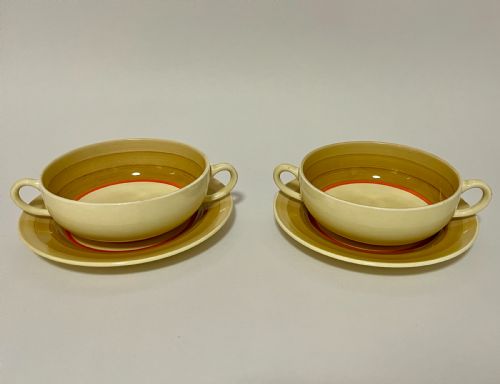


Yellow Ceramic Bowl
A yellow ceramic bowl brings warmth to a room through centuries of glaze work, from early earthenware to Art Deco porcelain.
Yellow Ceramic Bowl
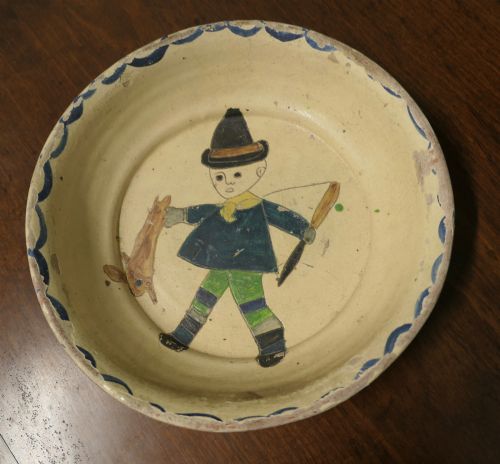
A yellow ceramic bowl encompasses domestic tableware, large display chargers and powder boxes found across various historical periods. The listings here present pieces ranging from early pottery and tin-glazed earthenware to fine porcelain and majolica.
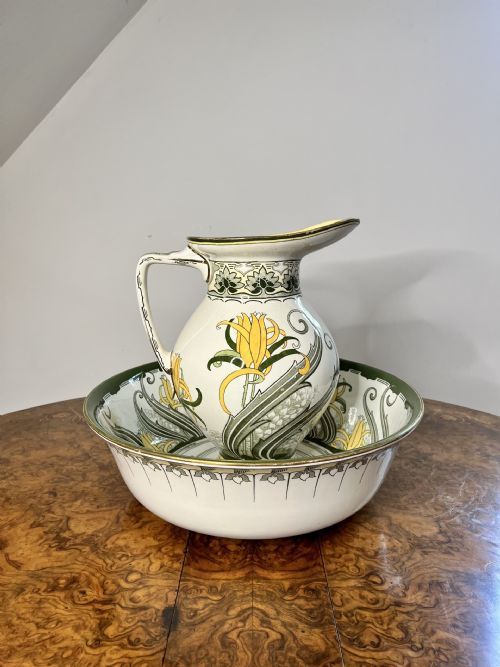
Buyers frequently encounter decorative bowls and wash bowls alongside tea bowls and cabinet dishes. These objects reflect both utilitarian origins in dairy and wash setups and ornamental roles within Edwardian and Art Deco interiors.
Origins span English country potteries, Spanish centres and French workshops, alongside notable factory productions. Each period contributes distinct forms, from geometric Art Deco designs to elaborate Rococo Revival centrepieces.
Materials and construction
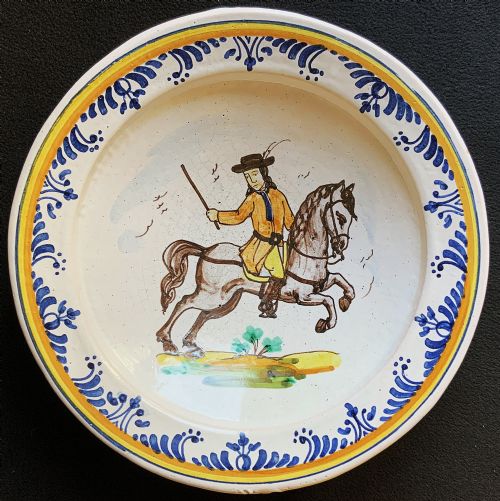
Potters utilised earthenware, terracotta and porcelain as bodies for these vessels, applying glazes to achieve colour and surface finish. Tin-glazed earthenware provides an opaque white or cream ground for painted decoration, whilst majolica and lead glazes yield rich colour depth.
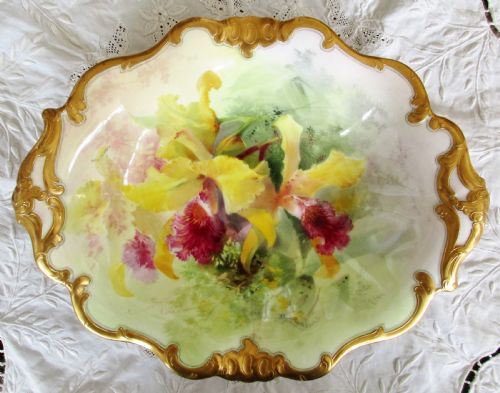
Surface treatment relies on painting, including polychrome details and hand-painted fruit or floral motifs executed by factory artists. Gilt highlights occasionally accent porcelain and earthenware bodies, adding contrast to the yellow glazes.
Yellow Ceramic Bowl Retail Price Guide 2026
Typical asking prices for yellow ceramic bowl among the pieces listed under this phrase on Sellingantiques today, from the lower quarter to the upper quarter. They describe what is for sale here now, not the wider market.
Materials represented include earthenware, terracotta, porcelain and tin-glazed pottery, often decorated with hand-painted fruit, florals and gilt.
Factors of quality
Quality rests upon the crispness of the form and the control shown in the glaze application, particularly in how evenly colour settles over earthenware or porcelain bodies. Hand-painted details by recognised artists introduce finer brushwork and more complex pictorial composition.
The preservation of the original glaze surface and any gilt decoration determines the condition grade. Pieces retaining clear factory marks or attributed artist signatures carry stronger documentary interest for collectors.
Royal Doulton·Royal Worcester·Clarice Cliff·Minton·Limoges
The Yellow Ceramic Bowl Glossary
- Earthenware
- Porous pottery fired at lower temperatures, requiring a glaze to hold liquids. It forms the base for much traditional country pottery and tin-glazed wares.
- Majolica
- Pottery featuring a colourful lead glaze applied over an opaque tin-opacified glaze. It allows for vibrant hues and sculptural relief decoration.
- Buffware
- Pottery produced from buff-firing clay bodies, often associated with early Islamic and medieval ceramic traditions. The natural clay tone provides a warm neutral base.
- Charger
- A large decorative plate or shallow bowl intended for display rather than dining. These pieces often showcase elaborate painted scenes or armorial designs.
- Tin-Glazed Earthenware
- Pottery coated with a glaze containing tin oxide, turning it white and opaque for subsequent painting. This technique includes Delft and faience traditions.
Yellow Ceramic Bowl: Frequently Asked Questions
How do I date a yellow ceramic bowl?
Dating relies on identifying the ceramic body, glaze type and any factory marks stamped or painted on the base. Stylistic cues such as Art Deco geometric forms or Edwardian floral motifs also narrow the period of production.
Comparing the potting technique with known factory outputs helps establish whether a piece originates from an 18th-century tin-glazed workshop or a 20th-century commercial pottery.
Are these bowls suitable for daily use?
Many items, particularly older earthenware and antique porcelain cabinet pieces, function best as decorative objects or dry containers. Glazes from earlier centuries may be sensitive to modern detergents and heavy use.
Wash bowls and dairy bowls were originally designed for heavy domestic tasks, but surviving antique examples are generally preserved for display to protect their glaze and painted surfaces.
What is the difference between earthenware and porcelain bowls?
Earthenware is fired at lower temperatures and remains porous unless sealed with an opaque or transparent glaze. It tends to have a heavier, chunkier feel common in country pottery and early delftware.
Porcelain uses refined clay fired at high heat, resulting in a vitrified, non-porous body that rings when struck and allows for thinner, more delicate vessel walls.