





Wrought Iron Lock
These wrought iron lock examples bring tangible history to any room, combining robust security with centuries of skilled blacksmithing.
Wrought Iron Lock
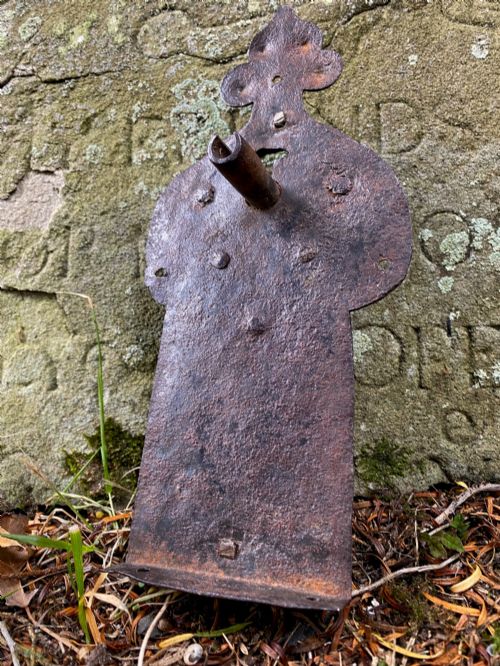
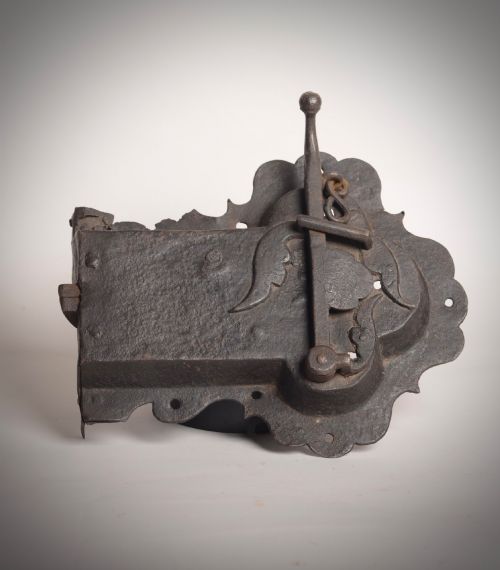
A wrought iron lock represents the intersection of domestic security and historic metalwork, spanning periods from the sixteenth century through the Victorian era. When searching for a wrought iron lock, buyers encounter diverse forms ranging from heavy architectural door hardware and rim locks to mechanisms integrated into strongboxes, coffers, and trunks.
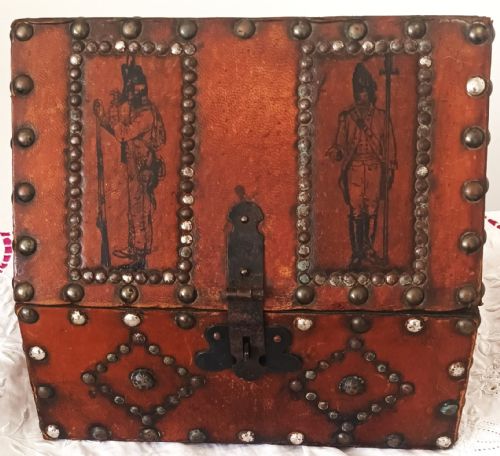
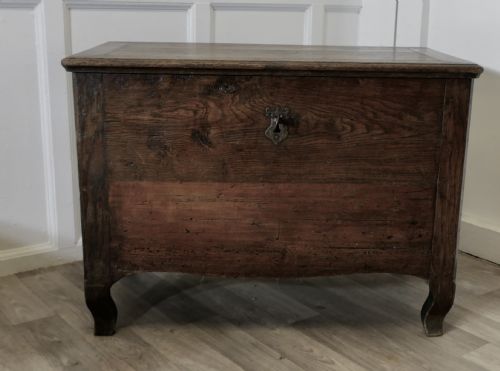
The pieces appearing on this page encompass various regional traditions, including English stock locks, French latches, and Spanish colonial coffers fitted with working iron hardware. Oak, pine, and walnut housings frequently accompany these mechanisms, sometimes paired with leather or mineral pigments.
Buyers are most likely to meet seventeenth-century decorative rim locks, eighteenth-century box locks, or nineteenth-century padlocks complete with original keys. Each object demonstrates the utilitarian evolution of securing valuables and property across different European epochs.
Construction and materials
Blacksmiths forged wrought iron by hand, heating and hammering the metal to shape complex internal springs, bolts, and exterior plates. This labor-intensive technique produced durable hardware characterised by visible hammer marks and subtle irregularities unique to each piece.
Carpenters often housed these metal mechanisms within timber enclosures made of oak, pine, or walnut, securing the iron straps and lock plates with hand-cut fasteners. Secondary materials such as brass, leather, and mineral pigments occasionally appear on decorative caskets and stronger boxes.
Wrought Iron Lock Retail Price Guide 2026
Typical asking prices for wrought iron lock among the pieces listed under this phrase on Sellingantiques today, from the lower quarter to the upper quarter. They describe what is for sale here now, not the wider market.
Some customs padlocks travelled across European borders keeping merchants awake at night, now retired from border duty to guard coffee table books.
Assessing quality in historical mechanisms
Quality in these pieces rests upon the complexity of the internal mechanism and the refinement of the hand-forged work. Elaborate twin spring bolt latches and decorative rim locks demonstrate superior technical mastery compared to simpler utilitarian hardware.
The survival of original keys and the integrity of the surrounding timber housings - whether oak, pine, or walnut - greatly influence the standing of a piece. Finer examples display meticulous attention to exterior ornamentation alongside smooth mechanical operation.
The Wrought Iron Lock Glossary
- Rim lock
- A lock enclosed in a metal box and mounted onto the surface of a door rather than mortised inside it. These surface-mounted mechanisms were common in seventeenth and eighteenth-century interiors.
- Stock lock
- A traditional lock mounted within a wooden block or case, frequently constructed from oak or pine. The timber housing completely encloses the internal iron works.
- Armada chest
- A heavy iron-banded strongbox produced in Europe during the sixteenth and seventeenth centuries, fitted with complex locking mechanisms concealed beneath the lid.
- Cofer
- A strongbox or chest used for storing valuables, often reinforced with iron straps and wrought iron locks. They served secure transport and domestic storage functions.
- Latch
- A mechanical fastening device that engages a door or lid to keep it closed, frequently operated by a thumbpiece or lever rather than a key.
Wrought Iron Lock: Frequently Asked Questions
Are original keys common with these pieces?
Original keys survive with some padlocks, strongboxes, and box locks, adding considerable historical completeness. Finding a matched key from the period remains a notable advantage.
Many surviving pieces lack their original keys due to centuries of separation. Locksmiths specialising in antiques can sometimes cut compatible replacements.
What woods house these iron mechanisms?
Oak, pine, and walnut provide the primary structural housings for many box locks, coffers, and strongboxes. Carpenters selected these timbers for their local availability and structural durability.
Spanish colonial and European pieces frequently utilise native hardwoods or softer coniferous woods. These wooden cases often display period finishes, leather bindings, or pigment decoration.
How can I tell the period?
Stylistic indicators such as Tudor, Jacobean, or Victorian decorative motifs help date the metalwork and surrounding timber cases. Hand-forging techniques also evolved noticeably from the sixteenth to the nineteenth century.
Comparing the complexity of the internal springs and bolt design provides further chronological context. Regional building traditions in England, France, and Spain impart distinct architectural traits.