

Wrought Iron Garden Furniture
Wrought iron garden furniture brings enduring character to outdoor spaces through heavy metal seats, tables and benches crafted to withstand the elements.
Wrought Iron Garden Furniture
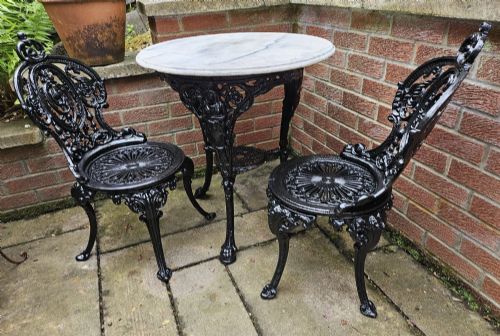
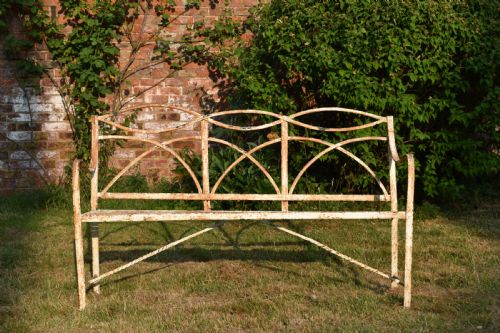
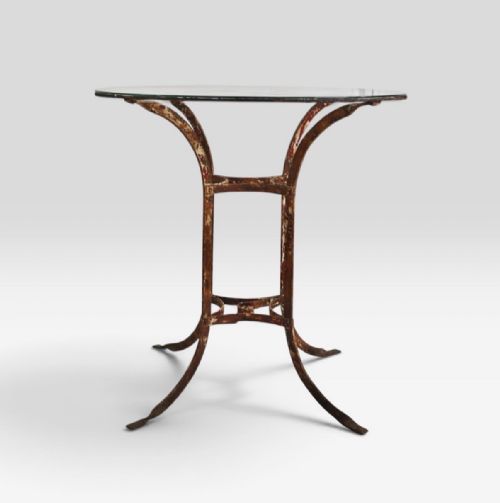
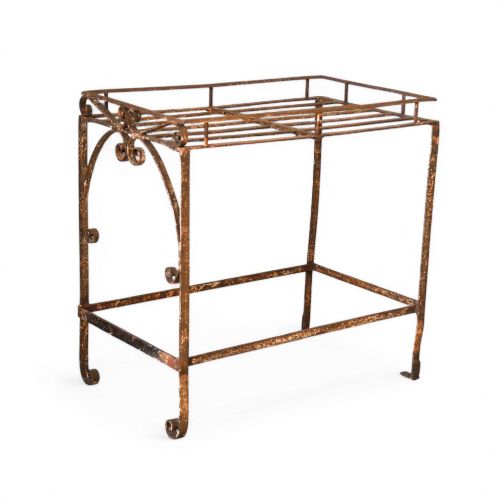
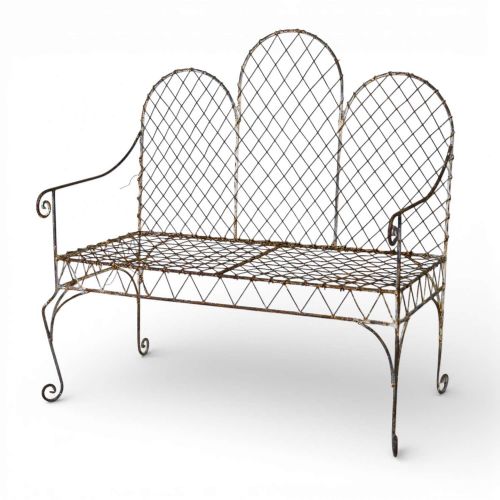
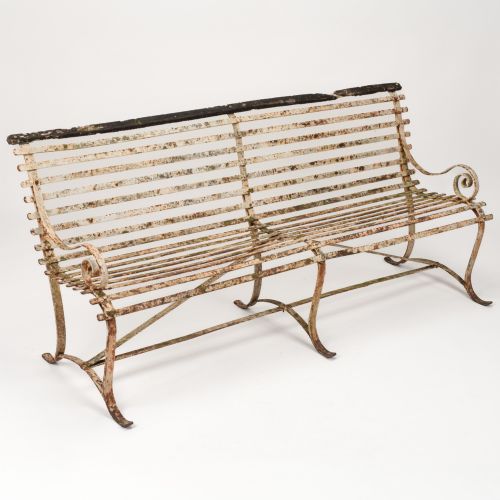
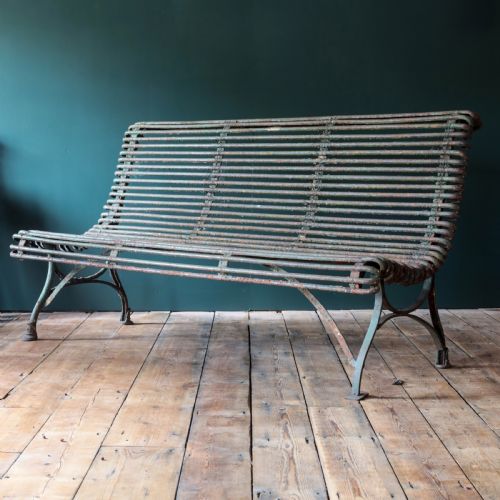
Wrought iron garden furniture encompasses outdoor seating, tables and decorative stands designed to weather exterior conditions while offering functional elegance. Buyers seeking wrought iron garden furniture will discover pieces ranging from early nineteenth century Regency strapwork benches to twentieth century French bistro sets and plant stands.
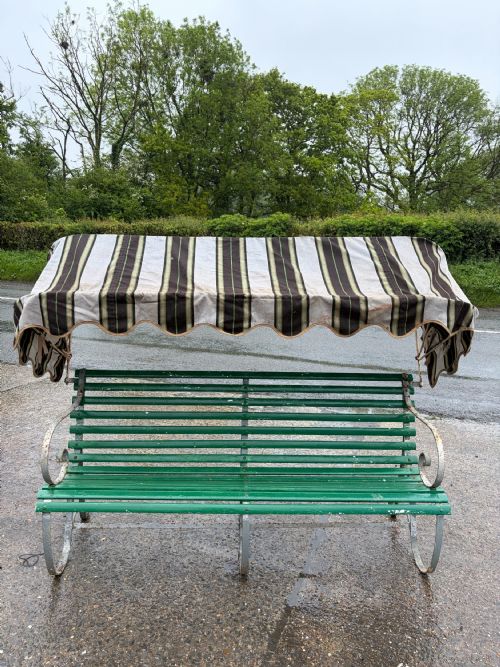
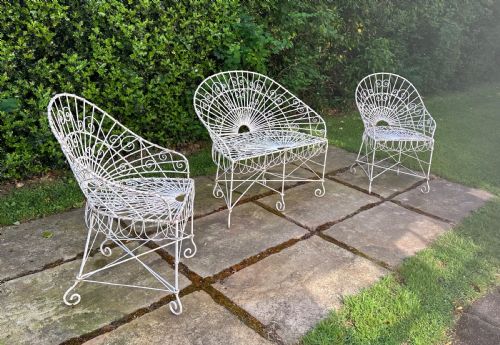
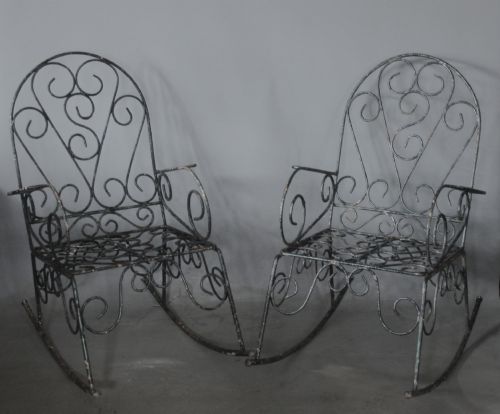
The selections span distinct historical periods including the Victorian era, the Regency period and various twentieth century decades up to the 1940s. Forms vary widely from simple folding tables and rocking chairs to elaborate garden benches featuring canopies or matching chair sets.
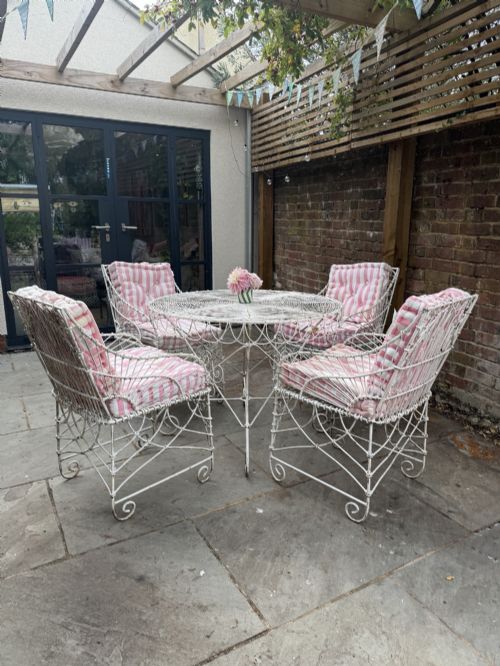
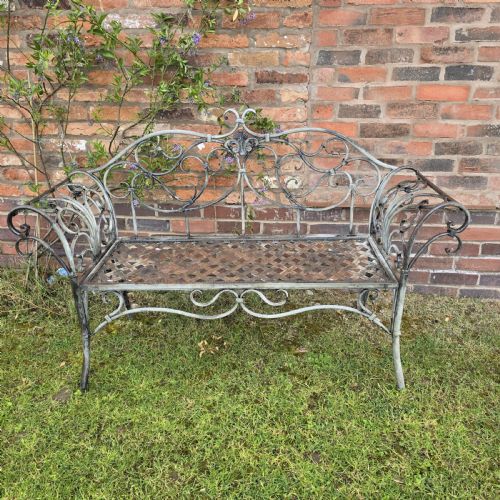
Origin and style heavily influence the character of these pieces, with French country designs and Gothic revival influences appearing frequently alongside English estate pieces. Buyers encounter various seating arrangements, from single garden seats to complete dining sets intended for lawns and conservatories.
Factors defining quality
Quality separates standard utilitarian pieces from exceptional examples through the finesse of the metalwork and the integrity of the design. Superior items display harmonious proportions, intricate decorative details like strapwork or Gothic influences, and substantial material weight.
The distinction between ordinary production and high-grade pieces rests on the complexity of the forging and the survival of original structural elements. Pieces retaining authentic painted finishes or bearing distinct period characteristics command greater appreciation among collectors.
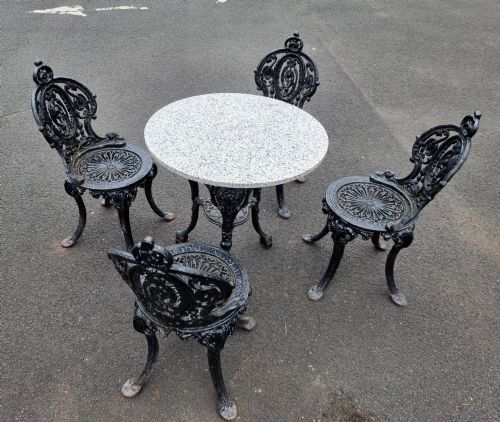
Listings feature materials spanning wrought iron, cast iron, steel, wirework, paint, fabric and marble across several decades.
The Wrought Iron Garden Furniture Glossary
- Wrought iron
- A tough, malleable form of iron that can be heated and hammered into decorative shapes. It forms the backbone of durable outdoor seating and tables.
- Strapwork
- Flat strips of metal interwoven or applied in geometric patterns. This technique defines the airy yet robust aesthetic of Regency garden benches.
- Cast iron
- Molten iron poured into a mould to create rigid components and decorative motifs. It frequently appears in heavier garden tables and plant stands.
- Wirework
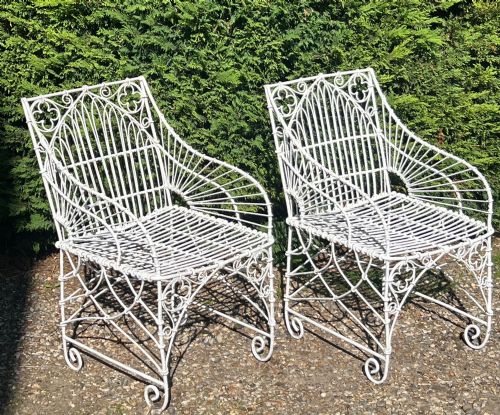
- Metal strands bent and welded into intricate open mesh patterns. This method creates lighter garden tables and chairs often associated with Victorian designs.
- Gothic revival
- An architectural and decorative style utilising pointed arches and ecclesiastical motifs. This aesthetic influences the frame design of specific period garden benches.
Wrought Iron Garden Furniture: Frequently Asked Questions
How do I care for wrought iron outdoors?
Keep the metal protected by maintaining painted surfaces and inspecting joints regularly for signs of moisture exposure. Applying appropriate protective coatings preserves the structural integrity through seasonal shifts.
Position furniture on stable paving rather than damp turf to minimise moisture absorption from the ground. Simple cleaning prevents accumulated debris from holding dampness against the metal.
Are these pieces suitable for year round garden use?
Most items handle outdoor environments well due to their heavy metal construction and protective paint layers. However, extreme winter weather can accelerate weathering on older joints.
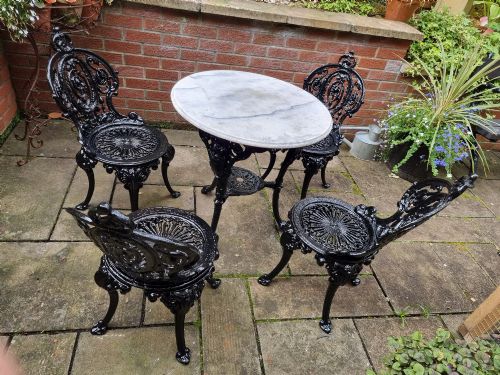
Moving delicate wirework or marble-topped tables under cover during harsher months prolongs their lifespan. Sturdy benches and heavy cast-iron sets manage external placement comfortably throughout the year.
How can I distinguish Regency from Victorian styles?
Regency designs typically emphasise clean lines, strapwork patterns and classical proportions influenced by earlier neoclassical tastes. They often feature lighter framing and restrained ornamentation.
Victorian pieces frequently display heavier casting, more exuberant decorative flourishes, and occasionally Gothic revival motifs or canopy structures. The shift reflects changing nineteenth-century manufacturing capabilities and ornamental preferences.
Can I use these pieces inside a conservatory?
These items transition seamlessly into conservatories, garden rooms and orangeries where their architectural forms complement interior planting. Lighter bistro sets and plant stands suit sunlit indoor spaces particularly well.
Using them indoors also protects fragile painted finishes and delicate wirework from harsher exterior elements. This placement highlights the decorative strapwork and intricate silhouettes without weather risks.