
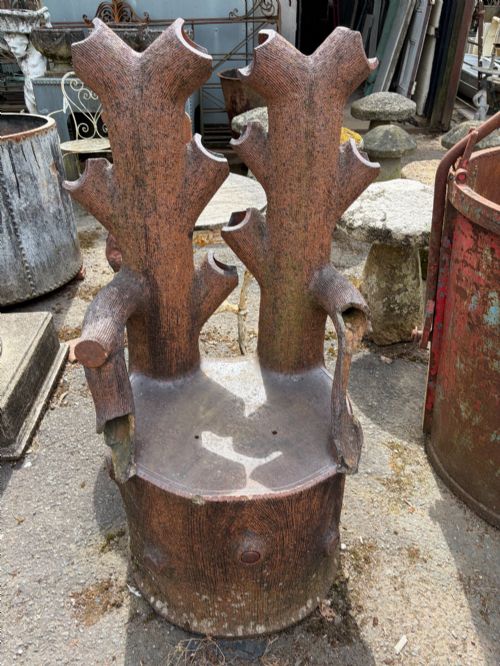


Victorian Style Garden Seats
Victorian style garden seats bring architectural presence to a terrace, offering enduring outdoor seating shaped from cast iron, wirework and wood.
Victorian Style Garden Seats
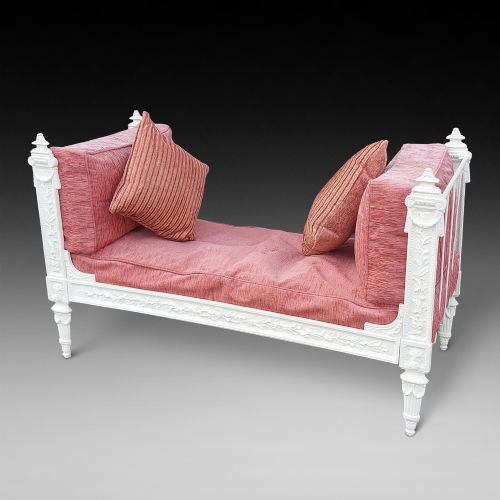
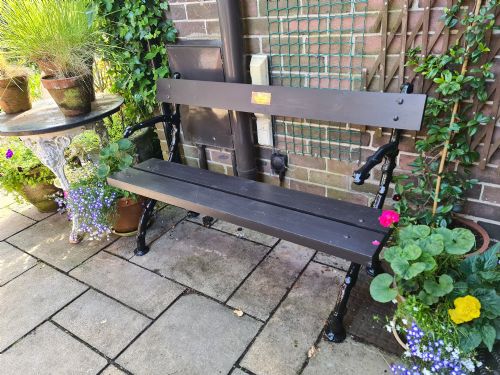
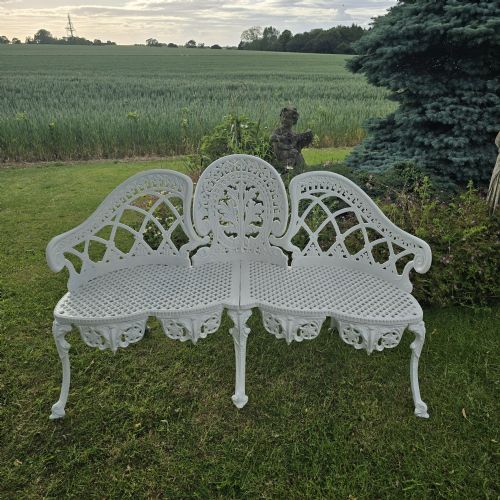
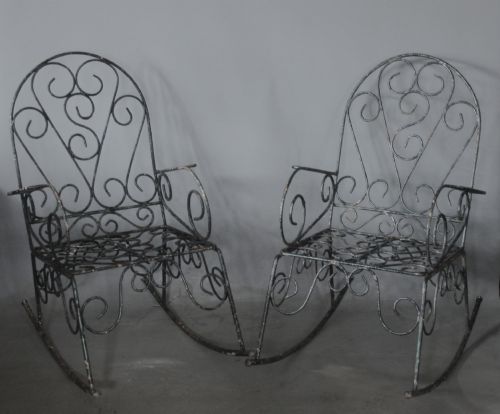
Victorian style garden seats encompass sturdy benches, dining sets, daybeds and rocking chairs designed for exterior grounds. When you search for victorian style garden seats, you encounter pieces originating from the nineteenth century alongside later twentieth-century iterations.
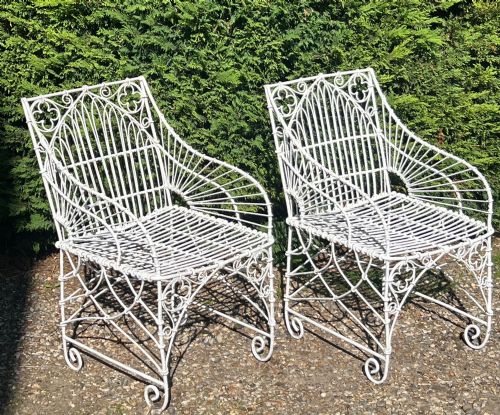
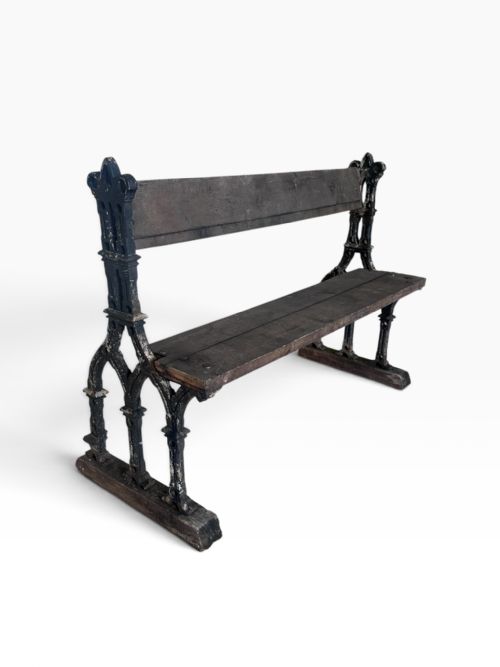
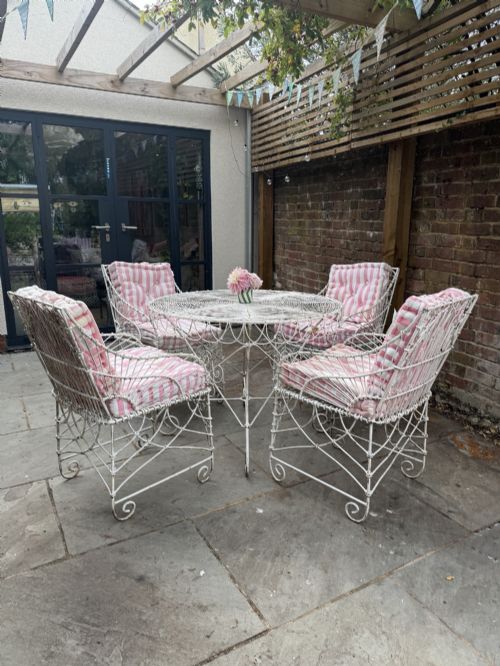
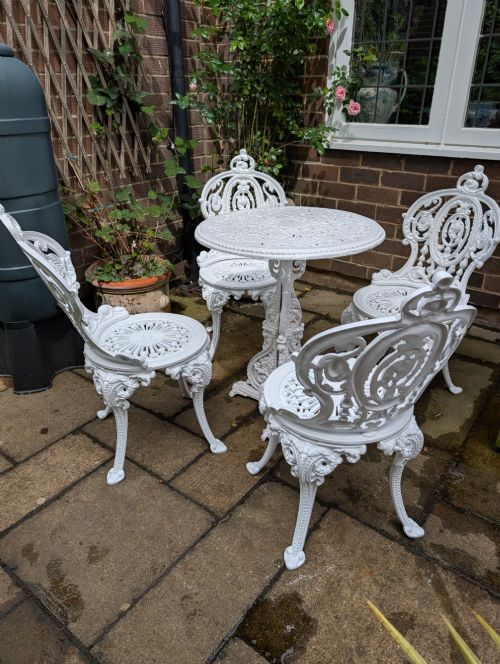
The selections span distinct visual themes including Gothic Revival, wirework, rustic faux bois and strapwork. Benches and chairs dominate the forms, frequently accompanied by matching tables or arranged as bistro sets.
Periods represented stretch from the Regency era through to the early decades of the twentieth century, with nineteenth-century examples and 1930s interpretations appearing regularly.
How they were made
Construction relies heavily on robust metals such as cast iron and wrought iron, which provide structural integrity and intricate framing. These metal components are frequently finished with applied paint to protect the surfaces against outdoor elements.
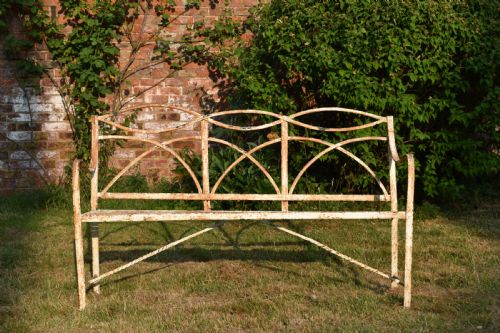
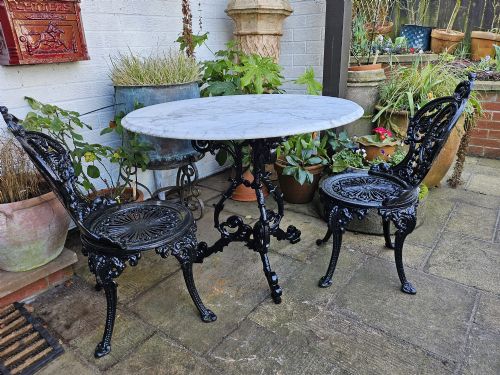
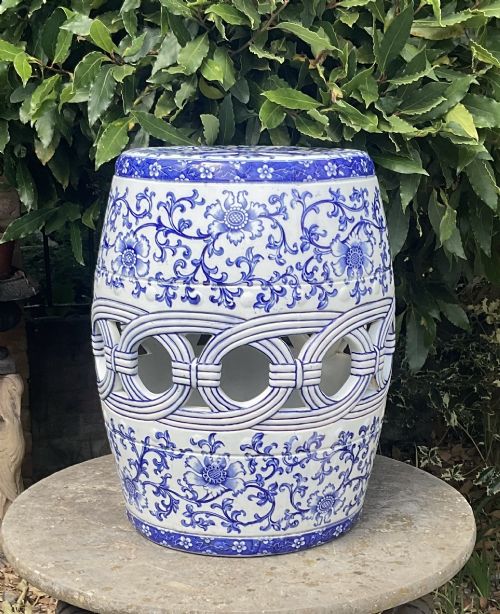
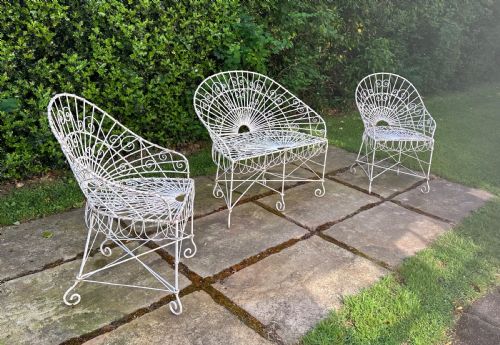
Alternative builds incorporate wirework, wood and glazed earthenware, creating varied textures across arbours, seats and tables. Marble tops occasionally feature on iron bistro tables, adding a contrasting hard surface to the metal bases.
Styles represented across the inventory range from French Bistro and Gothic Revival to Victorian wirework and rustic faux bois.
What varies in quality
The definition of the casting work dictates visual distinction, where crisp detailing in iron components separates standard utilitarian items from finer examples. Heavier gauge metals and complex motifs, such as Gothic tracery or faux bois texturing, demonstrate greater ambition in the workshop.
Condition and originality influence the standing of each piece, distinguishing items retaining their authentic structure and surfaces from those requiring extensive refurbishment.
Christopher Dresser·Minton
The Victorian Style Garden Seats Glossary
- Cast iron
- A strong alloy poured into moulds to create solid garden benches and chairs with decorative relief patterns. This material permits complex industrial ornamentation.
- Wirework
- Metal strands manipulated into open-structured arbours, tables and chairs. This technique produces lightweight yet resilient garden furniture.
- Faux bois
- A decorative finish mimicking natural timber grain upon hard materials such as concrete or metal. It creates rustic garden seats that imitate woodland branches.
- Gothic Revival
- An architectural style applied to garden benches, featuring pointed arches and vertical tracery. This design language draws inspiration from medieval buildings.
- Strapwork
- Flat interlaced bands forming ornamental patterns on metal garden benches. The technique yields geometric clarity across the backrests.
Victorian Style Garden Seats: Frequently Asked Questions
Where should I place a cast iron garden bench?
Position these heavy iron seats on level paved terraces or firm gravel paths to prevent sinking into damp soil. Their substantial weight makes them stable focal points at the end of a garden vista.
Protect the metal from standing water during winter months by raising the feet slightly or storing them under cover if frost is severe.
How do I maintain painted iron garden seats?
Inspect the painted surfaces annually for small flaking areas or initial spots of rust. Gently wire-brush affected sections before applying a suitable exterior metal paint.
Keeping the paint layer intact prevents moisture from penetrating the iron substrate over prolonged periods of outdoor exposure.
What is the difference between wirework and cast iron?
Wirework relies on bent and woven wire strands to create airy, transparent arbours and lightweight chair frames. Cast iron uses poured metal to achieve solid, heavy structures with elaborate decorative relief.
Both materials suit outdoor placement but offer entirely contrasting visual weights within a garden landscape.
How do I identify a Gothic Revival garden seat?
Look for pointed arches, trefoils and vertical tracery incorporated directly into the backrest frame of the bench or chair. These architectural motifs mirror medieval stonework translated into cast iron.
Such decorative elements give the seating a distinct vertical emphasis compared to standard curved Victorian forms.