







Wrought Iron Floor Stand
A wrought iron floor stand provides sturdy vertical presence and practical illumination or display, making it a functional centrepiece in period interiors.
Wrought Iron Floor Stand
When you search for a wrought iron floor stand, you encounter robust vertical pieces designed for lighting, candle display, or structural support. The selections span from the eighteenth century through the Victorian era and into the early twentieth century, reflecting varied domestic and ecclesiastical uses.
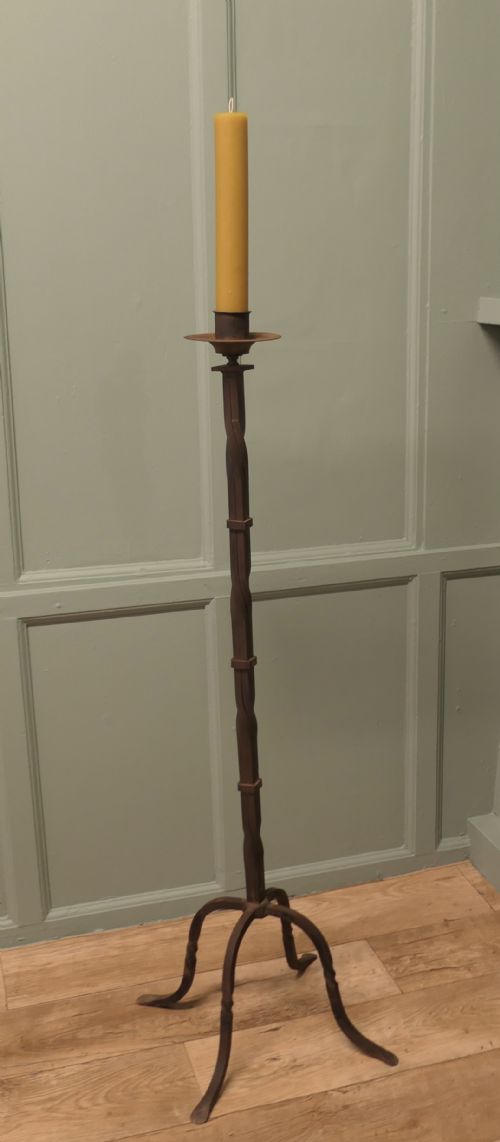
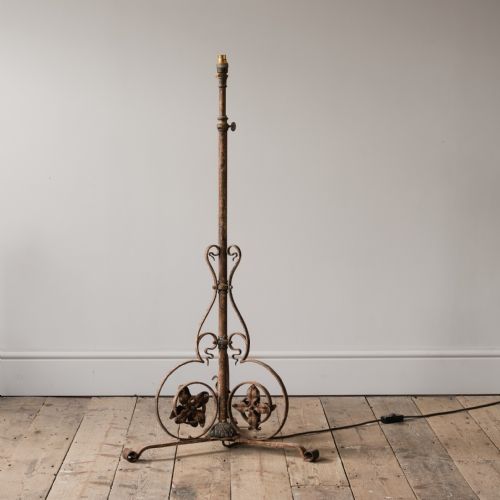
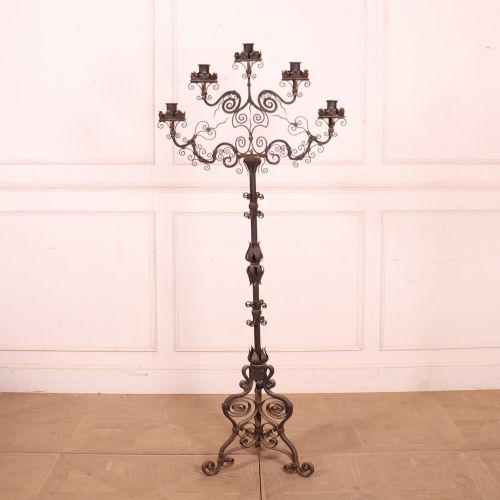
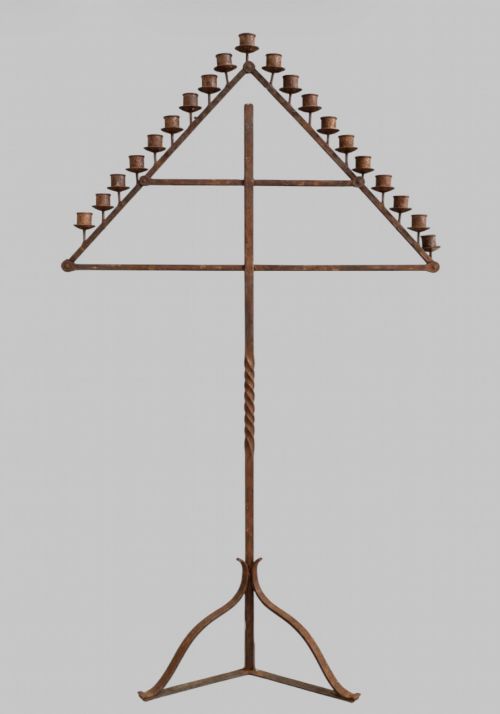
The most common examples on this page are floor lamps, standard lamps, and tall candle stands or torchères. These pieces frequently incorporate adjustable arms, telescopic columns, or multi-candle arrangements originating from French, Italian, and British workshops.
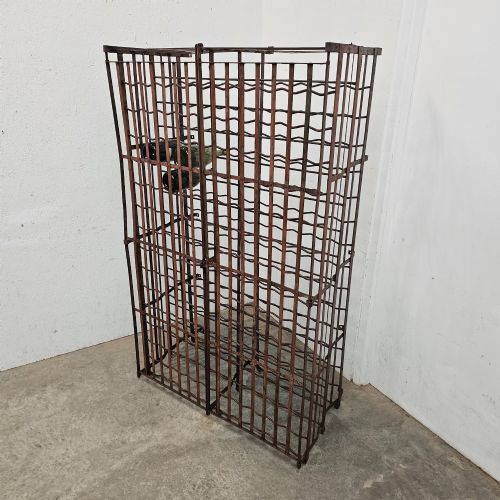
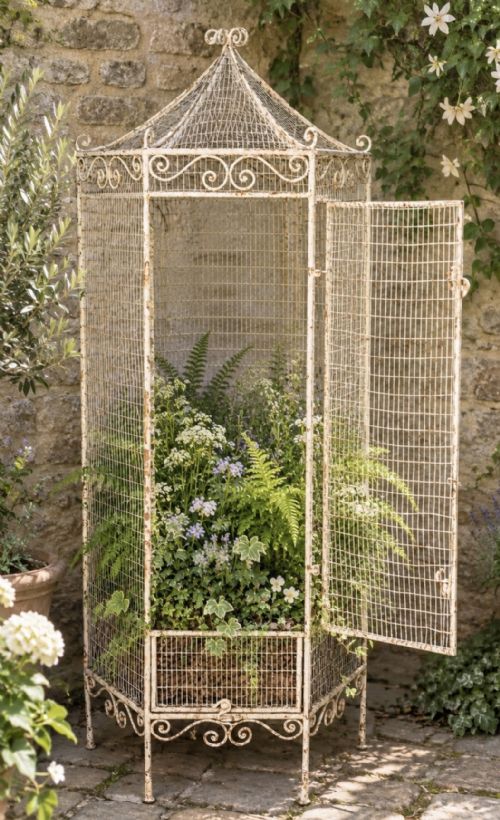
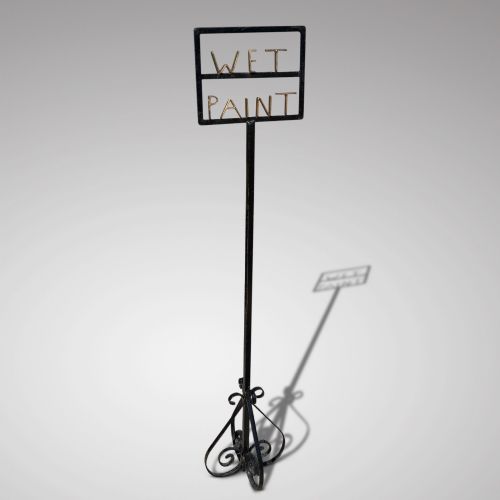
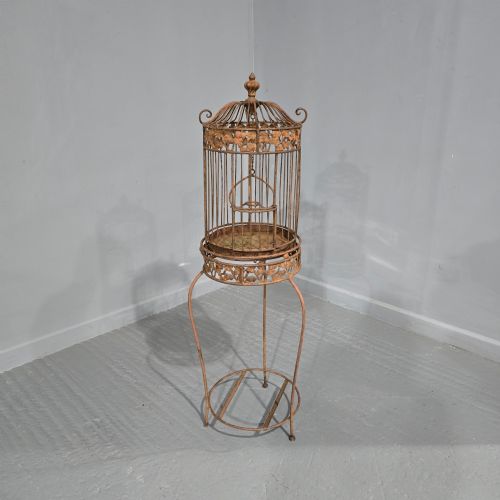
Beyond standard lighting, the category encompasses architectural lanterns, standing signs, wine racks, and birdcages mounted on heavy iron bases. Each object relies on blacksmith-made metalwork to anchor tall forms securely in a room.
How they were made
Blacksmiths shaped wrought iron by heating the metal in a forge and using hammers, anvils, and chisels to draw out tapers, twist shafts, and scroll brackets. This hot-working technique created strong, fibrous metal capable of supporting heavy loads without snapping.
Makers integrated cast iron for stable weighted bases and utilised brass for decorative fittings or adjustable collars. Surfaces often retain traces of early black paint, natural oxidisation, or applied gilt metal details rather than modern synthetic coatings.
Wrought Iron Floor Stand Retail Price Guide 2026
Typical asking prices for wrought iron floor stand among the pieces listed under this phrase on Sellingantiques today, from the lower quarter to the upper quarter. They describe what is for sale here now, not the wider market.
Several stands double as birdcages or wine racks, proving ironwork could house pigeons or wine bottles with equal fortitude.
What varies in quality
Quality in a wrought iron floor stand rests upon the fluency of the blacksmith's handwork and the proportional balance of the design. Superior examples display clean hammer marks, elegant scrolling, and tight structural joints rather than crude welds or clumsy proportions.
The sophistication of the mechanical adjustments defines the upper tier of standard lamps and torchères. Smoothly operating telescopic shafts, finely threaded keys, and substantial gauge metal indicate thoughtful craftsmanship intended for heavy daily service.
The Wrought Iron Floor Stand Glossary
- Torchère
- A tall ornamental stand designed to carry a candle, oil lamp, or light bulb. These elevated pieces lift light sources above furniture level to illuminate a room.
- Pricket stick
- A candle holder featuring an upward-pointing metal spike that secures the base of a wax candle. This medieval form persisted in ecclesiastical and domestic use into the nineteenth century.
- Telescopic
- A construction method utilising concentric sliding tubes to allow adjustable height. This mechanism is frequently found on nineteenth-century standard lamps.
- Candelabra
- A branched candlestick holder designed to support multiple candles simultaneously. Architectural versions often feature heavy multi-tiered arms for substantial wax illumination.
- Gilt metal
- Base metal treated with a thin layer of gold paint or leaf to simulate solid gold. It provides metallic sheen without the weight or cost of precious metal.
Wrought Iron Floor Stand: Frequently Asked Questions
How do I date a wrought iron stand?
Dating relies on examining construction methods, material combinations, and stylistic markers such as Victorian Gothic Revival or Art Nouveau motifs. Hand-forged blacksmith details often indicate earlier nineteenth or eighteenth-century origin.
Later pieces from the early twentieth century frequently incorporate electrical wiring channels, telescopic brass collars, or standardised fasteners alongside iron framework.
Were these stands always used for lighting?
While many were built as floor lamps, oil lamps, or candle prickets, the category includes diverse functional objects. Listings feature wine racks, standing signs, dinner gongs, and birdcages mounted on iron stands.
Each form utilised the inherent strength and weight of iron to hold heavy items securely in domestic, commercial, or ecclesiastical spaces.
How do I live with a floor stand?
Living with a heavy iron stand involves positioning it where its height and robust footprint can anchor a room corner or seating arrangement. Ensure the base sits level on flooring, as the substantial weight requires stable placement.
Maintenance typically involves gentle dusting and preserving the natural iron surface patina rather than applying harsh chemical cleaners.